Mangroves of Savusavu: Coastal Forests That Protect the Reef
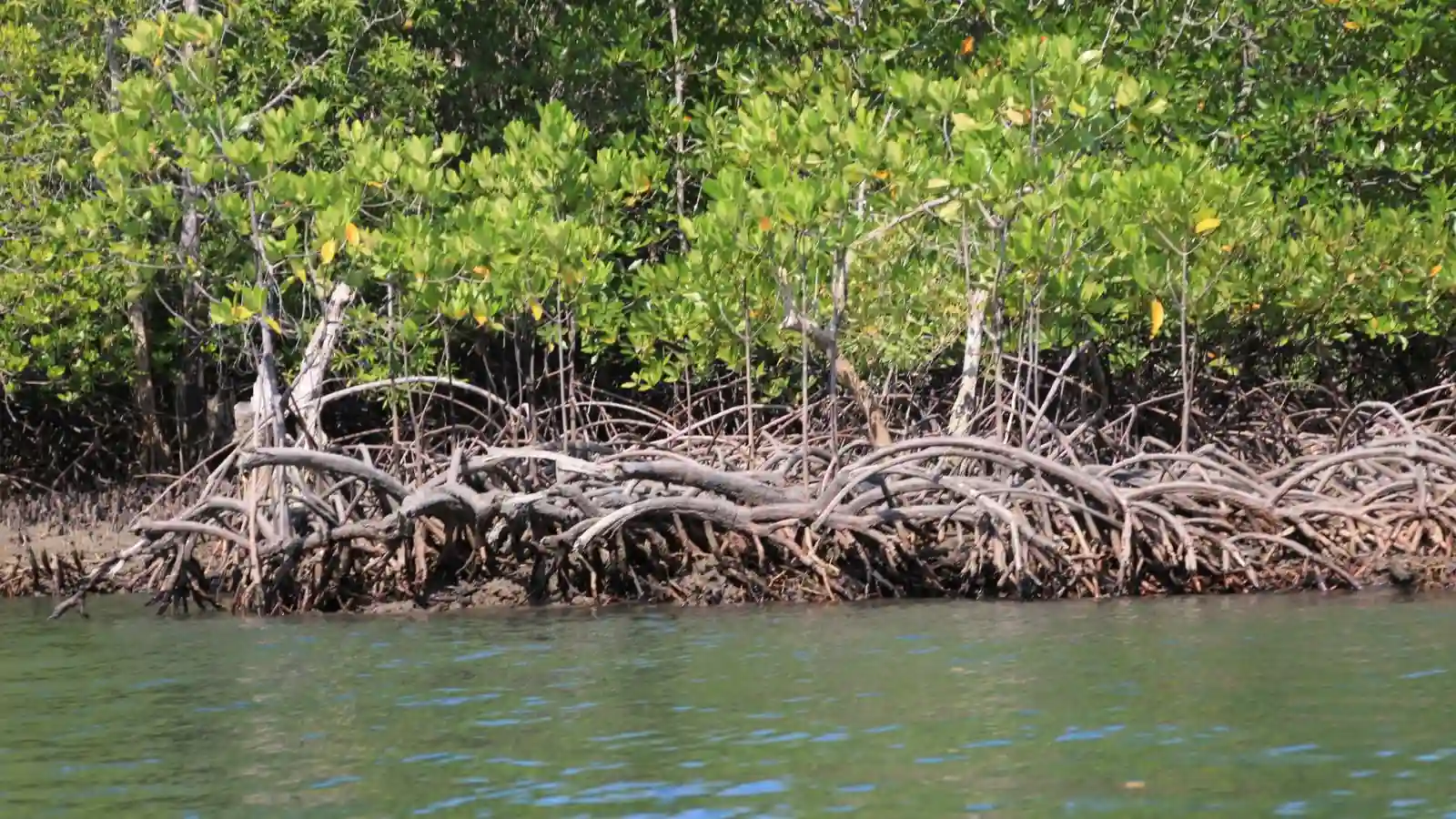
Walk along Savusavu Bay at low tide and you will notice trees growing straight out of the water, their roots spread wide across the mud like fingers gripping the shore. These are mangroves, and most visitors walk past them without a second glance. That is a shame, because without them the bay would look very different, and the coral reef further out would be in far worse shape.
Savusavu is one of the few places in Fiji where you can move between several distinct ecosystems in a single afternoon. Mangrove channels lead out toward open water, rainforest hills rise behind the town, and coral gardens begin just offshore. Kayaking through the coastal inlets is one of the quietest ways to get into this habitat, paddling close enough to the roots to see what actually lives there.
Why Mangroves Matter Here
Mangrove trees like Rhizophora and Bruguiera anchor themselves in tidal mud with tangled prop roots that trap sediment washing down from the hills. That sediment, if it reached the reef, would cloud the water and smother coral. The mangroves intercept it first, acting as a slow, living filter between land and sea.
They also hold the shoreline together. Savusavu Bay is exposed to seasonal swells, and without root systems binding the mud, those banks would erode steadily. The forest absorbs wave energy that would otherwise undercut the coast.
Young fish depend on this environment too. Many species hatch and spend their first weeks sheltering between the roots, where larger predators cannot follow. Those same fish show up later on the reef. When you are snorkeling at Lesiaceva Point, some of what you see started its life in the mangroves a few hundred metres away.
What Lives in the Mangroves
Go at low tide and the mud flats become very active. Fiddler crabs move in groups across the surface, mud skippers skip between exposed roots, and herons stand completely still at the waterline waiting for anything that moves. Kingfishers are common here too, perching on low branches before dropping into the shallows.
In the evening the dynamic shifts. As the sun drops behind the hills, fruit bats emerge from the forest canopy and cross the bay in loose groups, heading toward fruit trees further along the coast. It is a quiet spectacle that most visitors miss entirely.
If you want to understand how these habitats connect, combining a mangrove paddle with a walk through the inland forest at Waisali Reserve makes the picture much clearer. The same birds that nest in the reserve forage along the mangrove edge, and the rivers draining through the reserve carry nutrients that feed the whole coastal system.
How to Explore the Mangroves
Early morning is the best time, before the heat builds and the wind picks up. The water is calmer, the birds are active, and the light through the canopy is worth the early start. A kayak lets you move quietly enough that wildlife does not scatter before you get close.
Some visitors combine a morning on the water with an afternoon at the pearl farm in the bay, where the guides are usually happy to explain how water quality directly affects pearl production. Clean water is not just good for wildlife. It is the foundation of everything that happens in this bay.
The Savusavu Town Market is worth a stop too. The fishermen selling there work the same waters you have been paddling through, and a conversation at the fish counter can tell you more about the bay than any guidebook.
A Coastline Under Pressure
Fiji has lost a significant portion of its mangrove cover over the past few decades, cleared for coastal development and aquaculture. What remains around Savusavu is relatively intact, but that is not guaranteed to stay the case. Visiting these habitats thoughtfully, choosing operators who treat them carefully, and staying on marked water routes all make a difference in the long run.
The Savusavu Hot Springs near the town centre are a good reminder of how geologically unusual this area is. Warm mineral water rises from underground a short walk from the waterfront. Mangroves, coral reef, tropical rainforest, and active geothermal vents within a few kilometres of each other is not something you find in many places.
After a Day on the Water
Captain's Café at Copra Shed Marina is a natural end point. You can sit outside, watch the fishing boats come in, and order whatever came out of the bay that morning. After a few hours in the mangroves, it feels like a fitting way to close the loop.
Worth the Detour
Most people come to Fiji for beaches and reef, and Savusavu delivers both. But the mangroves are what make everything else possible. They are not a side attraction. They are the reason the water is clear, the reef is healthy, and the fish are there to see. Once you understand that connection, exploring the mangroves stops feeling like a detour and starts feeling essential.
Last updated: March 2026 • Best explored by kayak at low tide • Early morning offers the best wildlife sightings • Combines well with Waisali Reserve and Lesiaceva Point snorkeling