Wildlife of Savusavu: Complete Guide to Birds, Reefs and Rainforests
Savusavu is one of the best places in Fiji for travelers who care about nature. On the southern coast of Vanua Levu, the region brings together rainforest hills, mangroves, quiet bays, coral reefs, and fertile inland areas. That mix of habitats supports a surprisingly rich range of wildlife, from tropical birds and fruit bats to reef fish, sea turtles, and countless smaller species hidden in forest and sea. For many visitors, Savusavu feels more alive than more polished resort destinations because nature is never far away.
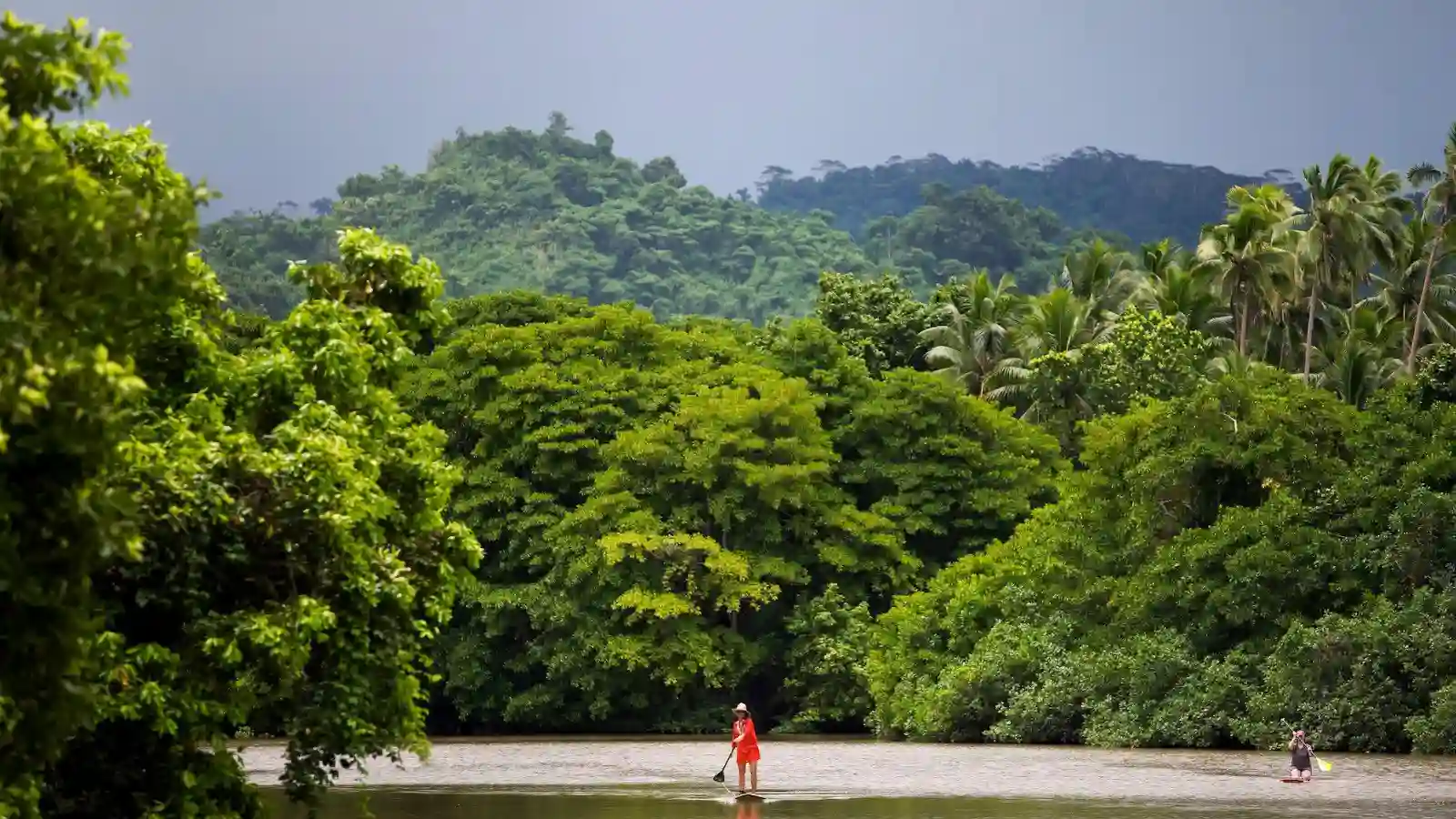
Wildlife here is not limited to one reserve or one tour. You can hear birds from roadside trees, watch bats cross the sky in the evening, and find marine life in shallow reef systems just offshore. A good way to start is with the rainforest around Waisali Reserve, then move out toward the coast and spend time in the water at places like Lesiaceva Point.
Why Savusavu Has So Much Wildlife
Biodiversity grows where habitats overlap, and Savusavu has exactly that advantage. Forest, river mouths, mangroves, shoreline, and reef systems all sit close together. Mangroves protect young fish. Rainforests shelter birds, insects, and bats. Reefs support marine life that depends on healthy coastal water. Because these ecosystems connect so closely, wildlife is easier to notice here than in places where nature is broken up or heavily developed.
Savusavu also rewards slower travel. A morning walk, a quiet snorkel, or a paddle through sheltered inlets often reveals more than a packed sightseeing schedule. That is one reason activities like kayaking in the quiet coastal inlets can be so memorable. They give you time to notice movement, sound, and small details that are easy to miss when rushing.
Birds of Savusavu
Birdlife is one of the clearest reasons to visit Savusavu as a nature traveler. Forest edges, gardens, and deeper rainforest all support different species. Early morning is usually best, when the air is cooler and birds are most active. Even visitors with no birdwatching experience often notice how much sound comes from the trees once they stop and listen.
Orange Dove and Forest Species
One of Fiji’s most famous birds is the orange dove, known for its striking color. Sightings are never guaranteed, but the forests of Vanua Levu provide suitable habitat. Savusavu also attracts travelers hoping to see parrots, kingfishers, honeyeaters, and other tropical birds that move between canopy and forest edge. If this is your main interest, the dedicated birdwatching guide to Waisali Rainforest Reserve is a helpful next step.
Marine Life and Coral Reefs
Savusavu’s marine life is just as important as its forest life. The bay and nearby reef systems support coral communities, reef fish, invertebrates, and larger animals that depend on healthy coastal ecosystems. In calm conditions, even beginners can see a surprising amount underwater. Schools of fish, hard and soft corals, clams, and shifting reef textures all make the area rewarding for slow exploration.
Some travelers prefer snorkeling from the surface, while others want a quieter and more immersive experience below the waterline. For that, the coral garden free diving guide explains why Savusavu’s shallow reefs are so appealing. If you are choosing the best month for reef visibility, sea conditions, and wildlife encounters, it also helps to check the best season to visit Savusavu.
Rainforests and Highland Habitats
Inland from the coast, Savusavu rises into greener and wetter landscapes where rainforest conditions support a different mix of species. These forests help regulate water, protect soil, and create shelter for birds, bats, insects, and native plants. You may not always see wildlife immediately, but the forest feels active when you move through it slowly enough.
For travelers who prefer a gentler pace, one of the best ways to experience these habitats is through the slower approach described in our forest bathing in the highlands guide. It is less about distance and more about being present in the landscape.
Mangroves, Rivers, and Coastal Edges
Some of the most important wildlife habitats are easy to overlook. Mangroves and river mouths around Savusavu connect land and sea. They shelter juvenile fish, support birds, protect the shoreline, and help keep sediment from damaging reef systems. They may look quieter than coral reefs, but they are essential to the health of the wider ecosystem.
Good wildlife travel also starts before you leave your room. Light clothing, insect repellent, good walking shoes, and reef-safe essentials make a real difference in places like Savusavu. Our Savusavu packing list covers the basics for forest walks, coastal outings, and time on the water.
Best Ways to Experience Wildlife in Savusavu
Wildlife Watching Tips
- Go early: Dawn and early morning are usually best for bird activity.
- Move slowly: Quiet movement gives you a better chance of seeing wildlife.
- Look by habitat: Reef, forest, and coastal species are very different.
- Bring binoculars: Even a small pair makes birdwatching easier.
- Respect distance: Never chase birds or touch coral for photos.
- Check conditions: Rain, tide, and water clarity affect what you can see.
- Use local knowledge: Guides often know the best times and locations.
- Stay patient: The best wildlife moments are usually the quiet ones.
Conservation Challenges
Wildlife in Savusavu depends on habitat protection. Coral reefs are vulnerable to warming seas, pollution, sediment runoff, and careless visitor behavior. Forest habitats face pressure from land use change and invasive species. Coastal ecosystems suffer when mangroves are damaged or water quality declines.
Responsible travel matters here. Small choices add up. Stay on trails, avoid disturbing wildlife, do not touch coral, and choose operators that respect local ecosystems. The best wildlife experiences usually come from observing carefully rather than trying to get too close.
Key Questions About Wildlife in Savusavu
What wildlife can you see in Savusavu?
Savusavu offers tropical birds, reef fish, fruit bats, coral ecosystems, insects, and rainforest species across coastal and inland habitats.
Is Savusavu good for birdwatching?
Yes. Savusavu is one of the stronger birdwatching areas in Fiji because it combines rainforest, forest edge, gardens, and quieter natural habitats.
Are there coral reefs near Savusavu?
Yes. Savusavu has coral reef environments and shallow marine areas that can be explored by snorkeling or free diving, depending on conditions and skill level.
When is the best time to see wildlife in Savusavu?
Early mornings are usually best for birds, while calm weather and clearer water improve underwater wildlife viewing.
Do I need a guide to explore wildlife areas?
Not always, but local guides can improve your chances of seeing more wildlife and help you explore responsibly.
How can visitors protect wildlife in Savusavu?
Stay on trails, keep your distance, do not touch coral, reduce waste, and choose low-impact activities that respect local ecosystems.
Final Thoughts
What makes Savusavu special is not one single animal or one famous viewpoint. It is the way forest, coast, mangroves, and reef all connect. The region rewards travelers who slow down, watch carefully, and let nature set the pace. You do not need an extreme adventure to experience wildlife here. Often the best moments are the quietest ones.
For visitors who want to understand Fiji as a living environment rather than just a beach destination, Savusavu is one of the most rewarding places to explore.
Last updated: March 2026 • Best for birdwatchers, reef explorers, and eco travelers • Early morning is ideal for bird activity • Calm, clear conditions are best for reef viewing