Bollywood Dance Nights in Nadi: Complete 2025 Guide to Cultural Performances

By FijiEco Team | Published: April 22, 2025 | Updated: December 07, 2025

Bollywood-inspired dance nights in Nadi—Fiji’s multicultural gateway city—offer vibrant insight into Indo-Fijian heritage, blending South Asian artistic traditions with uniquely Pacific adaptations shaped over 145 years since the arrival of Indian indentured laborers (1879–1916). Energetic choreography, colorful costumes, and community participation transform these performances into living expressions of cultural resilience and identity. This guide explores the history of the Indo-Fijian community, Bollywood’s influence on diaspora culture, types of dance events in Nadi, where to find performances, etiquette for visitors, and how these artistic traditions strengthen community bonds and multicultural understanding in contemporary Fiji.

Bollywood Dance • Indo-Fijian Culture • Cultural Performances • Community Events • Heritage Celebration
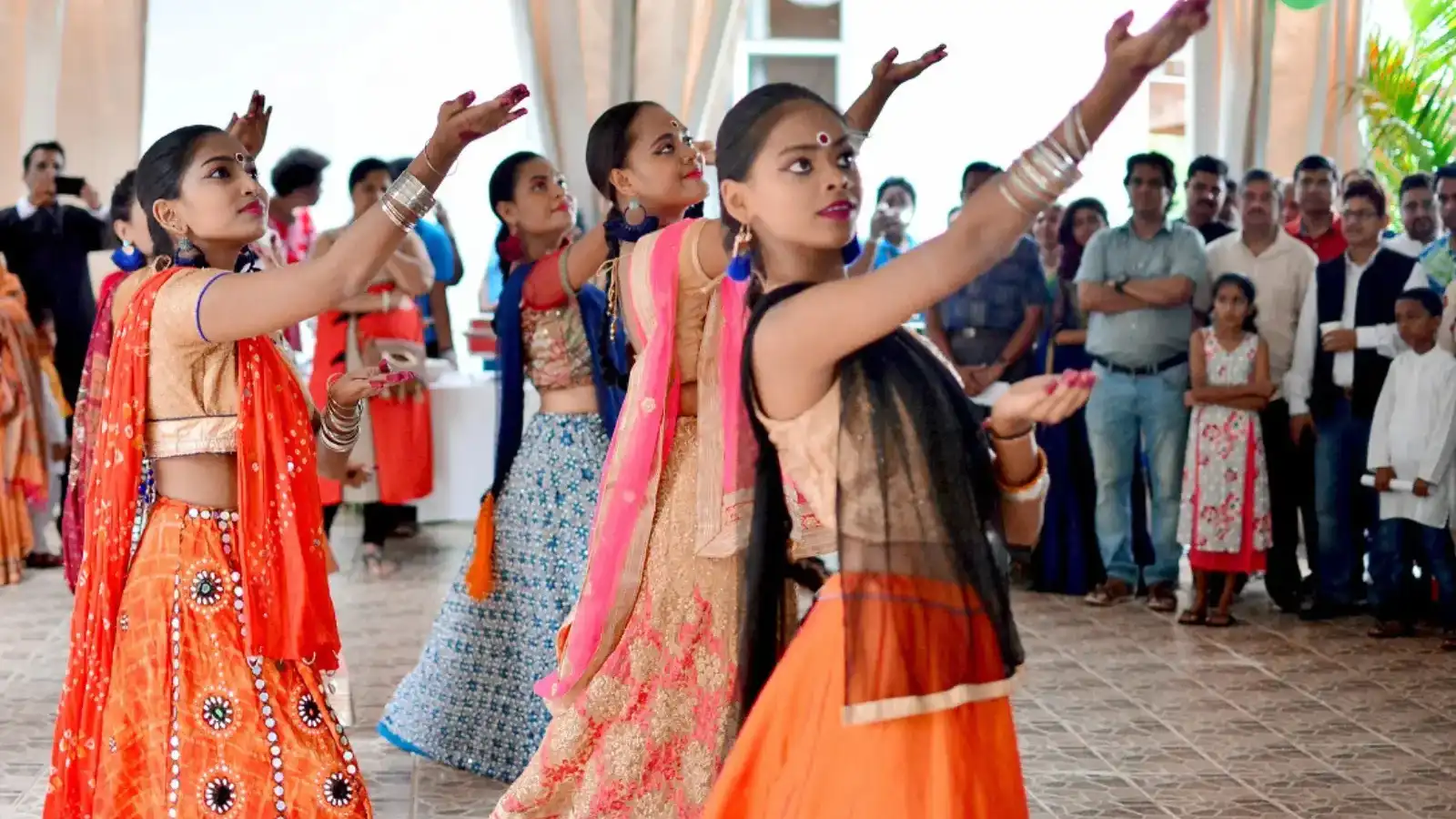
Indo-Fijian dancers performing vibrant Bollywood choreography during a cultural dance night in Nadi, Fiji, showcasing colorful costumes and energetic community celebration
Bollywood-inspired dance performances celebrate Indo-Fijian heritage through colorful costumes, energetic choreography, and community participation

Historical Context: Indo-Fijian Community and Cultural Preservation

From Indentured Labor to Cultural Renaissance

Indo-Fijian community's origins trace to British colonial labor importation system—between 1879-1916, approximately 60,000 indentured laborers transported from India to Fiji working sugarcane plantations under five-year contracts (girmit system). Recruits came primarily from Bihar, Uttar Pradesh, and South India—diverse regional, linguistic, and religious backgrounds (Hindus, Muslims, Christians) forced together creating new hybrid identity. Post-indenture, many remained Fiji establishing agricultural communities, small businesses, and eventually professional careers—by mid-20th century, Indo-Fijians comprised nearly half Fiji's population becoming integral to national economy and culture.

Cultural preservation challenged by: Separation from Indian subcontinent (minimal return migration—too expensive, too distant), linguistic isolation (various Indian languages/dialects merging into Fiji Hindi—simplified grammar, English/Fijian loanwords), and social pressures toward cultural assimilation. However, community maintained identity through: Religious institutions (Hindu temples, mosques, gurdwaras preserving ritual traditions), language retention (Fiji Hindi spoken domestically despite English education), culinary traditions (Indian cooking adapted local ingredients), and performing arts including music, dance, and theater connecting descendants to ancestral heritage.

Role of Performing Arts in Cultural Continuity

Traditional classical arts: First-generation immigrants brought knowledge of Indian classical forms—Bharatanatyam (South Indian dance), Kathak (North Indian dance), classical Hindustani/Carnatic music, devotional bhajans (religious songs). However, formal classical training limited by lack of qualified teachers, economic constraints (learning time-intensive, expensive), and prioritization of economic survival over artistic pursuits. Classical forms largely faded except small communities of practitioners.
Folk and popular traditions: More accessible folk forms thrived—bhangra (Punjabi harvest dance), garba/dandiya raas (Gujarati festival dances), filmi music (songs from Indian cinema). These participatory traditions requiring less formal training, suitable community celebrations, and emotionally resonant connecting Indo-Fijians to Indian cultural identity despite generations removed from subcontinent.
Bollywood's transformative impact: Indian cinema (Bollywood from 1930s onward) became primary cultural connection—movies screened locally, music played on radio, stars idolized by diaspora communities. Bollywood provided: Accessible Indian culture (versus high-culture classical forms requiring specialist knowledge), contemporary relevance (modern stories, fashion, music), emotional connection (Hindi language even when dialectically different from Fiji Hindi), and aspirational lifestyle representations. Dance sequences particularly influential—energetic, visually spectacular, learnable through imitation rather than formal training.

Contemporary Cultural Renaissance

Recent decades witnessed Indo-Fijian cultural revival—younger generation reclaiming heritage after post-coup emigration (1987, 2000 political instability) saw massive population loss. Remaining community invested in cultural preservation: Established dance schools teaching both traditional and Bollywood styles, organized cultural competitions and festivals, utilized social media connecting to global Indian diaspora, and created platforms showcasing Indo-Fijian artistic achievements. Performing arts became assertion of belonging—demonstrating Indo-Fijians integral to Fiji's national identity rather than perpetual outsiders, celebrating cultural difference within multicultural framework, and bridging generational gaps through shared artistic practices.

Types of Bollywood Dance Events in Nadi

Diverse Performance Contexts and Formats

Bollywood-inspired dance experiences in Nadi range from formal theatrical performances to participatory community celebrations. Understanding event types helps travelers choosing appropriate experiences matching interests and engagement levels:

Event Type Description Typical Venues Cost/Access
Resort Cultural Shows Tourist-oriented performances featuring Bollywood medleys alongside Fijian meke, fire dancing. Professional dancers, polished choreography. Large resorts (Sheraton, Radisson, Sofitel), eco-resorts (Smugglers Cove) FJ$50-100 including buffet dinner, weekly schedule
Community Festival Performances Celebrations during Diwali, Holi, Ram Naumi—amateur community troupes, children's groups, devotional themes mixed with contemporary Bollywood. Hindu temples, community centers, school halls Free/donation-based, open to public, informal atmosphere
Dance School Recitals Annual showcases by Indo-Fijian dance academies—students performing Bollywood, classical, fusion choreography. Family-focused events. Theaters, school auditoriums, community halls FJ$10-30 tickets, scheduled recital seasons (June-August)
Wedding Celebrations Private family events with hired professional dancers or family choreographed performances—sangeet nights (pre-wedding music/dance parties). Wedding venues, hotel ballrooms, private homes Private invitation only (rare tourist access unless personal connections)
Nightclub Bollywood Nights Club events featuring Bollywood music, social dancing, sometimes short performances by professional dancers. Younger crowds, party atmosphere. Nightclubs in Nadi, Martintar entertainment district FJ$15-25 cover charge, weekend events, 21+ age restrictions

Finding Current Event Schedules

Resort cultural shows: Most predictable for tourists—fixed weekly schedules (typically Wednesday/Saturday evenings). Check resort websites, call directly, or book through hotel concierge even if staying elsewhere (outside guests usually welcome purchasing dinner packages). Shows combine multiple cultural elements—budget 2-3 hours including meal.

Community events: Less predictable timing—check: Nadi Tourism Office bulletin boards, local newspapers (Fiji Times, Fiji Sun events sections), Facebook pages (search "Nadi cultural events," "Indo-Fijian community Nadi"), temple noticeboards (visit Sri Siva Subramaniya Temple asking about upcoming festivals), word-of-mouth (ask Indo-Fijian business owners, taxi drivers—often know community events).

Dance Styles and Musical Traditions

Understanding Bollywood's Diverse Influences

"Bollywood dance" itself encompasses multiple styles reflecting Indian cinema's eclecticism—classical Indian forms, folk traditions, Western dance influences (jazz, contemporary, hip-hop), and unique filmi (film-style) choreography. Indo-Fijian adaptations further hybridize these already-hybrid forms creating distinctly Pacific Indian expressions:

Classical-Influenced Choreography

Kathak elements: North Indian classical form featuring: Intricate footwork (rhythmic stamping patterns—tatkar), graceful spins (chakkars—multiple rotations), expressive hand gestures (mudras telling stories), and rhythmic tabla accompaniment. Modern Bollywood frequently incorporates Kathak vocabulary—recognizable through precise foot movements and spins.

Bharatanatyam influences: South Indian temple dance contributing: Angular geometric positions, aramandi (half-sitting position creating diamond shapes), precise hand gestures, strong facial expressions (abhinaya), and sculptural quality. Visible in devotional Bollywood numbers or classical fusion pieces.

Indo-Fijian adaptation: Classical training less common Fiji—dancers learn classical-inspired moves through Bollywood choreography rather than formal classical education. Results in accessible approximations versus technically rigorous classical execution. Still beautiful and culturally meaningful even if not classically "authentic."

Folk Dance Traditions

Bhangra: Punjabi harvest dance—high-energy, athletic movements, shoulder shrugs, arm raises, jumping. Traditionally male dance but contemporary Bollywood versions co-ed. Popular wedding celebrations, party numbers. Recognizable dhol (double-headed drum) accompaniment.

Garba/Dandiya: Gujarati festival dances—circular formations, clapping patterns, stick rhythms (dandiya raas uses decorated sticks). Associated with Navratri festival celebrating goddess Durga. Participatory rather than performance-oriented—audiences invited joining circle formations.

Regional variations: Lavani (Maharashtrian), Bihu (Assamese), other regional folk styles occasionally featured. Indo-Fijian dancers may combine multiple regional traditions single performance—panregional Indian identity versus specific state/language identities maintained India.

Contemporary Bollywood Fusion

Western influences: Modern Bollywood heavily influenced hip-hop, jazz, contemporary dance—sharp isolations, floor work, acrobatic elements, synchronized group formations. Item numbers (standalone dance sequences) particularly eclectic mixing multiple styles.

Costume and aesthetic: Elaborate costumes essential Bollywood aesthetic—women wearing lehenga choli (skirt/blouse), saris, or Indo-Western fusion outfits; men in kurta pajama or contemporary costumes. Sequins, bright colors, coordinated group looks, frequent costume changes major productions.

Fijian fusion experiments: Some choreographers incorporating Fijian elements—meke-style hip movements, tapa cloth costumes, fusion music blending Bollywood with Pacific rhythms. Experimental rather than mainstream but represents evolving Indo-Fijian identity acknowledging Pacific Islander context.

Musical Accompaniment

Recorded playback: Most performances use pre-recorded Bollywood film songs—practical necessity (live musicians expensive, songs complex multi-instrument arrangements, popular songs audience recognition). Dancers perform choreography synchronized to familiar soundtracks.

Live music elements: Some events feature live accompaniment—dhol players (Punjabi drums), tabla (classical percussion), harmonium (keyboard instrument), vocals. Typically traditional/devotional pieces versus contemporary Bollywood numbers requiring full production.

Song selection patterns: Performances curate songs by theme—devotional (bhajans, aartis), romantic (love songs), energetic (party numbers), patriotic (Indian nationalism—complex given Fijian context but emotionally resonant for diaspora), regional (Punjabi, Tamil, Bengali songs representing linguistic diversity).

What to Expect During Performances

Event Structure and Audience Experience

Bollywood dance events follow general patterns though specific details vary by venue and occasion. Understanding typical structure helps managing expectations and participating appropriately:

Typical Event Timeline

Arrival and socializing (30-45 minutes): Fiji Time applies—advertised start 7pm, actual beginning 7:30-8pm. Early period for greeting friends, settling in, purchasing snacks/drinks, children running around. Don't stress arriving exactly on time—gradual gathering expected. Resort shows more punctual (fixed dinner service schedules) versus community events (flexible timing).
Welcome and context-setting (5-10 minutes): Emcee/host welcomes audience, explains program, provides cultural context tourist-oriented events. Community events may include prayers (Hindu mantras, Islamic invocations depending religious context), acknowledgments of community elders/sponsors, announcements about upcoming events.
Performance segments (60-90 minutes): Multiple dance pieces—variety of styles, tempos, themes. Professional shows typically 8-12 choreographed numbers with costume changes, lighting effects, coordinated transitions. Community shows more variable—amateur confidence levels ranging from polished to endearingly enthusiastic, possible technical glitches (sound system issues, costume malfunctions), genuine warmth compensating production limitations.
Audience participation (optional, 15-30 minutes): Many events invite audience joining simple group dances—circle formations for garba, line dances, basic Bollywood steps taught quickly. Participation optional but encouraged—joyful inclusive atmosphere, nobody judging dance skills, fun over technique. Resort shows may involve staged "volunteer" selections (lighthearted tourist engagement); community events genuine spontaneous dancing.
Refreshments and mingling (30+ minutes): Post-performance socializing—Indian snacks (samosas, pakoras, sweets), chai tea, soft drinks. Opportunities chatting with performers, families, community members. Prime time for cultural exchange—people happy discussing Indo-Fijian traditions, answering questions, posing for photos. Don't rush departure—social component as important as performance itself.

Dress Code and Etiquette Considerations

Consideration Resort/Tourist Events Community/Temple Events
Dress Code Casual resort wear acceptable—sundresses, linen shirts, sandals fine. Bright colors encouraged matching festive atmosphere. Modest attire essential—covered shoulders/knees, avoid revealing clothing. Traditional Indian clothing welcomed (sari, salwar kameez) but not required.
Footwear Any comfortable footwear acceptable throughout event. Shoes removed entering temples/some community halls. Bring easily removable footwear, socks if uncomfortable barefoot.
Photography Generally permitted, often encouraged. Flash photography during performances may be restricted (ask staff). Always ask permission first—some community members uncomfortable being photographed. Never photograph religious altars, deities without explicit permission. Respect local photography etiquette.
Seating Assigned or first-come seating at tables/chairs. Arrive early better positioning. Often floor seating (mats provided) or plastic chairs. Front rows may be reserved for elders, community leaders—defer to local guidance.
Children Family-friendly, children welcome. Some resorts offer kids' activities during adult performances. Very child-friendly—many children present, playing freely. Communal childcare approach—neighbors help supervising. Mobile babies/toddlers expected, crying normal.

Complementary Indo-Fijian Cultural Experiences

Deepening Cultural Understanding Beyond Dance

Bollywood dance performances provide entertaining introduction to Indo-Fijian culture, but deeper understanding requires exploring broader cultural landscape—religious sites, culinary traditions, handicrafts, and daily community life:

Religious and Spiritual Sites

Sri Siva Subramaniya Temple: Largest Hindu temple Southern Hemisphere—spectacular Dravidian architecture (South Indian style), colorful gopuram (tower), active worship. Visitors welcome outside prayer times—modest dress, shoes removed, respectful observation. Temple shop sells religious items, books explaining Hinduism.

Mosques and Sikh temples: Nadi hosts multiple Islamic mosques (Sunni majority, Shia minority) and Sikh gurdwara reflecting Indo-Fijian religious diversity. Most welcome visitors—call ahead arranging appropriate visiting times, observe religious protocols (women covering hair mosques, everyone covering heads gurdwara).

Festival participation: Major Hindu festivals (Diwali, Holi, Navratri) and Muslim celebrations (Eid ul-Fitr, Eid ul-Adha) feature public components—temple decorations, street celebrations, open houses welcoming visitors. Check tourism calendars scheduling visits during festivals maximizing cultural immersion.

Culinary Exploration

Indo-Fijian restaurants: Nadi hosts numerous Indian restaurants—authentic curries, tandoori dishes, dosas, biryani. Try traditional thali (assorted dishes on platter), roti with various curries, sweets like gulab jamun or jalebi. Some restaurants offer cooking classes teaching curry preparation, spice blending, bread making.

Street food sampling: Local markets, roadside stalls sell popular snacks—samosas, pakoras, bhajias, chana (spiced chickpeas), pani puri (crispy shells filled flavored water). Budget-friendly, authentic, socializing with vendors enhances experience.

Spice shopping: Indian grocery stores throughout Nadi—extensive spice selections, lentils/pulses, specialty ingredients unavailable Western supermarkets. Vendors explain spice uses, provide cooking tips, sometimes share family recipes. Great souvenirs—curry blends, specialty masalas, unique to Fiji spice combinations.

Arts and Handicrafts

Handicraft workshops: Some cultural centers offer workshops teaching traditional crafts—rangoli (colorful floor designs), mehndi/henna application (temporary hand art), garland making (flower decorations), or decorative textile techniques. Hands-on learning provides embodied cultural understanding.

Textile and jewelry shopping: Indian-owned fabric shops sell beautiful saris, salwar kameez fabrics, traditional jewelry (bangles, bindis, earrings). Even if not purchasing, browsing showcases aesthetic traditions—textile patterns, color combinations, craftsmanship details.

Music and film: Indian music stores stock Bollywood soundtracks, devotional music, classical recordings—purchasing albums supports local businesses, provides cultural soundtrack for post-trip memories. Some stores screen Bollywood films—free entertainment, cultural immersion, community gathering space.

Community Interaction

Taxi drivers: Many Nadi taxi drivers Indo-Fijian—engaging conversations about community history, family experiences, contemporary challenges provides personal perspectives beyond tourist information. Ask respectful questions, share your background, authentic exchanges emerge.

Business interactions: Shopping at Indo-Fijian-owned businesses (groceries, restaurants, shops) supports community economically while enabling informal cultural learning. Asking about products, preparation methods, cultural significance transforms commercial transactions into educational opportunities.

Homestay arrangements: Some Indo-Fijian families offer homestays—immersive experience including home-cooked meals, family conversations, participation in daily routines, possible inclusion in family celebrations. Arrange through tourism offices or cultural exchange organizations—deeper engagement than hotel stays.

Frequently Asked Questions

Do I need to know how to dance to attend Bollywood dance events?

Absolutely not—no dance experience required or expected. Observation perfectly acceptable: Many attendees watch appreciatively without participating—completely normal, no pressure joining dances unless comfortable. Performers understand diverse audience comfort levels—tourists unfamiliar with styles, elders preferring watching, children running around versus dancing. Participation opportunities: Events featuring audience participation teach simple steps on-the-spot—circle formations (garba), basic Bollywood moves (arm movements, hip sways, spins), repetitive patterns easily learned. Instructors patient, encouraging, focused on fun over technical perfection. Making mistakes endears you to locals—effort and enthusiasm valued over skill. Social dancing context: Nightclub Bollywood nights more free-form social dancing—people improvising to music rather than choreographed routines. No wrong way moving to rhythm—observe others, join when comfortable, nobody judging technique. Children's example: Watch children—they dance unselfconsciously, joyfully, without worrying about "proper" technique. Adults encouraged adopting similar playful attitude. Dance fundamentally about expression and community rather than performance perfection. Cultural learning mindset: Approach as cultural education rather than dance performance—observing costume details, listening to music styles, noticing facial expressions, appreciating narrative elements. Educational observation equally valuable as physical participation. Accessibility considerations: Physical limitations no barrier attendance—seated observation perfectly appropriate. Mention mobility concerns to organizers—they may arrange preferred seating, modify participation elements, ensure you're comfortable and included regardless physical capabilities.

How do Bollywood dance performances in Fiji differ from those in India?

Diaspora adaptations: Linguistic simplification: India's Bollywood operates primarily Hindi/Urdu with regional language films (Tamil, Telugu, Bengali etc.). Indo-Fijian performances prioritize pan-Indian accessibility—Hindi songs everyone recognizes, minimal regional language specificity reflecting mixed origins of indentured laborers whose descendants identify as broadly "Indian" rather than specific states/regions. Religious syncretism: India maintains strong Hindu-Muslim social divisions despite Bollywood's inclusive messaging. Fiji's smaller Indo-Fijian community necessitates cross-religious cooperation—Hindu and Muslim performers collaborating, events including diverse audiences, religious boundaries more porous than India. Production values: Fiji's limited resources mean: Smaller production budgets (costumes imported or locally made—less elaborate than professional Indian productions), amateur dancers versus Indian professional training, recorded music versus live orchestras, simple staging versus elaborate sets. However, enthusiasm and community spirit compensate technical limitations. Cultural preservation focus: Indian Bollywood constantly evolving—new styles, modern influences, changing aesthetics. Indo-Fijian dance performances sometimes preserve older styles—1970s-1990s Bollywood aesthetics remain popular reflecting generations' formative cultural experiences. Creates interesting temporal dimension—performances time-capsules of earlier Bollywood eras. Pacific Island fusion: Some Fijian choreographers experiment incorporating indigenous elements—meke rhythms, costume elements (tapa cloth incorporated designs), lyrical content referencing Pacific experiences. Emerging hybrid aesthetic unique to diaspora context—wouldn't occur in India but makes sense for Indo-Fijians navigating dual Pacific and South Asian identities. Audience composition: India's Bollywood events predominantly Indian audiences. Fiji's multicultural context means: iTaukei Fijians attending Indo-Fijian events, European tourists participating, cross-cultural audiences creating different energy—educational dimension, mutual cultural curiosity, celebration of Fiji's diversity versus India's internal homogeneity. Comparative value: Neither "better" or "worse" than Indian versions—different contexts producing different expressions. Fiji performances offer authentic diaspora perspective—how communities maintain cultural identity across generations, oceans, and complex histories. Valuable cultural experience distinct from visiting India itself.

Is it appropriate for non-Indians to wear traditional Indian clothing to these events?

Generally welcomed with caveats: Community events: Indo-Fijians typically appreciate non-Indians wearing traditional clothing—demonstrates respect, cultural interest, effort understanding traditions. Saris, salwar kameez, kurta pajama appropriate. However: Wear correctly: Improperly wrapped saris, backwards kurtas, or mismatched combinations may draw attention (amused rather than offended). Consider purchasing and asking shop staff demonstrating proper wearing if unfamiliar. YouTube tutorials available teaching sari draping, turban tying. Avoid religious items: Bindis (forehead dots) have religious significance beyond fashion—wearing without understanding potentially insensitive. Om symbols, deity images sacred—not casual fashion accessories. If unsure, ask Indo-Fijian friends whether item appropriate. Context matters: Festival celebrations, weddings, cultural events—traditional clothing appreciated. Everyday wear around town less necessary—could seem costumey. Match formality to context. Resort shows: Tourist-oriented performances—regular clothing perfectly appropriate. Don't feel obligated purchasing sari specifically for single resort show unless genuinely interested owning traditional clothing. Quality considerations: Cheap costume "Indian" outfits from party stores potentially offensive—caricaturing culture. If wearing traditional clothing, invest in actual Indian garments from reputable sources—supports authentic craftspeople, ensures respectful representation. Alternative—selective elements: Instead of full traditional outfits, incorporate elements—colorful scarf, embroidered shawl, traditional jewelry, ethnic print fabrics. Shows cultural appreciation without risk of incorrect full outfits. Most important—attitude: Respectful wearing of traditional clothing signals cultural curiosity and openness. Combined with genuine interest learning about Indo-Fijian community, most people delighted by effort regardless minor clothing mistakes. Intent matters more than perfect execution. If you do wear traditional clothing and make errors, accept corrections graciously, laugh at yourself, appreciate teaching moments—builds connections rather than creating offense.

Can I learn Bollywood dance during my Fiji vacation?

Limited but possible: Workshops and classes: Some dance schools in Nadi offer drop-in classes or short workshops for tourists—single sessions teaching basic Bollywood choreography, typically 1-2 hours, FJ$30-50. Contact dance academies asking about tourist workshops (not always advertised—direct inquiry necessary). Resort activities: Larger resorts occasionally offer cultural activity sessions including Bollywood dance basics—complimentary for guests, casual learning environment, no pressure perfection. Check resort activity calendars or ask concierge. Private lessons: Professional dancers sometimes offer private instruction—negotiate rates (FJ$50-100+ per hour depending experience), schedule around their commitments, learn personalized choreography or specific techniques. Useful if serious interest or wanting learn specific songs. Online pre-learning: Numerous YouTube tutorials teaching Bollywood dance basics—spend pre-trip weeks learning fundamental moves (basic steps, hand gestures, characteristic expressions). Arriving with basic vocabulary enhances enjoyment watching performances, enables more confident participation. Realistic expectations: Bollywood dance requires: Years developing flexibility and muscle memory, cultural context understanding narrative expressions, music sense for rhythmic accuracy, costume confidence (moving in flowing garments, managing dupatta/scarf). One-week vacation insufficient becoming proficient—think of it as cultural sampling rather than serious training. Post-trip continuation: Many cities globally have Bollywood dance classes—searching "Bollywood dance [your city]" likely finds local schools. Fiji experience can spark long-term interest pursuing after returning home. Some dancers offer online instruction post-vacation if developing relationships during Fiji visit. Alternatives for deeper engagement: If serious dance interest, consider: Extended stay enabling multiple classes, volunteering with dance schools (helping with administrative work exchange for classes), arranging homestay with dancer family, returning to Fiji specifically for intensive training period. Dance schools appreciate committed students, may accommodate serious learners even short-term if demonstrating genuine dedication.

How can I support Indo-Fijian cultural preservation beyond attending performances?

Multiple meaningful actions: Economic support: Purchase tickets to community events (versus only free events), buy refreshments at performances (proceeds support dance groups), donate to cultural organizations (dance schools, temples, community centers accepting donations supporting programming), patronize Indo-Fijian businesses (restaurants, shops, services—economic viability enables cultural maintenance). Amplification: Share positive experiences on social media (tag dance groups, venues—increases visibility attracting larger audiences), write reviews on travel platforms (helps future travelers finding events), recommend to other tourists (word-of-mouth marketing supports sustainability), media engagement (local journalists interested in positive tourism stories—suggest features about cultural performances). Educational engagement: Purchase books about Indo-Fijian history from local bookstores, attend cultural education programs beyond entertainment events, visit museums explaining indenture history and community development, engage substantive conversations with community members learning challenges they face. Advocacy: Support policies promoting cultural preservation—heritage site protection, arts funding, multicultural education, land security for temples/cultural centers. Write government tourism boards praising cultural tourism experiences encountered. Long-term connections: Maintain relationships developed during visits—social media connections with performers, email correspondence with dance schools, potential mentorship or professional connections if relevant expertise, return visits demonstrating sustained interest versus one-off tourist consumption. Respectful curiosity: Most impactfully, approach Indo-Fijian culture with genuine respect and curiosity versus exoticism or condescension—recognize complex history (indenture system brutality, ongoing discrimination challenges, political marginalization), celebrate resilience and achievements, acknowledge contemporary struggles (emigration pressures, cultural transmission challenges, economic disparities), and position yourself as learner rather than judge. Cultural preservation strengthens when outsiders value traditions deeply, creating external support networks reinforcing internal community efforts. For broader understanding of Fiji’s multicultural dynamics, explore how different cultural communities interact and contribute to national identity.

What should I do if invited to a private Indo-Fijian family celebration?

Accept graciously and prepare appropriately: Gift-giving: Bring appropriate gift—Indian sweets from local sweet shop (FJ$15-30 assorted box), flowers (avoid white—associated with funerals), fruit basket, or if knowing family well, something from your home country (unique treats, specialty items unavailable Fiji). Present gift when arriving, using both hands (shows respect). Dress code: Weddings and formal celebrations—traditional Indian clothing appropriate and appreciated if comfortable wearing, otherwise modest formal Western clothing (covered shoulders/knees, avoiding shorts, tank tops). Religious events (puja ceremonies, prayers)—modest conservative clothing mandatory. Casual family meals—clean, neat, respectful clothing sufficient. Arrival timing: Fiji Time applies but don't be excessively late—arrive within 30 minutes of stated time. Hosts accommodate flexible schedules but respect their preparation efforts. Footwear: Remove shoes entering home—universal expectation regardless ethnicity. Observe where others place shoes (usually near entrance), do likewise. Socks acceptable if uncomfortable barefoot. Dining etiquette: Hosts serve guests generously—refusing food potentially offensive. Accept small portions if full rather than declining entirely, express appreciation even if unfamiliar with dishes. Traditional eating uses right hand (left considered unclean historically though not strictly observed contemporary settings)—follow host family's practices. Alcohol: Some Indo-Fijian families strictly abstain alcohol (religious observance, personal choice). Don't bring alcohol gifts unless knowing family drinks. If alcohol offered, acceptable declining or accepting based on personal preference—neither choice offensive. Photography: ASK BEFORE photographing inside home, family members, religious altars. Private space requires explicit permission—public event photography rules don't apply. Some families welcome documentation; others prefer privacy. Respect boundaries graciously. Conversation topics: Positive—family history, Fiji experiences, cultural traditions, food, celebrations, children's achievements. Avoid—contentious politics (coups, ethnic tensions sensitive topics), criticism of religious practices, comparisons positioning India or Western cultures as superior, intrusive personal questions (income, property ownership, marriage prospects). Departure timing: Don't leave immediately after eating—insulting hosts' hospitality. Stay reasonable period socializing (1-2 hours minimum), then thank hosts warmly, express appreciation for generosity. If uncertain appropriate departure time, watch other guests' cues or ask hosts directly—they'll indicate graciously when event winding down. Follow-up: Send thank you message next day (text, WhatsApp, social media), possibly share photos if appropriate and welcomed, maintain connection if genuine friendship developing—reciprocal relationship building versus extractive cultural tourism.

Are there tensions between Indo-Fijian and iTaukei communities affecting cultural events?

Complex history with contemporary nuances: Historical context: Yes, significant inter-ethnic tensions exist rooted in: Colonial divide-and-rule policies (British treating indigenous iTaukei and imported Indo-Fijians separately—different land rights, political representation, economic roles), competition for resources (political power, economic opportunities, land access), and multiple coups (1987, 2000, 2006) having explicit or implicit ethnic dimensions. Many Indo-Fijians emigrated post-coups fearing discrimination and violence. Current situation: Tensions lessened from crisis periods but underlying issues persist: Preferential policies favoring iTaukei (affirmative action justified as indigenous rights versus Indo-Fijian perception of second-class citizenship), land tenure insecurity (Indo-Fijian farmers on expiring leases), political representation debates, economic disparities creating resentments multiple directions. Impact on cultural events: Public celebrations relatively safe: Cultural performances in tourist areas, resorts, established venues operate safely—violence rare, interethnic conflict unlikely disrupting events. Tourism industry incentivizes peaceful multicultural coexistence. Cross-cultural attendance: Some iTaukei Fijians attend Indo-Fijian events out of genuine interest, friendship, or curiosity—not universally segregated. Urban areas like Nadi more mixed than rural regions. Younger generation often more open cross-cultural engagement than older generations carrying historical grievances. Subtle tensions: May observe: Informal seating patterns (ethnic clustering rather than mixing), limited deep cross-cultural friendships despite surface cordiality, avoidance of political discussions at public events, code-switching between formal public harmony and private community expressions of frustration with other groups. Tourist perspective: Visitors rarely experiencing inter-ethnic tensions directly—tourism sector professionally maintains welcoming facade regardless underlying tensions. However, understanding historical context enriches cultural appreciation—recognizing that Indo-Fijian cultural preservation occurs within politically fraught environment where community has faced discrimination, displacement pressures, and ongoing marginalization. Cultural expressions represent resilience amidst adversity rather than simple entertainment. Respectful engagement: Don't probe about ethnic tensions unless community members voluntarily discuss. Don't take political sides as uninformed outsider. Appreciate both iTaukei and Indo-Fijian cultures without positioning them as competing for tourist attention. Support multicultural vision of Fiji where all communities coexist with equal dignity. For understanding broader multicultural dynamics, explore resources about iTaukei culture as well, recognizing Fiji's identity comprises multiple interwoven traditions.

Where can I purchase Bollywood music and films to take home?

Physical and digital options: Local music/DVD shops: Nadi's Indian-owned electronics and media stores stock: Bollywood film DVDs (new releases, classic films, FJ$10-20 each), music CDs (film soundtracks, devotional albums, classical music, FJ$8-15), and occasionally vinyl records (older releases, collectibles). Cumming Street area, Martintar shopping district good starting points. Quality considerations: Verify: Region coding (DVDs region-specific—check compatibility with home players, region-free players widely available online if needed), authentic versus pirated copies (support legitimate productions when possible though piracy common—price indicators, packaging quality), and subtitles availability (not all Indian films have English subtitles—ask before purchasing if language barrier concern). Customs and copyright: Personal use purchases legal—no issues taking reasonable quantities home. Commercial quantities (reselling) require different regulations. Keep receipts proving legitimate purchase versus piracy. Digital alternatives: Streaming services increasingly accessible globally—Spotify, Apple Music, YouTube Music have extensive Bollywood catalogs. Netflix, Amazon Prime Video, Disney+ Hotstar stream Bollywood films. Physical purchases becoming less necessary given digital availability though supporting local retailers has economic value. Cultural context items: Beyond entertainment media, consider: Bollywood dance instruction DVDs (learning choreography post-trip), documentary films about Indo-Fijian community, Indian classical music introductions (understanding Bollywood's musical foundations), and books about Indian cinema history, cultural significance. Language learning: Some stores sell Hindi language learning materials—helpful understanding film dialogues, song lyrics, deeper cultural engagement. Fiji Hindi differs from standard Hindi but basic vocabulary still useful. Souvenir value: Even if not regularly consuming Bollywood media at home, soundtrack albums or films make meaningful souvenirs—remind of cultural experiences, conversation starters with visitors seeing your collection, introduce friends to cultural traditions you encountered. After enjoying Bollywood performances in Nadi, consider complementing with other cultural experiences like exploring tropical gardens or sampling diverse cuisines at local cafes.

Bollywood Dance Event Preparation Checklist

Before Attending:

  • Research current event schedules (tourism offices, social media)
  • Book resort shows in advance if dining included
  • Prepare modest clothing (covered shoulders/knees for temples)
  • Bring cash (entry fees, donations, purchases)
  • Learn basic Hindi greetings ("Namaste", "Shukriya")
  • Adjust expectations (Fiji Time—flexible start times)

What to Bring:

  • Camera (ask permission before photographing)
  • Comfortable clothing (bright colors welcomed)
  • Cash for snacks/drinks/donations
  • Easily removable footwear (temple events)
  • Open mind and enthusiasm for participation
  • Gift if invited to private celebrations

During Event:

  • Arrive slightly late acceptable (Fiji Time)
  • Remove shoes entering temples/some halls
  • Participate in group dances if comfortable
  • Ask permission before photography
  • Purchase refreshments supporting community
  • Stay for post-performance socializing

Cultural Respect:

  • Observe dress codes (modest for religious contexts)
  • Avoid political discussions about ethnic tensions
  • Accept offered food graciously
  • Respect religious protocols and altars
  • Engage with genuine curiosity and respect
  • Support Indo-Fijian businesses and cultural initiatives

Celebrating Cultural Resilience Through Dance

Bollywood dance performances in Nadi transcend mere entertainment—representing profound cultural preservation efforts by Indo-Fijian communities maintaining ancestral connections across 145+ years and seven generations removed from Indian subcontinent. These colorful celebrations embody resilience—communities preserving languages, religious traditions, artistic expressions, and culinary practices despite historical traumas of indenture, political marginalization, emigration pressures, and ongoing struggles for recognition and belonging within Fijian national identity. Each dance step, costume detail, and musical note carries layered meanings—connecting performers to ancestors who survived brutal labor conditions, asserting contemporary cultural legitimacy within multicultural Pacific nation, transmitting heritage to younger generation navigating globalized modernity, and creating joyful communal spaces reinforcing social bonds amidst economic and political uncertainties.

Attending Bollywood performances as respectful outsider provides meaningful cross-cultural engagement—appreciating artistic beauty while recognizing complex histories shaping contemporary Indo-Fijian experiences, supporting cultural preservation through economic participation and amplification, learning about diaspora identity formation processes relevant globally, and challenging simplistic "paradise island" tourism narratives by acknowledging Fiji's social complexities. Approach these events with curiosity, humility, and genuine interest in people beyond performance spectacle—building relationships with community members, asking thoughtful questions about cultural significance, supporting ongoing preservation efforts, and carrying lessons about cultural resilience, hybrid identity formation, and dignity amid adversity beyond Fiji's shores. For comprehensive understanding of Nadi's cultural landscape, explore complementary experiences including religious sites, culinary traditions, handicrafts, and daily community life recognizing performing arts exist within broader cultural ecosystems requiring holistic appreciation. Namaste and Vinaka for engaging respectfully with Indo-Fijian heritage and supporting multicultural celebration strengthening both community and visitors through shared cultural exchange.