Natural Swimming Near Nadi: Verified Waterfalls, Access and Safety
Natural swimming near Nadi is spread across several different locations rather than centred on one named attraction. One of the clearest options is Koroyanitu National Heritage Park at Abaca Village. Other possibilities include selected Nausori Highlands tours and Biausevu Waterfall farther south on the Coral Coast. Access, trail conditions and swimming suitability can change, particularly after rain, so each trip should be checked separately before arranging transport.
Named Places, Practical Access and Freshwater Safety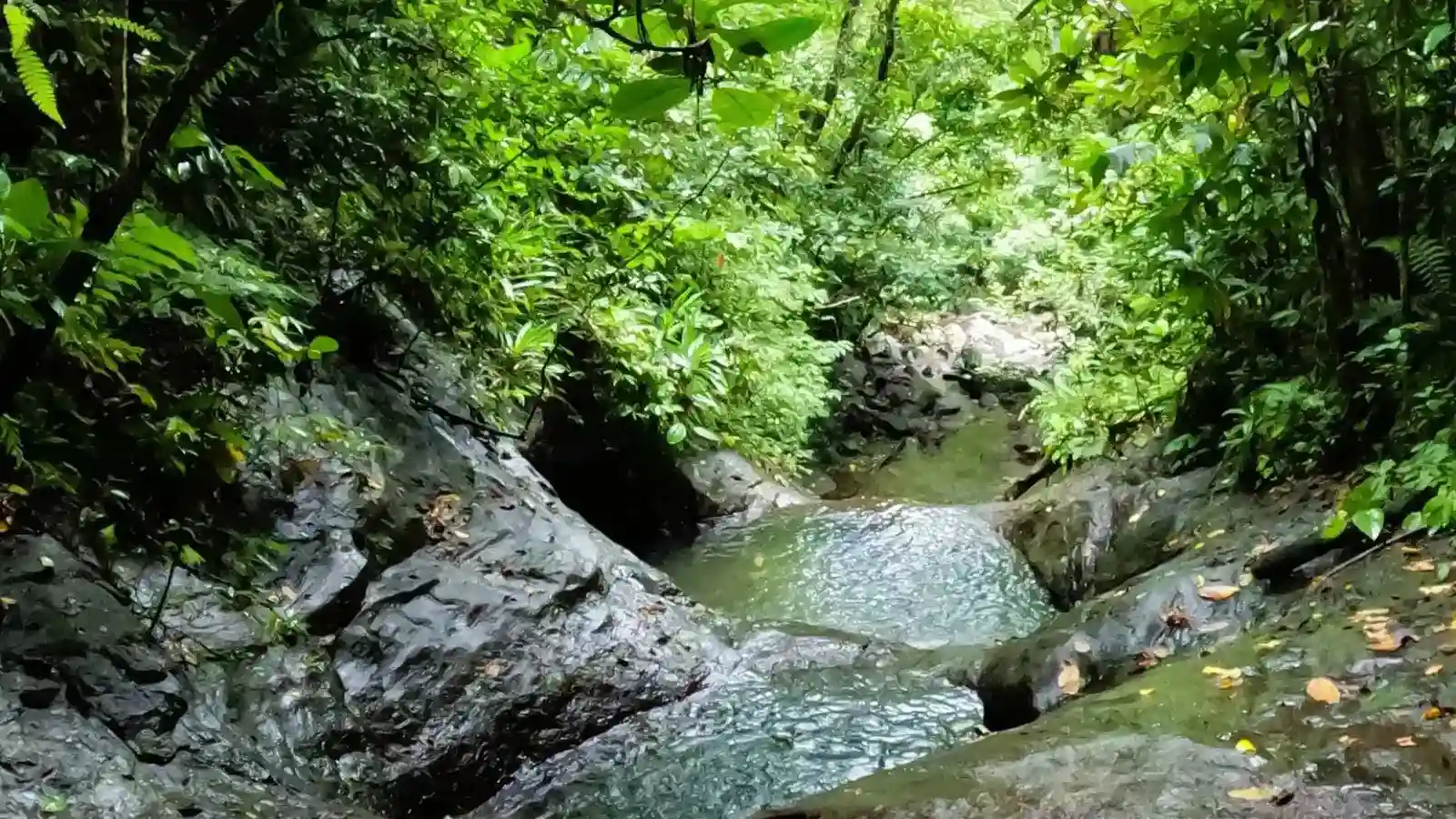
Access details, published park rates and health guidance were checked on 24 July 2026. Confirm same-day trail, road and swimming conditions before leaving Nadi.
The short answer
Choose Koroyanitu if you want the clearest independent plan and a visitor centre. Choose a Nausori Highlands tour if you want transport and local arrangements handled for you, but verify that the exact itinerary includes a waterfall. Choose Biausevu if a named, established waterfall matters more than staying close to Nadi. For warm pools without a waterfall hike, compare the Sabeto Mud Pools instead.
Compare the Main Options
| Place | What is verified | Main limitation | Best fit |
|---|---|---|---|
| Koroyanitu Heritage Park | Visitor centre at Abaca Village, named waterfall trails, swimming holes, current entry information and optional guides. | Rough access road, uneven tracks and conditions that change after rain. | Travelers who want a defined route and can manage a two- to three-hour hike. |
| Nausori Highlands | Guided highland itineraries exist, and some include a village visit and waterfall swim. | Not every tour with “Nausori Highlands” in its name includes a waterfall. | Visitors who prefer arranged transport and a guided day. |
| Biausevu Waterfall | A named 20-metre, two-tiered waterfall reached from Biausevu Village by an approximately 30-minute walk. | It is on the Coral Coast, so the return journey from Nadi takes a substantial part of the day. | Travelers who prioritize a well-established waterfall over proximity. |
| Sabeto Mud Pools | An established mud and thermal-pool experience near Nadi. | It is not a forest waterfall or a clear freshwater swimming hole. | A lower-effort warm-water alternative. |
1. Koroyanitu Heritage Park: The Most Practical Choice
Koroyanitu is the strongest answer to a vague search for natural pools near Nadi because it has a real arrival point, managed trails and people who can advise on current conditions. Abaca Village is about 15 km inland from Lautoka and roughly an hour by road from Nadi in normal conditions. The visitor centre is the starting point for the park’s walks.
Two shorter routes lead toward Tunutunu and Savu-i-One waterfalls. Published descriptions vary slightly, placing the waterfall outing at about two to three hours return. That is a sensible planning range rather than a guaranteed finish time. Mud, stream levels, group pace and stops can all change it.
Current published costs
The park’s trip-planning page, checked on 24 July 2026, lists tourist entry at FJ$25 per person and a waterfall-hike guide at FJ$25 per person. Payment is listed as cash only. These are published rates, not permanent prices, so confirm them with the park before travel.
The office is currently listed as open daily from 7:00 am to 5:00 pm. A guide is recommended but not presented as compulsory for every waterfall walk. Hiring one is still sensible for first-time visitors because the guide can match the route to rainfall, explain which pools are suitable that day and help with village protocol. Do not treat a map pin or an old review as permission to enter any side trail or pool.
The road to Abaca has been improved, but the park still recommends a four-wheel-drive vehicle or a driver familiar with the route, especially in wetter months. Arrange the return trip before setting out. If you are first traveling through Lautoka, remember that public transport to the city does not solve the final mountain-road section to Abaca. A direct hired vehicle or a return driver arranged with the park is more practical than combining a public bus with an unconfirmed onward ride.
2. Nausori Highlands: Book the Exact Itinerary
The Nausori Highlands cover a broad inland area rather than one attraction with a single entrance. Tourism Fiji describes hikes to viewpoints and waterfalls, recommends exploring with a local guide, and identifies guided itineraries that may include a village visit, lunch and a waterfall swim. It currently points to Talanoa Treks for guided highland itineraries and describes a Taster Tours day trip with a waterfall stop. Availability and exact routes can change, so use those names as starting points for verification rather than as a promise that a particular tour runs every day.
The important booking trap is the tour name. Some products sold as a “Nausori Highlands” or “Valley of a Thousand Hills” trip concentrate on four-wheel-drive scenery and viewpoints. A waterfall is not automatically included. Before paying, ask the operator to identify the waterfall or village, confirm whether swimming is normally allowed and state the walking time in both directions.
Get these details in writing
- The operator’s name, phone number and pickup point.
- The exact waterfall or community being visited.
- Whether the price includes transport, entry, guide, meals and any village contribution.
- The walking distance, terrain and minimum age or fitness requirements.
- Whether swimming is permitted and how the operator handles heavy rain.
- The cancellation or replacement plan if the road, trail or water is unsafe.
Do not rely on a hotel employee, taxi driver or social-media message that offers only an unnamed “secret pool.” A legitimate arrangement should still provide a responsible contact, destination, inclusions and a clear safety plan.
3. Biausevu Waterfall: Farther Away, Easier to Identify
Biausevu Waterfall, also called Savu Na Mate Laya Falls, is on the Coral Coast rather than in Nadi. It remains useful in this comparison because it solves the main problem with vague “hidden pool” claims: the place is named, the access begins at Biausevu Village and the route is established. Tourism Fiji describes a roughly 30-minute rainforest walk to a 20-metre, two-tiered waterfall and swimming hole.
Visitors can arrive independently or use a tour, but entry and guide arrangements are handled at the village. Confirm the current fee and accepted payment method before leaving Nadi. Allow a full day for the return drive, village formalities, walk and time at the falls. This is not the right option for a short airport layover.
Freshwater Swimming Is Never Guaranteed Safe
Clear water is not proof that a pool is safe. Water depth, current, submerged branches, slippery rock and upstream contamination may not be visible. Most inland swimming holes have no lifeguard, depth marker or rapid emergency access. Ask the visitor centre or guide for same-day advice and stay out if the water is fast, newly swollen, unusually muddy or closed to swimming.
Fiji’s Ministry of Health warns that leptospirosis can spread through water or soil contaminated by infected-animal urine. The ministry notes that risk rises during the rainy season as runoff reaches waterways. This does not mean every waterfall is contaminated, but it does mean that no page should promise that untreated freshwater is clean or safe. Read the broader Fiji health and safety guide before planning remote swimming.
Stay out of the water when conditions are doubtful
- Avoid freshwater swimming after heavy rain, flooding or a local health warning.
- Do not enter with open cuts or broken skin, and do not swallow untreated water.
- Do not jump or dive into an unfamiliar pool; depth and submerged hazards can change.
- Keep children within arm’s reach; an easy walking trail does not make the pool child-safe.
- Leave immediately if rain intensifies upstream or the current, colour or water level changes.
Conditions are often drier from May to October, but a “dry-season” label is not a same-day safety check. Review the Fiji weather guide, then ask locally about recent rain in the actual catchment you will visit.
Village Access Without Guesswork
Some waterfall routes begin on or cross village land. The respectful approach is simple: use the visitor centre or a named operator and follow the host community’s instructions. Do not drive into an unfamiliar village and ask residents to reveal a “secret” pool.
For Abaca, current guidance recommends carrying a sulu to wear within the village. A small sevusevu gift is described as respectful but not essential for the standard park visit. Requirements can differ elsewhere. Ask the organizer whether they handle the introduction or expect visitors to bring anything. Dress modestly, remove hats and sunglasses when requested, and ask before photographing people, homes or ceremonies.
What to Bring
- Footwear: closed hiking shoes with reliable grip; separate water shoes if the organizer recommends them.
- Water: enough drinking water for the drive and hike; do not plan to drink from streams.
- Clothing: light hiking clothes, swimwear, a sulu and a complete dry change.
- Weather protection: hat, sunscreen and a light rain layer.
- Health items: insect repellent, basic first aid and any personal medication.
- Practical items: towel, waterproof phone pouch, rubbish bag and cash in small denominations.
Our complete Fiji packing list covers the wider trip. For a waterfall day, prioritize grip, drinking water and dry clothing over beach-only gear.
If You Do Not Want a Remote Freshwater Hike
Sabeto is the easier choice near Nadi when the goal is a warm outdoor soak rather than a waterfall trek. It has established mud and thermal pools, but it should not be described as a hidden freshwater swimming hole. It also pairs more naturally with the Garden of the Sleeping Giant than with a rushed attempt to add a remote highland hike to the same day.
FijiEco Verdict
For most visitors based in Nadi, Koroyanitu is the best starting point because the destination, access point, trail choices and current fees can all be checked before departure. A Nausori Highlands tour can be worthwhile when the exact itinerary is documented. Biausevu is the stronger choice for travelers willing to spend longer on the road for a clearly identified waterfall. What FijiEco cannot responsibly recommend is paying for an unnamed “hidden pool” on the strength of a generic description, an attractive photograph or a guarantee that freshwater swimming is safe.
Verification Sources
- Koroyanitu Heritage Park, Plan Your Trip for current entry, guide, cash-payment, transport, office and contact information.
- Tourism Fiji, How to Hike Koroyanitu Heritage Park for trail names, approximate duration, village guidance and route conditions.
- Tourism Fiji, Nausori Highlands for guided hiking and waterfall-itinerary information.
- Tourism Fiji, Fiji’s Best Waterfalls for Biausevu access, walking time and waterfall description.
- Fiji Ministry of Health, Leptospirosis Advisory for freshwater, contaminated-water and rainy-season health guidance.
- Tourism Fiji, Fijian Village Visit Etiquette for dress, photography and village protocol.