Fijian Pottery: Planning a Visit from Savusavu
Written and researched by Yevhen Derkach
Last updated and fact-checked: .
For a bookable Fijian pottery demonstration with a hands-on option, plan a visit to Lawai Pottery Village near Sigatoka on Viti Levu. Savusavu is on a different island, Vanua Levu, so this belongs in the mainland part of your trip. While staying in Savusavu, explore local craft stalls, arrange an artist’s studio visit or join a village outing through your accommodation.
As of October 2026, we did not find a currently published Savusavu pottery workshop with a bookable schedule and price.
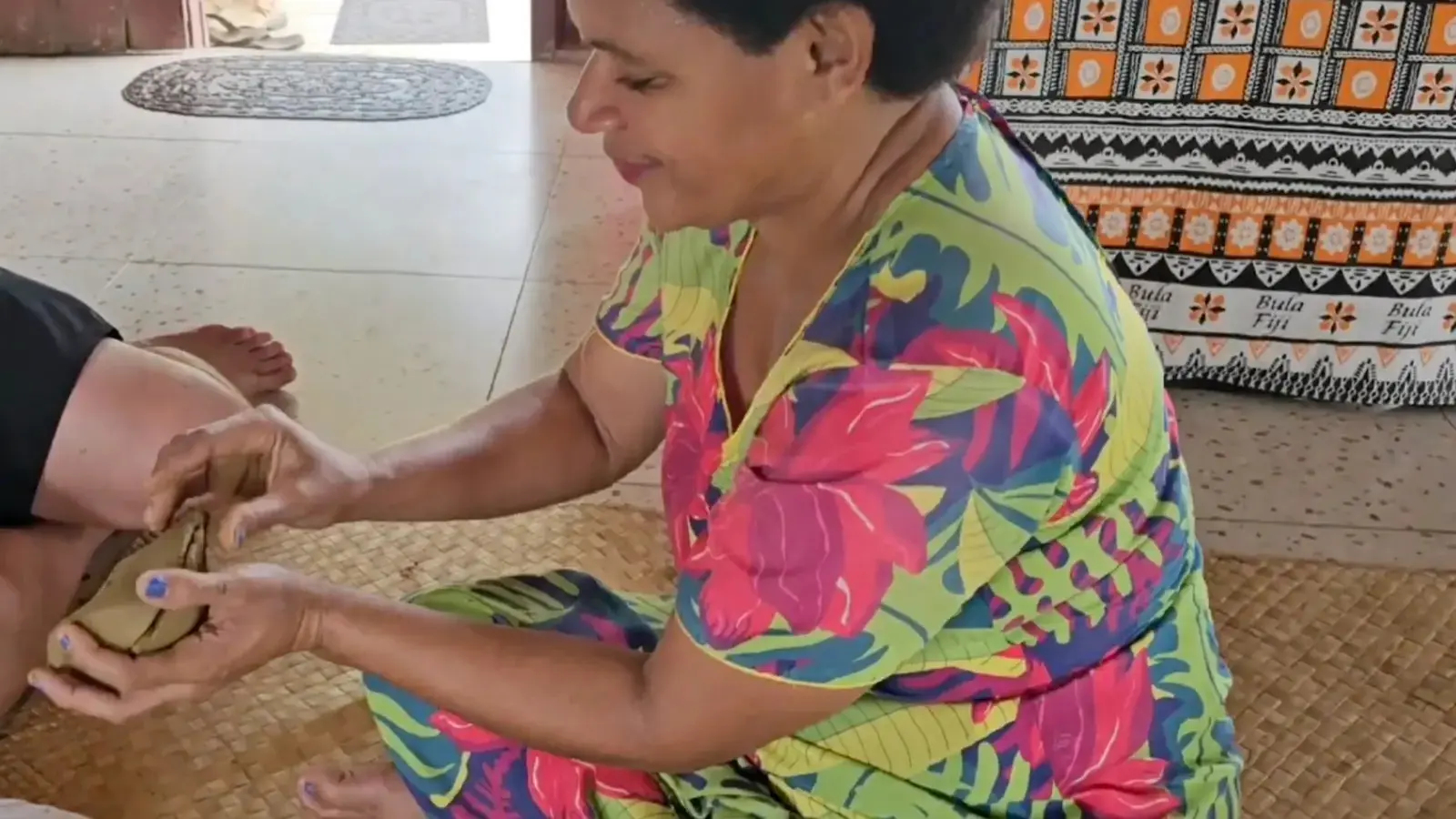
Where to go for a traditional pottery visit
Lawai: a published tour with a hands-on option
OUTRIGGER Fiji Beach Resort lists a Lawai Pottery Village tour on Mondays and Thursdays, 10 am to noon, with a minimum of five participants. The outing includes road transfers back to the resort, a pottery demonstration and a village welcome with cultural performances. Making your own pottery is a separate add-on. Arrange it through the resort’s booking desk; guests can use extensions 8800 or 8121.
If you are staying elsewhere, email [email protected] about joining and the meeting point. The listing is a resort excursion, so get an accepted booking before traveling to the hotel.
Nakabuta and Nasilai: other pottery traditions on Viti Levu
Nakabuta, in the Sigatoka Valley, is another documented pottery-making village. Our Nakabuta pottery guide covers that destination separately. Nasilai, in the Rewa area, is known for its pottery families and water vessels. Arrange a hosted visit through a guide working in the Rewa area.
For a trip centered on Savusavu, put the pottery outing before your flight to Vanua Levu or after your return to Viti Levu. Keep a separate travel day between the islands when planning the workshop and road journey.
Crafts and cultural visits in Savusavu
Market craft stalls and town shops
The town center is the easiest starting point. Browse the handicraft area at the Savusavu market and the craft shops behind the bus and taxi area. Saturday brings the busiest market trade. Ask who made an item, which village it comes from and what material was used.
Northern crafts include kuta mats, pandanus weaving and masi barkcloth. Na Vualiku’s account of women-led cultural enterprises describes how these materials and skills connect products to the communities of Vanua Levu and Taveuni. A market visit is a chance to meet makers and buy their work; arrange a lesson separately if learning a technique is your goal.
Artist studios by appointment
The Savusavu Tourism Association’s art directory lists local makers working in several materials. Shane Bower’s studio visits are by appointment; Lynne McLaren makes cast-concrete bowls and other objects. A bowl-shaped object can be concrete, wood or ceramic, so describe the material and activity you want when requesting an introduction. Use the association’s homepage contact form for local contacts.
A village outing or guest cooking class at Savasi
Savasi’s 2026 activity list offers a guided Nukubalavu Village Tour with song and dance, plus a town-and-market outing. Its guest cooking class is a separate way to learn a local skill. Arrange these cultural activities with the resort team while staying in Savusavu.
Published prices and what they cover
| Experience and island | Published price | Included or extra |
|---|---|---|
| OUTRIGGER: Lawai pottery tour Viti Levu | FJ$60 adult / FJ$30 child | Resort return transfers, demonstration, village tour, guide, welcome ceremony, performances and bottled water. |
| Make your own pottery Lawai tour add-on | FJ$15 add-on | Additional clay-making activity. Ask how firing and collection are handled. |
| Savasi: Nukubalavu Village Tour Vanua Levu | FJ$60 adult / FJ$30 child | A village and cultural outing; the price list includes return road transport. |
| Savasi: Savusavu Town & Market Vanua Levu | FJ$40 adult / FJ$20 child | Resort-arranged town outing and return transport. Shopping is extra. |
| Savasi: guest cooking class Vanua Levu | No activity charge for guests | A cooking activity offered within the resort’s guest program. |
Savasi’s child rate applies to guests aged 12 and under. Its charged activities are billed to the room and depend on minimum numbers and operating conditions. For OUTRIGGER, include the separate clay-making add-on in your booking if wanted. Neither operator’s listed activity price includes travel between Vanua Levu and Viti Levu.
For an independently arranged studio or village visit, get one quote covering the host’s fee, lesson materials, transport, waiting time and any firing or shipping. Carry Fijian-dollar cash for purchases from individual makers and ask the seller about card payment.
Getting there and returning to your next connection
Around Savusavu
Walk between the market, town craft shops and waterfront if you are already in central Savusavu. Taxis gather between the bus stand and market; accommodation outside town can arrange a taxi or its own shuttle. For a home studio or village appointment, send the driver the host’s exact meeting point and agree on a return pickup.
Public buses accept a loaded eTransport card or QR payment through a funded eTransport app wallet. Prepare your payment method before boarding, tell the driver your destination and keep your ticket or receipt. For QR, scan the code on the onboard payment terminal, check and pay the fare, then present your receipt QR to the same device. Vodafone’s app FAQ explains the payment steps.
Savasi and its village excursion
Savasi is reached by road via its private bridge off the Hibiscus Highway. The resort places it about 10 minutes from Savusavu Airport. For activities and access, use [email protected] or +679 8850 124. Travelers staying elsewhere should arrange participation before setting out.
From Savusavu to the Coral Coast
First travel from Savusavu Airport (SVU) to Nadi (NAN) on the domestic network, then take a road transfer toward Sigatoka and your Coral Coast meeting point. Use Fiji Airways for flights that fit your dates.
From Nadi Airport, a booked transfer or taxi gets you to OUTRIGGER for its arranged village outing. The resort’s FAQ gives about 70 minutes for its airport drive. For a separate village booking from Nadi, Denarau or a Coral Coast hotel, arrange direct return transport to the named village.
If a flight, ferry or cruise departure follows the visit, give the organizer your required check-in or all-aboard time. OUTRIGGER advises leaving its resort four hours before a flight departure. For a Savusavu outing, allow for the full road journey back to your airport or wharf; for a Viti Levu pottery visit, include the onward road leg as well as any domestic connection.
Booking a pottery demonstration or a hands-on lesson
A demonstration lets you watch an artisan work. A hands-on lesson gives you clay and instruction time. A tour described as a village visit can include cultural performances without giving every participant a pottery session. Name the experience you want when booking, then settle these details together:
- Participation: who will teach, whether you shape your own piece, and how much time is spent working with clay.
- Meeting arrangements: exact village or studio, pickup address, start and finish times, and return transport.
- Your group: number of people, children’s ages, language needs and any seating or mobility requirements.
- The piece afterward: whether firing is included, when it will be ready, and the cost of collection or shipping.
For a local village visit, arrange access through the village representative, your guide or your accommodation. A driver can take you to a village, but the visit also needs a host who has agreed to receive you.
What to look for in Fijian pottery
Fiji’s pottery heritage reaches back roughly three millennia to the Lapita period. The techniques, shapes and decoration developed over time. Today’s pottery traditions have their own village and family histories, which makes the maker’s explanation as valuable as the finished object.
The Fiji Heritage Stone Report records a 2024 demonstration at Nasilai in which the potter uses a tool called a tata to shape clay and applies dakua tree resin as a finish. Watch how the artisan forms the body and opening, adds decoration and explains the treatment of the surface.
Research at Nasilai documents both traditional vessels and contemporary forms, including beads and wall hangings. Ask the artisan what your chosen shape is called, how it was formed, what the decoration represents and how the knowledge was taught. Their answers connect the piece to its maker and community.
Buying pottery and taking a piece home
If you are departing soon, buy a finished, fired piece. Newly shaped clay needs drying and firing; agree on later collection or shipping before making something you hope to keep.
- Choose by maker and material: ask who made the item and where. Ceramic, concrete and carved wood need different care.
- Ask about use: get the maker’s instructions for cleaning and whether the piece is intended for food, water or decoration.
- Pack each item separately: cushion the body, rim and any projecting handles, and use a rigid box with no room for the piece to move.
- Keep the seller’s details: photograph the item and retain a receipt, especially if firing or delivery will happen after you leave.
Clothing, village etiquette and practical access
For a village visit, wear clothing that covers your shoulders and knees, and bring a sulu or sarong. Remove hats and sunglasses in the village, take shoes off when entering a home and ask before photographing people. Arrange the sevusevu with your guide or host so you know whether the traditional kava gift is already provided. Our Fiji cultural etiquette guide explains the welcome and seating customs.
Bring water, comfortable shoes, cash and a small bag for a wrapped purchase. For hands-on clay work, choose clothes that can get marked and keep your phone away from wet clay. Let the artisan show you where tools, finished pots and any firing area can be approached.
If you need a chair, step-free access or help using your hands, describe that when booking. A home workshop can involve sitting on floor mats; the host can explain the actual setup. Families should give children’s ages so the host can plan a suitable session.
Frequently asked questions
Is a pottery demonstration the same as a pottery class?
A demonstration is mainly watching the artisan. A class or hands-on add-on gives you time to shape clay yourself. Include participation in the booking if that is what you want.
Can I take home the pot I make that day?
Plan collection or shipping with the maker before the session. Newly formed clay needs drying and firing. A finished, fired piece is the practical choice when your departure is close.
Do I need pottery experience?
For an introductory session, explain that you are a beginner and book an activity with instruction. An observation-only village tour does not automatically include a taught lesson.
Sources
Operator pages support the visit arrangements and published prices. Museum, research and cultural sources provide the background on pottery and northern crafts.
- OUTRIGGER Fiji Beach Resort: activities: Lawai pottery tour, published schedule, prices, minimum group and hands-on add-on.
- OUTRIGGER Fiji Beach Resort: FAQ: Road transfer options from Nadi and the resort’s airport departure guidance.
- Savasi Island Resort: 2026 activity pricing (PDF): Nukubalavu village and town-market tours, guest cooking class, child-rate age and return transport.
- Savasi Island Resort: FAQ: Private bridge access, distance from the airport and guest cultural activities.
- Savusavu Tourism Association: art and craft: Local artists, materials, studio appointments and town craft makers.
- Savusavu Tourism Association: shopping: Central market, Saturday visits and handicraft shops near the bus and taxi area.
- Savusavu Tourism Association: villages and culture: Arranged village access through a representative or resort.
- Na Vualiku: women-led cultural enterprises: Northern craft traditions, kuta, pandanus and masi, including Savusavu market artisans.
- Savusavu Tourism Association: getting around: Walkable town center, taxi rank, bus stand and resort shuttles.
- Savusavu Tourism Association: flights: Domestic links between Nadi and Savusavu, and arrivals through Labasa.
- Vodafone Fiji: eTransport app FAQ: Physical cards and funded-wallet QR payments on public buses.
- Tourism Fiji: village visit etiquette: Sevusevu, clothing, hats, shoes, photography and host instructions.
- Fiji Heritage Stone Report, 2024 (UNESCO-hosted PDF): Documented pottery-making at Nasilai and the development of forms and techniques.
- Queensland Art Gallery: Fijian pottery, APT10 catalogue: Lapita heritage, Nasilai water vessels and family transmission of pottery knowledge.
- ACP-EU Development Minerals Programme: Fiji (PDF): Documented support for pottery communities on Viti Levu, including Nakabuta.
Found an outdated detail or an access change? Send FijiEco a correction.