Sigatoka Rugby: Lawaqa Park and the Coral Coast Sevens
Written and researched by Yevhen Derkach
Last updated and fact-checked: .
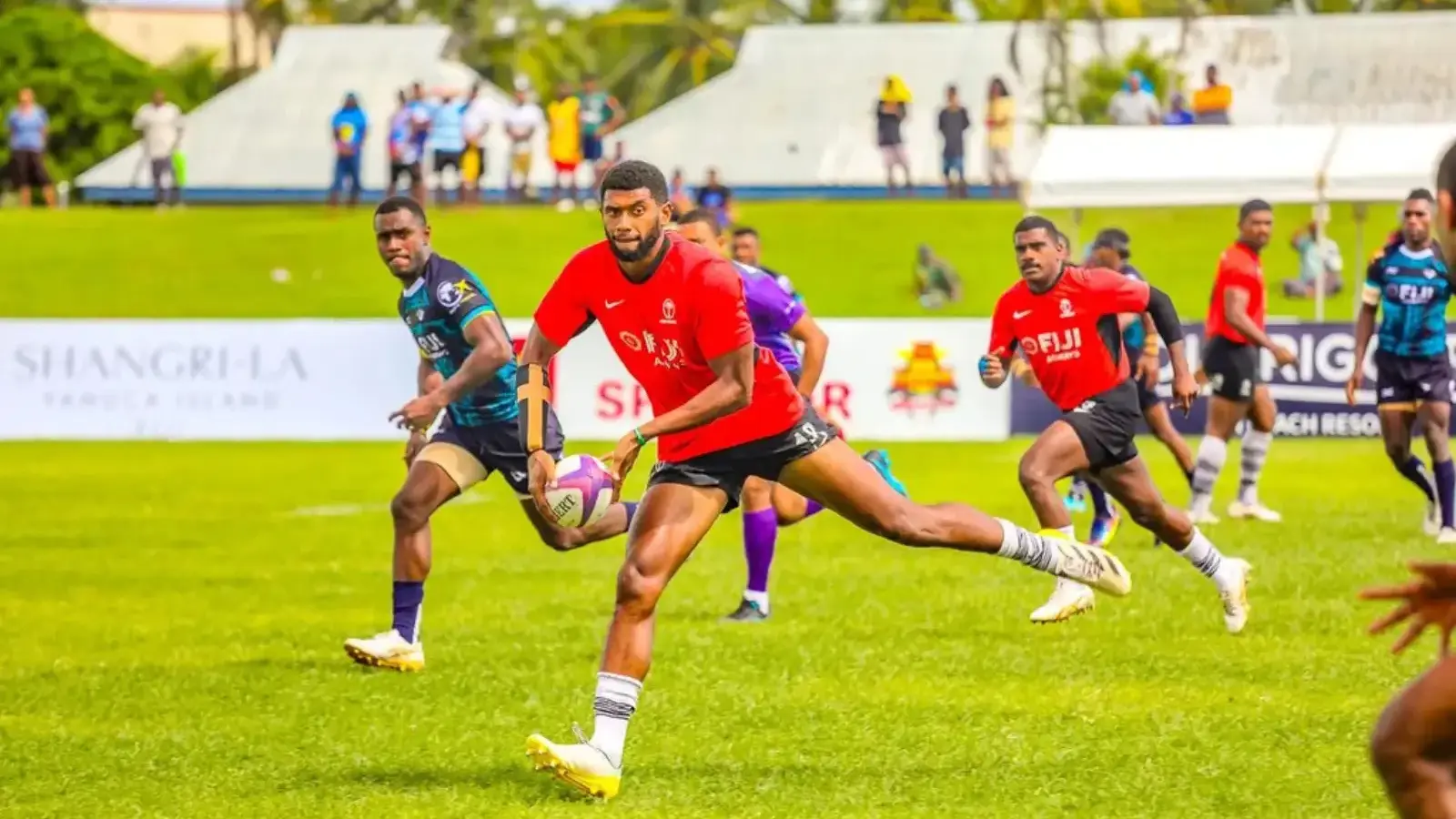
To watch rugby in Sigatoka, start with Lawaqa Park. The town's stadium hosts the Coral Coast Sevens and provincial rugby fixtures. The next McDonald's Coral Coast Fiji 7s runs from 14 to 16 January 2027, with free public admission. For a visit outside those dates, choose a fixture that names Lawaqa Park as the venue before arranging your trip.
Where is Lawaqa Park?
Lawaqa Park is in Sigatoka town, near the Sigatoka Police Station and Court House. Use the stadium map linked by the tournament organizer for the entrance, or tell your driver you want Lawaqa Park rather than a beach resort elsewhere on the Coral Coast.
Coral Coast Sevens 2027: dates, entry and the draw
The organizer has announced 14–16 January 2027 at Lawaqa Park, with free admission for the public. This is a three-day tournament. Use the official tournament information for spectator arrangements; a paid general-admission ticket is not required.
The event brings men's, women's and youth sevens to the same tournament. The organizer schedules pool announcements for early January. Build your match-day plan around the 2027 draw when it is released, including the first game you want to see and your departure time.
Choose a half or full day if you want to settle in and watch several teams. For the whole tournament, staying on the Coral Coast avoids repeating the journey from Nadi each morning.
How to find other rugby matches in Sigatoka
Outside the Sevens, look for Nadroga and other provincial fixtures through Fiji Rugby Union fixtures and its competition updates. Read the date, kickoff time, competition and venue together. A Nadroga team listing alone does not mean the match is at Lawaqa Park.
For a club or school match, ask your accommodation to help identify the local organizer and the actual ground. Request the event's kickoff and admission details when arranging transport. A provincial game, a school tournament and a village match can have different entry arrangements.
Village rugby is worth joining when a host or local contact invites you. Let the host introduce you, ask before photographing people and stay outside the playing area.
How to get to Lawaqa Park
| Starting point | Journey | Useful detail |
|---|---|---|
| Sigatoka town | Start from the town center or bus station, then walk using the stadium map or take a town taxi. | Ask for the entrance for your event or the pitch named in the fixture. |
| Coral Coast accommodation | Arrange a taxi or private transfer from your property directly to Lawaqa Park. A local bus is an option when your hotel access road and the service fit. | Use your exact hotel location. Korotogo, Cuvu and resorts farther along the coast are separate journeys. |
| Nadi Airport, Nadi or Denarau | Travel toward Sigatoka on Queens Road. A private transfer reaches the stadium; a coach journey needs a final walk or taxi from its Sigatoka stop. | From Denarau, arrange a pickup at your hotel or Port Denarau, or reach a confirmed Nadi coach boarding point first. |
| Suva or Pacific Harbour | Take the Queens Road route toward Sigatoka, by car, transfer or an inter-city coach serving Sigatoka. | Confirm the coach boarding point and where it sets down in Sigatoka; finish the journey to the stadium entrance. |
The organizer describes the Coral Coast as a one- to two-hour drive from Nadi International Airport along Queens Road. That is a regional guide rather than a timed stadium transfer. For the wider journey and boarding options, see getting to Sigatoka from Nadi or Suva; for buses and taxis after arrival, use local transport around Sigatoka.
By bus or inter-city coach
Pacific Transport serves the Queens Road corridor through Sigatoka. For the departure and fare that fit your match, use its published contacts: +679 670 0044 for Nadi, +679 650 0088 for Sigatoka or +679 330 4366 for Suva. Ask where to board, where the service stops in Sigatoka and how to pay for that service.
Public buses accept a loaded eTransport card or QR payment through a funded eTransport app wallet. Prepare your payment method before boarding, tell the driver your destination and keep your ticket or receipt.
For QR payment, scan the QR code on the onboard payment terminal, check and pay the fare, then present your receipt QR to the same device. Vodafone lists wallet top-ups through M-PAiSA or MyCash. A loaded physical card is useful if you do not use those wallets. See the Fiji transport guide for the wider payment and connection advice.
By taxi, private transfer or rental car
Give the driver Lawaqa Park and the fixture time when booking. For a private transfer, request a price for your actual pickup address, party size and return journey. With a rental car, follow the event's parking directions and keep the pedestrian entrance clear.
Admission and transport costs
| Item | Cost or payment basis |
|---|---|
| 2027 Coral Coast Sevens | FJ$0 general admission per visitor. Public entry is free, as announced by the organizer. |
| Other stadium events | Use the admission price announced for that fixture. The Sevens entry policy does not set the price for other events. |
| Public bus or coach | The fare is for the route and service you use. Ask for the Sigatoka fare before boarding and include the return leg. |
| Ordinary Viti Levu taxi | FJ$2 daytime or FJ$3 nighttime flagfall per hire, plus FJ$0.14 per 100 m of travel. Waiting charges are additional; airport taxis have separate rates. |
| Private transfer, food and accommodation | A transfer quote, food purchases and any hotel booking are separate from admission. Price the transfer for your group and the room for your actual dates. |
The temporary ordinary-taxi distance charge applies until 31 March 2027.
Bring small Fijian-dollar notes for food and incidental purchases. Keep your transport budget separate from what you plan to spend at the ground.
Seating, facilities and what to bring
Lawaqa Park has both a grandstand and grass embankment seating. Arrive before the first game you want to watch so you can find the correct pitch and choose a place to sit. At the entrance, locate the toilets and ask where drinking water and food are available. Tournament food stalls and parking arrangements are set by the event organizer.
For step-free entry, suitable seating or accessible toilets, contact the event organizer before choosing your transport. Use the Fiji Meteorological Service public forecast for Sigatoka and the Coral Coast when planning an outdoor match day.
- Drinking water, a hat, sunscreen and comfortable light clothing.
- A light rain jacket and footwear with grip for grass and wet ground.
- A small sitting mat if you plan to use the embankment.
- Small cash, your prepared bus payment method and a charged phone.
- Your fixture details and driver's contact, saved where you can find them.
Keep bags compact, follow the event's entry instructions and leave steps and walkways clear. For photographs, stay in spectator areas; ask before taking close portraits of other visitors or children.
Rugby basics for a first visit
In standard rugby union, a try is worth five points and a successful conversion adds two. To score a try, a player grounds the ball in the opposition's in-goal area. Watch for the referee's signal, then the kick at goal.
Standard sevens has seven players on each team, and most matches have two seven-minute halves. The short games let you watch several teams in one visit. A 15-a-side match is a longer contest. Follow the event program for the rules and timings used in that competition.
Food, nearby stops and places to stay
For a short town stop before kickoff, visit Sigatoka Municipal Market and the surrounding shops, then eat before heading to the ground. This keeps a meal separate from whichever food stalls are operating at your event.
For a longer outing, Sigatoka Sand Dunes National Park is on the Nadi side of town. The National Trust lists a one-hour short trail and a two-hour longer trail, so allow time for the walk and the separate road journey. Put the dunes on another morning if you want a full day of sevens.
For an overnight base, Bedarra Beach Inn on Sunset Strip and Outrigger Fiji Beach Resort in Korotogo are two options outside Sigatoka town. Compare availability for your match dates and include the daily ride to the park. The tournament organizer also features Shangri-La Yanuca Island and other Coral Coast resorts in its accommodation information.
Getting back after the match
For a taxi or transfer, agree on a named pickup point outside the busy gate and a departure time when you book. Send the driver your event details and keep their number. If you are using a coach, arrange your return service and boarding point in Sigatoka around the games you want to see.
For a flight from Nadi Airport, work backward from your airline's check-in deadline, then allow for the road journey and leaving the stadium. For a boat from Port Denarau or a cruise departure from another port, use that operator's check-in or all-aboard time. Book the onward ride to the actual terminal and leave the match at your planned time.
Frequently asked questions
Can I watch rugby in Sigatoka outside January?
Look for provincial, club or school fixtures that name Lawaqa Park or another local ground. Use the announced venue and kickoff for that match to plan your visit.
How do I reach the stadium from Sigatoka Bus Station?
Finish the journey on foot using the stadium map, or take a town taxi to the event entrance. Tell the driver Lawaqa Park and give the pitch name if the fixture specifies one.
Can I visit from Nadi or Denarau for the day?
A day trip works when the fixture and your transport fit together. A direct transfer keeps the journey simple; a coach trip includes a separate final walk or taxi in Sigatoka. Arrange the return before leaving for the match.
Sources
Event, venue and transport details were checked on 6 October 2026. The 2027 dates and admission policy come from the tournament organizer. Taxi figures are attributed to reports of the FCCC decisions.
- Coral Coast Sevens tournament information: 2027 dates, free public admission and the timing of pool announcements.
- Fiji’s Coral Coast announcement, 4 August 2026: the 2027 tournament and men’s, women’s and youth divisions.
- Fiji Rugby Union fixtures: official fixture listings; use each match’s named venue.
- Coral Coast Sevens visitor information: the Queens Road approach, regional airport travel time and featured accommodation.
- Pacific Transport operator page: Queens Road services and published office contacts.
- Vodafone eTransport app FAQ: physical cards, funded app wallets, top-ups and onboard QR payment.
- Fiji Times: taxi fare decision, 25 June 2026: ordinary Viti Levu taxi fare components effective from July 2026.
- FBC News: taxi fare extension, 29 September 2026: extension of the temporary distance-rate adjustment to 31 March 2027.
- World Rugby: scoring: tries and conversions in standard rugby union.
- World Rugby: sevens match time: the standard two seven-minute halves.
- World Rugby: laws of the game foreword: the seven- and 15-player forms of rugby union.
- National Trust of Fiji: Sigatoka Sand Dunes: the park’s location and walking trail durations.
- Bedarra Beach Inn: the Sunset Strip, Korotogo location.
- Outrigger Fiji Beach Resort: the Korotogo resort location.
- Fiji Meteorological Service public forecast: the current public weather bulletin for Sigatoka and the Coral Coast.
Found an outdated detail or an access change? Send FijiEco a correction.