Explore Village Pottery Making in Fiji: Clay, Culture & Craft by Hand
Step into a Fijian village and you might hear the quiet rhythm of hands shaping clay. Pottery making in the Sigatoka region — especially in the village of Nakabuta — is an ancient tradition still practiced today by skilled artisans using nothing but earth, fire, and story, often discovered during a Fijian village visit.
Tradition, Craftsmanship, Cultural Continuity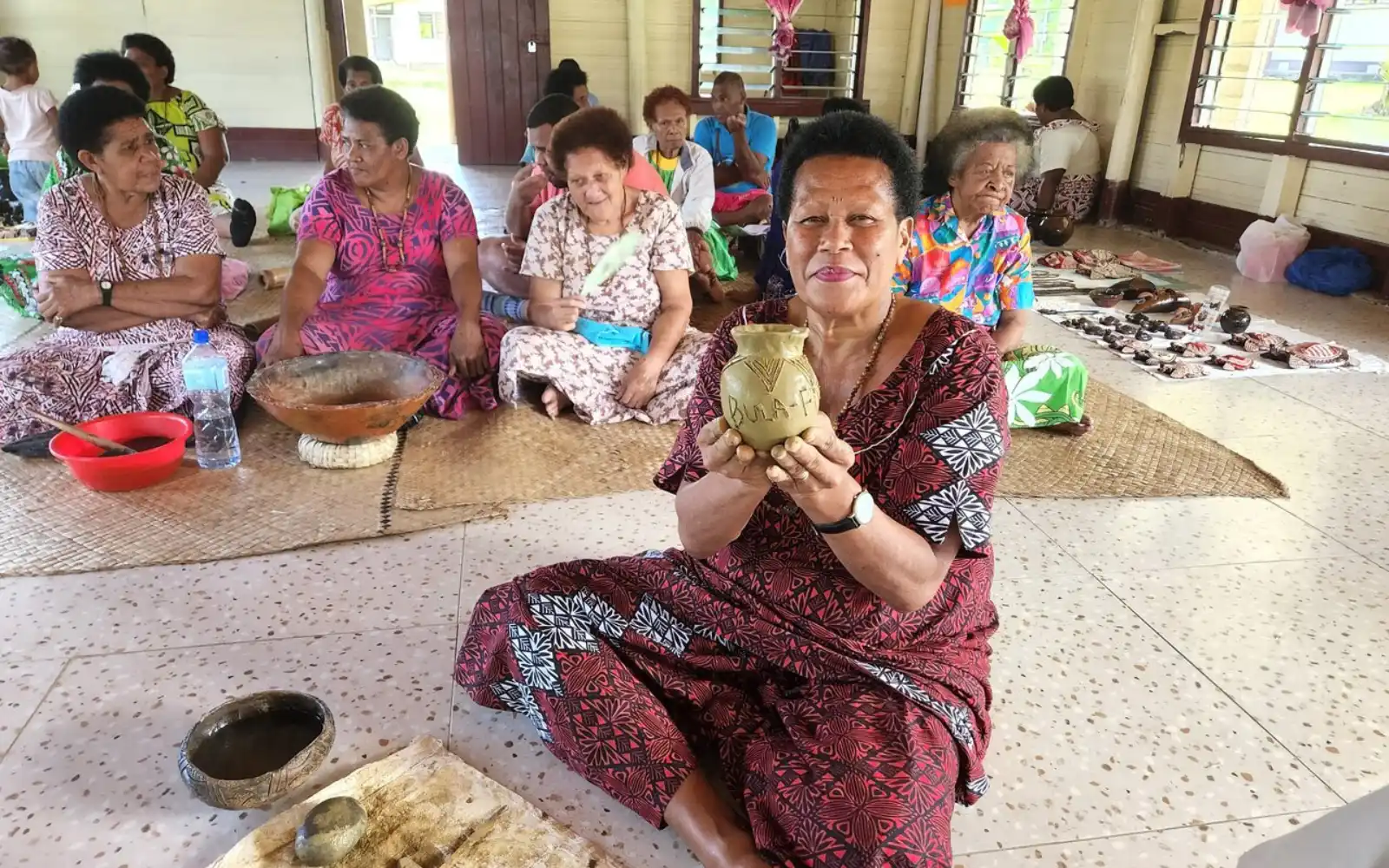
Where to Go: Nakabuta, the "Village of Pottery"
Just outside Sigatoka lies Nakabuta Village — one of Fiji's last communities still practicing traditional hand-built pottery. Here, you're welcomed with a smile, a bula, and often a short kava ceremony before artisans demonstrate how they shape clay bowls, water jugs, and cooking pots using age-old techniques — no wheel, no machines. Many visitors enhance their experience by staying at a Sigatoka homestay to fully immerse in village life.
- Hand-coiling method: Clay is rolled, built up, then smoothed with shells or wooden tools.
- Firing in open flame: Pots are baked in open ground fires, not electric kilns.
- Decorative touches: Local ash, stone polishing, and tribal patterns finish each piece.
Why This Experience Is So Special
Watching pottery made by hand in a Fijian village connects you to something timeless. You're not just seeing how a pot is formed — you're witnessing knowledge passed down through matriarchs for centuries, similar to the traditional skills shared in a women's weaving collective. Many artisans here are grandmothers who learned from their mothers, often with no formal schooling but immense skill.
Cultural Insight
Pottery in Nakabuta was once used for cooking, water storage, and ceremonial offerings. Each shape has meaning, and some pots are still used in village rituals and cultural ceremonies today.
How to Visit & What to Expect
Most visits are arranged through local guides, resorts, or community tourism collectives. You'll usually be welcomed with a short introduction, then guided to an open-air workspace where the women demonstrate, explain, and may even invite you to try forming a piece of your own.
- Open hours: Daytime visits, best before 3 PM.
- Entrance: Donation-based or small fee — supports the artisans directly.
- Souvenirs: Handmade pieces are available for purchase — no haggling, prices are fair and set by the village.
Travel Tips for Respectful Visits
This isn't a tourist attraction — it's someone's home and tradition. Dress modestly, ask before taking photos, and engage with curiosity and gratitude, following proper village dress etiquette.
- Wear a sulu (sarong): Or shorts that go below the knee, especially for women.
- Support directly: Buying a pot helps sustain the tradition — and the family who made it.
- Ask questions: Artisans love to share the meaning behind their work if you're curious and respectful.
Crafted by Hand, Held by Heart
Village pottery is a living art form — shaped by earth, fire, and story. Explore it with open eyes, and you'll take home more than clay — you'll carry a connection to Fiji's enduring cultural heritage that feels as authentic as staying in a local eco resort.