Carry Cash in Rural Areas of Sigatoka: Essential for Local Transactions
When traveling to rural areas around Sigatoka, it's important to be prepared with cash, especially for experiences like joining a traditional Fijian cooking class or purchasing handmade crafts from local artisans. Many local businesses, particularly small operators, do not accept credit or debit cards. From village markets to eco-tourism experiences, cash is often the preferred and sometimes the only method of payment. To avoid any inconveniences, plan ahead and carry enough cash for your daily expenses and activities in rural Fiji.
Travel Tips, Local Insights, Rural Fiji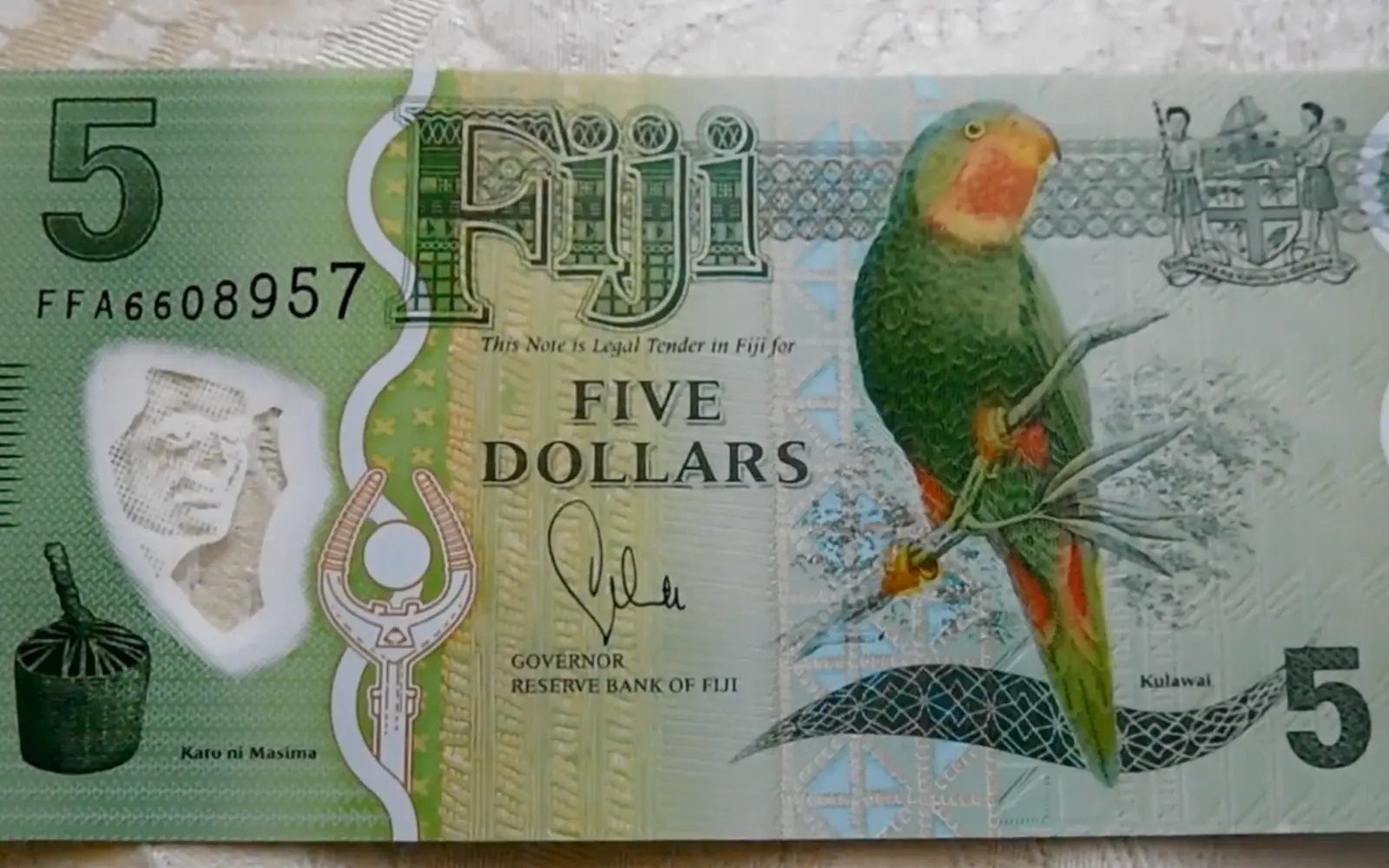
Why Carry Cash in Rural Sigatoka?
While Sigatoka's main city and coastal areas may have modern conveniences, rural parts of Fiji often rely on cash-only transactions, especially for activities like guided nature walks and eco-tours. Small shops, local markets, and remote eco-lodges typically operate on a cash-only basis due to the limited infrastructure for credit card processing. Carrying cash ensures you can fully enjoy the experience without the hassle of finding an ATM or relying on digital payment systems.
- Limited card access: Many rural businesses in Sigatoka do not have the facilities to process card payments.
- Fijian culture: Cash transactions are still a significant part of Fijian culture, especially in villages and rural areas.
- Avoid inconvenience: Carrying cash means you won't miss out on buying locally crafted goods or paying for services like tours or meals.
How Much Cash to Carry in Sigatoka's Rural Areas
The amount of cash you'll need depends on your travel plans and the activities you have lined up in Sigatoka, such as river safaris and nature experiences. A good rule of thumb is to carry enough cash for daily meals, transportation, local souvenirs, and any eco-tourism activities. While there are ATMs in Sigatoka Town, these may not be convenient when exploring rural areas. It's better to have cash on hand to enjoy your trip without worrying about finding a place to withdraw money.
- Daily expenses: Budget for meals, transportation, and small purchases. Around FJD $50-$100 per day should be sufficient for a basic rural stay.
- Eco-tourism activities: Some eco-tours or nature walks may only accept cash on the spot.
- Souvenirs and crafts: Rural markets and village shops often sell handmade goods like mats, baskets, and jewelry — carry enough cash to support these local artisans.
Where to Withdraw Cash in Sigatoka
While most rural areas in Sigatoka won't have ATMs, Sigatoka Town itself offers several banks and ATMs where you can withdraw cash before heading out on your adventure. It's recommended to withdraw enough cash before leaving town, keeping in mind that some ATMs may charge additional fees for withdrawals.
- ATMs in Sigatoka Town: The main town center has a few ATMs where you can withdraw Fijian dollars. Look for major banks like the Bank of the South Pacific (BSP) or ANZ.
- Currency exchange: If you're traveling from abroad, consider exchanging currency in Sigatoka Town before venturing into rural areas.
- Banking hours: Banks in Fiji generally operate from Monday to Friday, with some also open on Saturdays — plan your withdrawals accordingly.
Tips for Managing Cash While Traveling in Rural Fiji
Managing cash in rural areas requires foresight and preparation, especially when staying at local homestays or eco-lodges. Here are a few tips to ensure you have enough cash while maintaining security and ease of travel:
- Keep cash secure: Use a money belt or secure pouch for storing your cash while exploring rural areas. Always keep larger sums of money hidden and only take what you need for the day.
- Break large bills: It's helpful to carry small bills (FJD $1, $5, $10) as many small vendors may not have change for large notes.
- Emergency fund: Always carry a small emergency fund in cash in case of unexpected situations, especially in remote areas where finding ATMs or banks may be challenging.
Best Practices for Eco-Friendly Travel with Cash in Sigatoka
While carrying cash is a necessity in rural Sigatoka, it's also important to follow eco-friendly practices and support sustainable tourism initiatives. Consider reducing waste by using reusable bags and supporting local initiatives that help protect the environment.
- Support local businesses: Spend your money in local markets and eco-friendly ventures, helping promote sustainable tourism in rural Fiji.
- Reduce plastic waste: Bring reusable bags or containers when purchasing items from local shops to minimize plastic use.
- Eco-conscious souvenirs: Buy handmade crafts that are sustainably produced and contribute to local artisan communities.
Tip for Rural Travelers
Plan your daily cash needs carefully, especially when traveling to rural or remote areas of Sigatoka. It's always better to have a bit more cash on hand than to find yourself without options in small village shops. Remember to respect local customs and dress etiquette when visiting rural communities.
Enjoy Rural Sigatoka with Ease and Convenience
Carrying cash in rural areas of Sigatoka is an important part of your travel preparation. By planning ahead and ensuring you have enough cash, you can enjoy all the local experiences, from village markets to eco-tourism tours, without the stress of trying to find a place to use your card. Whether you're shopping for handmade goods or paying for a local tour, being prepared will make your rural Fiji adventure smooth and hassle-free.