Fiji Health and Safety Guide: Vaccines, Medical Care and Emergency Numbers
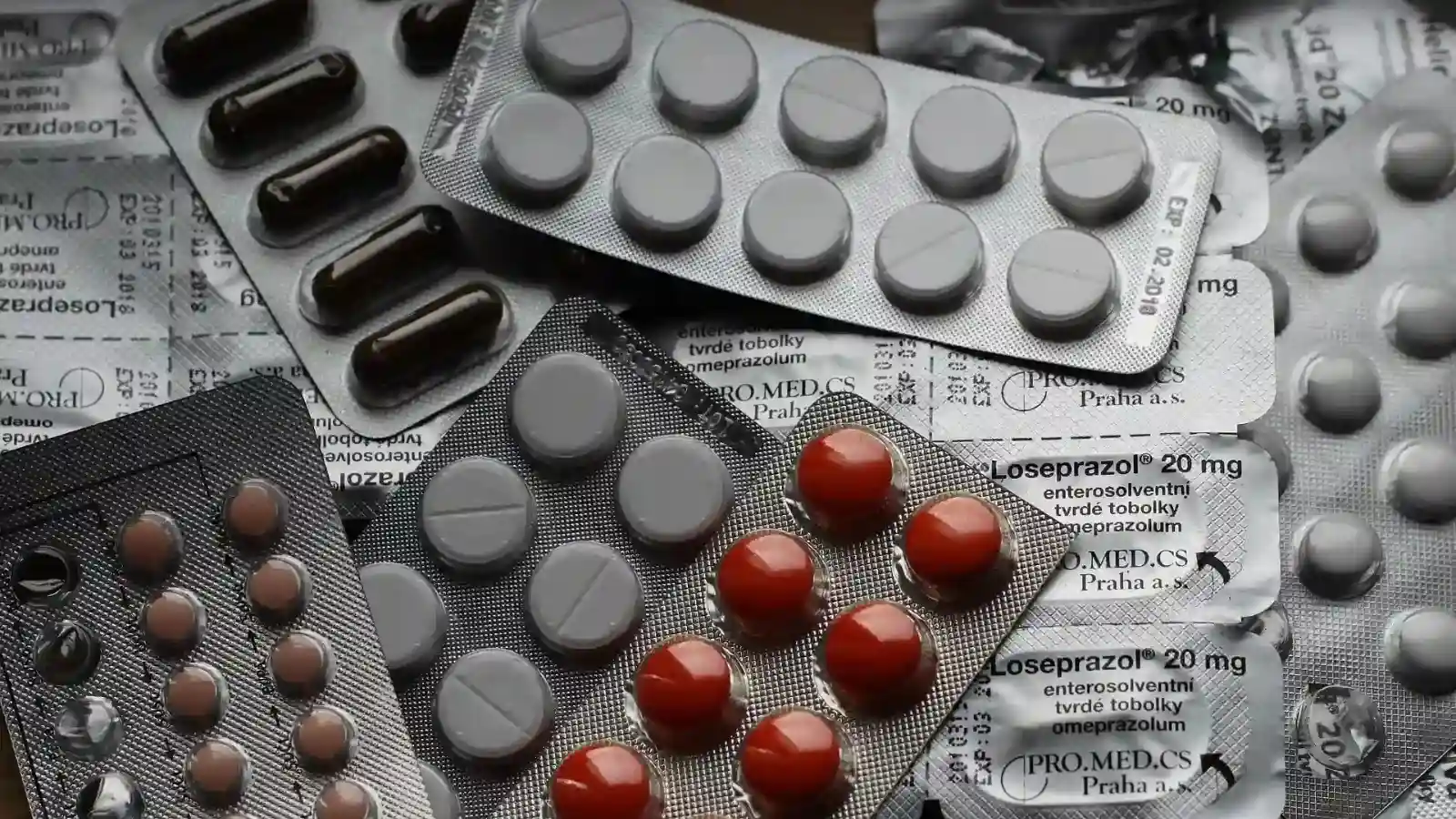
Fiji is generally a safe destination, and most trips pass without a medical problem. The part worth planning for is geography. Hospitals and private clinics are concentrated on Viti Levu and Vanua Levu, while treatment on a small island may begin at a nursing station, a local clinic or your resort. If the problem is serious, the next step can involve a boat, helicopter or flight. This guide explains what to arrange before you leave, how to reduce the everyday health risks, and who to call if something goes wrong.
Practical health and emergency information for FijiFiji health essentials at a glance
Medical emergency: 911
Police: 917
Fire and rescue: 910
Main travel health concerns: Mosquito bites, stomach illness, sun, heat and injuries in the water
Medical care: Best range of services in Suva, Nadi and other main towns
Outer islands: Basic care may be available, but transfer can take time
Travel insurance: Include medical evacuation and every activity you plan to do
Before departure: Check current health advice and speak to a clinician about your own needs
Vaccines and health checks before Fiji
Arrange a travel-health appointment about a month before departure if you can. The right advice depends on your age, vaccination history, health, length of stay and whether you will spend time in villages or remote areas. The table below is a planning guide, not a personal vaccination schedule.
| Vaccine | What travelers should know |
|---|---|
| Routine vaccines | Check that routine vaccinations, including MMR and tetanus-containing vaccines, are up to date. |
| Hepatitis A | The CDC recommends it for unvaccinated travelers aged one year and older going to Fiji. |
| Hepatitis B | Recommended by the CDC for many unvaccinated travelers; discuss your age and circumstances with a clinician. |
| Typhoid | Often recommended, particularly for smaller towns, rural areas or stays with local families. |
| Yellow fever certificate | The vaccine is not routinely recommended for Fiji, but proof may be required when arriving from or transiting for more than 12 hours through a country with yellow fever risk. |
Medication and existing conditions
- Bring enough regular medication for the trip, plus a reasonable reserve for delays.
- Keep medicine in its original packaging and carry a copy of your prescription or a doctor's letter.
- Ask your accommodation what medical help is nearby before booking a remote-island stay.
- If you are pregnant or need specialist care, discuss the itinerary with your clinician and insurer first.
- Do not assume a specific brand or prescription drug will be available outside the main urban centres.
Dengue and mosquito-borne illness
Dengue is a known risk in Fiji, and case numbers can rise quickly after periods of heavy rain. Fiji experienced a major outbreak in 2025, so mosquito protection should be part of the daily routine even when no new outbreak is making headlines. The mosquitoes that spread dengue often bite during the day. Fiji also has a risk of Zika and chikungunya, which makes bite prevention especially important during pregnancy or when planning a pregnancy.
For practical advice on repellents, clothing and accommodation, read our Mosquito Protection Guide.
How to lower the risk
- Use an effective insect repellent and follow the instructions on its label.
- Wear long, loose clothing when mosquitoes are active.
- Choose screened or air-conditioned rooms when possible; use a bed net where rooms are open.
- Permethrin-treated clothing can add protection, but permethrin should not be applied directly to skin.
- Do not leave buckets or other containers holding standing water around your accommodation.
If you develop a fever
- Contact a clinician and mention that you are in, or have recently returned from, Fiji.
- Rest and drink regularly while you arrange medical advice.
- Until dengue has been ruled out, avoid aspirin and ibuprofen because they can increase bleeding risk; ask a clinician or pharmacist what is safe for you.
- Severe abdominal pain, persistent vomiting, bleeding, marked weakness, difficulty breathing or confusion require urgent help.
Food, drinking water and floodwater
Water quality is not identical across Fiji. In a well-run resort, staff can explain whether tap water is treated or filtered. On smaller islands, in villages, and after heavy rain or flooding, boiled water or bottled water with an intact seal is the safer choice. Avoid ice when you cannot confirm how it was made. Floodwater and muddy water may also carry leptospirosis, so do not wade or swim in it, particularly if you have cuts on your skin.
If you plan to explore local produce and food stalls, our Sigatoka Valley Market guide explains what to expect at the market.
| Choice | Lower-risk approach |
|---|---|
| Water and ice | Use boiled, reliably filtered or sealed bottled water when quality is uncertain; ask before accepting ice. |
| Hot food | Choose food cooked thoroughly and served hot. A busy stall cooking to order can be a better choice than food left sitting. |
| Fruit and vegetables | Fruit you wash and peel yourself is an easy option when you are unsure about water or handling. |
| Raw seafood | Kokoda is part of Fiji's food culture, but raw or lightly cured seafood carries more risk than thoroughly cooked fish. |
If you get diarrhea
Replace lost fluid and salts; oral rehydration solution is useful to carry. Get medical advice if you cannot keep fluids down, have blood in the stool, develop a fever or severe pain, show signs of dehydration, or do not begin to improve. Children, older adults, pregnant travelers and people with existing health conditions may need help sooner. Do not start leftover antibiotics or someone else's prescription.
HIV in Fiji: what visitors should understand
Fiji is dealing with a serious rise in HIV diagnoses. The Ministry of Health recorded 2,016 newly diagnosed cases in 2025, up from 1,583 in 2024. The ministry says the increase reflects both wider testing and ongoing transmission, including unprotected sex and unsafe injecting practices. This is an important public-health issue, but it does not make ordinary travel or everyday contact unsafe: HIV is not spread by sharing food, swimming, shaking hands or using the same bathroom.
Simple precautions
- Use condoms correctly and do not share needles or any equipment that may contain blood.
- Choose reputable tattoo and piercing providers that open sterile, single-use equipment in front of you.
- After a possible exposure, seek urgent medical advice about post-exposure prophylaxis; timing matters.
- Treat people living with HIV with respect. A national health crisis is not a reason for stigma.
Medical care in Fiji
Fiji has skilled doctors and nurses, public hospitals, private hospitals and a network of smaller health centres and nursing stations. The difficulty is that specialist staff, diagnostic equipment and some medicines are not evenly distributed across more than 300 islands. Advanced services are concentrated in the main centres. On a remote island, even a straightforward transfer can depend on the boat, fuel, tides, weather and the patient's location.
This does not mean that help is unavailable. It means you should ask practical questions before going somewhere remote: Who provides first aid? Is there mobile coverage? How is a patient moved after dark or in rough weather? Which hospital would receive them? Travelers who need regular specialist care may be better based near Suva or Nadi rather than relying on an urgent transfer from an outer island.
Hospitals and useful contacts
| Area | Facility | Phone |
|---|---|---|
| Suva | Colonial War Memorial Hospital (public) | +679 331 3444 |
| Suva | Oceania Hospitals (private) | +679 330 3404 |
| Nadi | Nadi Hospital (public) | +679 670 1128 |
| Lautoka | Lautoka Hospital (public) | +679 666 0399 |
| Labasa | Labasa Hospital (public) | +679 881 2070 / 881 2525 |
| Savusavu | Savusavu Hospital (public) | +679 885 0444 |
| Taveuni | Taveuni Hospital, Waiyevo (public) | +679 888 0444 / 888 0285 |
Call first when the situation is not immediately life-threatening: numbers and service availability can change. For an emergency, call 911. Emergency Medical Fiji also advertises a private 24-hour response service using land, sea and air transport at +679 770 7700. Private response, transport and hospital admission may require payment or insurer approval.
Why medical evacuation insurance matters
A clinic on an outer island may be able to assess and stabilise a patient without having the equipment or specialist needed for definitive treatment. A serious illness or injury can mean transfer to Viti Levu, and some cases require evacuation to Australia or New Zealand. Costs vary widely, so a fixed online estimate is not useful. What matters is whether your insurer will organise and pay for the care your itinerary could require.
Check the policy for
- Emergency treatment and hospital admission in Fiji
- Boat, helicopter and fixed-wing medical evacuation where medically necessary
- Repatriation to your home country
- Pre-existing conditions and pregnancy-related exclusions
- A 24-hour assistance number that works from Fiji
Check every activity
- Scuba diving, including depth limits and decompression treatment
- Surfing, sailing, kayaking and other water sports
- Hiking, waterfalls, motorbike or scooter use
- Alcohol-related exclusions and licensing requirements
- Whether you must call the insurer before non-urgent treatment
Ocean, boats and coral injuries
Conditions around a reef can change over a short distance. A calm lagoon may still have a strong current near a channel, river mouth or reef passage. Ask local staff where it is safe to swim, check the tide, avoid swimming alone and wear a life jacket on boats. Before booking a dive or boat trip, look at the operator's safety record and equipment. If usable safety gear is not available, choose another operator.
Coral cuts
- Leave the water, control bleeding and rinse the wound thoroughly with clean water.
- Remove only loose, visible debris that comes away easily; do not dig into a deep wound.
- Cover it with a clean dressing and keep it out of seawater while it heals.
- Get medical help for a deep wound, ongoing bleeding, embedded material or worsening pain.
- Spreading redness, swelling, pus, fever or red streaks can indicate infection.
Diving and marine life
- Dive within your training and make sure insurance covers diving and evacuation.
- Fiji has hyperbaric chambers in Suva and Nadi, but reaching one can still take time.
- Do not touch stonefish, sea snakes, jellyfish, coral or unfamiliar marine animals.
- Seek urgent help after a suspected venomous sting, breathing difficulty, severe pain or collapse.
- Reef shoes help with accidental contact, but they are not a reason to walk on living coral.
Sun and heat
Sun reflected from sand and water can catch visitors out, especially on their first days. Use broad-spectrum sunscreen as directed, add a hat and light clothing, and plan strenuous activity for cooler hours. Drink regularly; there is no single daily amount that suits every traveler, because heat, body size, activity and health all matter.
For more practical advice, see our Drink Bottled Water guide.
Heat exhaustion
Headache, dizziness, nausea, weakness, cramps and heavy sweating are signs to stop. Move to a cool place, loosen clothing, cool the skin and take small sips of fluid if the person is fully alert. Get medical help if symptoms are severe or do not improve.
Heat stroke
Confusion, collapse, seizures or very high body temperature are an emergency. Call 911 and begin cooling the person while waiting for help. Do not force an unconscious or confused person to drink.
Emergency numbers and what to do
| Service | Number | Use it for |
|---|---|---|
| Medical emergency | 911 | Ambulance or urgent medical help |
| Police | 917 | Immediate police assistance |
| Fire and rescue | 910 | Fire, rescue or related ambulance response |
| Ministry health information | 158 | General enquiries during published office hours |
| Emergency Medical Fiji | +679 770 7700 | Private 24-hour emergency response |
Give the island, resort or village name, your exact location, what happened, the number of patients and a callback number. Ask a local staff member to help explain landmarks. Then call your insurer's emergency line as soon as it is safe to do so. Poor weather or weak mobile coverage can slow a response, so keep the numbers saved offline and tell someone where you are going before an independent trip.
A sensible travel medical kit
Pack for your own health and itinerary rather than trying to carry a miniature pharmacy. A pharmacist or travel clinician can help you choose medicines that are safe with your conditions and current prescriptions.
Health
- □ Regular medication and prescription copy
- □ Oral rehydration salts
- □ Pain or fever medicine suitable for you
- □ Any clinician-recommended allergy or motion-sickness medicine
- □ Digital thermometer
First aid
- □ Adhesive dressings and sterile gauze
- □ Medical tape and an elastic bandage
- □ Antiseptic wipes
- □ Tweezers and small scissors
- □ Disposable gloves
Tropical weather
- □ Insect repellent
- □ Broad-spectrum water-resistant sunscreen
- □ Hat, sunglasses and light cover-up
- □ Hand sanitiser
- □ Reusable bottle or sealed drinking water
Fiji health and safety FAQs
Can you drink tap water in Fiji?
It depends on the location and recent weather. Ask your accommodation whether its water is treated or filtered. On remote islands, in villages, and after heavy rain or flooding, use boiled water or bottled water with an intact seal when you are uncertain.
What vaccines do I need for Fiji?
Routine vaccines should be current. Hepatitis A, hepatitis B and typhoid may be recommended depending on your vaccination history and plans. A yellow fever certificate may be required if you arrive from, or have a long transit through, a country with yellow fever risk. Ask a travel-health professional for advice that fits you.
Is dengue a risk in Fiji?
Yes. Dengue occurs in Fiji and outbreaks can follow heavy rain. Use repellent during the day as well as in the evening, and seek medical advice for a fever during or after the trip.
What happens if I become ill on a remote island?
Staff may arrange local first aid, a nursing station or transfer to a larger facility. The journey can depend on boats, tides, weather and aircraft availability. Ask about the emergency plan before you arrive and carry insurance that covers medically necessary evacuation.
How much does medical treatment cost in Fiji?
There is no reliable single price: public and private fees differ, and tests, treatment, transport and evacuation can change the total substantially. A hospital may ask for insurance confirmation, a payment guarantee or a deposit. Contact your insurer early and keep every receipt and medical report.
Can a tourist catch HIV through everyday contact?
No. HIV is not spread by casual contact, shared meals, toilets, pools or mosquito bites. Risk is connected to specific exposure to infected blood, unprotected sex and shared injecting equipment.
Is Fiji safe for solo female travelers?
Many women travel around Fiji independently, but ordinary precautions still apply. Use trusted transport, avoid isolated places after dark, keep control of your drink and tell someone your plans. In villages, dress respectfully and follow local guidance. Call 917 if you need immediate police help.
Plan for the island, not just the hotel
The most useful health plan for Fiji is a simple one: check your vaccines, pack your regular medicine, prevent mosquito bites, be careful with water after heavy rain, and choose insurance that matches your activities. If you are heading beyond the main towns, ask how medical help actually works at that location.
Save 911, 917 and 910 in your phone, along with your resort and insurer. You may never need any of them, but on an island trip, knowing who will answer and how you will reach care is worth arranging before the boat leaves.
Official sources:
CDC Travelers' Health: Fiji,
Smartraveller: Fiji,
Fiji Ministry of Health contacts,
Fiji health facilities map, and the
Fiji HIV Surveillance Report 2025.
Last reviewed: 14 July 2026.
Medical disclaimer: This guide provides general travel information and does not replace
advice from a qualified healthcare professional. Recommendations and service availability can change. Check
current official advice before departure and seek urgent medical help for serious symptoms.
Emergency: Call 911 for a medical emergency, 917 for police, or 910 for fire and rescue.