Nadi Community Farming: Complete 2025 Guide to Organic Agriculture & Volunteer Opportunities

By FijiEco Team | Published: April 18, 2025 | Updated: December 07, 2025

Community farming projects around Nadi showcase Fiji’s unique blend of traditional iTaukei cultivation and modern organic agriculture. These grassroots initiatives use permaculture principles, cooperative farming models, and indigenous knowledge to strengthen food security, protect biodiversity, and support rural livelihoods. This guide highlights Nadi’s most accessible community farms, volunteer opportunities, and sustainable agritourism experiences—revealing how community-based agriculture preserves cultural heritage while offering travelers meaningful engagement with Fiji’s farming traditions.

Organic Farming • Permaculture • Traditional Agriculture • Volunteer Tourism • Food Security
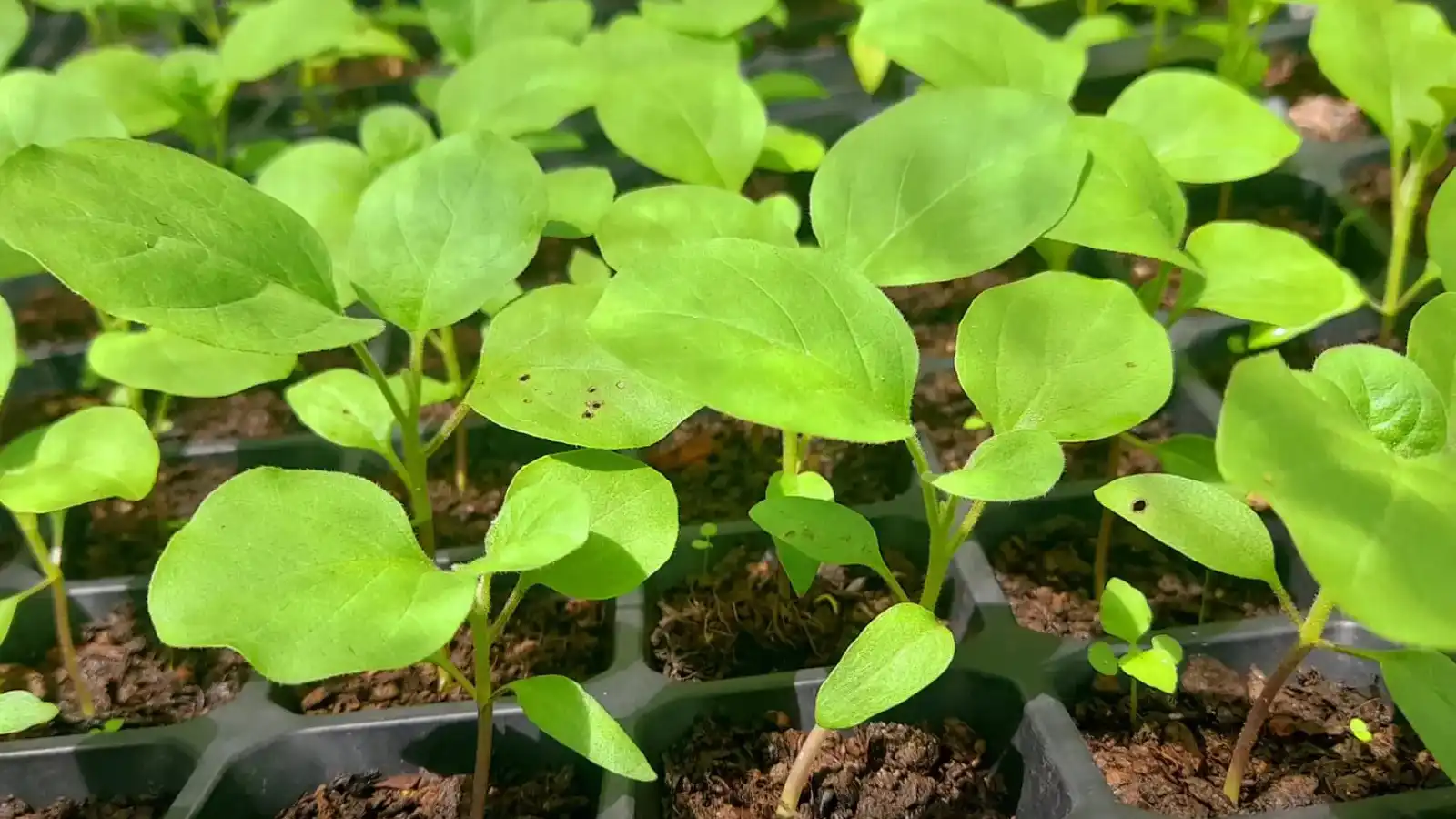
Community farming project near Nadi, Fiji featuring organic vegetables, traditional sustainable agriculture practices, and local farmers working cooperative gardens
Community farming cooperatives near Nadi demonstrate sustainable agriculture combining traditional knowledge with organic practices

Agricultural Context: Traditional Systems and Modern Challenges

Traditional iTaukei Farming Practices

Pre-colonial Fijian agriculture centered on shifting cultivation (slash-and-burn method locally called "yavu")—clearing forest patches, planting diverse crops (taro, yams, breadfruit, bananas) for 2-3 years, then allowing natural regeneration while cultivating new areas. This extensive system worked sustainably with low population densities, abundant land, and communal land tenure systems where villages collectively managed agricultural territories. Crops planted in mixed polycultures mimicking natural forest structure—taro understory, bananas mid-level, coconuts/breadfruit canopy—creating resilient agro-ecosystems resisting pests and maximizing land productivity.

Colonial period disrupted traditional agriculture profoundly: British administrators imposed commercial agriculture (sugarcane, copra) prioritizing export revenue over food security; introduced Indo-Fijian indentured laborers creating separate agricultural economy (Indo-Fijians farming leased land commercially, iTaukei maintaining subsistence village farming); and concentrated land ownership patterns persisting today. Post-independence urbanization accelerated rural-to-urban migration—young people leaving farming for city employment, traditional agricultural knowledge transmission weakening, dependence on imported processed foods increasing dramatically.

Contemporary Agricultural Challenges

Land Tenure Insecurity: Approximately 87% Fijian land owned communally by iTaukei (inalienable under constitution), leased to farmers through Native Land Trust Board. Lease uncertainties (expired leases not renewed, political tensions over land rights) discourage long-term agricultural investment, particularly affecting Indo-Fijian farmers whose families worked land generations but lack ownership security.
Climate Change Impacts: Increasing cyclone intensity, unpredictable rainfall patterns, prolonged droughts, saltwater intrusion coastal areas destroying agricultural land. Traditional crops (taro particularly) extremely vulnerable climate variability—crop failures creating food security concerns, economic hardship for farming families.
Market Access Difficulties: Small-scale farmers struggle competing imported foods (cheaper due to subsidized foreign agriculture), lack refrigerated transport infrastructure (produce spoiling before reaching markets), limited value-added processing capacity, and price volatility making income unpredictable.
Knowledge Loss: Younger generation leaving farming, traditional crop varieties disappearing, indigenous agricultural techniques forgotten as chemical-intensive "Green Revolution" methods promoted past decades. Erosion of agricultural biodiversity and cultural knowledge represents irreplaceable loss.

Community Farming as Solution

Community farming projects emerged addressing these challenges through cooperative models—pooling resources, sharing labor, collective marketing, mutual support networks. Movements emphasize: organic/agroecological methods reducing input costs while improving environmental health; traditional crop preservation maintaining genetic diversity and cultural heritage; permaculture design principles creating resilient sustainable systems; and farmer education programs transferring skills enabling economic independence. These initiatives represent grassroots resilience—communities taking food security into own hands rather than depending on government programs or commercial agriculture systems often failing small-scale farmers.

Community Farming Projects Near Nadi

Accessible Farms for Visitors

Several community farms near Nadi welcome visitors through tours, workshops, or volunteer programs. Projects vary in focus (organic vegetables, traditional crops, permaculture education) and organizational structure (village cooperatives, NGO-supported initiatives, private farms with social missions):

Farm Project Location & Distance Primary Focus Visitor Options
Sabeto Valley Organic Farm Cooperative Sabeto Valley, 15km north Nadi (30 min drive) Organic vegetable production, farmer training, local market supply Farm tours (FJ$20), volunteer days (free), produce purchases
Viseisei Village Agricultural Project Viseisei, 8km north Nadi (20 min drive) Traditional iTaukei crops, cultural preservation, village food security Cultural tours with farm visit (FJ$50 includes kava ceremony), homestays
Nadi Valley Permaculture Center Nadi Back Road, 12km inland (25 min drive) Permaculture demonstration, education workshops, sustainable design Workshops (FJ$80-150), permaculture courses (multi-day), tours (FJ$30)
Women in Farming Initiative Multiple village locations near Nadi Women's economic empowerment, organic gardening, traditional knowledge Contact NGO partners for visits (arrangements through tour operators)

Booking and Access Information

Advance arrangements essential: Community farms operate on agricultural schedules—visiting without notice disrupts work, may coincide with harvest days when guides unavailable, or arrive during unsuitable weather conditions. Contact farms 3-7 days advance confirming visit dates, group size, interests, and any dietary restrictions if meals included.

Contact methods: Most farms accessible through: Tour operators in Nadi (hotels can recommend), Facebook pages (farms increasingly using social media engagement), phone calls (numbers often listed tourism websites), or visiting associated NGOs (Fiji Organic Growers Association, Pacific Centre for Environment and Sustainable Development). Persistence required—communication sometimes slow, multiple contact attempts may be necessary confirming arrangements. For transportation logistics, review our guide on getting around Nadi area.

What to Expect During Farm Visits

Typical Activities and Learning Opportunities

Farm visits vary depending on project focus, season, and visitor arrangements. Most experiences include multiple components providing comprehensive understanding of community farming operations:

Guided Farm Tours (1-2 Hours)

Overview: Farmer/project manager walks visitors through growing areas explaining cultivation methods, crop varieties, and farming challenges. Educational focus—understanding organic practices, observing companion planting, learning about soil health, seeing composting systems, and discussing market challenges.

Key highlights: Comparison traditional versus modern techniques, explanation of climate adaptation strategies, demonstration of natural pest control methods (neem oil, companion plants, beneficial insects), discussion of economic models enabling farm sustainability.

Interactive elements: Taste testing fresh produce directly from plants, hands-on composting demonstrations, seed saving techniques explained, questions encouraged throughout. Photography opportunities abundant—colorful vegetables, traditional tools, farmer portraits (ask permission first, respect photography etiquette).

Hands-On Work Experience (Half-Day/Full-Day)

Overview: Volunteers work alongside farmers performing daily agricultural tasks—planting, weeding, harvesting, composting, irrigation setup, garden bed preparation. Physical work varying intensity depending on tasks and visitor fitness levels.

Learning outcomes: Embodied understanding of agricultural labor (physical demands, skill requirements, time investments), practical techniques applicable home gardening, appreciation for farming challenges (unpredictable weather, pest pressures, market uncertainties), and relationship building with farming families.

Expectations: Early morning start (6-7am cooler temperatures, aligning with farm schedules), bring sun protection and water, wear appropriate clothing (long pants, closed shoes, old clothes tolerating dirt), physical capability for manual labor (communicate limitations to organizers accommodating accordingly).

Cultural and Educational Components

Traditional knowledge: Elder farmers share indigenous agricultural practices—moon planting calendars (planting timing based lunar cycles), traditional crop varieties (ancient taro cultivars, heirloom seeds), ceremonial plant uses (yaqona/kava cultivation, flowers for cultural events), and folklore explaining agricultural origins.

Meal sharing: Many farm visits include traditional meal prepared using farm produce—lovo (underground oven feast), fresh kokoda (raw fish salad), root crops cooked various methods. Communal eating provides cultural immersion and informal conversation opportunities beyond structured tour content.

Community context: Understanding how farms integrate village life—children learning farming after school, elders contributing knowledge, women's groups managing cooperative finances, religious practices integrated daily routines (Christian prayers before work common). Agriculture as community endeavor rather than isolated commercial activity.

Permaculture and Sustainable Design

Design principles: Permaculture-focused farms demonstrate: Zone planning (intensive cultivation near homes, extensive systems farther), water harvesting and conservation (swales, mulching, drip irrigation), polyculture guilds (companion planting maximizing synergies), and closed-loop nutrient cycling (composting, animal integration, green manures).

Tropical adaptations: Specific techniques addressing Fiji's climate—banana circles (productive water-harvesting systems), food forests (multi-layer diverse plantings), living fences (edible hedgerows providing boundaries and yields), and cyclone-resilient structures (low-growing plants, wind-breaking vegetation).

Workshops: Some centers offer intensive courses—Permaculture Design Certificate (PDC) programs (2-week intensive), weekend workshops (specific topics like composting, seed saving, natural building), and consultation services helping establish home/community gardens using permaculture principles.

Seasonal Crops and Agricultural Calendar

Understanding Tropical Growing Seasons

Unlike temperate agriculture with distinct planting/harvest seasons, tropical Fiji enables year-round cultivation though seasonal variations affect crop selection, yields, and farming activities. Timing visits around specific growing cycles provides unique learning opportunities:

Wet Season (November-April)

Growing advantages: Abundant rainfall reduces irrigation needs, warm temperatures accelerate growth, optimal conditions for leafy greens (bele, rourou, lettuce, bok choy), flowering vegetables (tomatoes, peppers, eggplants), and root crops (taro, cassava, yams). Farm productivity peaks this period—harvest abundance, market supplies plentiful, farmer optimism highest.

Challenges visible: Pest pressures increase (fungal diseases, insects thriving humidity), erosion issues from heavy rains require careful management (mulching, cover crops, terracing), flooding risks low-lying areas. Farmers demonstrate adaptation strategies—choosing disease-resistant varieties, implementing integrated pest management, constructing drainage systems.

Visitor experience: Lush green landscapes, active planting/harvesting work available, opportunities observing organic pest control methods, possible cyclone preparation activities (late season November-March), traditional weather prediction knowledge shared by elder farmers.

Dry Season (May-October)

Growing adaptations: Irrigation becomes essential—farmers managing water carefully through mulching, drip systems, timing irrigation schedules. Drought-resistant crops prioritized (cassava, certain yam varieties, pumpkins). Some farms reduce planted area during peak dry months (July-September) conserving water resources.

Advantages: Lower pest pressures (drier conditions less favorable fungi, some insects), easier field work (not muddy), better access to farm areas for tours, clearer skies for photography. Harvest continues though volumes may decrease compared wet season abundance.

Visitor experience: Observing water conservation techniques, participating in mulching/composting activities preparing for wet season, learning about seed saving (dry conditions ideal), possibly assisting with irrigation system construction or maintenance projects.

Volunteer Opportunities and Extended Engagement

Short-Term and Long-Term Volunteer Programs

Community farms welcome volunteers ranging from single-day work exchanges to multi-week intensive placements. Volunteer tourism (voluntourism) can benefit farms and travelers when structured ethically—genuine skill transfer, mutual learning, sustainable support versus extractive "poverty tourism" or unskilled labor disrupting farm operations.

Program Type Duration Activities Cost/Arrangement
Work Exchange Visit Half-day or full-day Manual farm work (planting, weeding, harvesting), learning basic organic techniques Free (work exchange) or small donation (FJ$10-20)
Weekend Volunteer 2-3 days Farm projects, cultural activities, communal meals, possible homestay FJ$50-100 covering food/accommodation
Week-Long Placement 5-7 days Intensive farm work, permaculture learning, community integration, project assistance FJ$200-400 (varies by farm/arrangement)
Extended Volunteer (Skilled) 2-4 weeks or longer Specialized projects (irrigation design, marketing assistance, training workshops), mentorship Negotiated (may include accommodation, meals; requires relevant expertise)

Ethical Voluntourism Guidelines

  • Assess genuine value: Honestly evaluate your skills—unskilled labor may burden farms training you versus completing work efficiently themselves. Skilled professionals (agronomists, marketers, engineers) provide real value; casual tourists without agricultural knowledge offer limited benefit beyond economic contribution.
  • Follow local leadership: Farmers know their operations—defer to their expertise versus imposing external "solutions" based on limited understanding. Ask "How can I help?" rather than suggesting "improvements" after brief observation.
  • Commit adequate time: Meaningful contributions require sustained engagement—week-long minimum placements allowing relationship building and project completion. Single-day visits primarily educational for tourists versus beneficial to farms.
  • Financial fairness: Pay appropriate program fees covering food, accommodation, administrative costs. Avoid "free" arrangements expecting farms hosting volunteers without compensation—exploits economic disparities. Additional donations supporting farm development welcomed.
  • Cultural sensitivity: Respect local customs (modest dress, social hierarchies, religious practices), learn basic Fijian phrases, participate in community activities genuinely rather than as tourist spectacle. Remember: You're guest in farming community, not entitled consumer of experience.
  • Long-term perspective: Consider supporting farms beyond volunteer period—purchasing products, connecting to export markets, providing ongoing technical advice, recommending to others. Sustained relationships more valuable than one-off volunteering.

Supporting Local Food Systems Beyond Farm Visits

Purchasing and Advocacy Opportunities

Travelers can support community farming initiatives through various economic and advocacy actions extending beyond single farm visits:

Direct Purchasing from Farmers

On-farm sales: Most community farms sell produce directly—fresh vegetables, herbs, root crops, sometimes value-added products (jams, dried herbs, handicrafts). Prices typically lower than retail markets, quality superior (harvest-fresh), and payment goes entirely to farming families.

Farmers markets: Nadi and nearby towns host weekend farmers markets where community projects sell. Check hotel concierges or tourism offices for current market schedules. Markets provide comparison shopping, broader product selection, social atmosphere enhancing purchasing experience.

Restaurant and Accommodation Choices

Farm-to-table establishments: Increasing number of Nadi restaurants and resorts source ingredients from local organic farms—supporting sustainable agriculture while providing fresher higher-quality meals. Ask "Do you source locally?" when dining out.

Eco-lodges and resorts: Some accommodations maintain own organic gardens or partner with community farms—guest meals featuring locally-grown produce, possible farm visit opportunities for guests, economic support for farming projects through consistent purchasing.

Frequently Asked Questions

Do I need agricultural experience to visit or volunteer at community farms?

No agricultural experience required for most farm visit/volunteer programs—farms accommodate complete beginners providing instruction on techniques, tools, and safety procedures. Tour visitors: No physical requirements—guided walks suitable all fitness levels, learning through observation and conversation. Work exchange volunteers: Basic physical fitness necessary (manual labor involves bending, lifting, working tropical heat) but specific farming skills unnecessary. Tasks scaled to volunteer capabilities—simple weeding, harvesting, composting manageable without experience; more complex activities (pruning, planting) taught systematically. Valuable attitude matters more than experience: Willingness to learn, respect for farming knowledge, genuine interest in agricultural sustainability, and comfortable getting dirty more important than prior farming background. Many successful volunteers urban dwellers without previous farm exposure. Specialized skills highly valued: If possessing relevant professional expertise (agricultural engineering, organic certification knowledge, marketing, business management, renewable energy, water management), communicate this arranging visit—farms may request specific project assistance leveraging your skills benefiting community. Cultural preparation: Understanding basic Fijian customs (greetings, village etiquette, gift-giving protocols) more crucial than agricultural knowledge. Farms exist within cultural contexts—social sensitivity essential regardless farming experience. Review cultural guidelines before visiting ensuring respectful engagement.

What should I bring for a farm visit or volunteer day?

Essential items: Sun protection: Wide-brim hat, sunglasses, reef-safe sunscreen (reapply frequently—sweating from physical work removes protection quickly). Hydration: Reusable water bottle (1L minimum)—farms may not have readily accessible water; bring more than think you'll need. Appropriate clothing: Long lightweight pants (protects from sun, insects, scratches from plants), breathable long-sleeve shirt (similar protection), closed-toe sturdy shoes or boots (old sneakers acceptable—will get dirty/muddy). Work gloves: If available, bring gardening gloves—some farms provide, others don't. Protects hands from blisters, thorns, soil (especially if skin sensitivity). Insect repellent: DEET-based or natural alternatives (lemon eucalyptus oil)—mosquitos, flies present in agricultural areas. Optional but useful: Small backpack or daypack, personal first-aid items (bandages, any medications), rain jacket (wet season or afternoon storms), change of clothes (post-work comfort), camera (ask permission before photographing), notebook and pen (recording techniques, recipes, contact information). Leave behind: Valuables (jewelry, expensive electronics), unnecessary items, white/light-colored clothing (inevitable staining from soil), sandals or open-toed shoes (inadequate protection). Cultural considerations: If visiting includes traditional elements (kava ceremony, village protocol), bring sevusevu gift (kava root from market FJ$10-30) and modest clothing covering shoulders/knees for ceremonial portions. Some farms request visitors avoiding bringing own food (cultural hospitality—hosts provide meals; outside food may offend). Farm-specific requirements: Confirm with organizers if any additional items needed—some projects request specific tools, others prohibit certain items (seeds or soil from other locations—biosecurity concerns).

How physically demanding is farm volunteer work and what if I can't keep up?

Intensity varies by task and duration: Light activities: Harvesting ripe vegetables, seed collecting, herb processing, transplanting seedlings, compost turning—manageable most fitness levels. Moderate activities: Weeding garden beds, mulching, hand-watering, basic garden bed preparation, moving harvest containers—requires bending, squatting, repetitive motions for extended periods. Heavy activities: Digging, land clearing, building raised beds, carrying water containers, turning dense compost piles, post-hole digging for fences—strength-intensive, sustained physical exertion. Tropical heat factor: Even light tasks become taxing under tropical sun—temperatures 28-32°C with high humidity mean physical exhaustion arrives faster than temperate climates. Dehydration, heat stress real concerns requiring frequent breaks, shade, constant hydration. If struggling: Communicate limitations immediately—farmers accommodating, will adjust tasks matching capabilities. No shame admitting difficulty—better requesting easier assignment than pushing into heat exhaustion or injury. Most farms assign mixed tasks allowing variety, rest periods. Pace yourself: Local farmers pace work sustainably—don't feel pressured matching experienced workers' speed. Quality matters more than speed for learning-focused volunteers. Age considerations: Farm work suitable wide age range if realistic about capabilities—children can participate simple tasks with supervision, older adults contribute within physical limits, mixed-ability groups assigned varied tasks enabling everyone contributing meaningfully. Accessibility: Some farm areas may be difficult for mobility-impaired visitors—uneven terrain, no paved paths, infrastructure lacking (wheelchairs, handrails). Discuss accessibility needs when arranging visits—farms may accommodate through alternative areas, modified tasks, or companion assistance. Combine farm visit with exploring nearby Garden of the Sleeping Giant for easier terrain botanical experience.

Can children participate in farm visits and what ages are appropriate?

Family-friendly with age considerations: Young children (under 6): Suitable for brief supervised visits—petting farm animals (if present), picking berries or easy fruits, observing (not participating) work activities. Short attention spans, heat sensitivity, safety concerns (sharp tools, chemicals, animals) require constant parental supervision. Some farms prefer no children this age group (liability, disruption to work). Elementary age (6-12): Excellent learning age—capable simple tasks (harvesting, planting seeds, mulching), curious about natural processes, energy for physical activities, developing environmental awareness farms can nurture. Close supervision still necessary but increasing independence. Most farms welcome this age if well-behaved. Teenagers (13-18): Full participation possible—physical capability for substantial work, mature enough following safety protocols, old enough meaningful learning about sustainability, food security, career exploration in agriculture. Often particularly valuable volunteers—strong enough real contribution, young enough open to new experiences. Educational value: Farm experiences profoundly educational children—understanding food origins (counteracting grocery store disconnection), appreciating farmer labor, environmental awareness development, multicultural exposure, physical activity outdoors (versus screen time). Many families report farm visits highlight of Fiji trips for children. Practical considerations: Confirm with farms when booking—some run educational programs specifically for children, others prefer adult-focused environment. Bring extra sun protection, snacks, entertainment for downtime (books, quiet games)—farm days long, children may need breaks. Prepare children culturally—explaining different living conditions, respecting host families, appropriate behavior around elders. Safety paramount: Watch for hazards—farm equipment, uneven terrain, insects, water features (irrigation ponds), chemicals (even organic inputs). Farm insurance may not cover visitor injuries—parental responsibility ensuring children's safety. Familiarize children with farm rules before arrival.

How do community farms differ from commercial agriculture in Fiji?

Philosophical and operational differences: Community farms: Small-scale (typically 1-5 hectares), diversified production (20-50 crop varieties polycultures versus monocrops), organic/low-input methods (minimal chemicals, emphasis on soil health), cooperative ownership (shared resources, collective decision-making), food security priority (local market supply versus export), environmental sustainability focus (biodiversity, water conservation, climate adaptation), and cultural preservation (traditional crops, indigenous knowledge). Commercial agriculture: Large-scale operations (10-100+ hectares sugarcane, copra plantations), monoculture production (single crop efficiency), chemical-intensive methods (synthetic fertilizers, pesticides standard practice), individual/corporate ownership (profit maximization), export orientation (international markets prioritized over local needs), environmental impacts (soil degradation, water pollution, biodiversity loss), and modernization emphasis (mechanization, genetic uniformity, productivity metrics). Economic models: Community farms operate on subsistence-plus model—household food security first, surplus marketed locally, income supplementing other livelihoods. Commercial farms purely market-oriented—all production sold, success measured profit margins, market price fluctuations creating economic volatility. Social dimensions: Community farming strengthens social capital—cooperative labor exchange, knowledge sharing, mutual support networks, cultural identity reinforcement. Commercial agriculture increasingly individualized—hired labor replacing family/community work, market competition versus cooperation, cultural disconnection from land as commodity versus ancestral heritage. Sustainability trajectory: Community farms demonstrating resilience—climate adaptation through diversity, economic independence through low external inputs, social cohesion through cooperative structures. Commercial agriculture facing crises—input cost increases (imported fertilizers, chemicals), market access challenges (international competition), climate vulnerability (monoculture susceptibility), land degradation requiring increasing inputs maintaining yields. Visitor perspective: Community farms offer authentic insight into sustainable alternatives versus industrial model dominating global agriculture. Understanding differences contextualizes food choices, agricultural policy debates, and development trajectories Pacific nations navigating modernity while preserving cultural/environmental integrity.

What impact does climate change have on Fijian community farming?

Multiple severe impacts observed: Cyclone intensification: Category 4-5 tropical cyclones increasingly frequent—Category 5 Winston (2016) devastated agricultural sectors, destroyed crops, contaminated soil with saltwater, damaged infrastructure (irrigation systems, storage facilities, farm buildings). Recovery takes years—replanting perennial crops (fruit trees, coconuts), rebuilding infrastructure, restoring soil fertility. Rainfall unpredictability: Traditional planting calendars based on reliable seasonal patterns no longer accurate—late rain onset delaying planting, mid-season droughts damaging crops, excessive rainfall flooding fields, concentrated rainfall events causing erosion. Farmers struggling adapting centuries-old knowledge to new climate realities. Temperature extremes: Higher daytime temperatures stressing plants, warm nights disrupting certain crop development (tomatoes require cool nights fruiting), heat waves accelerating water needs straining irrigation, coral bleaching (tangentially affecting coastal fishing supplementing farm income). Saltwater intrusion: Sea level rise and storm surges pushing saltwater inland—contaminating groundwater supplies, destroying coastal agricultural land, making previously productive areas unfarmable for years. Particularly devastating low-lying coastal communities. Pest and disease shifts: Warmer wetter conditions favoring certain pests, diseases previously limited now spreading, imported pests establishing (invasive species exploiting climate changes). Organic farms especially vulnerable lacking chemical pest control options. Community farm responses: Crop diversification: Increasing variety reduces total crop failure risk—if one species fails, others may survive. Traditional strategy renewed relevance. Climate-resilient varieties: Selecting drought-tolerant, salt-tolerant, heat-resistant crop varieties. Preserving traditional varieties carrying genetic resilience. Water management: Rainwater harvesting systems, efficient irrigation (drip versus flood), mulching conserving soil moisture, pond construction storing water dry season. Permaculture design: Creating resilient systems—wind breaks protecting from cyclones, swales managing excess rainfall, polycultures creating microclimate moderation. Knowledge sharing: Farmers networking discussing successful adaptations, learning from each other's experiments, combining traditional ecological knowledge with scientific climate information. Visitor learning: Farm visits provide firsthand observation of climate change impacts and adaptation strategies—invaluable education beyond abstract climate discussions, humanizing global crisis through local farmer experiences.

Can I purchase seeds or plants from community farms to take home?

Generally not possible due to biosecurity: Most countries prohibit importing plant material (seeds, cuttings, bulbs, soil) protecting domestic agriculture from invasive species, diseases, pests. Violations result in confiscation, fines, even criminal charges. Fiji export restrictions: Fiji also regulates plant material export protecting indigenous species and meeting international phytosanitary standards. Unauthorized export illegal even if destination country permits import. Exception—packaged commercial seeds: Commercially-packaged seeds from licensed suppliers may be permissible if: (1) Destination country allows (check customs regulations before travel); (2) Seeds properly labeled, sealed in original packaging; (3) Declared at customs (concealment = smuggling); (4) Species not on prohibited lists (many tropical species restricted). Garden stores in Nadi sell commercial seed packets possibly exportable—ask retailers about export regulations, keep receipts proving legitimate purchase. Alternative—knowledge transfer: Instead of physical seeds, collect information: Record crop varieties by name, photograph seed-saving techniques, learn growing conditions, ask farmers source recommendations. Many heirloom/traditional varieties available internationally through seed exchanges, online suppliers specializing heritage varieties. Research "[variety name] seeds" after returning home—may find identical varieties obtainable legally. Cultural consideration: Some seeds carry spiritual significance or belong to specific family/village lineages—removing inappropriate even if legally permissible. If farmers offer seeds as gifts, politely explain import restrictions rather than accepting only to discard at customs. They'll appreciate honesty avoiding wasting precious seeds. Focus on experience: Primary value lies in learning sustainable techniques, understanding tropical agriculture, connecting with farming communities—knowledge travels internationally without biosecurity concerns. Apply principles observing (composting, companion planting, permaculture design) adapting your climate rather than transplanting specific species.

Are there other sustainable agriculture experiences beyond community farms near Nadi?

Diverse agricultural tourism options: Botanical gardens: Garden of the Sleeping Giant (orchid collections, rainforest trails, tropical landscaping) demonstrates ornamental horticulture and conservation. Different focus than food production but complementary botanical education. Spice and herb gardens: Some resorts maintain organic herb gardens for restaurant use—limited visitor access but occasionally offer guided tours explaining culinary herbs, spice plants (turmeric, ginger, lemongrass, curry leaves), and tropical growing conditions. Fruit tree nurseries: Commercial nurseries near Nadi propagate tropical fruit trees (mango, breadfruit, citrus, avocado)—may welcome visitors interested purchasing trees (taking home impractical but learning propagation techniques applicable) or observing grafting, propagation methods. Beekeeping projects: Some agricultural cooperatives integrate beekeeping—honey production, pollination services for crops, wax products. Apiculture tours demonstrate sustainable beekeeping, honey harvesting, bee ecology. Aquaponics systems: Emerging technology combining fish farming with hydroponic vegetable production—closed-loop systems requiring minimal water, producing protein and vegetables simultaneously. A few demonstration projects near urban areas occasionally host visitors. Research station tours: Ministry of Agriculture research facilities sometimes accommodate educational tours (advance arrangements required, primarily for academic/professional groups)—demonstration plots testing varieties, extension programs training farmers, agricultural research relevant tropical island contexts. Regional options: Beyond Nadi, Coral Coast and other Viti Levu regions offer agricultural experiences—village homestays including farm work, organic plantation tours (vanilla, cacao), traditional fishing integrated coastal farming systems. Extended Fiji stays enable exploring agricultural diversity across regions. Comparative perspective: Visiting multiple farm types provides comprehensive understanding—organic versus conventional, iTaukei versus Indo-Fijian agricultural traditions, subsistence versus commercial operations, permaculture versus traditional methods. Each perspective enriches appreciation of agriculture's complexity and sustainability challenges.

Community Farm Visit Preparation Checklist

Before Visiting:

  • Contact farm 3-7 days advance confirming arrangements
  • Clarify transportation (tour operator, taxi, own vehicle)
  • Understand costs (tour fees, volunteer donations, purchases)
  • Check weather forecast (postpone if heavy rain predicted)
  • Prepare culturally (basic Fijian phrases, sevusevu gift)
  • Inform accommodation about farm visit plans

What to Bring:

  • Sun protection (hat, sunglasses, reef-safe sunscreen)
  • Reusable water bottle (1L minimum)
  • Appropriate clothing (long pants, sturdy closed shoes)
  • Work gloves and insect repellent
  • Camera (ask permission before photographing)
  • Cash for purchases/donations (no cards accepted)

During Visit:

  • Follow farmer guidance and instructions
  • Ask questions showing genuine interest
  • Pace yourself (tropical heat, physical demands)
  • Respect local customs and social hierarchies
  • Participate in communal meals graciously
  • Purchase farm products supporting livelihoods

After Experience:

  • Provide feedback to farm organizers
  • Share positive experiences with other travelers
  • Consider ongoing support (purchases, referrals)
  • Apply sustainable techniques learned at home
  • Connect farms to potential markets if possible
  • Leave positive online reviews supporting visibility

Growing Connections Through Sustainable Agriculture

Community farming projects near Nadi represent more than agricultural initiatives—they embody grassroots responses to interconnected challenges of food security, environmental sustainability, cultural preservation, and economic resilience in rapidly changing Pacific Island contexts. These farms demonstrate practical alternatives to industrial agriculture's environmental destruction and social displacement while maintaining cultural continuity linking contemporary farming communities to ancestral relationships with land. Visiting community farms provides travelers rare authentic engagement with agricultural realities beyond romanticized rural tourism—witnessing hard physical labor, understanding economic precarity, appreciating farmer knowledge and adaptation, and recognizing agriculture's centrality to human survival despite urbanization obscuring these fundamental connections.

Meaningful farm engagement requires approaching experiences humbly—recognizing farmers as knowledge holders and cultural educators rather than service providers or poverty tourism subjects. Allocate sufficient time for genuine relationship building, contribute economically through fair compensation and product purchases, apply learning to personal food choices and advocacy, and maintain long-term connections supporting farms beyond single visits. Community agriculture represents hope for sustainable food futures—demonstrating that smaller-scale, ecologically-sound, culturally-grounded farming can thrive when communities cooperate and outside supporters contribute respectfully. Carry farm experiences beyond Fiji's shores—advocating for sustainable agriculture policy, supporting local organic farmers at home, reducing food waste, growing own food where possible, and educating others about connections between agricultural practices, environmental health, and social justice. Vinaka for engaging thoughtfully with Fiji's agricultural communities and supporting sustainable food system development benefiting farmers, environment, and global food security.