Vuda Point Snorkeling: Shore Entry, Reef Conditions & Practical Guide (2026)
Vuda Point offers what most Fiji snorkeling doesn't: shore access to decent reef without boat fees. Walk in from the beach, and within 50 meters you're over coral gardens with parrotfish, butterflyfish, and the occasional reef shark cruising the deeper edge. It's not the Mamanucas' pristine walls — it's a working reef near a marina — but for FJ$0 entry and 20 minutes from Nadi, the cost-to-coral ratio is hard to beat. Bring your own gear or rent locally for FJ$25–40.
Vuda Point Snorkeling Quick Facts (2026)
- Location: Vuda Point, 15 km north of Nadi (20–25 min drive)
- Entry: Free shore access (some areas via marina or resort)
- Gear Rental: FJ$25–40 for mask, snorkel, fins (near Vuda Marina)
- Best Conditions: High tide, calm days, morning light
- Reef Depth: 1–6 meters depending on location and tide
- Marine Life: Coral gardens, tropical fish, occasional rays and reef sharks
Why Vuda Point for Snorkeling
Most Fiji snorkeling requires boats. The famous reef sites — Beqa Lagoon, the Mamanucas, the Yasawas — sit offshore, accessible only through resort trips or dive operators charging FJ$150–300. Vuda Point is different: a protected lagoon with reef formations close enough to shore that you can walk in and swim out to decent coral in your own time, on your own budget.
This matters for several reasons. No boat schedules dictating when you snorkel. No group pace determining how long you stay at each spot. No seasickness risk on the way out. And critically, no FJ$150+ day-trip cost — just the price of gear rental if you didn't bring your own. For budget travelers, families with young children, or anyone who wants to snorkel on their own terms, shore entry changes the equation.
That said, let's be clear: Vuda Point isn't the Maldives. The reef is healthy but not pristine. You're near a marina, so boat traffic exists. The coral isn't the dramatic walls and drop-offs of offshore sites. What you get is accessible, affordable, and genuinely good snorkeling — just with appropriate expectations.
The Snorkeling: What You'll Actually See
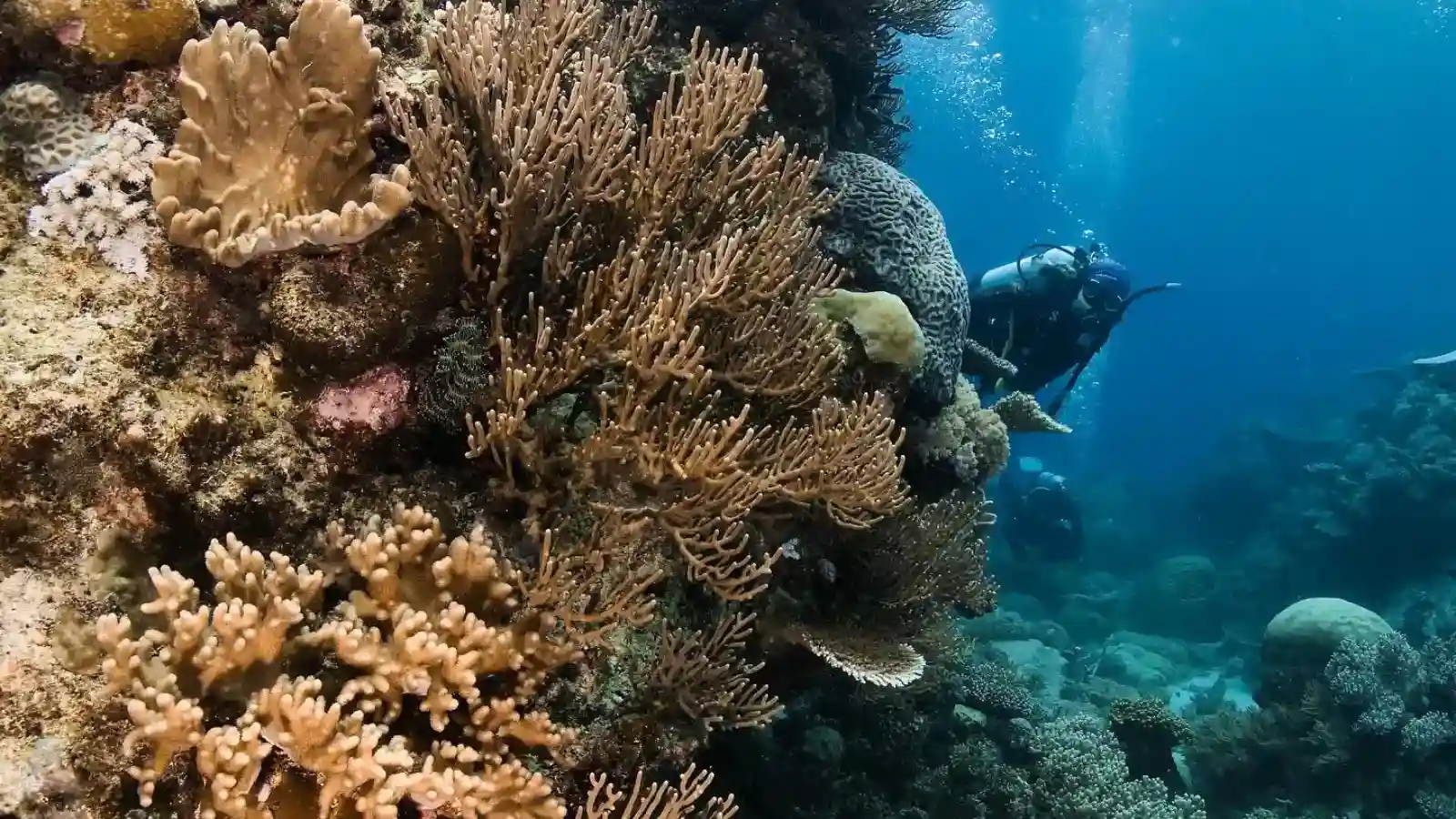
Vuda Point's reef consists of patch coral formations on a sandy lagoon floor, with denser growth toward the outer reef edge. Water clarity varies with conditions but is typically 8–15 meters visibility on good days. Here's an honest assessment of the marine life:
Common Sightings (Most Visits)
- Parrotfish: Multiple species, often in small groups. You'll hear them crunching coral before you see them.
- Butterflyfish: Yellow, black, and white patterns. Usually in pairs around coral heads.
- Damselfish: Small, territorial, abundant. Blue chromis and sergeant majors everywhere.
- Wrasses: Colorful cleaners and cruisers. Moon wrasse particularly common.
- Sea Cucumbers: On sandy bottom between coral patches.
- Hard Corals: Brain coral, staghorn, table coral formations.
- Soft Corals: Less abundant than offshore but present in protected areas.
Regular Sightings (Most Good Days)
- Triggerfish: Titan and Picasso triggers patrol territories aggressively.
- Surgeonfish: Blue tangs, powder blues in deeper sections.
- Moray Eels: Heads poking from crevices, especially morning.
- Anemonefish: "Nemo" in anemones scattered throughout reef.
- Giant Clams: Several large specimens in specific areas.
- Lionfish: Invasive but photogenic; often under ledges.
- Nudibranchs: For those who look closely at substrates.
Occasional Sightings (Luck Required)
- Eagle Rays: Sometimes cruise through deeper water at reef edge.
- Blacktip Reef Sharks: Small sharks (1–1.5m) in deeper areas. Harmless and shy.
- Octopus: Masters of camouflage; look for eye movement on rocky substrate.
- Green Sea Turtles: Occasional visitors, more common at certain times.
- Cuttlefish: Rare but spectacular when encountered.
- Barracuda: Singles or small schools at reef edge.
Rarely (Don't Expect These)
- Manta Rays: Very rare near shore; need boat trips for reliable sightings.
- Whale Sharks: Not a Vuda Point species; try Beqa or outer reefs.
- Dolphins: Occasionally pass through but don't count on it.
- Large Groupers: Fished out near shore; find them at marine reserves.
- Pristine Coral Gardens: This is decent reef, not magazine-cover perfection.
Understanding Tides: The Critical Factor
Tides dramatically affect Vuda Point snorkeling. Get this wrong and you'll have a frustrating experience; get it right and the reef opens up beautifully. Here's what you need to know:
High Tide (Best Conditions)
High tide is ideal. Water depth over the reef reaches 3–6 meters, giving comfortable clearance over coral. Fish are more active with water movement. Entry and exit are easiest. Visibility often best as deeper water dilutes any sediment. Plan your session to coincide with high tide or the two hours before/after.
Mid Tide (Workable)
Mid tide is acceptable but requires more care. Some reef sections become shallow — you'll need to swim around rather than over them. Risk of fin strikes on coral increases. Fish activity is moderate. Still worth snorkeling but less ideal than high tide.
Low Tide (Avoid)
Low tide exposes much of the reef flat — you literally cannot swim over it. Remaining water is too shallow for comfortable snorkeling, and navigating around exposed coral is frustrating. Walking on reef damages it and isn't permitted. Do not attempt to snorkel at low tide; wait for the water to rise.
Checking Tides
Check tide tables before planning your snorkel. Free apps (Tide Charts, Tides Near Me) work for Fiji. Search for Lautoka or Nadi tide data — Vuda Point falls between these stations. Aim to be in the water during the 3–4 hours around high tide. Local staff at Vuda Marina or nearby accommodations can also advise on current conditions.
Access Points & Locations
"Vuda Point" covers several potential snorkeling access points. Understanding your options helps you find the right entry for your situation:
Vuda Marina Area
The marina provides the most organized access point. Parking available, gear rental nearby, and local knowledge readily accessible. Entry is through sandy beach areas adjacent to the marina. The reef here sees more traffic but is well-mapped and relatively easy to navigate.
Anchorage Beach Resort Area
The beach near Anchorage Beach Resort offers good shore entry. Non-guests can typically access the beach (Fiji beaches are public below high-water mark) but should be respectful. Reef here is slightly less trafficked than marina area. Ask resort staff about current conditions if passing through.
Village-Adjacent Areas
Some beach sections near Viseisei and other villages offer snorkeling access. However, these require cultural sensitivity — ask permission before crossing village land, and understand that some areas may be restricted. This option suits travelers comfortable with informal arrangements and village protocols.
Equipment: Bring vs. Rent
Your gear situation affects both cost and comfort. Here's a practical breakdown:
Bringing Your Own Gear
FJ$0 per session
- Pros: Perfect fit, familiar equipment, no rental hassle
- Cons: Takes luggage space, responsible for it
- Best For: Multiple snorkel sessions planned, specific gear preferences
- Tip: Mask and snorkel are worth bringing; fins optional if tight on space
Renting Locally
FJ$25–40 per session
- Pros: No luggage weight, no responsibility for equipment
- Cons: Fit may be imperfect, quality varies, availability not guaranteed
- Best For: Single snorkel session, traveling light
- Where: Vuda Marina area, some resorts, Nadi dive shops
Essential Equipment Checklist
- Mask: Well-fitting, no leaks — the most important piece. Test before entering water.
- Snorkel: Dry-top or semi-dry recommended for beginners. Purge valve helpful.
- Fins: Full-foot or adjustable. Essential for reaching outer reef efficiently.
- Reef-Safe Sunscreen: Non-negotiable. Chemical sunscreens damage coral. Look for zinc oxide or titanium dioxide.
- Rash Guard: Sun protection and minor sting/scrape protection. Highly recommended.
- Water Shoes: For shore entry over rocky/coral sections if not using fins from beach.
Safety Considerations
Shore snorkeling has different risks than boat-based trips. No guide is watching you, no boat is picking you up — you're responsible for yourself. Here's what to consider:
Current Awareness
Vuda Point's lagoon is generally protected, but currents exist — especially during tidal changes and at reef passages. If you feel yourself being pulled, don't fight directly against current; swim perpendicular to it toward shallower reef, then work back toward shore. Start each session with a short swim to assess conditions before going far from entry point.
Buddy System
Snorkel with a partner. If one person has a problem — cramp, equipment failure, fatigue — the other can assist or get help. Solo snorkeling isn't recommended, especially in unfamiliar areas. At minimum, tell someone onshore where you're going and when to expect you back.
Marine Life Hazards
Most reef life is harmless if you don't touch it. Exceptions: fire coral (stings on contact), lionfish (venomous spines), stonefish (camouflaged on bottom — watch where you stand), sea urchins (spines in feet hurt). Don't touch anything, watch where you put hands and feet, and maintain clearance from coral. Reef sharks at Vuda are small and avoid humans — not a concern.
Sun Exposure
Snorkeling exposes your back to intense sun for extended periods. Severe sunburn is common among tourists. Wear a rash guard or UV shirt, apply reef-safe sunscreen to exposed skin (back of legs, neck, ears), and limit initial sessions to 45–60 minutes. Fiji's sun is brutal — respect it.
Boat Traffic
Near the marina, boats transit through the area. Stay aware of engine sounds, and if a boat approaches, stop and make yourself visible (raise arm, stay vertical) until it passes or changes course. Don't assume boats see you — especially from behind when you're floating face-down. Bright-colored rash guards and dive flags improve visibility.
Honest Assessment: Vuda Point vs. Boat Trips
Is Vuda Point "as good" as boat snorkeling to the Mamanucas or other offshore sites? No — and pretending otherwise would be dishonest. Here's a fair comparison:
Vuda Point Advantages
- Cost: Free entry + optional FJ$25–40 rental vs. FJ$150–300 boat trips
- Flexibility: Snorkel when you want, for as long as you want
- No Seasickness: Walk in from shore
- Time Efficient: 30 minutes from Nadi vs. half-day commitment for boats
- Multiple Visits: Easy to return daily if staying nearby
- Family Friendly: Shallow areas suitable for beginners/children
Boat Trip Advantages
- Reef Quality: Offshore sites are generally healthier and more diverse
- Big Marine Life: Better chances for mantas, larger sharks, turtles
- Visibility: Offshore waters typically clearer
- Multiple Sites: Boats visit several spots per trip
- Guides: Spotters help find interesting creatures
- Dramatic Scenery: Walls, channels, passages more impressive offshore
The Verdict
Vuda Point is excellent for what it is: accessible, affordable shore snorkeling with genuinely decent reef. It's not a substitute for offshore experiences but a complement to them — or a practical alternative when budget or time constraints rule out boat trips. If you have FJ$200 and a full day, book a Mamanucas catamaran trip. If you have FJ$40 and two hours, Vuda Point delivers real reef experience at a fraction of the cost.
Reef-Safe Practices
Fiji's reefs face pressure from climate change, pollution, and tourism. Snorkeling responsibly matters — both for reef health and for maintaining local access. Here's what that looks like:
Reef-Safe Snorkeling Code
Do:
- ✓ Use reef-safe sunscreen (mineral-based)
- Maintain buoyancy — don't stand on or touch coral
- Keep fins clear of reef when swimming
- Take only photos, leave only bubbles
- Pick up any trash you encounter (yours or others')
- Report unusual coral bleaching or damage
Don't:
- Touch, stand on, or break coral
- Chase, touch, or feed fish
- Collect shells, coral, or marine life
- Use chemical sunscreens (oxybenzone, octinoxate)
- Stir up sediment by walking on sandy bottom
- Anchor on coral (if you have a watercraft)
Want to go beyond passive protection? Coral planting workshops near Nadi let you actively contribute to reef restoration — hands-on conservation that gives back to the ecosystems you're enjoying.
Practical Information
Getting There
- From Nadi: 20–25 minutes by car/taxi via Queen's Road north
- Taxi Cost: FJ$25–40 one way from Nadi town
- Bus: Local buses run along Queen's Road; ask for Vuda Point stop
- Parking: Available at Vuda Marina area
Best Conditions
- Tide: High tide (± 2 hours)
- Weather: Calm, sunny days; avoid strong wind
- Time: Morning (8–11 AM) for best light, calmer water
- Season: Year-round; dry season (May–Oct) slightly better visibility
What to Bring
- Snorkel gear: Mask, snorkel, fins (or rent locally)
- Sun protection: Reef-safe sunscreen, rash guard, hat
- Water: Stay hydrated; at least 1 liter
- Towel: Quick-dry travel towel ideal
- Dry bag: For phone, wallet, keys
- Cash: For gear rental, food, taxi
Costs Summary
- Shore access: Free
- Gear rental: FJ$25–40
- Transport (taxi round trip): FJ$50–80
- Total budget trip: FJ$50–120
- Compare to boat trips: FJ$150–300
Tips for Better Snorkeling
Arrive at Optimal Tide
Check tides before leaving your accommodation. Arriving at low tide means waiting hours or having a poor experience. Plan to be in the water during the 3–4 hour window around high tide. This single factor affects your experience more than anything else.
Defog Your Mask Properly
A foggy mask ruins snorkeling. Before entering, spit in your mask, rub saliva around the lens, rinse briefly, and put it on. Commercial defog works too. Don't rinse too thoroughly — you want a thin film remaining. Repeat if fog returns mid-session.
Slow Down
Rushed snorkelers see less. Fish flee from splashing and fast movement. Swim slowly, float motionless near interesting coral heads, and let marine life become accustomed to your presence. The best sightings come after you've been still for a minute or two.
Look in Crevices and Under Ledges
The most interesting creatures hide. Moray eels peer from holes. Octopus squeeze into cracks. Lionfish lurk under overhangs. Don't just swim over the reef — scan the structure for movement in shadows. A flashlight (even a phone light in waterproof case) helps reveal hidden life.
Work the Reef Edge
Where reef meets deeper water, marine life concentrates. Predators patrol this zone; prey species shelter just inside. If conditions and your comfort level allow, spend time swimming along the outer reef edge where the lagoon drops off. Larger fish are more common here.
Summary
Frequently Asked Questions
Is Vuda Point safe for beginner snorkelers?
Yes, with caveats. The lagoon is protected with generally calm conditions, making it suitable for beginners. However, you need to choose correct tide timing (high tide), stay within your comfort zone, and ideally snorkel with a buddy. Beginners should start in shallower areas close to shore and gradually venture out as confidence builds. If you've never snorkeled before, consider a quick lesson at a resort pool first.
Can I rent snorkel gear at Vuda Point?
Yes — gear rental is available near Vuda Marina and at some nearby accommodations. Expect to pay FJ$25–40 for mask, snorkel, and fins. Quality varies, so inspect equipment before accepting. Alternatively, rent from dive shops in Nadi (wider selection, better quality) and bring gear with you. If you're snorkeling multiple times during your trip, buying cheap gear in Nadi (FJ$50–80 for basic set) may be more economical than multiple rentals.
Are there sharks at Vuda Point?
Blacktip reef sharks occasionally cruise the deeper reef edges. These are small sharks (typically 1–1.5 meters) that pose no threat to humans. They're shy and will swim away if you approach. Seeing one is actually a good sign — it indicates healthy reef ecosystem. There are no dangerous shark species in the shallow lagoon areas. If sharks concern you, stay in shallower water closer to shore.
What's the best time of year to snorkel here?
Snorkeling is possible year-round, but the dry season (May–October) typically offers better visibility and calmer conditions. Wet season (November–April) brings more rain, which can reduce visibility temporarily and create choppier conditions. However, water temperature stays warm year-round (26–29°C), and good snorkeling days occur in every month. Check weather forecasts rather than ruling out particular seasons.
Can children snorkel at Vuda Point?
Children who can swim comfortably and use snorkel equipment can enjoy Vuda Point's shallower areas. The calm lagoon conditions are more suitable for kids than open ocean sites. Ensure children have properly fitting masks (leaky masks frustrate young snorkelers), stay close to supervise, and keep sessions short to prevent fatigue. Children under 8 may find full snorkeling challenging; consider clear-bottom floats or just swimming/wading.
How does Vuda Point compare to Beqa Lagoon or Mamanuca snorkeling?
Offshore sites like Beqa and the Mamanucas offer superior reef quality, better visibility, more diverse marine life, and dramatic underwater topography. They're worth the extra cost (FJ$150–300) if budget allows. Vuda Point is best understood as a convenient, affordable option — not a substitute for premier sites. If you have time and budget for one offshore trip plus casual snorkeling, do both: book Mamanucas for the best experience, use Vuda Point for additional low-cost sessions.
Worth the Visit?
If you're expecting world-class reef that rivals the Great Barrier or Raja Ampat, no — Vuda Point is a decent nearshore reef near a marina, not a pristine marine sanctuary. The coral is healthy but not spectacular. The fish are abundant but not exceptional. The experience is good, not transformative.
But if you want to snorkel on your own schedule, without boat fees, with shore access that lets you come and go as you please — Vuda Point delivers exactly that. Walk in, swim over coral, see tropical fish, cool off from Fiji's heat, all for the price of gear rental. For budget travelers, families who want flexible timing, or anyone seeking additional snorkeling beyond a single boat trip, the value is clear.
The bottom line: Free shore access to genuinely decent reef, 25 minutes from Nadi. Check tide timing, bring reef-safe sunscreen, and calibrate expectations appropriately. Vuda Point won't be your trip's highlight, but it might be the snorkeling session that fits perfectly into an otherwise busy day — and that flexibility has real value.