Tree Planting Volunteer Days Near Nadi: How to Join, What to Expect & Honest Guide (2026)

By FijiEco Team | Published: April 2, 2025 | Updated: December 14, 2025

Community tree-planting days near Nadi offer something most tourist activities don't: actual contribution to something beyond your own experience. For FJ$20–50 donation (sometimes free), you spend a morning digging holes, planting native seedlings, and working alongside villagers who care about their forests. It's physical work, not passive tourism — and for travelers seeking connection over consumption, these volunteer days deliver something more memorable than another resort activity.

Tree Planting Quick Facts (2026)

  • Location: Sabeto Valley, Votualevu, Nausori Highlands villages (20–45 min from Nadi)
  • Cost: FJ$20–50 donation (some events free); covers seedlings and tools
  • Duration: Half-day (3–4 hours) or full-day (6–7 hours with meal)
  • Frequency: Weekly to monthly depending on season and organization
  • Group Size: 5–30 volunteers typical
  • Physical Level: Moderate — digging, bending, carrying in tropical heat
Conservation Volunteering, Native Reforestation & Community Connection
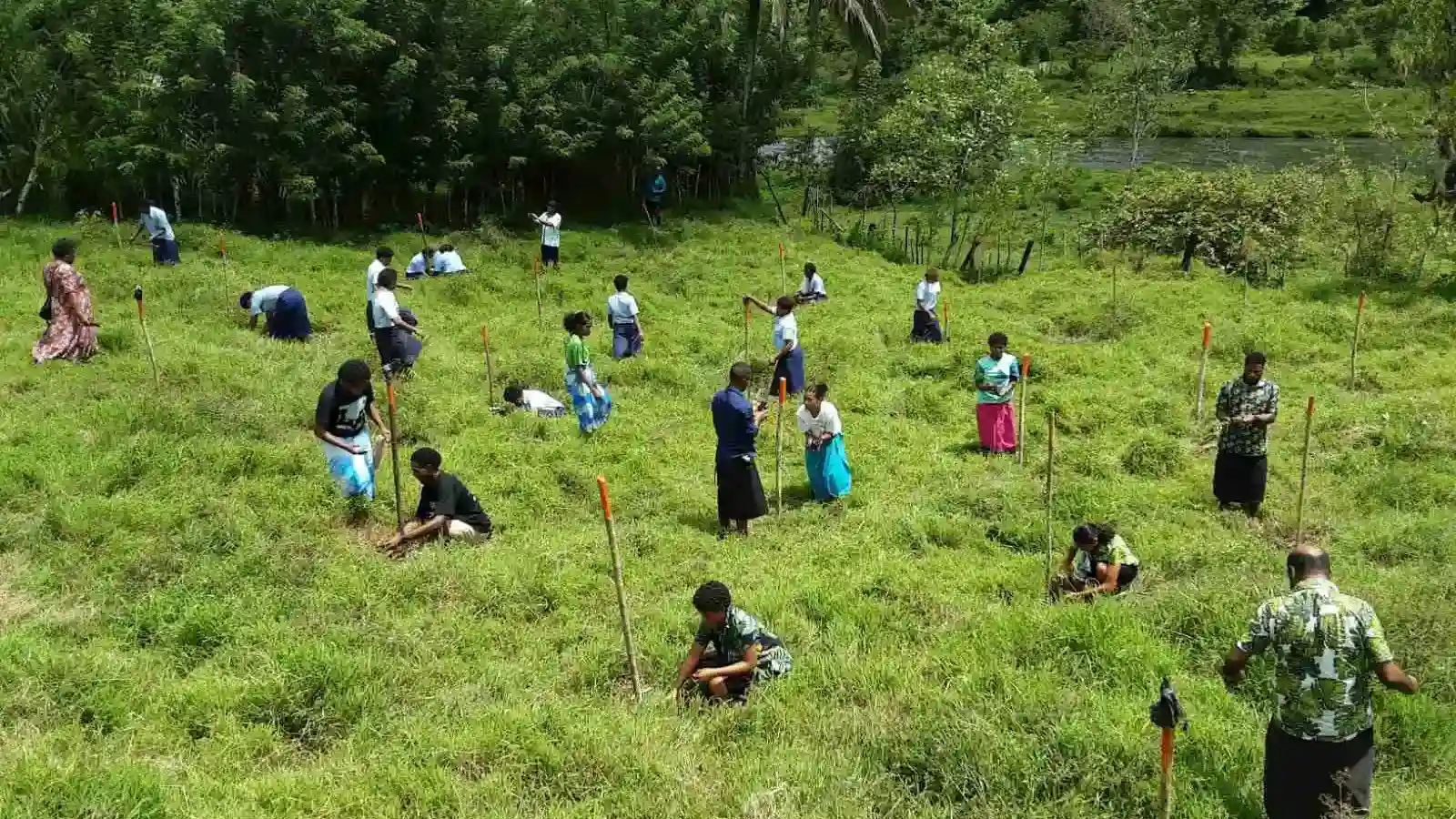
Volunteers and local villagers planting native tree seedlings during community reforestation day near Nadi Fiji
Community planting days bring together villagers, youth groups, and travelers to restore native forests — real work with real impact.

Why This Matters (And Why It's Complicated)

Fiji has lost significant forest cover over the past century. Logging, agricultural expansion, and cyclone damage have reduced native forests, affecting watersheds, biodiversity, and traditional resources. Community-led reforestation efforts are working to reverse this — and visitor participation provides both labor and funding that supports their work.

But let's be honest about volunteer tourism's complexities. A morning of planting doesn't offset the carbon from your flight to Fiji. Your inexperienced labor isn't as efficient as trained workers. And some "voluntourism" programs exist primarily to make tourists feel good rather than create meaningful impact.

The programs near Nadi generally avoid these pitfalls. They're community-initiated, not tour-operator-invented. Your donation funds seedlings and nursery operations regardless of your planting skill. And the cultural exchange — working alongside villagers, sharing meals, hearing stories — creates value beyond the trees themselves. Go in with realistic expectations: you're participating in something meaningful, not saving the planet single-handedly.

What Actually Happens: A Typical Planting Day

Understanding the structure helps you know what you're signing up for:

Pickup & Travel (30–60 minutes)

Most programs arrange pickup from Nadi hotels or central meeting points. The drive to planting sites in Sabeto Valley or inland villages takes 20–45 minutes, often on increasingly rough roads as you leave the tourist corridor. This transition is part of the experience — watching Fiji shift from resort to rural.

Welcome & Orientation (20–30 minutes)

Arrival at the village or planting site includes introductions, sometimes a brief sevusevu (kava presentation) if entering village land, and orientation about the day's goals. You'll learn what species you're planting, why the site was chosen, and basic technique. This isn't rushed — relationship-building matters here.

Planting Work (2–3 hours)

The core work: digging holes, placing seedlings, filling soil, sometimes adding mulch or stakes. You'll work alongside villagers who set the pace and demonstrate technique. Expect to plant 10–30 trees depending on species and conditions. It's genuinely physical — bending, digging, carrying in tropical humidity. Water breaks are frequent.

Shared Meal & Stories (45–90 minutes)

Full-day programs include a communal meal — often traditional Fijian food prepared by village women. This is when real conversation happens: hearing about forest history, village life, climate impacts. Some programs include brief cultural elements like traditional songs or storytelling. Don't rush this part; it's where connection deepens.

Return & Reflection (30–60 minutes)

Drive back to Nadi with time to process the experience. Some programs provide certificates or photos. You'll return tired, dirty, and likely with a different perspective on Fiji than beach-focused tourists gain.

The Trees: What You'll Plant

Understanding the species adds meaning to the work. These aren't random trees — they're carefully selected native and traditional species with specific ecological and cultural value:

Dakua (Fiji Kauri)

Fiji's iconic native conifer, historically logged nearly to extinction. Slow-growing but immensely valuable for watershed protection. Planting dakua is long-term conservation — these trees will outlive everyone planting them.

Vesi (Intsia bijuga)

Traditional hardwood used for canoes, kava bowls, and ceremonial objects. Culturally significant and commercially valuable — planting vesi supports both ecology and traditional crafts.

Sandalwood (Yasi)

Aromatic wood with significant export value. Some programs include sandalwood to provide villages with future income while restoring native forest cover.

Tropical Fruit Trees

Breadfruit, mango, coconut — not native but culturally essential. Mixed planting provides food security alongside forest restoration.

If you want to see what mature native Fiji forests look like, Koroyanitu National Heritage Park preserves highland forest with many of the species you'll be planting as seedlings.

Organizations & How to Join

Several groups organize planting days near Nadi. Quality and approach vary — here's how to find legitimate programs:

Village-Based Programs

The most authentic option. Villages in Sabeto, Votualevu, and highland areas organize planting through their own nurseries and youth groups. Access usually through local connections — ask at eco-accommodations, community farming projects, or sustainability-focused cafes. Less structured but most direct impact.

Cost: Donation-based (FJ$20–50 suggested)

NGO-Organized Events

Environmental NGOs operating in Fiji coordinate larger planting events, often during rainy season when survival rates are highest. These tend to be better organized with transport, tools, and refreshments provided. Check Fiji Environmental Law Association or local conservation groups for schedules.

Cost: FJ$30–75 (covers materials and logistics)

Eco-Accommodation Programs

Some eco-lodges and sustainable hotels partner with nearby villages for guest planting experiences. Convenience of hotel-arranged transport and scheduling, though often smaller scale. Ask your accommodation about partnerships — even if not advertised, they may know of opportunities.

Cost: Often included in stay or FJ$50–100 for day guests

How to Find Events

  • Ask locally: Staff at eco-cafes, backpacker hostels, and sustainable tourism operators often know upcoming events
  • Social media: Local environmental groups post events on Facebook — search "Fiji tree planting" or "Nadi reforestation"
  • Timing: Rainy season (November–April) has more planting events as seedling survival is higher
  • Advance notice: Some events fill up; ask 3–7 days ahead when possible

Honest Assessment: Who This Is For

Volunteer planting isn't for everyone. Here's an honest assessment:

Good Fit If You...

  • Want to contribute meaningfully during your travels
  • Are comfortable with physical work in heat
  • Value community connection over polished experiences
  • Can handle unstructured situations and flexible timing
  • Are interested in ecology and conservation
  • Want to see rural Fiji beyond tourist areas
  • Appreciate simple rewards — satisfaction of work done, not Instagram moments

Consider Other Options If You...

  • Want relaxation — this is work, not leisure
  • Have physical limitations (bad back, heat sensitivity)
  • Prefer predictable, scheduled activities
  • Are traveling with young children (unless specific family events)
  • Want visible, immediate results — seedlings take years to become forests
  • Are uncomfortable with basic facilities (village toilets, no AC)
  • Have limited time — half-day minimum commitment

Alternative: Beach Clean-Ups

If tree planting seems too physical or remote, beach clean-up meetups offer similar volunteer satisfaction with easier logistics — closer to Nadi, shorter time commitment, and less strenuous work. Both contribute to Fiji's environment; choose based on your interests and capacity.

Making It More Meaningful

A few approaches deepen the experience beyond showing up:

Learn Before You Go

Understanding Fiji's deforestation history and the species you'll plant adds meaning. The Garden of the Sleeping Giant provides context on native plants; visiting before planting connects what you see as mature specimens to the seedlings you'll put in ground.

Engage Beyond the Work

Ask questions about village life, forest history, climate impacts. The work creates context for conversation that wouldn't happen as a tourist passing through. People share more when you're digging alongside them than when you're photographing them.

Follow Up

Some programs share updates on planted areas — survival rates, growth progress. Ask if this is possible. Seeing "your" trees grow via photos months later extends the connection beyond a single morning's work.

Contribute Beyond Your Visit

If the program resonates, consider ongoing support — seedling sponsorship, nursery donations, sharing their work with others. One morning of labor helps; sustained support helps more.

Practical Information

What to Wear

  • Clothing: Long pants (protection from plants), old t-shirt you can get dirty
  • Footwear: Closed-toe shoes with grip — boots or old sneakers
  • Hat: Wide-brimmed for sun protection
  • Gloves: Optional — some programs provide, or bring gardening gloves

What to Bring

  • Water: At least 2 liters — you'll sweat heavily
  • Sunscreen: Reef-safe, applied before arrival
  • Insect repellent: For breaks and shaded areas
  • Snacks: Energy bars or fruit (if meal not included)
  • Change of clothes: You'll be muddy/sweaty after
  • Cash: For donation, any purchases (no card payment)

Costs

  • Participation: FJ$0–50 (donation-based to fixed fee)
  • Transport: Often included; if not, FJ$30–60 taxi
  • Meals: Usually included in full-day programs
  • Total budget: FJ$30–100 depending on program

Timing

  • Best season: Rainy season (Nov–Apr) for seedling survival
  • Start time: Usually early (7–8 AM) to avoid midday heat
  • Duration: 3–4 hours (half-day) or 6–7 hours (full-day)
  • Booking: 3–7 days advance notice recommended

Tips for a Better Experience

Start Hydrated

Drink plenty of water before arrival — you're about to work hard in tropical heat. Arriving already hydrated reduces fatigue and heat stress. Continue drinking throughout, even when you don't feel thirsty.

Pace Yourself

Enthusiasm is great, but burning out after 30 minutes helps no one. Work at a steady pace that you can maintain for hours. Watch the villagers — they've been doing this their whole lives and know the sustainable rhythm.

Ask About Technique

Proper planting technique matters for seedling survival. Hole depth, soil compaction, orientation — there are right and wrong ways. Ask villagers to demonstrate and correct your form. Learning shows respect and improves your contribution.

Stay for the Meal

If a communal meal is offered, participate fully. Eat what's served, sit with villagers, engage in conversation. Rushing off after planting misses the cultural exchange that makes this more than manual labor.

Be Present, Not Performative

This isn't content for social media — or rather, the experience is diminished if that's the focus. Put the phone away, be present in the work and conversation. One genuine morning of connection beats dozens of "I planted trees in Fiji" posts.

Summary

Location: Villages in Sabeto Valley, Votualevu, Nausori Highlands (20–45 min from Nadi)
Cost: FJ$20–75 donation/fee (some events free)
Duration: Half-day (3–4 hours) or full-day (6–7 hours)
Physical Level: Moderate — digging and bending in tropical heat
Best Season: Rainy season (November–April) for seedling survival
What You Plant: Native species (dakua, vesi), fruit trees, sandalwood
Best For: Travelers seeking meaningful contribution and community connection

Frequently Asked Questions

Do I need any experience?

No experience required. Villagers and organizers demonstrate technique and work alongside you. If you can dig a hole and follow instructions, you can participate effectively. Enthusiasm and willingness matter more than skill — the experienced planters will guide you.

How fit do I need to be?

Moderate fitness is helpful. You'll bend, dig, carry seedlings, and work in heat for 2–3 hours. People with back problems, severe heat sensitivity, or limited mobility may struggle. That said, there are usually varied tasks — if digging is too hard, carrying seedlings or watering may be options. Communicate limitations to organizers.

Can children participate?

Children 10+ can usually participate in family-friendly events with appropriate expectations. Younger children struggle with the physical demands and heat. Some programs specifically welcome families; others are adult-focused. Ask organizers about suitability and whether child-appropriate tasks will be available.

Does this actually help, or is it just feel-good tourism?

Legitimate programs create real impact through two channels: your labor plants trees that survive and grow, and your donation funds ongoing nursery operations and future planting. The key is choosing community-initiated programs where your contribution supplements local efforts rather than replacing them. Ask where donations go and what survival rates planted seedlings achieve.

What if it rains?

Rain is actually ideal for planting — seedlings establish better when the soil is moist. Unless there's dangerous weather (lightning, flooding), planting usually proceeds in rain. You'll get wet, but it's warm rain and you're already getting dirty. Bring a light rain jacket if concerned, but embrace the conditions — plants love rain.

How do I find events happening during my visit?

Start asking locally as soon as you arrive. Eco-focused accommodations, sustainable cafes, and backpacker hostels often have current information. Check Facebook for local environmental groups. If nothing is scheduled during your dates, ask if smaller village-based planting can be arranged — sometimes opportunities exist that aren't publicly advertised.

Worth Your Time?

If you're seeking relaxation or prefer structured tourist experiences, no — tree planting is work, not leisure, and the logistics require flexibility. If you want Instagram-ready results or visible transformation, seedlings won't satisfy; forests take decades to grow. If physical labor in tropical heat sounds miserable, trust that instinct.

But if you've traveled far and want more than beaches and buffets — if you'd rather contribute than consume, connect than observe — volunteer planting offers something most Fiji tourism doesn't. Working alongside villagers, hearing about their forests and futures, putting seedlings in ground that will grow long after you've forgotten this trip: these experiences have a different quality than typical travel. Not better necessarily, but different. Deeper, maybe.

The bottom line: For FJ$30–75 and a morning's work, you get genuine contribution to Fiji's reforestation, authentic community connection, and the quiet satisfaction of having done something beyond your own enjoyment. The trees don't care about your motivations — they'll grow regardless. But you might find that helping them matters more than you expected.