Savusavu Temple and Mosque Visits: A Cultural Guide
Written and researched by Yevhen Derkach
Last updated and fact-checked: .
To explore religious heritage in Savusavu, start by arranging an introduction to a Hindu or Muslim community. Ask about Naag Deo Sthaan in Nukuloa or Savusavu Mosque, and arrange a visiting time with a host. A short, hosted visit gives you someone to explain the setting and customs. Combine it with the town market and waterfront for a relaxed cultural outing on Vanua Levu.
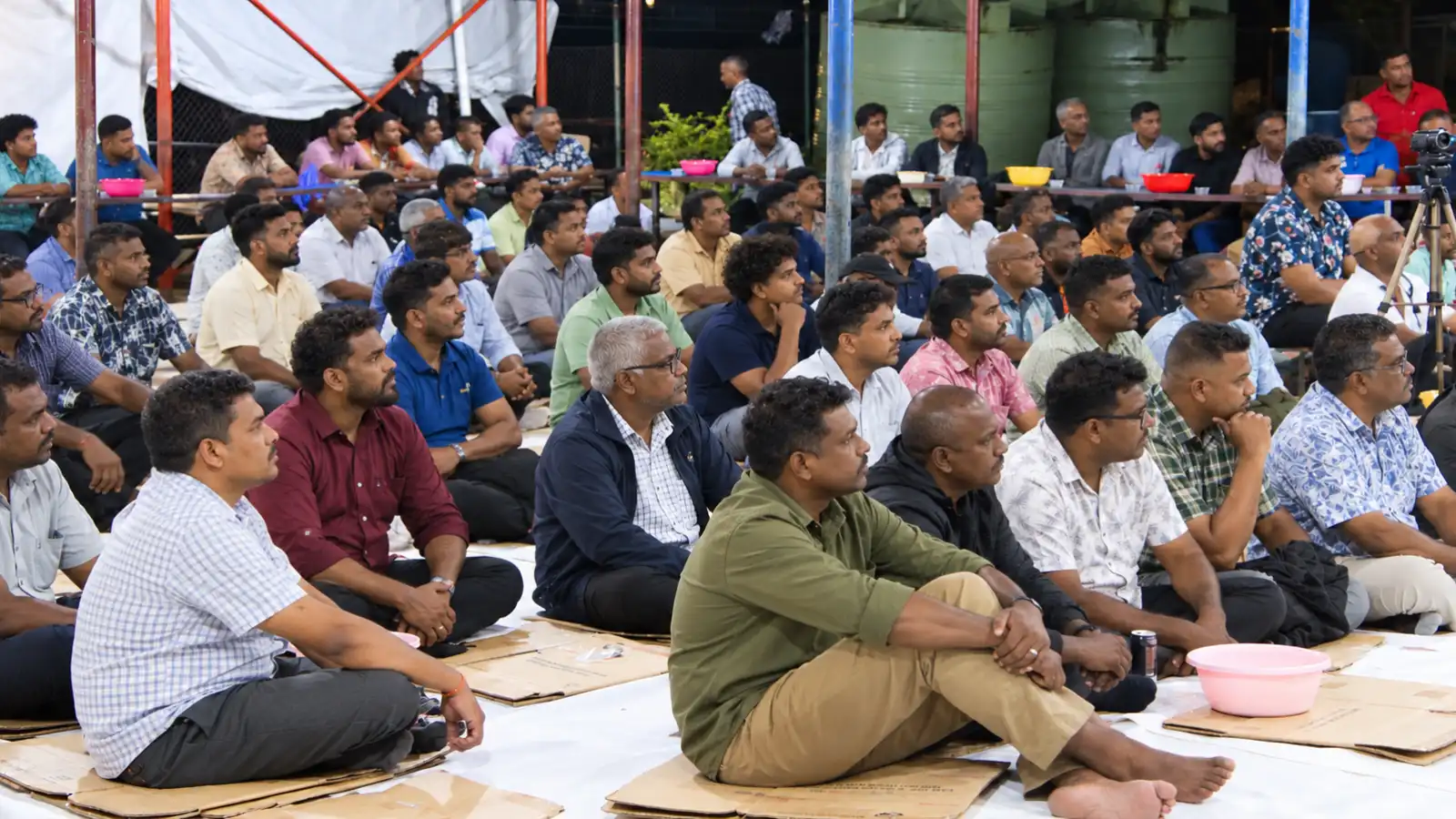
Temple and mosque visits in Savusavu
Naag Deo Sthaan: the Hindu community at Nukuloa
Naag Deo Sthaan is the name to use when asking about the Hindu temple community at Nukuloa, Savusavu. An August 2024 report describes its local committee and temple-building project. For a visit today, ask your accommodation whether they can help you reach the committee or another local contact. Agree on access and a meeting point with the community before traveling to Nukuloa.
Tell the host whether you would like to learn about the community, observe a ceremony or spend a few quiet minutes at the site. Let them choose a suitable time and the areas you can enter. A mandir is a Hindu place of worship; the host can explain the names, images and practices you encounter there.
Savusavu Mosque: arrange an introduction
Savusavu Mosque appears in mosque directories, but those listings do not provide a public sightseeing schedule. Ask a local host to arrange a cultural visit outside the busiest prayer periods. If you are visiting to worship, ask the congregation for its actual prayer and congregation times.
For help finding a local contact, use the Fiji Muslim League’s contact page: +679 338 4566 or +679 990 8566, or email [email protected]. These are the League’s national headquarters contacts in Suva; request an introduction to the Savusavu community.
Arrange a worthwhile visit
Your hotel, resort or homestay is a practical place to ask about a local introduction. You can also contact the Savusavu Tourism Association through its homepage form. Ask whether they can suggest an appropriate local contact.
- Describe your group: number of visitors, children and whether you want to observe worship or have a cultural conversation.
- Get a meeting point: the site’s name, entrance or a map pin supplied by the host, plus a contact for your arrival.
- Agree on the visit: start time, expected length, host or guide fee, photography and any clothing requirements.
- Book transport around that appointment: include the pickup after the visit and any town stops in the same arrangement.
During the visit, ask what a ceremony marks, how the community gathers and which festivals matter to local families. These questions give the host room to share their own experience. Keep private family occasions, prayers and offerings out of your photographs unless invited.
How to get there
From Savusavu town or your accommodation
Savusavu’s town center is walkable. For an address outside the center, use a taxi from the rank between the bus stand and market, or ask your accommodation about a car or shuttle. Give the driver your host’s meeting point. Use a metered taxi and agree on waiting time and the return pickup when arranging the visit.
By public bus
Public buses use Fiji’s eTransport system, including physical cards and supported app payments. Prepare your payment method before boarding and confirm the correct stop for your arranged visit. See our Savusavu transport guide for local bus and taxi advice.
Arriving by air
Savusavu Airport (SVU) is the local airport. A flight from Nadi takes about an hour; use your booking for the operating day and arrival time. Arrange transport to your accommodation first, then the cultural visit. If you arrive through Labasa Airport (LBS), allow about 90 minutes by road to Savusavu before any local outing. The tourism association’s flight guide outlines the two arrival options.
Host fees and donations
Ask the host for the admission or guiding arrangement when scheduling the visit. Keep any agreed fee separate from a voluntary donation, and carry small Fijian-dollar notes. If you choose to contribute, use the donation box or follow the host’s instructions.
What to wear and how to visit
- Choose modest, light clothing: cover shoulders and knees. A loose shirt with trousers, a long skirt or a sulu works well in the heat.
- Bring a light scarf: women should ask the mosque host about head covering and the visitor area before arrival.
- Remove footwear where requested: choose shoes or sandals that are easy to take off, and follow the host’s instructions at the entrance.
- Keep your phone silent: follow the host into the appropriate area and let people complete prayers without interruption.
- Ask before taking photographs: permission to photograph a building does not include permission to photograph worshippers or a ceremony.
You can observe respectfully without joining prayers or making an offering. If food is shared, let the host know about allergies or dietary needs. A polite refusal is fine. Arrange meals separately from the cultural visit rather than relying on food being served.
For step-free access, ask about the actual entrance, steps, footwear-free surfaces and available seating. Explain if you need a chair or cannot sit on the floor. The host can then select a suitable visitor area. For wider travel customs, see our Fiji cultural etiquette guide.
Indo-Fijian history and visiting around Diwali
The first Indian indentured workers arrived in Fiji on 14 May 1879. Nearly 60,000 arrived between 1879 and 1916, largely to work in the plantation economy. Their descendants helped shape Fiji’s towns, farming, trade and religious life. Girmit, the local term connected with those labor agreements, remains part of family and national history. A Savusavu visit is a chance to hear how local people describe that heritage today.
Fiji’s official Diwali public holiday is Monday, 9 November 2026. The government holiday calendar gives the national date. Arrange an invitation and arrival time with your host for any local celebration. Ask whether the visit will focus on worship, decorations or a community gathering, and whether photography is welcome.
Nearby stops and the return trip
After the arranged visit, browse the Savusavu Municipal Market for produce and handicrafts, then spend time along the waterfront. The Savusavu hot springs guide covers another town stop. Keep the outing’s order flexible around the time your host can receive you.
For a flight, work backward from the airline’s check-in deadline and include the road journey from your final stop. A departure from Labasa needs the longer transfer across Vanua Levu. For a ferry, use the terminal and reporting time on your ticket. Cruise passengers should give the host and driver the ship’s all-aboard time and any tender arrangements, then leave room for the return transfer.
Frequently asked questions
Can I visit if I do not follow the religion?
Explain that you are seeking a cultural visit when requesting an introduction. The local host decides when and where visitors can enter. During an accepted visit, you can listen and observe without taking part in worship.
Can children come, and what about mobility access?
Include children’s ages and any mobility needs in the request. Ask about steps, seating and the expected length of the visit. A shorter appointment with a host is easier to plan around children’s attention and the heat.
What should I ask the host to explain?
Ask what the site’s name means, which occasions bring the community together and how local families observe them. Let the host introduce religious objects or rituals before approaching them or taking a photograph.
Sources
Current transport, contact and government pages support the practical advice. The dated Nukuloa report provides background on the temple community. General faith visitor guides inform etiquette; the local host sets access and photography arrangements.
- FijiVillage: Naag Deo Sthaan in Nukuloa, 13 August 2024: The community, local committee and temple-building project; historical background, not current visiting hours.
- Zabihah: Savusavu Mosque directory entry: Identification of the mosque; the listing does not provide visitor opening hours.
- Fiji Muslim League: contact page: National headquarters contacts for asking about the Savusavu community.
- Savusavu Tourism Association: Local tourism contact form.
- Savusavu Tourism Association: getting around: Town walking, the bus stand, taxi rank and accommodation-arranged transport.
- Savusavu Tourism Association: flights: Savusavu domestic flights and the road connection from Labasa Airport.
- Vodafone Fiji: eTransport app FAQ: Physical cards and supported app payment options.
- Fiji Government: public holidays: The official 2026 Diwali public holiday.
- Fiji Government: 2025 Girmit commemoration: Historical background on Indian indentured arrivals between 1879 and 1916.
- BAPS Shri Swaminarayan Mandir: visitor guidelines: General mandir etiquette; the Savusavu host sets local access and photography rules.
- Muslim Council of Britain: visiting a mosque FAQ: General visitor etiquette and observing a visit without taking part in prayer.
Found an outdated detail or an access change? Send FijiEco a correction.