Participate in a Coastal Cleanup Day in Savusavu – Make Real Environmental Impact
Savusavu's beaches are stunning — until you look closely. Plastic bottles wedged in sand. Fishing nets tangled around coral. Microplastics coating the shoreline. Participating in coastal cleanup isn't optional feel-good tourism. It's urgent necessity. The reefs you'll snorkel belong to communities who depend on them economically and spiritually. When you remove plastic degrading those reefs, you're directly supporting both marine ecosystems and local livelihoods. A few hours cleaning beaches creates tangible change you'll witness immediately.
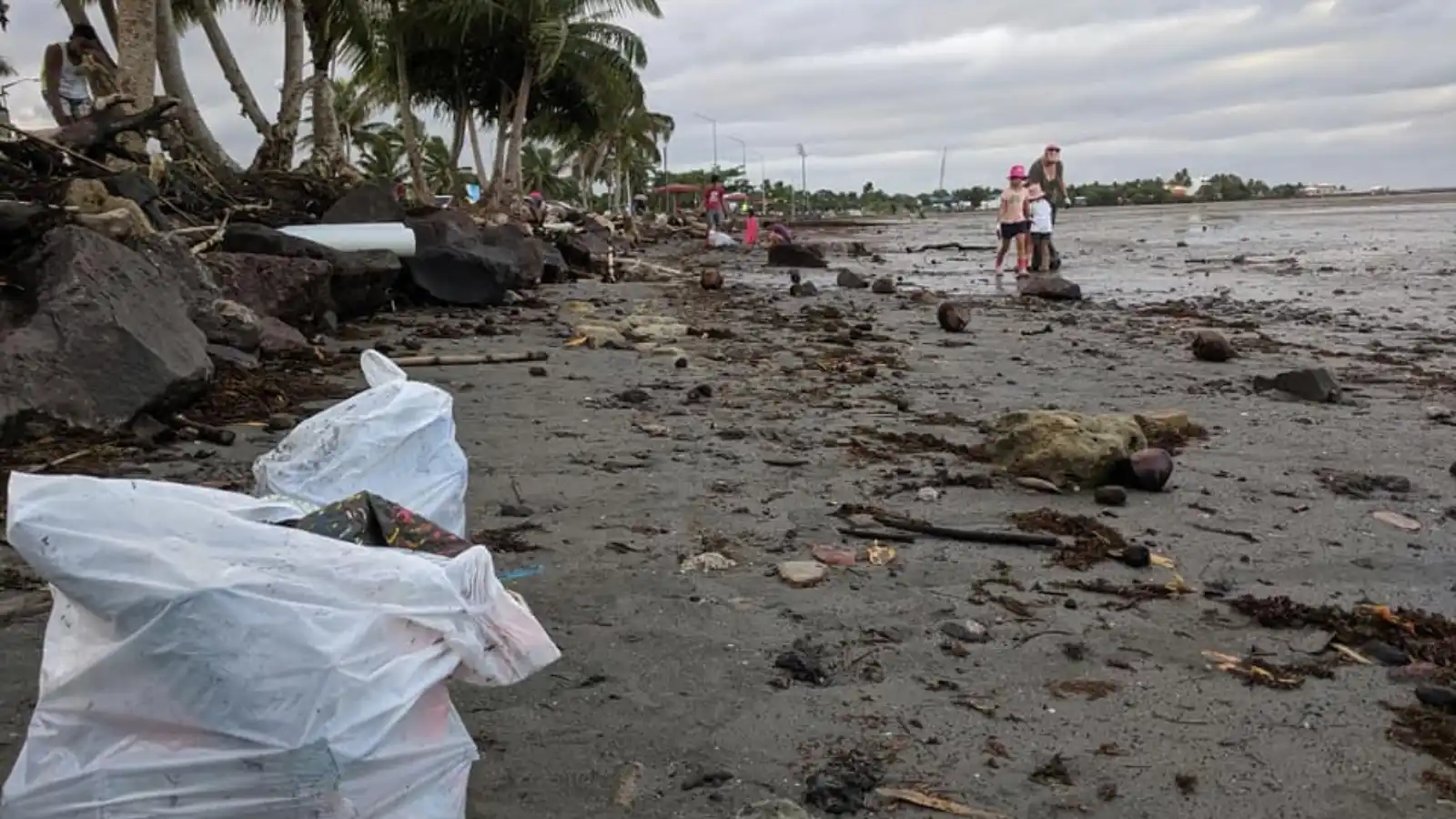
Why Savusavu's Coastlines Need Cleaning
Fiji sits in the Pacific's garbage patch convergence zone. Currents carry plastic from Asia, Americas, and local sources directly to Fijian shores. Savusavu's position on Vanua Levu's northern coast makes it especially vulnerable — beaches accumulate plastic trash regularly. During rainy season, debris increases dramatically.
This isn't abstract environmental concern. Plastic pollution directly threatens Savusavu's economy. Tourism depends on pristine beaches and healthy coral reefs. Fishing, both subsistence and commercial, becomes unsustainable when nets get fouled by debris and fish consume microplastics. The same plastic you remove today would have degraded into the reef your next dive will explore.
Communities understand this urgently. They're organizing cleanups regularly, recruiting visitors to help. Your participation matters — not as photo opportunity but as genuine labor addressing real problem.
What You'll Find (and Remove)
Beach cleanups reveal disturbing reality. Single-use plastic dominates: water bottles, plastic bags, beverage containers. Fishing nets and rope tangle around rocks. Microplastics coat sand. You'll find shoes, toys, toothbrushes, and items that drifted for years across oceans. Some debris is decades old, fragmented but recognizable.
During a typical 2-3 hour cleanup, a small group collects 50-200+ kilograms of trash. This isn't insignificant — it's waste that would continue degrading into ocean food chains, harming marine life and eventually returning to human food supplies through seafood consumption.
How Cleanups Are Organized
Community-Led Initiatives
Local environmental organizations and community groups organize regular cleanups. These are genuinely community efforts, not tourism productions. You'll work alongside Fijian families, schoolchildren, and committed volunteers. The goal is cleanup, not entertainment.
Cleanups typically happen monthly or quarterly, occasionally after major storms when debris accumulates. Timing varies. Ask at your accommodation or with tourism offices for current schedule.
Resort & Tour Company Initiatives
Some resorts and tour operators organize cleanup days, inviting guests to participate. These are more structured than community initiatives, with clear start times, provided equipment, and transportation. Quality varies — some are genuine commitment to environmental stewardship; others are primarily marketing exercises.
Ask operators directly whether they use cleanup marketing but then don't properly dispose of collected waste (it happens). Responsible operators work with established environmental groups, properly sort and dispose of collected materials, and involve local communities in leadership.
Self-Organized Group Cleanups
Travelers staying together can organize informal cleanups. Rent equipment locally, choose a beach, and spend a morning collecting trash. Contact local environmental groups first — they can advise safe areas, provide equipment, and ensure collected waste is properly disposed of rather than creating another environmental problem.
What to Expect During a Cleanup
Logistics
Cleanups typically run 2-3 hours early morning (6-9am is common). This avoids midday heat and often aligns with low tide when beaches are most exposed. You'll be assigned a beach section and given collection bags, gloves, sometimes tongs or rakes. Work alongside other volunteers, moving along the beach systematically collecting visible trash.
Work pace is moderate — no one's racing. The goal is thoroughness, not speed. You'll bend repeatedly, pick up trash, fill bags. It's active work — wear comfortable shoes, bring water, and apply sunscreen. You'll get dirty.
Community Connection
Working alongside community members is the real value. You'll hear stories about why this cleanup matters to them. School kids will work enthusiastically, teaching each other which items to collect. Elders will share frustration about increasing pollution. You'll witness genuine concern for home place from people who actually live here.
These connections create understanding impossible from resorts. You're not visiting Fiji as tourist — you're participating in community problem-solving.
Waste Management
Collected trash is sorted — recyclables separated, dangerous items (broken glass, sharp metal) handled carefully, organic debris composted. Responsible organizations have disposal systems preventing collected waste from becoming another environmental problem. Ask where collected materials go and verify responsible handling.
Post-Cleanup Gathering
Cleanups often conclude with community gathering — shared meal, conversations, sometimes ceremony thanking ocean for bounty and committing to further protection. Food is typically simple, prepared by volunteers. Participation demonstrates respect and investment in community.
Health & Safety Considerations
Important Precautions
- Tetanus protection: Ensure tetanus vaccination current. Dirty debris occasionally contains hazardous materials.
- Gloves essential: Always wear gloves. Sharp objects, broken glass, and contaminated materials are common.
- Sun protection: Apply reef-safe sunscreen, wear hat, take breaks in shade. Heat exhaustion risk is real.
- Hydration: Bring more water than you think necessary. Work pace combined with sun creates rapid dehydration.
- Comfortable shoes: Reef shoes or sturdy sandals protect feet from sharp debris, broken shells, and sharp rocks.
- First aid: Cuts happen. Know where first aid is available. Reef cuts are prone to infection.
- Physical limits: Work at your pace. Bending, lifting, and heat are physically demanding. Take breaks.
- Avoid hazardous items: Don't touch syringes, batteries, or items that look contaminated. Point them out to coordinators.
How to Find & Join a Cleanup
Ask Your Accommodation
Hotel staff know about scheduled cleanups in town. Many resorts can arrange guest participation, sometimes providing transportation and supplies.
Tourism Office
Savusavu's tourism office maintains information about community initiatives and cleanup schedules. Stop by on waterfront for current information.
Local Environmental Groups
Community organizations working on marine conservation often organize cleanups. Ask at market vendors, shops, or restaurants about established groups.
School Communities
Local schools organize regular cleanups as educational activities. Ask if your timing coincides with scheduled events. Student enthusiasm is contagious.
Questions About Participating
Is it actually effective, or just feel-good tourism?
Both matter. Individual cleanups don't solve plastic crisis. But regular removal prevents accumulation, protects reefs during critical periods, and demonstrates community commitment. Long-term solutions require reducing consumption and improving waste management — but cleanups matter now.
Can I organize a cleanup if none are scheduled?
Yes. Contact local environmental groups, school, or community leaders. Explain your interest. They can advise safe locations, help coordinate, and ensure collected waste is properly managed. Most welcome genuine assistance.
What if I'm not physically fit for this?
Participate at your level. You can work for 30 minutes instead of 2 hours. You can sort collected waste instead of beach collection. You can provide drinks for workers. Any contribution helps.
Should I donate money instead of volunteering?
Both matter, but participation adds value. Funding supports ongoing efforts, but your presence demonstrates that outsiders care enough to do physical work. Local communities value both equally.
What happens to collected plastic?
Responsible organizations sort waste — recyclables go to facilities, organic material composts, hazardous items are safely disposed. Ask organizers specifically where materials go. Verify responsibility before committing.
Is it okay to share cleanup photos online?
Ask organizers and community members first. Sharing promotes awareness, but avoid photos that feel like "poverty tourism" or fetishize environmental problems. Share authentic images that respect participants and highlight the work meaningfully.
Beyond the Cleanup Day
Cleaning beaches once addresses symptoms, not causes. The real impact comes from lifestyle changes afterward. Use less plastic. Choose reef-safe products. Support environmental organizations. Advocate for policy changes addressing plastic production. When you return home, the commitment to reducing consumption matters more than any cleanup day.
Cleanups are beginning of conversation, not end. Use the experience to understand consequences of global consumption patterns. Savusavu's pollution reflects what humans are doing everywhere — Fiji is just more visible because it's an island nation surrounded by ocean that concentrates waste.
A coastal cleanup day in Savusavu isn't vacation activity. It's participation in genuine environmental work that directly protects reefs you'll later snorkel at places like Lesiaceva Point, supports communities who depend on healthy oceans, and demonstrates that outsiders care about Fiji's wellbeing beyond extracting experiences.
You'll get dirty, tired, and frustrated seeing how much plastic accumulates. You'll also experience something deeper than most tourists — meaningful work alongside community members, concrete understanding of environmental stakes, and genuine participation in solutions. After your cleanup, consider exploring Waisali Rainforest Reserve to see the pristine ecosystems you're helping protect, or visit Savusavu Town Market to connect with vendors who depend on clean waters for their fishing livelihoods. For accommodations committed to environmental stewardship, look into eco-conscious properties like Daku Resort, or deepen your understanding of sustainability by learning about how to travel sustainably throughout Fiji. That matters.
Last updated: January 2026 • Cleanup schedules vary seasonally • Contact local organizations for current information • Environmental impact combined with community connection creates most meaningful participation