How to Travel Sustainably in Fiji
Written and researched by Yevhen Derkach
Last updated and fact-checked: .
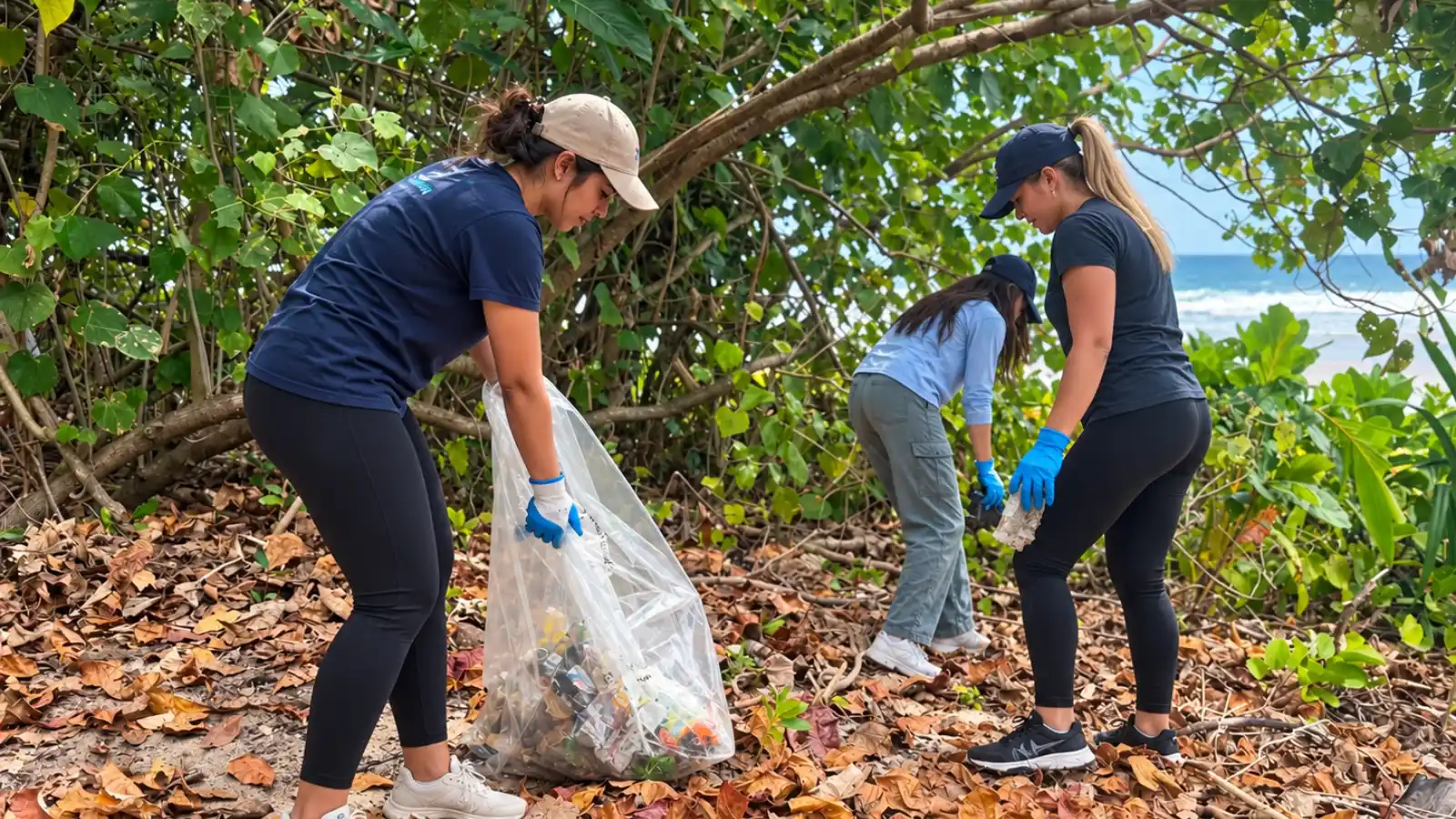
Before booking your Fiji trip, find out how your accommodation supplies drinking water and handles waste, and how your tour operator protects the reef. Plan nearby outings together, leave time for transfers and buy from local guides and makers. You can also join a resort activity or arrange a coastal cleanup during a stay in Savusavu.
Plan your route before booking transfers
Choose a base close to the places you want to visit. A stay around Nadi with a Mamanuca island visit, a Coral Coast stay and a trip to Vanua Levu involve different transfers. Compare the entire journey before booking a room: international arrival, domestic flight or boat, road transfer and the return connection.
Our Fiji island comparison helps you choose by trip length, activities and access. Give each stop enough time to enjoy it, and group nearby outings into the same day. Repeated trips back to an airport or port can add both transport costs and hours on the road.
- Ask about shared transfers: find out whether your accommodation or tour offers a scheduled service and whether it is included in the price.
- Walk for short town trips: use a suitable route in daylight; choose transport when heat, luggage or road conditions make walking impractical.
- Leave time for connections: include check-in, luggage collection and the last road or boat transfer, especially before an international departure.
Choose accommodation by its actual practices
An “eco” label tells you little on its own. Before paying a premium, look for a current sustainability page and answers about how the property operates. These questions work for a small guesthouse as well as a large resort.
| Ask about | Useful detail to look for |
|---|---|
| Drinking water | A designated refill point, the treatment used and whether safe drinking water is included in your stay. |
| Wastewater | How sewage is treated and where wastewater goes, particularly at a property beside a reef or lagoon. |
| Waste | Which materials are separated and who receives them. A row of recycling bins is only part of the process. |
| Energy and water use | Specific systems and recent results: solar generation, water-saving fittings or measured reductions, with the reporting year stated. |
| Local purchasing | Examples of produce bought locally, local staff and guides, and ongoing work with nearby communities. |
| Certification | The scheme, exact property name, status and validity dates on its certificate. |
Certification has stages. EarthCheck’s program distinguishes Bronze Benchmarked status from certification following an independent audit. Ask a property to show the certificate behind its claim, including the name and dates, rather than relying on a logo in an old brochure.
During your stay, turn off air conditioning when leaving the room, keep doors closed while it runs and use the hotel’s towel or linen reuse option. Report a leaking tap to reception. These are easy actions at whichever accommodation fits your budget.
Choose snorkeling and diving trips that protect the reef
Ask how the guide briefs guests, manages beginners and keeps fins and equipment clear of coral. A good briefing should cover the entry and exit points, conditions, local reef rules and what to do if you need a rest. Tell the operator your swimming or diving experience before booking.
Green Fins currently lists Fiji as a Digital country/territory. Its Fiji directory includes Digital Members and inactive listings, so read the status shown for each operator. Digital Members self-manage their progress through online self-evaluation and an action plan. Green Fins Certified Membership is a separate system that includes an in-person assessment in countries with an active assessment team.
- Keep off coral: float above it and avoid standing, kneeling or holding on for a photograph. Ask the guide for a safe resting option.
- Give animals space: do not touch, chase or feed fish, turtles or other marine life.
- Control your gear: keep fins clear and secure anything that could trail across the reef.
- Leave the site as you found it: take your litter back and follow the guide’s rules for protected areas.
Sun protection without relying on a “reef-safe” label
Pack a sun shirt or rash guard, a hat and suitable sunscreen, and use shade during breaks. For exposed skin, the American Academy of Dermatology recommends broad-spectrum, water-resistant SPF 30 or higher. Reapply according to the label, including after swimming and toweling off. “Reef safe” has no FDA-defined meaning; the wording alone does not establish that a product is harmless to reefs. Clothing helps cover your skin while reducing the area that needs sunscreen.
Plan safe drinking water and where your waste goes
Refill from a designated drinking-water supply
Bring a reusable bottle and ask your accommodation where guests can refill it with water intended for drinking. Ask how that supply is treated; a bathroom tap, rainwater tank or stream is not automatically a drinking-water source. For arrival around Nadi or Denarau, use our Nadi water refill guide to plan that part of your trip.
For a boat trip or remote beach, fill your bottle before departure and take enough water for the outing. When there is no safe refill supply, use unopened, factory-sealed drinking water. Cutting plastic use should not mean drinking from a source of unknown quality.
Reduce what you bring, then follow the local collection system
A small shopping bag and your water bottle cover most everyday outings. Decline extra bags, straws or cutlery when you do not need them, and use the containers you already own. Carry wrappers and empty bottles back from beaches, trails and boat trips instead of leaving them beside a full bin.
In Suva, the Ministry of Environment and Climate Change announced recycling drums at Ratu Sukuna Park in July 2026. Follow the labels for the materials accepted there. At a hotel or another collection point, ask what belongs in each bin and who collects it. Our single-use plastics guide covers packing and disposal in more detail.
Keep spare batteries and broken electronics out of ordinary recycling bins. If your host has no collection arrangement for them, take them home for the appropriate waste service. Use soap and shampoo in facilities with appropriate wastewater disposal, rather than in the sea or streams, including products marketed as biodegradable.
Spend locally and arrange village visits with a host
Book a local guide for an outing, eat at locally run places and ask makers where their products are made. At Savusavu Municipal Market, you can buy produce for a picnic or self-catering stay and speak directly to vendors. Buy quantities you will use, and ask the price before agreeing to a purchase.
Arrange a village visit through a local host or your accommodation. Get the arrival time, clothing expectations, any entry payment and the plan for introductions. Ask permission before photographing people or entering a home. Our Fijian culture and etiquette guide explains village visits and sevusevu.
Before buying woven or wooden souvenirs, read the Biosecurity Authority of Fiji’s handicraft guidance and your destination’s entry rules. Requirements depend on the material and destination. Keep receipts and any treatment documents, and declare the items where required. A seller’s description of an item as natural does not settle its border requirements.
Published resort activities you can join
These programs give you a specific activity to discuss with your accommodation. They are resort experiences: if you are staying elsewhere, arrange visitor access with the resort before making the trip.
| Activity and location | Published conditions | How to arrange it |
|---|---|---|
| Six Senses Fiji Sustainability Tour Malolo Island | 45 minutes; complimentary. The sustainability team explains the resort’s work, including production and bottling of drinking water and its food garden. | Tour details [email protected] +679 666 5028 |
| InterContinental Fiji: Litter for a Latte Natadola Bay, Viti Levu | Saturday, 8:00 AM, Kama Beachfront. Beach cleanup with resort hosts; the published program includes gloves, bags and a complimentary coffee. | Loloma Hour details Arrange participation through the resort activity desk. |
| InterContinental Fiji: Clean-Up Dive Natadola Bay, Viti Levu | Saturday, 9:30–11:00 AM; FJ$99 per person for one tank dive. Meet at Reef Safari Hut. Certified divers only, with a dive within the previous 12 months. | Reserve through the resort or Reef Safari. Reservation is required. |
Choose an activity that fits where you are already staying. Include any visitor access and return transfer in the total cost; a complimentary resort experience does not include an outside visitor’s journey to the property.
How to arrange a coastal cleanup in Savusavu
For a cleanup during a stay in Savusavu on Vanua Levu, contact a local host with your dates, group size and accommodation. Ask about a session you can join and get the named shoreline access point. Useful starting contacts are:
- Rotary Club of Savusavu: [email protected], published in the District 9920 directory. Ask about volunteer opportunities during your stay.
- Savusavu Tourism Association: [email protected]. The association or your accommodation can help you find a local organizer.
- Savusavu Town Council: +679 885 0261 and [email protected]. Use the council contact for waste collection and disposal inquiries.
Agree the session details before traveling
Get the meeting time, map pin, expected finish, ground conditions and any participation or access charge. Ask who provides gloves and bags, whether children can take part, and who receives the collected waste. The host should have permission to use the chosen shoreline and a collection arrangement in place.
Reach the actual meeting point
Walk if the meeting point is in central Savusavu. For a site farther along the coast, give a taxi driver the named access point or ask which bus serves that road and where to get off. From an out-of-town resort, arrange a direct transfer with your accommodation. The Savusavu transport guide covers bus payment, taxi fares and local transfers. For arrival by flight or ferry, use our guide to getting to Savusavu, then plan the final journey from your airport, wharf or accommodation.
Collect safely and complete the handover
Wear closed-toe shoes and suitable gloves; take drinking water, sun protection and a charged phone. Meet the session leader, follow the agreed collection area and pick up ordinary litter you can handle safely. Leave needles, broken glass, unknown containers, chemical drums and heavy or embedded objects in place and report their location to the leader. Leave injured or entangled wildlife to trained responders.
Sort waste as the receiving service requests and take filled bags to the agreed handover point. If no organized session is available, ask your accommodation about a small litter pickup with an appropriate collection route. Do not leave bags on the shore for someone else to find.
Arrange your return pickup or bus stop before starting. If you have a flight or sailing the same day, give the host your check-in or all-aboard deadline and choose a session that leaves time for the return journey.
Frequently asked questions
Do I need to stay at a luxury eco resort?
No. Choose accommodation you can afford and ask the same practical questions about water, waste and local purchasing. You can also walk for suitable short trips, reuse a shopping bag, buy locally and follow reef rules without paying for a special package.
Can I take part during a cruise stop?
Yes, when a host accepts your group and the activity fits the ship’s timetable. Use the actual tender landing or wharf as your starting point and include the journey back. Arrange participation before arrival; the Savusavu contacts above are inquiry contacts, not a standing event booking.
Sources and verification
Program details, membership definitions, water advice and local contacts were checked against the following official and specialist sources on 6 October 2026.
- EarthCheck: EarthCheck Certified: benchmarking, independent audit and certification stages.
- Green Fins: Fiji member directory: Fiji’s Digital country/territory status, Digital Members and inactive listings.
- Green Fins: Certified Membership: in-person assessments and active assessment teams.
- Green Fins: Digital Membership: self-evaluation and action planning for digital members.
- Green Fins: Pre-dive Briefings: reef contact, marine life, fish feeding and equipment control.
- American Academy of Dermatology: How to decode a sunscreen label: SPF, broad-spectrum protection, water resistance and the meaning of reef-safe claims.
- CDC: Food and Drink Considerations When Traveling: safe drinking water when the quality of a supply is unknown.
- Fiji Ministry of Environment and Climate Change: Recycling at Ratu Sukuna Park, 17 July 2026: installation of recycling drums in Suva.
- Biosecurity Authority of Fiji: Handicrafts and Artifacts: product and destination requirements for craft exports.
- Six Senses Fiji: Sustainability Tour: 45-minute complimentary experience, water bottling and resort contact details.
- InterContinental Fiji: Loloma Hour: Saturday beach cleanup, cleanup dive, meeting points, price and diver requirements.
- Rotary District 9920: Savusavu club directory: published club contact email.
- Savusavu Tourism Association: About the Association: local tourism association and inquiry contact.
- Savusavu Town Council: Contact Us: municipal contact phone and email.
- Ocean Conservancy: Start a Cleanup: site permission, equipment and waste collection arrangements.
- NOAA: Marine Debris Handling Guidelines: handling unknown, hazardous and oversized debris.
Found an outdated detail or an access change? Send FijiEco a correction.