Best Islands in Fiji: 10 Places Compared for Your Trip
Written and researched by
Yevhen Derkach
Last fact-checked:
The best island in Fiji depends less on a ranking and more on four practical questions: how much
transfer time you can accept, what kind of beach or reef you want, how many nights you have, and what the stay
costs after meals and transport are added. For an easy first visit, the Mamanuca Islands are the most convenient
beach choice. Choose the Yasawas for a longer island-hopping trip, Taveuni for rainforest and diving, Viti Levu
for culture and simple logistics, or Vanua Levu for a quieter base around Savusavu.
This guide compares seven individual islands and three island groups. That distinction matters: Mamanuca,
Yasawa and Lau are archipelagos, while Nadi, Suva and Savusavu are towns rather than islands. The list below is
organized around the transport corridors and bases travelers actually book, with the drawbacks included as
clearly as the highlights.
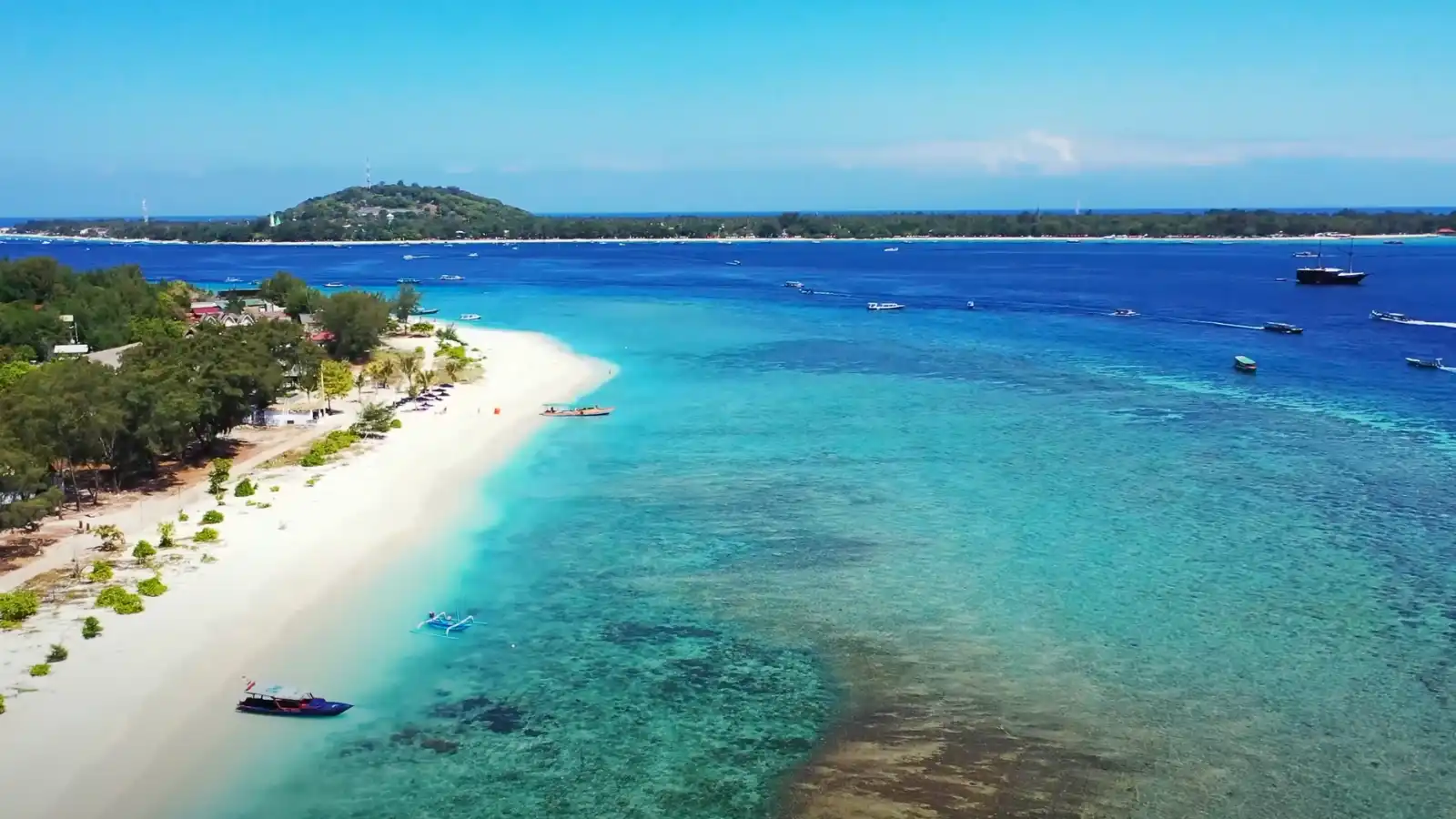
A tropical Fiji island surrounded by a shallow lagoon and coral reef.
Fiji islands at a glance
Island or group
Best for
Usual access
Good stay
Main trade-off
Mamanuca Islands
Easy first trip, families, short stays
Boat from Port Denarau; some air transfers
3 to 5 nights
Meal plans and resort transfers can raise the total
Yasawa Islands
Beaches, island hopping, longer escapes
Morning catamaran; selected air transfers
4 to 7 nights
Longer transfers and fewer same-day options
Viti Levu
Culture, road trips, value, simple logistics
International arrival plus road transfer
3 to 7 nights
Not every coast has a postcard swimming beach
Taveuni
Rainforest, waterfalls, hiking, diving
Domestic flight to Matei, then road transfer
4 to 6 nights
Wetter climate and attractions spread along the island
Vanua Levu
Savusavu, slow travel, diving, local life
Domestic flight to Savusavu or Labasa
4 to 7 nights
Fewer connections and longer road journeys outside town
Kadavu
Remote diving, birdlife, wilderness
Domestic flight, then property-arranged transfer
4 to 7 nights
Weather-sensitive logistics and limited infrastructure
Beqa Island
Shark diving and a focused adventure add-on
Road to Pacific Harbour, then boat
2 to 4 nights
Limited independent transport once on the island
Ovalau
Levuka, history, architecture, local atmosphere
Limited air or sea connections via Viti Levu
2 to 4 nights
Transport needs more planning than mainstream islands
Lau Islands
Expedition travel and exceptional remoteness
Limited flights or organized expedition itinerary
5+ nights plus buffer
Very limited tourism services and infrequent access
Qamea
Small-scale stays, quiet beaches, seasonal surf
Flight to Taveuni, then road and boat transfer
4 to 6 nights
The final transfer can depend on weather and tide
Which Fiji island should you choose?
First visit with 5 to 7 nights: choose one Mamanuca resort, or combine the Coral Coast on Viti Levu with the Mamanucas.
Best long beach trip: choose one or two bases in the Yasawas rather than changing island every night.
Best nature and diving combination: choose Taveuni for rainforest walks plus access to Rainbow Reef.
Best for families: compare Mamanuca resorts with the Coral Coast, including kids clubs, room layout, swimming conditions and transfer time.
Best for a quieter second trip: use Savusavu on Vanua Levu as a base, or add Qamea after Taveuni.
Best specialist diving: compare Taveuni, Kadavu and Beqa by dive style, not by a generic “best reef” label.
Best for history and town life: stay on Viti Levu or visit Levuka on Ovalau; do not choose a remote resort island for this priority.
If you are still deciding between regions, start with the
Fiji island-hopping guide.
It explains the main ferry and flight corridors before you commit to accommodation.
1. Mamanuca Islands: best all-round choice for a first Fiji trip
The Mamanucas are the easiest outer-island beach option for most travelers arriving at Nadi. Scheduled boats
leave Port Denarau for multiple resort islands, so you can reach a small-island setting without adding a
domestic flight. This makes the group especially practical for short holidays, families and travelers who
want to finish near the international airport.
Do not treat every Mamanuca resort as interchangeable. Some islands have broad swimming beaches, some focus on
surfing or day trips, and some have better snorkeling by boat than directly from shore. Compare the actual
beach at both high and low tide, the child policy, the house reef, the transfer schedule and the compulsory
meal plan. Our guide to
getting from Nadi to the Mamanucas
explains the transfer sequence.
Choose it if: you value a manageable transfer, resort choice and an easy beach stay.
Look elsewhere if: your priority is multi-day hiking, town life or the most remote possible setting.
2. Yasawa Islands: best for beaches and a real island-hopping route
The Yasawas stretch north of the Mamanucas and reward travelers who can give the journey more time. Volcanic
ridges, long beaches and smaller settlements create a more journey-like experience than a single resort hop.
The Yasawa Flyer currently departs Port Denarau in the morning and travels north through the island chain,
returning to Denarau in the evening. Your own transfer time depends on how far north you stay.
A seven-night trip works better with one or two well-chosen bases than with four rushed stops. Check whether
accommodation includes meals, drinking-water refills and the smaller boat that meets the main catamaran.
Beach and reef conditions vary by island, so compare a specific property rather than assuming the whole group
offers identical snorkeling. See the FijiEco guide to the
Yasawa Islands
and the separate
Fiji snorkeling comparison.
Choose it if: beaches and a slower island journey matter more than the shortest transfer.
Look elsewhere if: you arrive late, have only three nights, or need frequent shops and ATMs.
3. Viti Levu: best for culture, value and easy logistics
Fiji's largest island is more than an arrival point. Nadi and Denarau handle many international arrivals and
island transfers; the Coral Coast combines resorts, villages and coastal attractions; Pacific Harbour is the
main base for Beqa Lagoon diving; and Suva offers the country's strongest urban and museum experience. Viti
Levu is also the simplest choice for a road trip or a holiday that needs more dining and accommodation options.
The compromise is beach consistency. A hotel described as “beachfront” may sit beside tidal flats, a
reef-protected lagoon or a coast better for views than swimming. Check the exact shore rather than judging by
the island name. Families should compare the
Fiji family travel guide,
while travelers wanting a mainland base can start with the
Coral Coast guide.
Choose it if: you want culture, restaurants, road access and fewer transfer risks.
Look elsewhere if: your only goal is a tiny island with no roads or towns.
4. Taveuni: best for rainforest, waterfalls and reef access
Taveuni is the strongest choice for travelers who want active days on land and in the water. Bouma National
Heritage Park, coastal walks and waterfalls give the island a nature-first identity, while dive operators use
Taveuni and nearby Vanua Levu as gateways to the Somosomo Strait and Rainbow Reef. It is a better fit for
hikers and divers than for travelers who want a large choice of nightlife or shopping.
Domestic flights arrive at Matei Airport, but your lodge may be well beyond walking distance. Arrange the road
transfer and ask which excursions start near your accommodation. Taveuni is lush because it receives
substantial rain, so pack for wet trails and avoid building a trip around one weather-dependent activity.
Read more about
Bouma National Heritage Park
and
Rainbow Reef.
Choose it if: you would trade resort polish for waterfalls, forest and excellent diving access.
Look elsewhere if: predictable dry weather and a short boat transfer from Nadi are essential.
5. Vanua Levu: best for a quieter base around Savusavu
Vanua Levu is Fiji's second-largest island and feels less concentrated around tourism than Viti Levu.
Savusavu works well for travelers who want a small town, marina atmosphere, diving and access to locally run
excursions without staying entirely inside a private-island resort. Labasa, on the north side, is a practical
transport and commercial center rather than a classic beach-resort base.
Choose your airport carefully. A fare to Labasa is not automatically convenient for a property near Savusavu,
and road time can erase a small airfare saving. Properties outside town may also require planned transport for
dinner or excursions. Use the
Savusavu transport guide
before booking the domestic leg.
Choose it if: you want a slower pace, a usable town base and northern Fiji beyond the main resort corridor.
Look elsewhere if: you need the widest choice of daily flights and effortless resort-to-resort transfers.
6. Kadavu: best for remote diving and wilderness
Kadavu suits experienced travelers who are comfortable planning around a domestic flight and a final lodge
transfer. The Great Astrolabe Reef is the main draw, supported by birdlife, forested terrain and a low-key
atmosphere. The payoff is a much more remote trip than the Mamanucas; the cost is less flexibility when
weather or transport changes.
Book accommodation before transport and ask the property to map the complete arrival, including the airport,
road or boat segment, luggage handling and latest workable arrival time. Many stays are isolated enough that
meals and diving should be evaluated as a package. Non-divers should make sure the lodge offers enough guided
land and water activities for the full stay. The
best diving in Fiji guide
compares Kadavu with Taveuni and Beqa.
Choose it if: the reef and sense of remoteness justify a more fragile travel plan.
Look elsewhere if: you want spontaneous restaurant choices, nightlife or easy rebooking.
7. Beqa Island: best for a focused shark-diving add-on
Beqa lies off the south coast of Viti Levu and is closely associated with Beqa Lagoon diving and the Sawau
firewalking tradition. It works best as a purposeful two-to-four-night addition rather than a default choice
for every first-time traveler. Access normally involves reaching Pacific Harbour or another arranged pickup
point on Viti Levu, then taking the accommodation's boat.
Be clear about the difference between staying on Beqa Island and diving Beqa Lagoon from Pacific Harbour.
Either can work, but they create different daily routines and transfer commitments. Divers should compare
operator safety procedures, certification requirements, weather policies and what marine encounters are
realistically offered. Start with FijiEco's
Beqa Lagoon shark-diving guide.
Choose it if: diving or a quiet island lodge is the central reason for the trip.
Look elsewhere if: you want to explore independently by car or need a broad dining scene.
8. Ovalau: best for Levuka and Fiji's colonial-era history
Ovalau is the right island for travelers interested in Levuka rather than a conventional resort holiday.
Levuka Historical Port Town is a UNESCO World Heritage property, with a distinctive waterfront and surviving
buildings set between the sea and steep terrain. Come for history, local atmosphere and a slower town stay;
choose another island if your priority is a large swimming beach or a full-service resort.
Choose it if: Levuka's history is worth extra transport planning.
Look elsewhere if: you want straightforward daily transfers and a resort-centered beach break.
9. Lau Islands: best for an organized expedition, not a casual island hop
The Lau Group offers the greatest sense of distance on this list, but that remoteness is a planning constraint,
not just a marketing benefit. Visitor infrastructure and transport are limited, and a trip may rely on an
organized expedition, a specialist host or infrequent air access. Lau is most appropriate for experienced
Fiji travelers who can accept schedule changes and carry a time buffer.
Respectful community arrangements matter here. Do not arrive with the expectation that villages, boats,
meals and activities operate like a mainstream resort product. Use an established operator or host that can
explain permissions, accommodation, food, communications and evacuation planning before departure.
Choose it if: you have time, flexibility and a properly organized local itinerary.
Look elsewhere if: this is your first short Fiji holiday or your international dates cannot move.
10. Qamea: best for a small-scale escape after Taveuni
Qamea sits east of Taveuni and works for travelers who want a quiet, small-island stay with snorkeling,
paddling and seasonal surf rather than a busy resort corridor. It is most logical as part of a northern Fiji
itinerary because the usual journey starts with a flight to Taveuni, followed by road and boat transfers
arranged by the accommodation.
Treat the final transfer as part of the booking, not something to improvise on arrival. Ask about the pickup
point, daylight or tide restrictions, luggage, meals, drinking water, mobile coverage and what happens if the
inbound flight is delayed. Qamea is a poor match for travelers who want to dine around town each night, but a
strong match for a deliberate digital-detox stay.
Choose it if: you already want northern Fiji and prefer a small property to a large resort.
Look elsewhere if: your itinerary has no room for a multi-stage transfer.
FijiEco decision matrix: match an island to your trip
This is FijiEco's editorial planning matrix, not a claim that one island is objectively better. Transfer
difficulty reflects the number, frequency and reliability of the travel legs usually required. Budget
flexibility reflects how many realistic choices a traveler has for accommodation, meals and transport.
High, medium and low describe trip fit, not environmental quality.
Island or group
Transfer difficulty
Best trip length
Beach
Nature
Diving
Local culture
Budget flexibility
Mamanuca Islands
Easy to moderate
3 to 5 nights
High
Medium
Medium
Low to medium
Medium
Yasawa Islands
Moderate
4 to 7 nights
High
High
Medium
High
Medium
Viti Levu
Easy
3 to 7 nights
Medium
High
High
High
High
Taveuni
Moderate
4 to 6 nights
Medium
High
High
Medium
Medium
Vanua Levu
Moderate
4 to 7 nights
Medium
High
High
High
Medium
Kadavu
Hard
4 to 7 nights
Medium
High
High
High
Low
Beqa Island
Moderate
2 to 4 nights
Medium
Medium
High
High
Low
Ovalau
Moderate to hard
2 to 4 nights
Low
Medium
Low
High
Medium
Lau Islands
Hard
5+ nights plus buffer
High
High
Specialist only
High
Low
Qamea
Hard
4 to 6 nights
High
High
Medium
Medium
Low
Use the matrix to shortlist two places, then compare the exact property, transfer and inclusions. A high beach
score does not guarantee a swimmable house beach at every tide, and a high diving score does not replace an
operator-level safety check.
How many islands should you visit?
Trip length
Realistic plan
Why it works
4 to 5 nights
One base: Coral Coast or one Mamanuca island
You lose less of the trip to check-in and transport
7 nights
One main island stay plus an arrival or departure night on Viti Levu
Simple and resilient if the international flight changes
10 nights
Two bases in one corridor, or Viti Levu plus Taveuni or Vanua Levu
Enough time to justify one major transfer
14 nights
Two island regions plus a Viti Levu buffer
Variety without turning every third day into transit
A transfer day is not just time on a boat or aircraft. It also includes checkout, road transport, check-in,
waiting and the final resort launch. For a one-week trip, three islands usually create less holiday, not more.
Flights, ferries and resort transfers: what to book first
Start with your international flight times. A late Nadi arrival usually cannot connect to a morning island ferry. An airport or Denarau night may be the sensible first step.
Match the island to a transport corridor. Port Denarau serves the mainstream Mamanuca and Yasawa routes. Taveuni, Kadavu and Vanua Levu usually need a domestic flight; Beqa normally starts with a road transfer toward Pacific Harbour.
Book the final leg through the property when required. A domestic airport or main ferry stop may still be a road and local-boat journey from your room.
Read the timetable, not just the route map. The Yasawa Flyer currently leaves Denarau in the morning, and resort-transfer schedules are not equivalent to an on-demand shuttle.
Check baggage twice. A long-haul allowance does not automatically apply to a separately booked domestic flight, seaplane or small boat.
Protect the flight home. For remote islands, avoid a tight same-day chain into an international departure. A final night on Viti Levu can absorb weather or transport disruption.
How to compare the real cost of a Fiji island stay
The cheapest room is not always the cheapest island. Compare the complete stay for the same dates and number
of travelers. On a remote island, a compulsory meal plan and return launch may matter more than a small room-rate
difference. On Viti Levu, public road access and nearby restaurants can reduce those extra costs.
Add these to the room price
Return ferry, domestic flight or resort launch
Airport and Port Denarau ground transfers
Mandatory meal plan and drinks
Taxes, card fees or fuel surcharges shown at checkout
Dive, snorkel and off-island excursion costs
One buffer night where the schedule requires it
Ask before paying
Is the transfer available for my exact flight?
Is a meal plan compulsory, and what does it include?
Can I snorkel from shore at normal tides?
Are drinking-water refills included?
What is refundable if weather stops the transfer?
Which payment methods work on the island?
Weather, snorkeling and season: choose the property, not only the island
Fiji's May-to-October period is generally cooler and drier, while November to April is usually warmer and
wetter with higher tropical-cyclone risk. That is a planning pattern, not a guarantee. Rainfall differs across
the country, and marine transfers can change whenever conditions are unsafe. Use Fiji Meteorological Service
advisories close to travel and carry insurance appropriate for the season and the activities booked.
“Best island for snorkeling” is also too broad to be reliable. A house reef may be excellent but accessible
only at certain tides, or the best sites may require a paid boat. Ask for the entry point, typical depth,
current, boat schedule and whether a guide is available. Do not stand on coral, chase wildlife or assume that
calm-looking water is safe for every swimmer.
Common Fiji island-planning mistakes
Booking a late international arrival and a ferry that has already departed for the day.
Comparing room rates while ignoring meals, launch transfers and the final tender boat.
Changing islands every two nights and spending the best daylight hours in transit.
Assuming every beach is equally swimmable at low tide or suitable for young children.
Choosing an island for “snorkeling” without checking whether the reef is from shore or by paid boat.
Flying back from a remote island immediately before an international departure.
Using an old ferry timetable for Ovalau or another route with limited service.
Arriving at a village without guidance on dress, sevusevu or photography etiquette.
Once the island is chosen, the
best things to do in Fiji guide
can help build the activity plan without overloading each day.
Frequently asked questions
What is the best island in Fiji for first-time visitors?
The Mamanuca Islands are the easiest outer-island choice for many first visits because scheduled boats run from Port Denarau and the group has a wide range of resorts. Viti Levu is better if you want culture, restaurants, road access and the lowest transfer complexity.
Which Fiji islands have the best beaches?
The Yasawa and Mamanuca groups offer many of Fiji's classic sandy island beaches, but quality and swimming conditions vary by property and tide. Compare the exact beach, not only the archipelago name.
Which Fiji island is best for snorkeling?
There is no single winner. Specific Yasawa and Mamanuca properties can have good house reefs, while Taveuni has access to major reef systems by boat. Check shore access, tides, current, guided trips and reef condition for the exact accommodation.
Where is the best diving in Fiji?
Taveuni is a strong base for Rainbow Reef and soft-coral diving, Kadavu for the Great Astrolabe Reef and a remote lodge experience, and Beqa for shark-diving itineraries. The best choice depends on certification, preferred site type and tolerance for transfers.
What is the best Fiji island for families?
The Mamanucas and Viti Levu's Coral Coast are the most practical starting points. Compare safe swimming areas, kids-club ages, family room configuration, medical access, meal flexibility and the transfer after your flight.
Which Fiji island is best on a smaller budget?
Viti Levu usually gives the broadest choice of accommodation, food and road transport. The Yasawas also have different price levels, but mandatory meals and return catamaran fares must be added before comparing totals.
How many Fiji islands can I visit in seven days?
For most travelers, one main island or island group plus an arrival or departure night on Viti Levu is enough. Two bases can work when they share the same ferry corridor, but three islands usually create too much transfer time.
Can I go directly from Nadi Airport to an island resort?
Sometimes, but it depends on your arrival time and the resort's boat, ferry or flight schedule. A late arrival often requires a night near Nadi or Denarau. Confirm the complete connection before buying separate non-refundable tickets.
Sources and verification
Primary destination, transport, heritage and weather sources used for the 7 September 2026 fact-check: