Yasawa Islands Fiji Travel Guide
The Yasawa Islands are a breathtaking chain of volcanic islands stretching over 80 kilometers along Fiji's northwestern coast. Known for their remote beauty and strong commitment to sustainable tourism, the Yasawas offer an authentic eco-adventure far from the country's more developed regions.
Untouched island paradise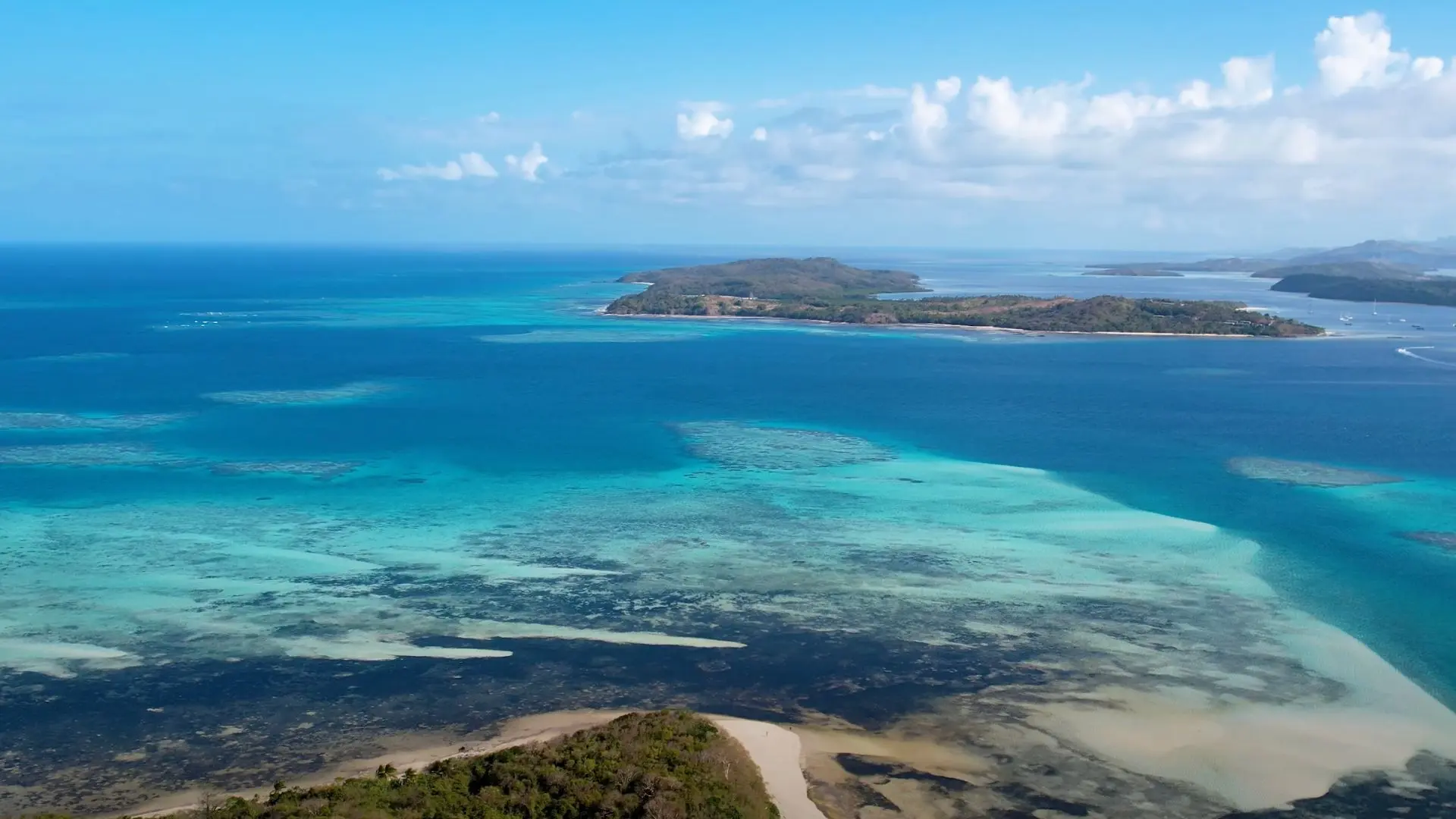
Yasawa Islands: A Natural Paradise
Comprising around 20 main islands and many smaller islets, the Yasawa archipelago features dramatic volcanic peaks, unspoiled white-sand beaches, and crystal-clear turquoise lagoons. The region has maintained its pristine character through conservation efforts and community-based tourism initiatives.
Ecological Significance
The surrounding waters of the Yasawas are home to diverse marine ecosystems, including fringing reefs, vibrant coral formations, and seasonal marine life migrations, protected within the Yasawa Islands Marine Reserve.
Cultural Heritage and Local Traditions
The Yasawa Islands maintain a strong cultural identity. Many villages still practice traditional lifestyles, offering visitors the chance to experience local customs and enjoy traditional performances that share ancestral stories. For an immersive cultural experience on Viti Levu, visit the remarkable Navala Traditional Village.
Village Visits
Experience authentic Fijian village life while supporting the local economy.
Traditional Crafts
Learn ancient techniques of weaving, pottery, and cloth making passed down through generations.
Sustainable Tourism Model
The Yasawa Islands follow a community-based tourism model, where local villages manage tourism resources to ensure benefits remain within the communities while protecting their natural and cultural heritage.
Many eco-resorts operate off-grid using renewable energy, rainwater harvesting, and organic gardens to reduce environmental impact and provide a comfortable experience for visitors. The luxury Turtle Island Resort exemplifies this sustainable approach within the Yasawa chain.
Renewable Energy
Solar and wind energy systems help reduce the region's carbon footprint.
Water Conservation
Rainwater collection and filtration systems help preserve freshwater supplies.
Waste Reduction
Recycling and composting initiatives support a healthy environment.
Unforgettable Experiences
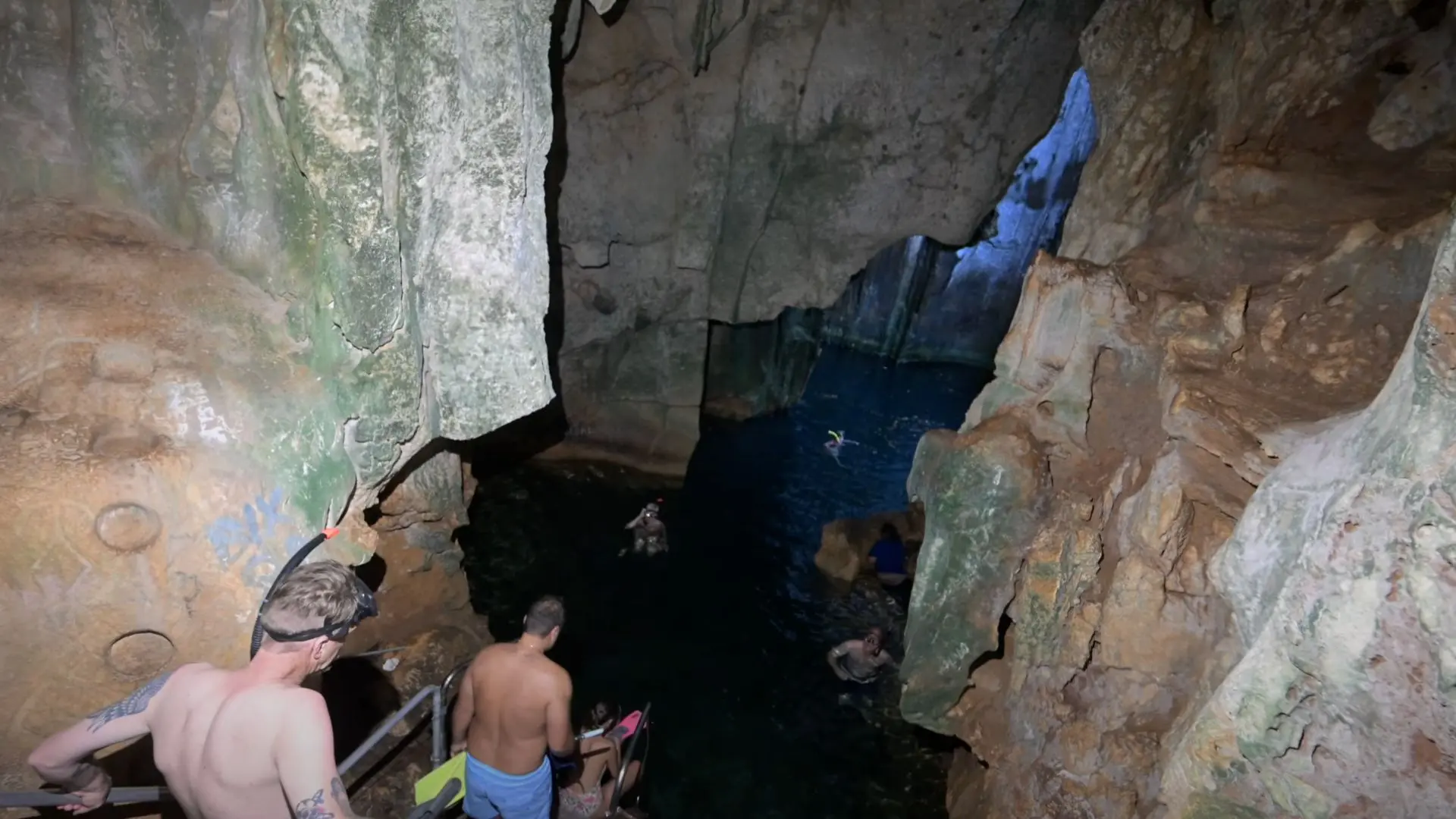
Sawa-i-Lau Caves
These mystical limestone caves, accessible by swimming through an underwater passage, hold deep cultural meaning and showcase unique geological formations.
Blue Lagoon
A serene area known for dazzling waters and abundant marine life, the famous Blue Lagoon Beach offers ideal conditions for snorkeling and relaxing in pristine natural surroundings.
Manta Ray Channels
From May to October, manta rays glide through channels between islands. Visitors can join guided snorkeling tours that follow conservation guidelines.
Sustainable Travel Tips
- Stay in eco-lodges that support local communities.
- Choose guided experiences led by residents.
- Use reef-safe sunscreen to protect coral reefs.
- Bring a reusable water bottle to reduce plastic use.
- Follow local customs and dress respectfully in villages.
Marine Conservation Initiatives
Community-led programs across the islands work to protect marine habitats through reef restoration, population management, and protected areas.
Reef Rehabilitation
Coral nurseries support the regeneration of damaged reefs.
Protected Areas
Marine zones allow ecosystems to recover and thrive.
Mangrove Restoration
Vital coastal forests that support biodiversity and buffer storms.
Getting There & Practical Info
The Yasawa Islands are accessible by daily boat services or scenic seaplane flights. Island-hopping passes are available for flexible travel.
Accommodations range from traditional guesthouses to eco-resorts, often including meals. It's best to book early during the high season from June to September.
Visit Responsibly
The Yasawa Islands offer a rare chance to explore natural beauty and cultural traditions through sustainable travel. By supporting local communities and making eco-friendly choices, visitors help protect this island paradise for future generations. For mainland luxury sustainability, consider Six Senses Fiji on Malolo Island.