Navala Traditional Village: Fiji's Last Authentic Bose Levu Village
Nestled in the heart of Viti Levu's Ba Highlands, Navala Traditional Village stands as Fiji's most authentic and well-preserved traditional settlement. This remarkable village of 200 thatched bure houses represents the last vestige of ancient Fijian architecture and culture, offering visitors an unparalleled glimpse into pre-colonial Fiji life. While many coastal destinations like Naviti Island's beaches showcase Fiji's natural beauty, Navala provides the essential cultural context that completes the authentic Fijian experience.
UNESCO World Heritage Candidate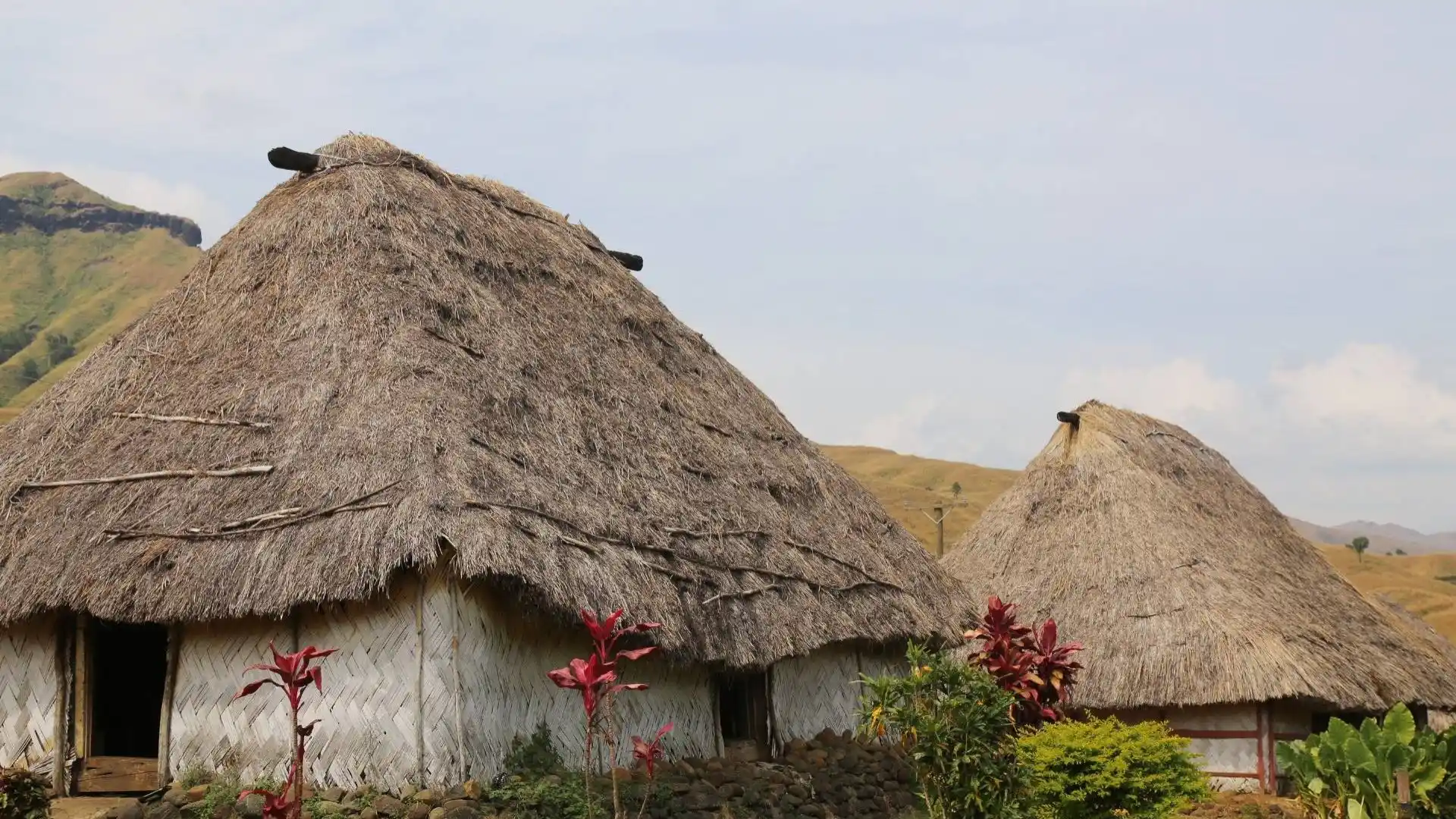
The Last Authentic Fijian Village
Navala Village represents more than just a tourist destination—it's a living museum where 900 indigenous Fijians continue to practice traditional ways of life that have remained unchanged for centuries. Unlike other Fijian villages that have modernized with concrete structures, Navala has steadfastly maintained its traditional architecture, with every building constructed using ancient techniques passed down through generations.
The village sits at 600 meters above sea level in a spectacular valley surrounded by dramatic limestone cliffs and pristine rainforest. This natural fortress has helped preserve not only the village's physical structures but also its cultural integrity, making it one of the Pacific's most significant cultural heritage sites.
Cultural Significance
Navala is the only village in Fiji where all buildings are constructed in traditional bure style using local materials. The village layout follows ancient Fijian urban planning principles, with the chief's house (vale ni turaga) at the center, surrounded by family compounds arranged according to traditional clan hierarchies.
Traditional Architecture and Craftsmanship
Each bure in Navala represents centuries of architectural evolution perfectly adapted to Fiji's tropical climate. The traditional thatched houses feature elevated floors for flood protection, sloped roofs for efficient rainwater runoff, and walls made from woven bamboo that provide natural ventilation while maintaining privacy. These sustainable building practices demonstrate the same environmental harmony found in eco-conscious destinations like Vunanui Bay, where traditional wisdom meets modern conservation efforts.
Bure Construction
Traditional houses built with bamboo walls, coconut palm thatching, and vesi wood posts, using no nails or modern materials.
Sacred Spaces
The village church and community meeting hall showcase traditional Fijian architecture adapted for colonial-era introductions.
Water Systems
Traditional bamboo aqueducts and stone-lined streams provide fresh mountain water throughout the village.
Agricultural Terraces
Ancient taro and cassava terraces surrounding the village demonstrate sustainable highland farming practices.
Living Fijian Culture
Visitors to Navala experience authentic Fijian culture through daily life rather than staged performances. The village operates according to traditional governance structures, with hereditary chiefs making decisions through customary consultation processes. Traditional ceremonies, including kava rituals, wedding celebrations, and seasonal festivals, continue to mark important community events. This authentic cultural immersion contrasts beautifully with the more relaxed traditional practices visitors might encounter at coastal locations like Caqalai Island, where ceremony and leisure blend in island time.
The community practices traditional crafts including tapa cloth making, wood carving, and basket weaving. Women gather to create intricate mats and textiles using techniques unchanged for generations, while men construct and maintain the village's unique architecture using knowledge passed down through oral tradition.
Traditional Governance
Village decisions made through traditional council meetings following ancient Fijian protocols.
Ceremonial Life
Regular kava ceremonies, traditional weddings, and seasonal celebrations maintain cultural continuity.
Oral Traditions
Ancient stories, genealogies, and technical knowledge preserved through storytelling traditions.
Sustainable Community Tourism
Navala has developed one of Fiji's most successful community-based tourism models, where all tourism revenue directly benefits village families while preserving cultural authenticity. Visitors participate in genuine cultural exchange rather than commercialized entertainment, staying in traditional guest houses and sharing meals with local families. This community-controlled approach to sustainable tourism shares principles with exclusive destinations like Wakaya Island, where environmental protection and authentic experiences take priority over mass tourism.
Village Homestays
Stay in authentic bure houses with local families, experiencing daily village life firsthand.
Traditional Cooking
Learn earth oven cooking (lovo) and traditional Fijian cuisine using locally grown ingredients.
Cultural Workshops
Participate in tapa making, wood carving, and traditional craft workshops led by village artisans.
Natural Environment and Activities
The village is surrounded by pristine highland rainforest containing rare endemic species and pristine watersheds that feed into the Ba River system. Traditional hiking trails lead to hidden waterfalls, ancient archaeological sites, and panoramic viewpoints overlooking the western highlands, offering nature-based adventures that complement Fiji's coastal attractions.
The area offers exceptional birdwatching opportunities, with endemic species including the Fiji Goshawk, Orange-breasted Honeyeater, and Masked Shining Parrot frequently observed in the surrounding forests. Traditional medicinal plant gardens maintained by village elders showcase indigenous botanical knowledge and sustainable forest management practices.
Natural Attractions
- Seven-tiered waterfall accessible via traditional forest paths
- Ancient fortified village sites (nokonoko) with archaeological significance
- Endemic bird species viewing in protected highland rainforest
- Traditional medicinal plant gardens and forest pharmacy tours
- Limestone cave systems with cultural and spiritual significance
- Highland trekking routes connecting to remote mountain villages
Cultural Protocols and Respect
Visiting Navala requires understanding and respecting traditional Fijian protocols that govern community interaction. The sevusevu ceremony, involving the formal presentation of kava root to village chiefs, is mandatory for all visitors and represents acceptance into the community as temporary family members. This ceremonial welcome parallels the cultural protocols observed throughout Fiji, from highland villages to island destinations like Kadavu Island, where respect for local customs remains fundamental to authentic cultural exchange.
Appropriate dress codes, photography restrictions, and behavioral expectations reflect the village's commitment to maintaining cultural integrity while welcoming respectful visitors. The community has established clear guidelines that protect sacred spaces while enabling meaningful cultural exchange between visitors and residents.
Visitor Guidelines
- Participate in sevusevu ceremony upon arrival - kava presentation to village chief
- Dress modestly - cover shoulders and knees, remove hats when greeting elders
- Ask permission before photographing people or sacred areas
- Remove shoes before entering traditional houses and sacred spaces
- Participate respectfully in community activities and cultural demonstrations
- Purchase local crafts directly from artisans to support village economy
Planning Your Visit
Navala Village is accessible year-round, though the dry season (May-October) offers the most comfortable conditions for highland exploration. The village is located approximately 2.5 hours by road from Nadi, with the final approach requiring a 4WD vehicle due to unsealed mountain roads.
Most visitors arrange multi-day stays to fully appreciate the village's cultural richness and natural beauty. Community-managed accommodations range from simple traditional bure stays to slightly more comfortable guesthouses, all maintaining authentic architectural styles and local hospitality standards.
Transportation and Access
The journey to Navala Village is part of the adventure, traversing spectacular highland scenery through sugar cane fields, pine forests, and traditional farming areas. Most tour operators provide 4WD transportation from major hotels, with experienced local drivers familiar with mountain road conditions. These specialized highland transfers require different logistics than the standard Nadi Airport transfers, reflecting Navala's remote and protected location.
Alternative transport options include public buses to nearby towns followed by village-arranged transfers, though this requires coordination with community tourism coordinators. Self-driving is possible but requires high-clearance vehicles and local knowledge of seasonal road conditions.
Day Tours
Cultural immersion experiences including traditional ceremonies, crafts, and local cuisine.
Overnight Stays
Authentic village life experience with homestay families in traditional bure accommodations.
Extended Visits
Multi-day programs including hiking, cultural workshops, and deep community engagement.
Photography and Documentation
Navala offers extraordinary photographic opportunities showcasing traditional Pacific Island architecture against dramatic natural backdrops. The village's morning and evening light creates stunning compositions highlighting the textures and colors of traditional thatched buildings and mountain landscapes.
Professional photographers and documentary filmmakers regularly visit Navala for its authentic cultural content and visual appeal. The village community welcomes respectful documentation that accurately represents traditional life, though all photography requires community permission and appropriate cultural protocols.
Supporting Village Conservation
Tourism revenue directly supports Navala's architectural preservation efforts and cultural education programs for younger generations. The village has established a community fund that maintains traditional buildings, supports elderly craftspeople, and provides educational opportunities for youth interested in traditional skills. This community-based conservation model demonstrates how cultural heritage preservation can be achieved through sustainable tourism, complementing environmental conservation efforts seen in marine destinations like Suva Harbor, where historical preservation meets ecological protection.
Visitors contribute to conservation efforts through accommodation fees, craft purchases, and voluntary donations to specific community projects. The village's tourism model demonstrates how authentic cultural tourism can support tradition preservation while providing economic opportunities for indigenous communities.
Experience Authentic Fiji at Navala Village
Navala Traditional Village offers travelers a rare opportunity to experience pre-colonial Pacific Island life in its most authentic form. By visiting this remarkable community, travelers support cultural preservation efforts while gaining deep insights into traditional Fijian society, architecture, and environmental stewardship. Every visit to Navala contributes to maintaining one of the Pacific's most significant cultural heritage sites, ensuring that future generations can experience this living testament to traditional Fijian civilization and sustainable community life.