Kadavu Island Diving: Pristine Reefs and Untouched Marine Wilderness
Kadavu Island, Fiji's fourth-largest island, offers some of the most pristine and untouched diving experiences in the South Pacific. Surrounded by the Great Astrolabe Reef, one of the world's largest barrier reefs, Kadavu provides divers with extraordinary underwater adventures in crystal-clear waters teeming with marine life, comparable to the protected marine ecosystems of Namena Marine Reserve.
Great Astrolabe Reef Paradise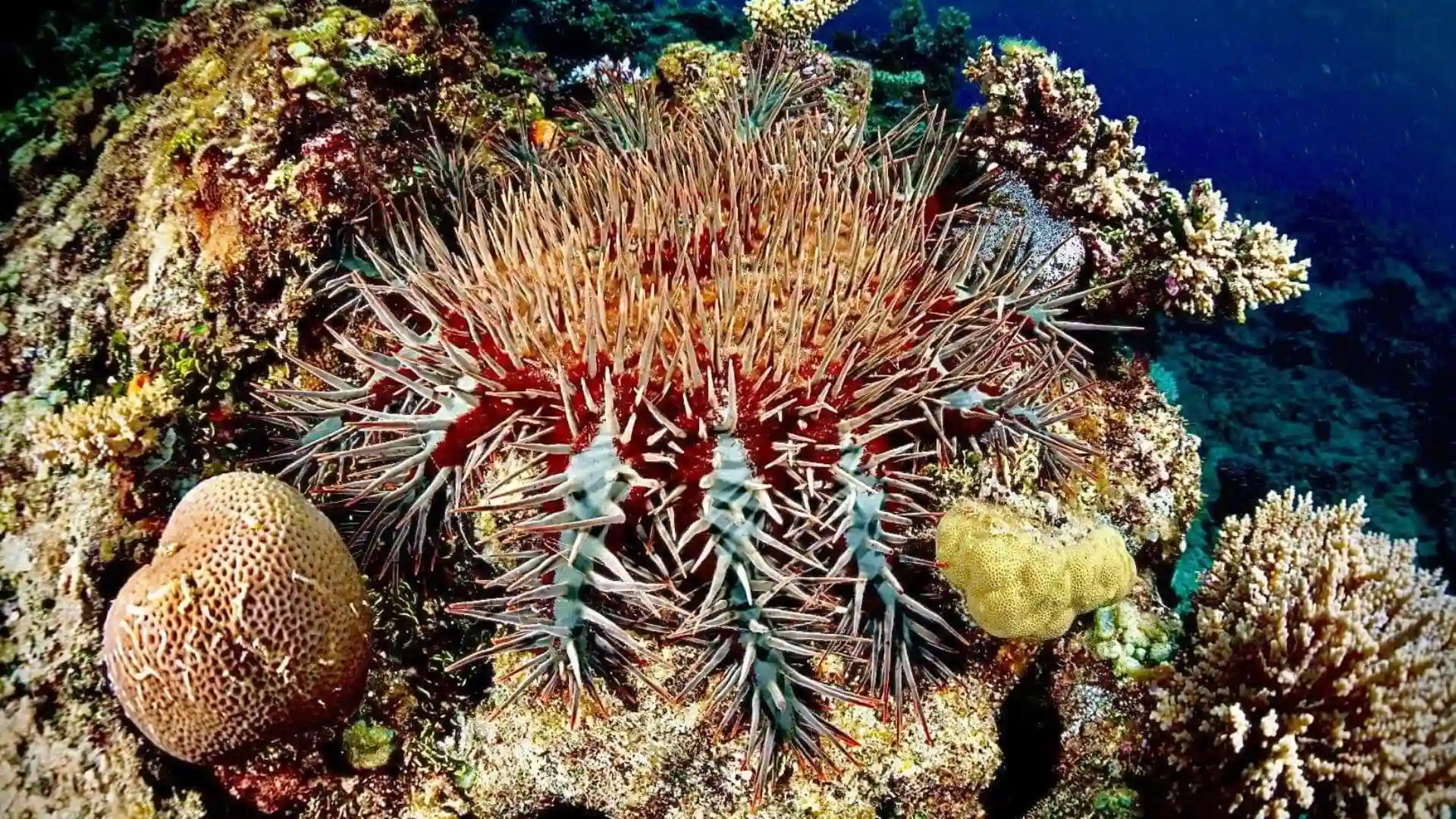
The Great Astrolabe Reef
Kadavu Island is completely encircled by the Great Astrolabe Reef, a massive barrier reef system stretching over 100 kilometers. This natural fortress creates protected lagoons with calm, clear waters perfect for diving, while the outer reef walls plunge into deep blue waters where pelagic species thrive, offering dramatic underwater landscapes similar to those found in Bligh Water Passage.
The reef system supports over 350 species of hard and soft corals, with water temperatures ranging from 25-28°C (77-82°F) year-round. Visibility consistently exceeds 30 meters, often reaching 50+ meters on the outer reef walls, providing spectacular underwater vistas and exceptional diving conditions.
Untouched Marine Ecosystem
Kadavu's remote location has preserved its marine ecosystem in pristine condition. The island hosts over 900 fish species, including rare endemic species found nowhere else in Fiji, making it a living laboratory for marine research and conservation.
World-Class Dive Sites
Kadavu offers more than 50 mapped dive sites, ranging from shallow coral gardens to dramatic drop-offs and underwater pinnacles. The island's position creates diverse diving environments, from protected inner lagoons perfect for beginners to challenging outer reef dives for advanced divers.
Namalata Reef
Spectacular wall dive with massive table corals, schools of barracuda, and frequent manta ray encounters.
Astrolabe Wall
Vertical drop-off featuring pristine hard corals, reef sharks, and pelagic species in deep blue waters.
Namara Passage
Thrilling drift dive through coral-lined channels with strong currents and abundant marine life.
Vakavu Island Pinnacles
Underwater seamounts rising from deep water, attracting hammerhead sharks and eagle rays.
Exceptional Marine Biodiversity
Kadavu's waters host an incredible diversity of marine species, from tiny nudibranchs to massive whale sharks. The island is particularly famous for its resident populations of manta rays, which can be encountered year-round at cleaning stations along the outer reef, offering underwater encounters as spectacular as those found at world-renowned Beqa Lagoon shark diving sites.
The reefs support healthy populations of reef sharks, including grey reef sharks, white-tip sharks, and occasional hammerhead encounters. Large schools of pelagic fish, including tuna, wahoo, and marlin, patrol the deeper waters beyond the reef crest.
Manta Ray Encounters
Regular sightings at multiple cleaning stations, with peak season from May to October.
Shark Populations
Healthy reef shark communities including grey reef, white-tip, and occasional hammerheads.
Endemic Species
Unique fish species found only in Kadavu waters, including endemic wrasses and gobies.
Sustainable Diving Practices
Kadavu's diving industry operates under strict environmental guidelines established through community-based marine management. Local villages own and manage their traditional fishing grounds, implementing tabu (temporary closures) to allow reef recovery and maintain fish populations, demonstrating the same commitment to marine conservation found throughout Rainbow Reef in Somosomo Strait.
Remote Paradise
Limited development preserves pristine marine environments and authentic Fijian culture.
Advanced Diving
Challenging drift dives and deep walls for experienced divers seeking adventure.
Photography Haven
Exceptional visibility and diverse subjects make Kadavu ideal for underwater photography.
Diving Conditions and Seasons
Kadavu offers excellent diving conditions year-round, with the dry season (May to October) providing the most consistent weather and calmest seas. During this period, southeast trade winds create optimal conditions for diving the outer reef sites and manta ray encounters.
The wet season (November to April) brings warmer water temperatures and occasional tropical storms, but also offers unique diving opportunities with increased plankton activity attracting larger marine species. Many dive sites remain accessible during calmer periods between weather systems.
Marine Life Calendar
- May-October: Peak manta ray season with regular cleaning station activity.
- June-September: Humpback whale migrations provide occasional surface encounters.
- November-April: Warmer waters attract hammerhead sharks to outer reef pinnacles.
- Year-round: Resident reef sharks, eagle rays, and diverse tropical fish species.
- December-March: Coral spawning events create unique underwater phenomena.
- April-May: Clearest water conditions with visibility often exceeding 50 meters.
Accommodation and Dive Operators
Kadavu offers intimate dive resorts and eco-lodges that blend seamlessly with the natural environment. These family-owned operations provide personalized service, expert local guides, and comprehensive dive packages including accommodation, meals, and unlimited diving.
Most resorts feature on-site dive centers with modern equipment, nitrox capabilities, and custom-built dive boats designed for Kadavu's reef conditions. The small scale of operations ensures low environmental impact and exclusive access to pristine dive sites, offering the same intimate diving experience found at Taveuni Island's premier dive sites.
Cultural Immersion
Diving in Kadavu offers opportunities to experience authentic Fijian village life and traditional customs. Many dive resorts partner with local communities, providing cultural exchanges, village visits, and traditional ceremonies that enrich the diving experience, creating meaningful connections with local culture similar to those available in traditional Yasawa Islands communities.
Visitors can participate in kava ceremonies, traditional fishing methods, and handicraft workshops while learning about the deep connection between Fijian culture and marine conservation. These interactions provide meaningful context to the diving experience and support local communities.
Diving Preparation
- Advanced Open Water certification recommended for most dive sites.
- Drift diving experience preferred due to strong currents at outer reef sites.
- Nitrox certification extends bottom times for multiple daily dives.
- Current dive insurance and medical clearance required.
- Reef-safe sunscreen and eco-friendly toiletries mandatory.
- Underwater camera equipment available for rent at most dive centers.
Getting to Kadavu
Kadavu is accessible via daily flights from Nadi (45 minutes) with Fiji Airways, landing at Kadavu Airport on the northern coast. Most dive resorts provide boat transfers from the airport, offering scenic journeys through protected lagoons and traditional villages, with logistics similar to transfers from Nadi International Airport to other remote Fijian destinations.
Alternative access via charter boats from Suva or Nadi provides adventurous travelers with overnight sailing experiences, though flights remain the most practical option for dive package holidays. All transfers should be arranged through your chosen dive resort to ensure seamless logistics.
Discover Kadavu's Underwater Treasures
Kadavu Island represents the pinnacle of pristine diving experiences in Fiji, where untouched reefs meet sustainable tourism practices. The island's remote location and community-based conservation create an exclusive diving destination that benefits both marine ecosystems and local Fijian communities. Every dive at Kadavu supports traditional marine management practices while providing access to some of the Pacific's most spectacular underwater landscapes, ensuring this paradise remains pristine for future generations of divers and marine life alike.