Explore Mangrove Nurseries Near Sigatoka River Mouth: Vital Ecosystems with Educational Tours
Nestled where the Sigatoka River meets the Coral Coast, the mangrove nurseries of Fiji offer visitors an unforgettable experience in one of the world's most vital ecosystems. Mangrove forests play an essential role in protecting shorelines, supporting marine life, and combatting climate change. These coastal environments are not just beautiful but critical for local biodiversity. A visit to these nurseries, located near the river mouth, offers more than just scenic views—it's a deep dive into conservation efforts and hands-on environmental education.
Eco-Tourism, Mangrove Conservation, Nature Tours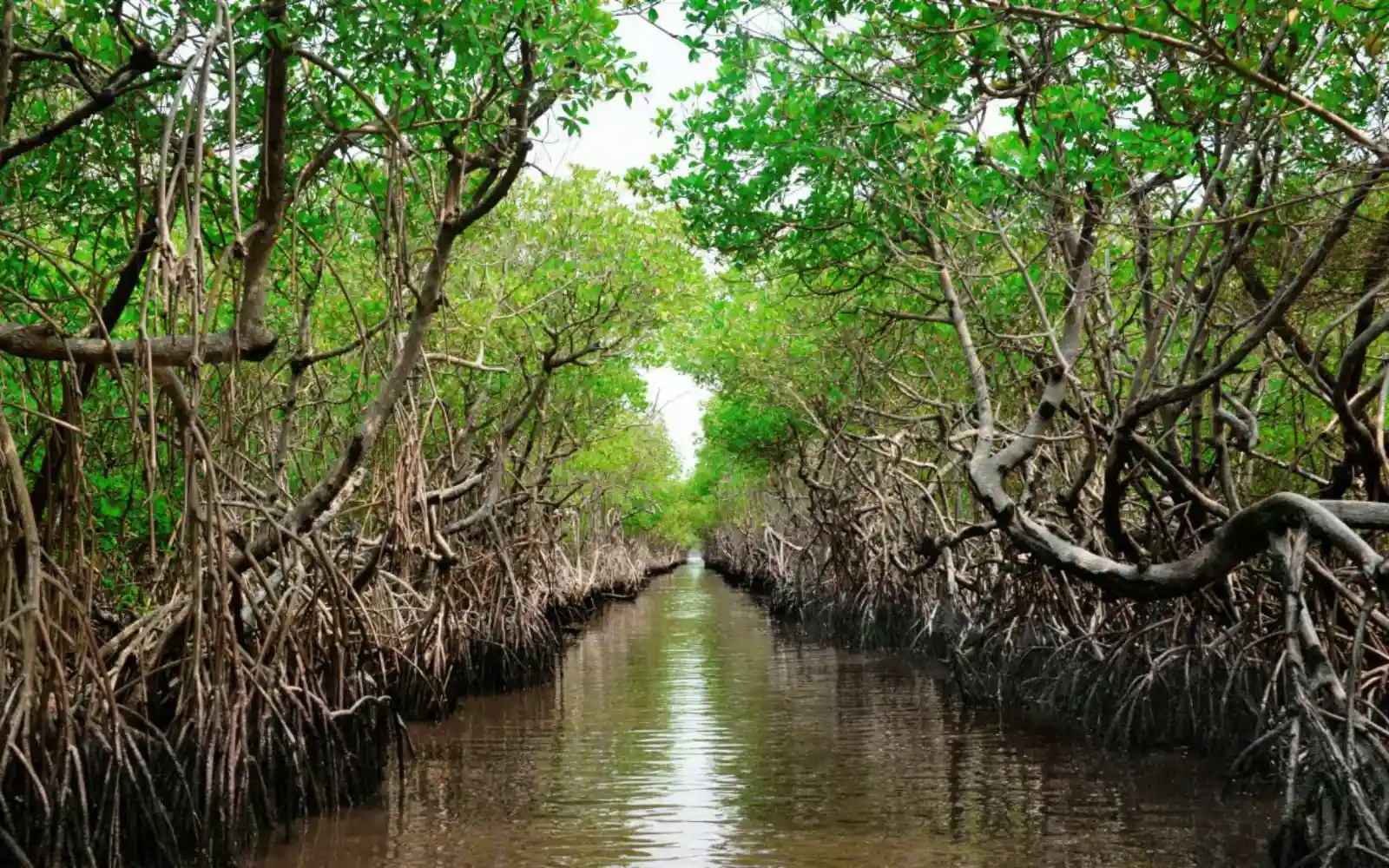
What Makes Sigatoka's Mangrove Nurseries Unique?
Sigatoka's mangrove nurseries are a critical part of the region's coastal ecology. These nurseries provide a safe space where young mangrove saplings grow and prepare to be planted back into the wild. Mangrove forests, which thrive in the brackish waters of river mouths, offer vital environmental benefits—from habitat creation for marine species to climate change mitigation through carbon sequestration. Visiting the mangrove nurseries near Sigatoka River mouth provides a unique opportunity to witness how these ecosystems work and why they are crucial for the future of Fiji's coastlines.
- Coastal protection: Mangroves act as natural buffers, protecting shorelines from erosion and storm surges, which is increasingly important due to rising sea levels.
- Biodiversity hotspot: These nurseries support a diverse range of species, from small marine creatures like crabs and fish to a variety of bird species.
- Climate action: Mangrove forests play an essential role in carbon sequestration, helping to absorb and store carbon dioxide, a critical element in combating climate change.
Educational Tours: Learn About Mangrove Restoration
Educational tours of the Sigatoka mangrove nurseries offer an engaging way to learn about the ecological importance of mangroves and the ongoing conservation efforts. Led by experienced local guides, these tours provide a unique opportunity to see how mangrove saplings are nurtured and eventually planted along the riverbanks, as outlined in our tour booking tips. Visitors can also participate in planting efforts, contributing to the restoration of these vital ecosystems.
- Hands-on experience: Many tours offer the chance to plant your own mangrove sapling, directly contributing to environmental restoration efforts.
- Interactive learning: Knowledgeable guides share fascinating facts about the life cycle of mangroves, their role in local and global ecosystems, and their resilience in the face of climate change.
- Wildlife spotting: You'll have the chance to spot a variety of wildlife, from fish and crabs to bird species that make the mangroves their home.
Why Mangrove Conservation Matters in Sigatoka
Sigatoka's mangrove ecosystems face numerous threats, including coastal development, pollution, and climate change. As sea levels rise and coastal areas become more vulnerable to extreme weather, protecting and restoring mangrove forests has never been more critical. Mangrove conservation projects in Fiji are dedicated to reversing the damage done by human activity and natural forces. Supporting these efforts through tourism and hands-on participation helps raise awareness of the importance of these coastal environments.
- Shoreline resilience: Mangroves protect coastal communities by acting as natural buffers against storm surges and tidal waves.
- Biodiversity conservation: Restoring mangrove forests helps protect the many species that rely on these habitats for food and shelter, ensuring the stability of marine ecosystems.
- Carbon sequestration: Mangroves are incredibly effective at capturing carbon, storing it in their roots and surrounding soil, which helps mitigate the effects of global warming.
Best Time to Visit the Sigatoka Mangrove Nurseries
The best time to visit the Sigatoka mangrove nurseries is during Fiji's dry season, from May to October, as detailed in our weather and best time to visit guide. During this period, the weather is more predictable, making it easier to navigate the trails and enjoy a comfortable, educational tour. The wet season, from November to April, can bring rain and muddy conditions, but this is also the time when the mangrove saplings are growing rapidly, making it a unique experience for eco-tourists looking to see the forests in full development.
- Dry season (May–October): Best for easier access and clear weather, ideal for walking tours and wildlife spotting.
- Wet season (November–April): Expect more rain and muddy conditions, but also observe the mangrove saplings thriving in their natural environment.
How to Get to Sigatoka's Mangrove Nurseries
Sigatoka's mangrove nurseries are easily accessible from the main town of Sigatoka. Many eco-tourism operators in the area offer guided tours with transportation included. Some nurseries are even accessible by boat, giving visitors a scenic ride through mangrove-lined waterways before reaching the nursery itself.
- Guided eco-tours: Many local operators offer all-inclusive tours to the mangrove nurseries, including transport from your accommodation and a guided tour through the nursery.
- Boat rides: For a truly immersive experience, consider taking a boat ride through the mangrove forests to reach the nurseries, similar to a Sigatoka River safari.
- Self-guided options: If you prefer to explore independently, you can rent a car or arrange for transport to the nearest eco-tourism operator who offers tours to the mangrove nurseries.
Tip for Visitors
Don't forget to bring your camera to capture the beauty of the mangrove ecosystems! You'll also want to wear comfortable shoes, bring sunscreen, and consider using insect repellent to protect against mosquitos.
Why Supporting Mangrove Conservation is Important
Mangrove conservation is essential for the long-term health of coastal ecosystems around the world. By participating in eco-tours, planting saplings, or simply learning about the significance of mangrove forests, you help support ongoing restoration efforts and raise awareness about the importance of these ecosystems. Staying at eco-conscious accommodations further supports these efforts, ensuring the resilience of coastal communities facing the challenges of climate change.
- Protect coastal ecosystems: Mangrove forests are home to a wide array of species and play a crucial role in sustaining marine biodiversity.
- Contribute to climate change mitigation: By supporting mangrove conservation, you're directly contributing to the fight against climate change by helping to store carbon.
- Preserve natural heritage: Engaging in these activities helps to preserve Fiji's unique natural landscapes for future generations.
Join the Movement for Mangrove Restoration
Be part of the solution. Explore Sigatoka's mangrove nurseries and contribute to the preservation and restoration of one of the most important ecosystems in the world. Every small action counts, especially when paired with a Coral Coast scenic drive.
Related Experiences
Experience the traditional side of Fiji with a Sigatoka homestay experience to learn about local conservation efforts from the community's perspective.