What to Pack for Sigatoka and Fiji's Coral Coast
For most Coral Coast trips, you do not need a suitcase full of specialist “eco gear.” Pack a refillable bottle, broad-brim hat, SPF 50 or SPF 50+ sunscreen, insect repellent, a light rain layer, swimwear with a rash vest and footwear matched to your plans. Add loose clothing that covers your shoulders and knees if you will visit a village. For the Sigatoka Sand Dunes, covered walking shoes and extra water matter more than reef shoes.
Written and researched by Yevhen Derkach Fact-checked 31 August 2026
At a glance
| Plan | Pack this |
|---|---|
| Core day bag | Water, sun protection, repellent, rain layer and a dry pouch |
| Beach | Swimwear, rash vest and water shoes only where the entry is rocky or tidal |
| Sand Dunes | Covered walking shoes, extra water, hat and sunscreen |
| Village visit | Shoulders and knees covered; carry a light sulu and follow your host |
| Wet conditions | Quick-dry clothing, light rain shell and protection for phone and documents |
| Buy before flying | Prescription items and specialist gear you do not want to replace locally |
Pack for your actual Coral Coast plans
The best packing list depends on what you will do after leaving the resort. Use this list to add only the items that solve a real problem on your itinerary.
| Plan | Add to your bag | Why it matters |
|---|---|---|
| Resort and beach day | Rash vest, dry pouch, sandals; water shoes if the entry is rocky or the reef flat is exposed | Coral Coast shorelines vary by property and tide, so ask about the exact beach rather than packing for a generic tropical beach. |
| Sigatoka Sand Dunes | Covered shoes with grip, breathable clothes, hat, sunscreen and extra water | The walk includes exposed sand and forest. Tourism Fiji specifically recommends covered shoes, water, a hat and sunscreen. |
| Snorkeling or boat trip | Swimwear, rash vest, towel only if not supplied, dry pouch and any required medication | Use the operator's equipment list. Do not buy or carry a full snorkel set unless you expect to use your own repeatedly. |
| River, cave or inland outing | Secure shoes, quick-dry layer, repellent, water and a small bag that can close | Mud, spray, uneven ground and changing weather make secure footwear and simple water protection more useful than extra clothing. |
| Village visit | Loose top, knee-covering lower layer and a light sulu if requested | Dress and ceremony instructions should come from your host or guide. Remove your hat before entering the village. |
For route details, entry arrangements and the different walking options, use FijiEco's dedicated Sigatoka Sand Dunes guide. This page only covers what to carry.
The practical one-day bag
A small backpack or cross-body bag is enough for most days. Pack it the night before so you are not searching for essentials when a transfer arrives.
- Refillable bottle: fill it from the drinking-water source identified by your accommodation before departure.
- Sun kit: SPF 50 or SPF 50+ sunscreen, broad-brim hat and sunglasses.
- Insect repellent: keep it accessible for gardens, rivers and late-afternoon stops.
- Light rain layer: choose one that folds into its own pocket or takes little space.
- Dry pouch: protect your phone, passport copy, payment card and any medicine from spray or sudden rain.
- Small first-aid items: carry plasters, blister protection and personal medication appropriate to your activity.
- Offline details: save your accommodation pin, pickup point, booking voucher and an emergency contact before mobile coverage drops.
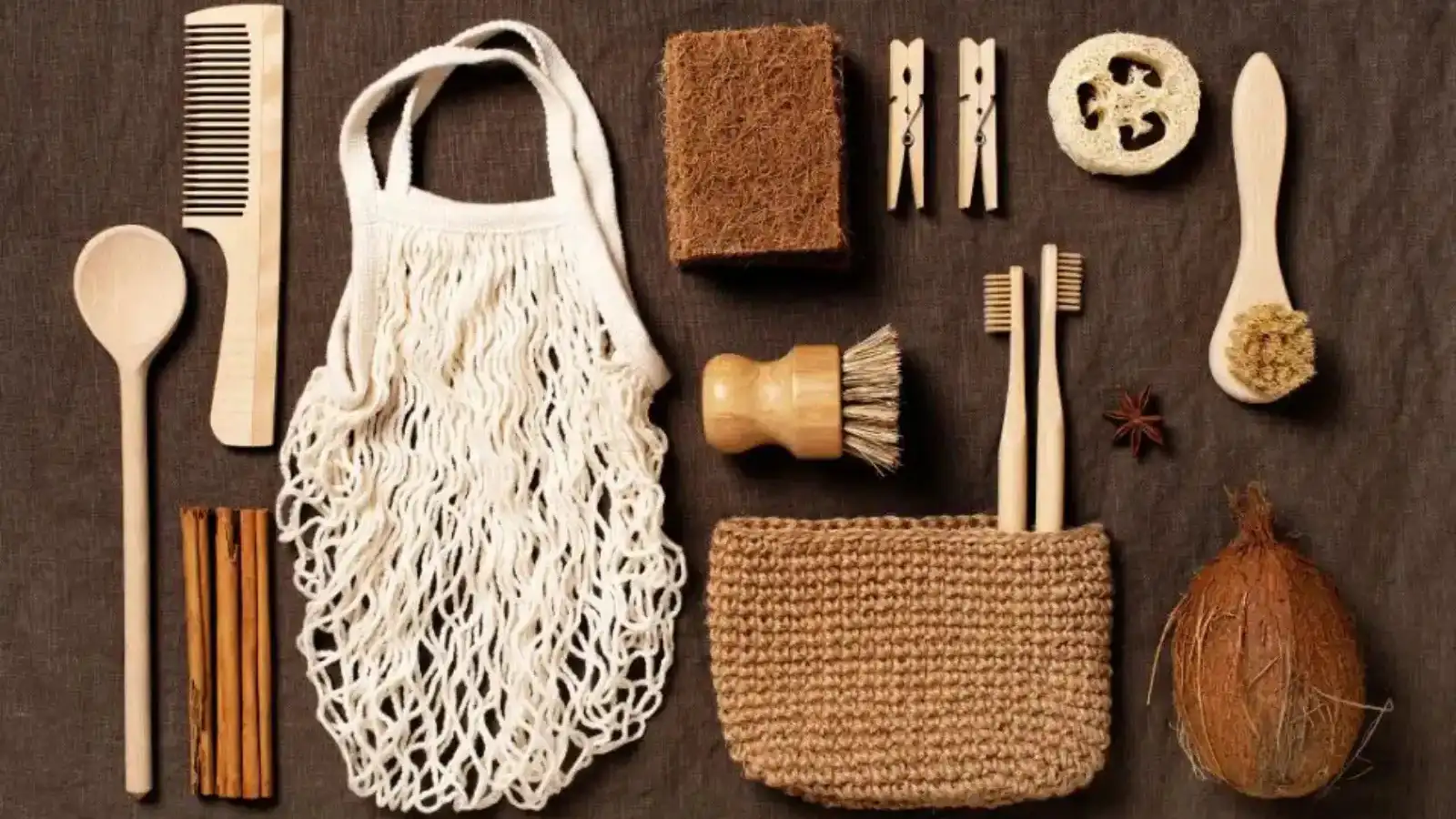
- One reusable shopping bag: useful for the market, wet clothing or an unplanned purchase without turning the day bag into a collection of gadgets.
Sun, drinking water and insects
Use several layers of sun protection
Bring a broad-spectrum, water-resistant SPF 50 or SPF 50+ sunscreen that suits your skin. Apply it before going outside and follow its reapplication instructions, especially after swimming or sweating. Sunscreen is only one layer: a rash vest or covering shirt, broad-brim hat, sunglasses and shade reduce exposure and reduce how much product you need on covered skin.
Some sunscreen chemicals can affect marine life, but the front-label words “reef safe” are not a substitute for reading the active ingredients and using physical protection. Follow any product rules provided by a marine operator or protected area. FijiEco's responsible snorkeling guide covers behaviour in the water; this packing page does not repeat it.
Refill where drinking water is identified
A refillable bottle is useful only when filled from a suitable source. Ask your accommodation which tap or dispenser is intended for drinking, then fill before leaving for the beach, dunes or inland areas. Do not assume a remote stop will have a refill point, and do not treat a basic filter bottle as a universal solution for every type of contamination.
Carry proven insect repellent
Mosquito exposure can occur on the coast as well as inland. CDC guidance for Fiji recommends preventing bites and lists active ingredients including DEET and picaridin. Apply the product as directed and use light covering clothing when practical. For health context rather than another packing list, see FijiEco's Sigatoka mosquito guide.
Clothing for a village visit
If a tour includes a village, place one loose top and one knee-covering lower layer in your bag. A lightweight sulu is useful because it takes little space, but it does not replace listening to your host. Remove hats before entering the village, avoid walking in wearing swimwear and follow the guide's instructions for the welcome and any ceremony.
You do not need to arrive with kava or organise your own ceremony unless the host or operator specifically asks you to do so. FijiEco's separate village dress and etiquette guide explains the cultural context without turning this page into a second etiquette article.
Pack one layer for changing weather
Fiji's wetter season generally runs from November to April, but showers are possible outside those months too. Pack a light rain shell or compact umbrella and protect electronics in a closed pouch. A thin long-sleeve layer is also useful for an air-conditioned transfer or a breezy boat ride. Check FijiEco's Sigatoka weather guide for seasonal trip planning rather than filling your bag for every possible condition.
What to bring from home and what to buy locally
| Bring before arrival | Usually simple to obtain locally |
|---|---|
| Prescription medicine and copies of prescriptions | Basic toiletries and everyday pharmacy items |
| Sunscreen and repellent that already suit your skin | A hat or replacement T-shirt |
| Correctly fitting walking or water shoes | Simple sandals |
| Specialist medical, accessibility or child-safety equipment | Sulu, snacks and a reusable shopping bag |
| A waterproof pouch if your plans involve boats or frequent wet conditions | Bottled or identified drinking water for an outing |
Local stock changes, so this guide does not promise that a particular specialist product or brand will be available in Sigatoka. Bring the items where fit, formulation or medical need matters. Everyday replacements can wait until town. For the complete Fiji-wide suitcase list, use what to bring to Fiji.
Clean and declare outdoor gear before entering Fiji
Fiji's biosecurity rules apply before you reach Sigatoka. Remove soil, seeds and plant material from used walking shoes, camping equipment and other outdoor gear. Biosecurity Authority of Fiji lists used sporting shoes, boots and recreational equipment among items that must be declared, along with food, plant and animal products.
Complete the passenger arrival card truthfully. Declaring an item does not automatically mean it will be taken; it allows an officer to inspect it and apply the current rules. If you are uncertain, declare it and ask the officer.
What you can usually leave at home
- A collection of “eco gadgets”: one bottle, one bag and reusable items you already use are better than buying products only for the trip.
- A heavy bath towel: check what the accommodation and tour provide; pack a compact towel only when your itinerary needs one.
- A portable water filter: unnecessary for a normal resort stay unless you have a specific independent route and a suitable treatment plan.
- Several pairs of specialist shoes: secure walking shoes plus sandals or water shoes chosen for your itinerary will cover most trips.
- Unnecessary food or natural souvenirs: they can create biosecurity complications and add weight without improving the trip.
Frequently asked questions
What should I pack for Sigatoka and the Coral Coast?
Pack light, breathable clothing, swimwear, a rash vest, SPF 50 or SPF 50+ broad-spectrum water-resistant sunscreen, a broad-brim hat, insect repellent, a refillable bottle, a light rain layer and footwear suited to your planned activities. Add modest clothing if a village visit is included.
Do I need reef shoes on the Coral Coast?
Not for every resort or beach. Bring secure water shoes if you expect rocky entries, exposed reef flats, tide pools or boat landings. They do not make it safe to stand on living coral, and normal walking shoes are better for the Sigatoka Sand Dunes.
What should I wear for a Fijian village visit?
Choose loose clothing that covers your shoulders and knees, remove your hat before entering the village and follow your host or guide. Carrying a lightweight sulu is useful, but use it in the way your host requests.
Should I bring sunscreen to Sigatoka?
Yes. Bring a sunscreen you already know suits your skin, ideally SPF 50 or SPF 50+, broad-spectrum and water-resistant. Use it with covering clothing, a hat, shade and sunglasses rather than relying on sunscreen alone.
Do I need mosquito repellent on the Coral Coast?
Yes, especially for dawn, dusk, gardens and inland outings. Choose a proven active ingredient such as DEET or picaridin, follow the label and carry it in your day bag instead of leaving it in the hotel room.
What should I wear at Sigatoka Sand Dunes?
Wear covered walking shoes with grip, light clothing and a broad-brim hat. Carry more water than you would for a town walk and use sun protection because much of the route is exposed.
Can I refill my water bottle in Sigatoka?
Refill only from a tap, dispenser or container that your accommodation, restaurant or tour operator identifies as drinking water. Fill the bottle before leaving for beaches, the dunes or inland trips because refill points may not be available during the outing.
Sources and verification
How this guide was checked
Activity-specific items were checked against current Fiji visitor, health and biosecurity guidance on 31 August 2026. Baggage limits depend on the purchased fare, while shop inventory and product prices can change. Use your airline for baggage rules and your accommodation or booked operator for trip-specific equipment.
- Tourism Fiji, Coral Coast Sand Dunes: covered shoes, water, hat and sunscreen.
- Tourism Fiji, Fijian Village Visit Etiquette: clothing, hats and conduct during village visits.
- Tourism Fiji, Climate in Fiji: wet- and dry-season context.
- CDC, Fiji Traveler View: insect-bite prevention, water safety and outdoor health guidance.
- Cancer Council Australia, Be SunSmart: SPF 50 or SPF 50+, clothing, hats, shade and sunglasses.
- NOAA Ocean Service, Skincare Chemicals and Coral Reefs: sunscreen ingredients and marine-life considerations.
- Biosecurity Authority of Fiji, Traveling to Fiji and What Needs to Be Declared: arrival declarations and used outdoor gear.
- National Trust of Fiji, Sigatoka Sand Dunes: park setting and protected landscape.