Coral Coast Snorkeling Near Sigatoka: Best Spots, Tides and Prices
Last fact-checked:
The Coral Coast is one of Fiji's easiest places to add snorkeling to a mainland trip, but choosing the right beach matters. Tides, reef access and recent weather can completely change the experience. Pick a suitable entry point and you can combine reef time with Sigatoka, a village visit, a beach day or a resort stay without taking an inter-island flight or ferry.
For non-resort visitors, the clearest starting point is a pre-booked community tour at Naidiri Marine Biodiversity Park. Natadola offers public beach access, while Maui Bay can work as a road-trip stop. Outrigger, Shangri-La, Warwick and Naviti are most convenient for their guests; a guided boat trip costs more but gives the operator flexibility to choose a site for the day's conditions.
Shore and Boat Snorkeling • Tide-Dependent • Community Marine Park • Family Planning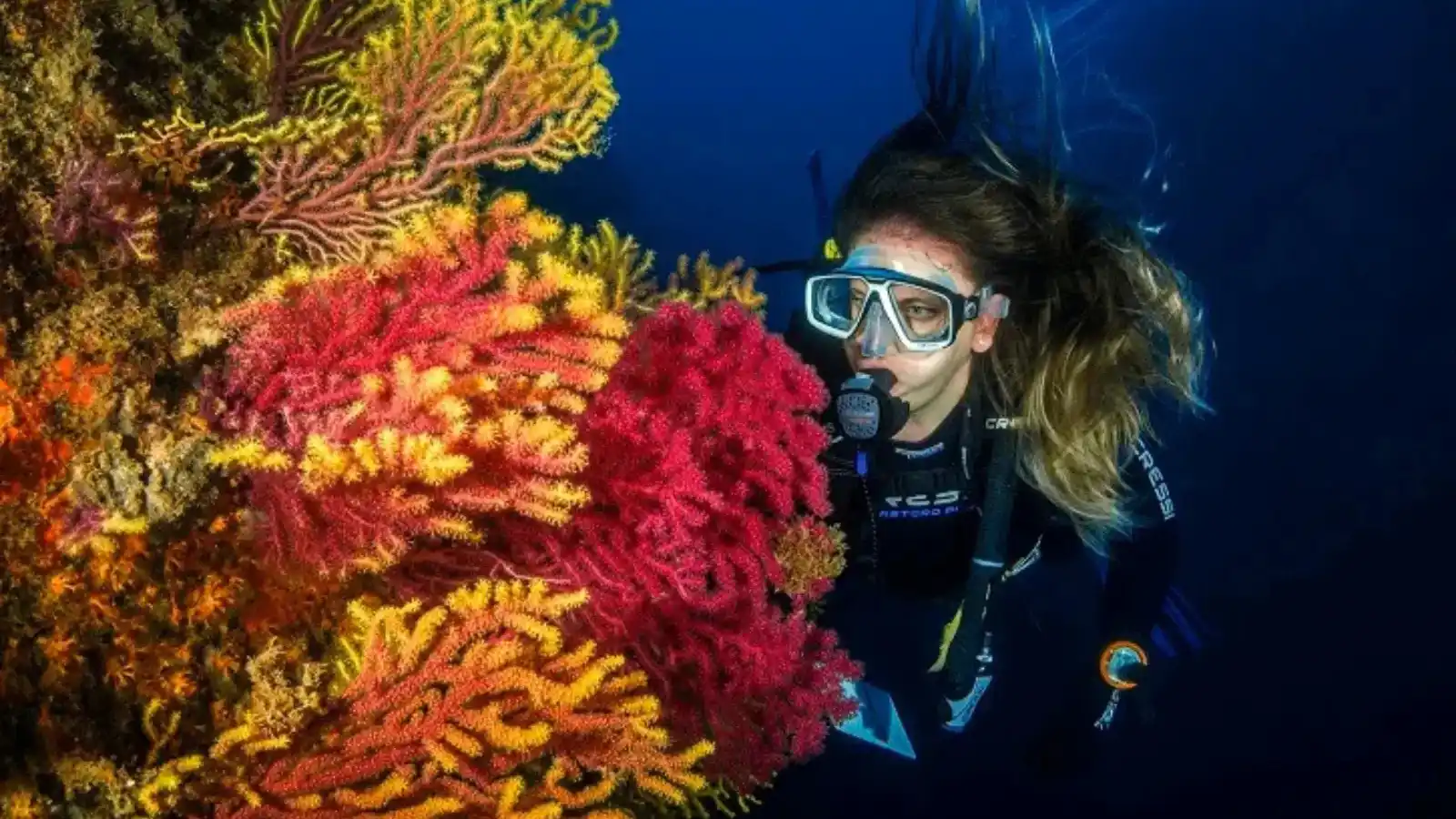
| Quick fact | What travelers should know |
|---|---|
| Region | Southern Viti Levu; Tourism Fiji describes the Coral Coast as an 80 km stretch between Sigatoka and Suva |
| Most straightforward non-resort option | Pre-booked guided snorkeling and village visit at Naidiri Marine Biodiversity Park |
| Independent beach options | Public Natadola Beach; Tourism Fiji also highlights Maui Bay, where the access point and facilities should be confirmed |
| Resort-based options | Outrigger, Shangri-La Yanuca Island, Warwick and Naviti; activities and equipment may be limited to guests |
| Published price examples | FJ$69 adult at Naidiri; independent guided trips from FJ$180; Outrigger night snorkeling FJ$25 for ages 13+ |
| General weather pattern | May to October is generally drier; November to April is warmer, wetter and includes the main cyclone season |
| Main safety issue | Changing tides and stronger currents near reef gaps; most Fiji beaches do not have lifeguards |
| From Nadi Airport | Roughly 30 minutes to 2 hours by road depending on the beach or resort |
Is Coral Coast snorkeling worth it?
The Coral Coast works best for travelers already based on southern Viti Levu. Its mix of community tours, public beaches, resort lagoons and boat trips makes a half-day reef experience easy to add to a mainland itinerary.
The trade-off is variation. One lagoon may be calm while the next beach is exposed to surf; low tide can leave a reef flat too shallow to swim, and recent rain can reduce clarity. Access also matters because some of the easiest entry points sit inside resort grounds.
This guide answers the local question: where and how to snorkel near Sigatoka and along the Coral Coast. It is not an all-islands ranking. If underwater time will determine where you stay in Fiji, use FijiEco's separate comparison of Fiji's best snorkeling regions before choosing a base. That guide compares islands; this page focuses on exact Coral Coast access, prices and planning.
Where to snorkel on Fiji's Coral Coast
Choose by access first. A named beach is not useful if the safe entry point is unclear, the reef is exposed at low tide or the facilities belong to a resort. The table separates public, community, resort and operator options.
| Place or provider | Access | Best fit | Important limitation |
|---|---|---|---|
| Naidiri Marine Biodiversity Park | Community-guided visit; pre-booking required | First-timers, non-resort visitors and travelers interested in local conservation | Confirm the day's conditions and gear inclusion because the price and FAQ pages use different wording |
| Natadola Beach | Public beach; independent arrival | A beach day with optional snorkeling when the reef and surf conditions suit | Best treated as a beach day first; inspect the entry and surf before deciding to snorkel |
| Maui Bay | Road-trip snorkeling stop highlighted by Tourism Fiji; confirm the local access point | Travelers with their own equipment who can check the lagoon in person | Confirm the access point, parking and facilities locally before setting out |
| Outrigger Fiji Beach Resort, Korotogo | Most practical for resort guests; activity desk booking | Complimentary equipment during a stay and a guided night option for ages 13+ | Night snorkeling is tide-dependent; non-guest access should be confirmed in advance |
| Shangri-La Yanuca Island | Resort program; ask the water-sports or Marine Education Centre team | Guests who want snorkeling alongside reef education and coral projects | Ask the resort about current sessions, price and guest access |
| Warwick Fiji and The Naviti Resort | Dive-centre booking with Dive Away Fiji; hotel pickup advertised | Resort guests who prefer a guided boat excursion | Request the current snorkeling price, site and departure time |
| Coral Coast Divers | Independent guided booking | Travelers seeking a structured trip with equipment and safety vest | Confirm the final price, transport and departure point for your date |
For detailed road access, swimming trade-offs and day-pass questions, use the separate Natadola Beach day-trip guide. Guests considering Korotogo can also check FijiEco's full Outrigger Fiji Beach Resort guide before booking.
Tides, weather and underwater visibility
Tide is the first planning variable on a fringing reef. Very low water can expose coral and leave too little depth to float above it. More water improves clearance, but flow near a reef gap may become stronger. The best window is therefore site-specific: ask the guide or resort team when to enter at that exact beach.
Fiji is generally drier from May to October and warmer and wetter from November to April. For the actual swim, recent rain, wind and sea state matter more than the month alone. Check FijiEco's Sigatoka weather and best-time guide, then use the Fiji Meteorological Service forecast and Ocean Outlook close to your date.
What the reef research can and cannot tell you
A 2025 Scientific Reports study found low average turbidity at its Coral Coast sites, with the regional minimum in July and August and maximum in December and January. Use that as seasonal context, not a daily forecast; overnight rain, wind and sediment can still change visibility at one beach.
Coral Coast snorkeling prices and booking checks
These public prices were checked on 22 September 2026 and show the difference between community, boat and resort options. Before paying, ask for the total and whether it includes tax, pickup, equipment, water and weather cancellation.
| Experience | Published price | Published inclusion or condition | Confirm before paying |
|---|---|---|---|
| Naidiri snorkel and village tour | FJ$69 adult; FJ$39 child under 13 | Current price page says mask, snorkel, fins and life jackets are included; pre-booking required | Start time, transfer, child vest size and gear wording because the FAQ still refers to rental fees |
| Coral Coast Divers guided trip | From FJ$180 | Mask, snorkel, fins and safety vest advertised | Exact package, duration, minimum numbers, departure point and pickup |
| Outrigger night snorkeling | FJ$25 | Nightly 7:00–8:00 pm, tide-dependent, ages 13 and over | Guest eligibility, weather status, equipment and required swimming ability |
| Warwick or Naviti excursion | No complete current public price found | PADI-certified Dive Away Fiji partnership and hotel pickup advertised | Price, site, boat time, gear, pickup and cancellation terms |
Keep a written confirmation or screenshot of the inclusions. For a broader comparison of pickup, duration, cancellation and accessibility questions, read FijiEco's Sigatoka tours and day trips guide.
Is Coral Coast snorkeling safe for families and beginners?
A guided, protected site can suit families and first-timers. Naidiri accepts beginners and describes its reef flat as shallow, while resort activity teams can match guests to the day's entry window. The essentials are a good mask fit, a clear exit, close supervision and flotation for anyone who is not a confident open-water swimmer.
- Use the buddy system and keep young children within immediate reach.
- Test the mask and flotation vest in shallow water before starting.
- Identify the exit and keep clear of reef gaps, boat lanes and rough water.
- Never plan to stand on coral; turn back before fatigue makes the return difficult.
- Ask about child-sized equipment, first aid and emergency communication.
Marine life and the real condition of the reef
Common Coral Coast encounters include colorful reef fish, hard coral, crabs, sea snails and other small creatures tucked into the reef flat. At Naidiri, blue-spotted rays and day octopus are occasional highlights. Depending on the site and conditions, a turtle or small reef shark may also pass through.
Reef condition changes along the coast because rainfall, waves, catchments and human pressure differ. A 2025 Porites study found low average turbidity at the Coral Coast sites it examined, while coral growth during 2013–2016 was 31 percent below the 1998–2012 mean during thermal stress. Clear water can still sit above a climate-stressed reef.
Naidiri provides a useful local conservation example. The community established a 1,200 m² no-take area in 2009. Fiji formally recognized the marine park in 2022, and the protected area had expanded to 28,800 m² by 2024. The village reports coral nurseries and 18,000 coral fragments planted in 2023, while a youth group monitors the reef, supports planting and guides visitors.
How to reduce your impact
- Float above coral; reef shoes do not make it acceptable to stand or walk on living reef.
- Keep fins, hands, cameras and straps clear of coral.
- Never feed, touch or chase turtles, rays, sharks or other wildlife.
- Use sun-protective clothing and follow the site's sunscreen rules.
- Respect tabu and no-take areas and support transparent community-managed experiences.
FijiEco's separate guide to responsible snorkeling near Sigatoka covers fin control, wildlife distance and operator questions in more detail.
Getting to Coral Coast snorkeling spots
The Coral Coast covers a long section of Queens Road, so “Coral Coast transfer” is not one travel time. Tourism Fiji gives a range of roughly 30 minutes to 2 hours from Nadi Airport depending on the resort. Natadola and Cuvu are at the western end, Sigatoka and Korotogo sit farther east, and Korolevu, Warwick and Naviti require a longer drive.
A private transfer or rental car gives the most control over a tide-dependent booking. Public buses are cheaper but may leave a last-mile walk or taxi, and carrying wet equipment is inconvenient. Arrange the return before entering the water, especially at a village or beach without a formal taxi rank.
Use FijiEco's guides to getting to Sigatoka from Nadi or Suva and local transport in Sigatoka to compare buses, taxis and transfers. Ask the snorkeling provider for a map pin rather than relying only on a village or resort name.
What to bring
For the water
- Well-fitting mask and snorkel if you prefer your own equipment.
- Rash vest or long-sleeved swim top for sun protection.
- Fins when the guide recommends them; never use them to stand or push off coral.
- Flotation vest for a child, beginner or nervous swimmer.
- Secured water shoes for an approved shallow entry, especially when requested by the operator.
For the shore and transfer
- Drinking water, towel, hat and a small dry bag.
- Reef-safe sun protection accepted by the site.
- Sulu or sarong for a village visit; Naidiri specifically requests one.
- Fiji dollars for community payments, small operators or transport when cards are not accepted.
- Waterproof camera with a wrist strap, without touching wildlife for a photograph.
The full Coral Coast packing list also covers village clothing, rain protection, footwear and day-trip essentials.
FijiEco planning view
Choose Naidiri for a structured community experience, your own resort reef for convenience, Natadola or Maui Bay for a flexible beach stop when conditions are suitable, and a boat operator when site choice matters more than price. Whichever option you choose, confirm access, tide, equipment, transport and cancellation on the same booking.
Frequently Asked Questions
Is snorkeling on the Coral Coast worth it?
Yes, especially if you are staying on southern Viti Levu and want to combine snorkeling with a beach day, village visit or resort stay. If snorkeling is the main purpose of your Fiji trip, compare the Coral Coast with the Mamanuca, Yasawa, Taveuni and Kadavu regions before choosing a base.
Where is the best Coral Coast snorkeling for a first-timer?
A guided visit to Naidiri Marine Biodiversity Park is the clearest starting point for a non-resort visitor because the community publishes its access, price and included equipment. Resort guests should first ask their activities desk which entry point and tide window are safest that day.
What tide is best for Coral Coast snorkeling?
There is no single best tide for every site. Low water can leave too little clearance over a reef flat, while moving water near reef gaps can strengthen currents. Ask a local guide or resort activities team for the best entry window at the exact beach.
Can children and beginners snorkel on the Coral Coast?
Yes, at a suitable site with close supervision, a correctly fitted mask and a flotation vest when needed. A guided first session is the easiest option. Most Fiji beaches do not have lifeguards, so families should avoid reef gaps, boat lanes and rough water.
How much does Coral Coast snorkeling cost?
On 22 September 2026, Naidiri listed FJ$69 per adult and FJ$39 per child under 13 for a snorkel and village tour, Coral Coast Divers advertised trips from FJ$180, and Outrigger listed tide-dependent night snorkeling at FJ$25 for guests aged 13 and over. Prices, inclusions and access can change, so confirm the total directly.
Will I see turtles, rays or reef sharks?
Common encounters centre on reef fish, coral and invertebrates. Depending on the site and the day, you may also see rays, turtles or small reef sharks. Treat larger animals as a welcome extra and never chase, feed or touch them.
Sources and verification
Official tourism, weather, community, operator and resort pages support the practical details below. The reef condition section also uses peer-reviewed research.
- Tourism Fiji, Coral Coast guide and Top Things to Do: regional location, 80 km coastline and visitor context.
- Tourism Fiji, Water Safety: lifeguard availability, reef gaps, currents, tides, weather and local advice.
- Tourism Fiji, Climate in Fiji and Fiji Meteorological Service, Ocean Outlook: seasonal context, ocean conditions, bleaching risk and tide resources.
- Tourism Fiji, Best Public Beaches on Viti Levu, Natadola Beach and Maui Bay Beach: public-beach and snorkeling context.
- Naidiri Marine Biodiversity Park, current prices and snorkeling FAQ: admission, equipment, pre-booking, shallow-water context, beginner guidance and village etiquette.
- UNDP Pacific, Naidiri Marine Biodiversity Park: no-take area history, government recognition, expansion, youth monitoring and community benefits.
- Outrigger Fiji Beach Resort, Activities: night snorkeling time, age, price and tide dependence; the official Outrigger advisor page lists complimentary snorkeling equipment during a stay.
- Shangri-La Yanuca Island, Reef Care Project: coral gardens, Marine Education Centre and fish-house activities.
- Warwick Fiji Dive Centre and Naviti Dive Centre: Dive Away Fiji partnership, hotel pickup and operating times.
- Coral Coast Divers, Snorkeling Adventures: “from” price, guided format, equipment and safety vest.
- Scientific Reports, coastal turbidity and thermal stress in Fiji: Coral Coast turbidity seasonality, Porites growth and thermal-stress findings.
Prices, access, tour schedules, equipment and sea conditions can change. Confirm time-sensitive details with the beach, village, resort or operator before travel. Found something outdated? Send FijiEco a correction.