Kula WILD Adventure Park Fiji: Tickets, Hours & What to Expect
Written and researched by
Yevhen Derkach
Last fact-checked:
Kula WILD Adventure Park, still widely known as Kula Eco Park, is a wildlife and family adventure
park in Korotogo on Fiji's Coral Coast. It combines a self-guided forest route with native bird, reptile and marine
displays. Families can also add a canopy ride and jungle water slide, but the correct ticket matters because the
general-admission and adventure-combo products are not the same.
The park is opposite Outrigger Fiji Beach Resort, about 6 km east of Sigatoka. It is open daily from 10:00 am to
4:00 pm, with last entry at 3:30 pm. Allow one to three hours for the wildlife route, or half a day if children will
use the splash area and rides.
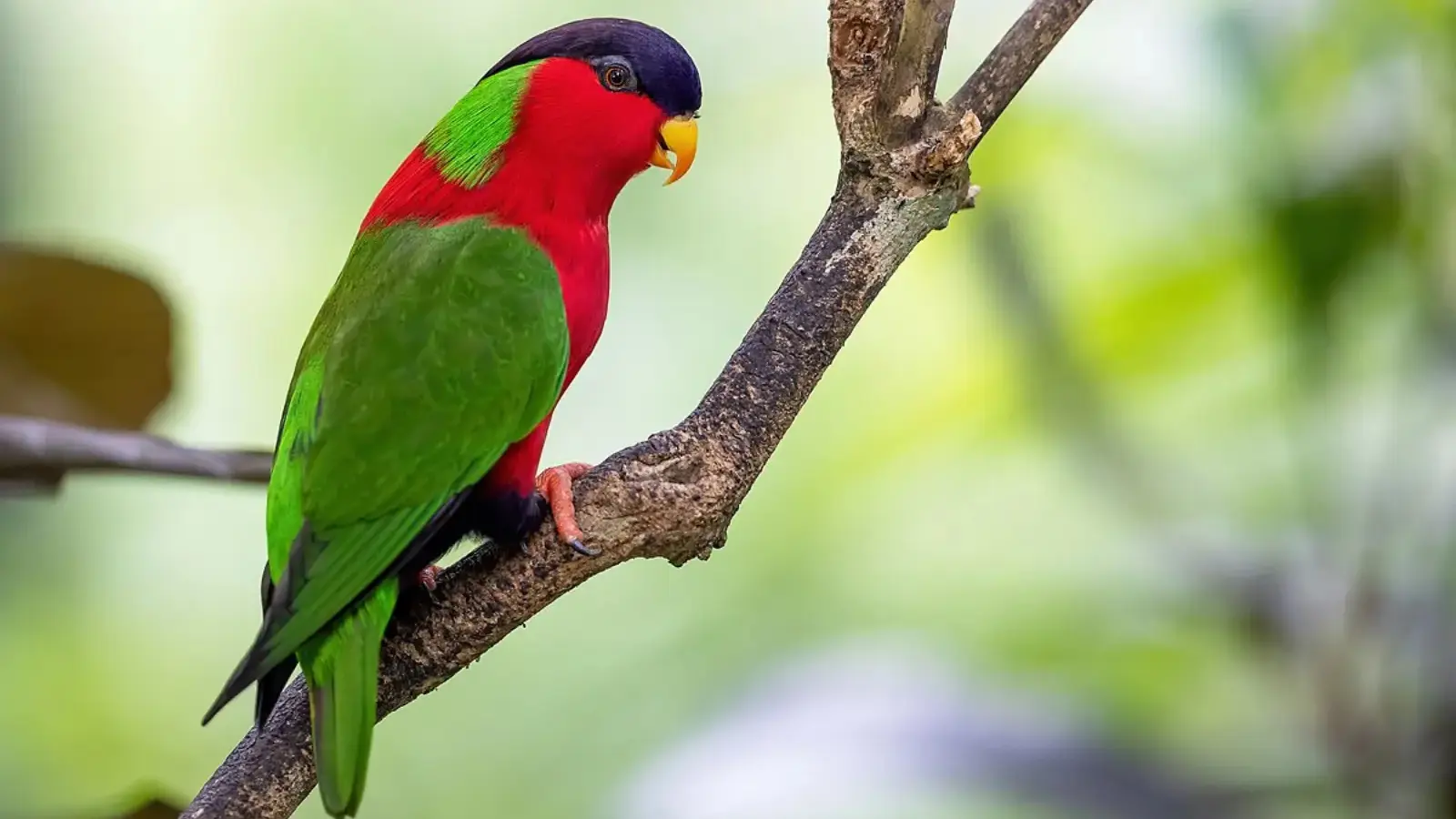
Illustrative image: the collared lory is endemic to Fiji and is among the native birds displayed at Kula WILD.
Choose by what you actually want to do. The general ticket is for park admission. The adventure combo is the
clearer choice when the Canopy Flier and Jungle Slide are essential. Select a date and traveller ages to see the
live price and final terms. For more general checks before paying, use FijiEco's
activity booking checklist.
Wildlife visit
General admission
Park admission and the self-guided wildlife route
Official park pages advertise animal interaction and scheduled turtle feeding with entry
Food, hotel pickup and transport are not included
Do not assume the Canopy Flier or Jungle Slide is included
Affiliate disclosure: FijiEco may earn a commission if you book through either link, at no additional cost to
you. FijiEco is an independent travel guide and does not operate the park, set ticket prices or process bookings.
How much do tickets cost?
Use the booking calendar for the current price in your selected currency. Rates can differ by date and traveller
age, so an old fixed figure in a guide can be misleading. Check the final total, cancellation deadline and child
age band before paying. If you plan to buy at the gate, call the park first and follow FijiEco's advice on
carrying a payment backup around Sigatoka.
What you will see and do
Kula WILD is a privately owned 28-acre property set across three valleys. The official park description says 12
acres of coastal forest are open to visitors, with almost one kilometre of wooden walkways, bridges and rest areas.
This is a forest attraction with wildlife displays, not a large international zoo.
Native birds, reptiles and marine displays
Walk-through habitats display parrots, doves, water birds, fruit bats, iguanas and other reptiles. The Land & Sea
building and marine areas add coral, tropical fish, shells and freshwater displays. Animal visibility and activity
vary, so slow down at planted enclosures and ask staff if a species is difficult to spot.
The park also operates captive-breeding work for endangered Fijian species. Its animal-display page reports breeding
and releasing more than 50 Monuriki crested iguanas. Keep this part of the visit in proportion: the practical value
for a traveller is the chance to learn about Fiji's native wildlife in one accessible place, not a promise that every
animal will be active on demand. For a contrasting outdoor experience, see FijiEco's guide to
wildlife spotting around the Sigatoka Sand Dunes.
Turtle feeding and animal interaction
The park currently lists Hawksbill turtle feeding at 11:00 am, 1:00 pm and 3:30 pm, and describes it as included
with park entry. It also advertises supervised photo opportunities with selected animals such as a Pacific boa or
banded iguana. These are managed activities: animals are rotated, staff hygiene instructions apply and schedules can
change. Ask at reception as soon as you arrive.
Do not plan to arrive at 3:30 pm just for the final listed feeding. That is also the park's last-entry time and leaves
too little time for the forest route. Late morning gives you more flexibility for wildlife, lunch and any rides.
Canopy Flier and Jungle Slide restrictions
Activity
Current published rule
What to bring
Krazy Canopy Flier
200 m ride; minimum 25 kg, maximum 120 kg
Closed shoes; safety equipment is supplied
Splash Mountain Jungle Slide
Over 100 m long; minimum height 1.05 m, maximum weight 120 kg
Swimwear, towel and dry clothes
Riders must follow the staff's safety instructions. The combo listing states that the Canopy Flier does not operate
in heavy rain or strong winds, so a paid combo does not guarantee that every ride will run in unsafe weather. Check
the forecast in FijiEco's
Sigatoka weather guide, then ask the park about same-day
operations if the ride is important.
How to get to Kula WILD Adventure Park
The entrance is on Queens Road in Korotogo, opposite Outrigger Fiji Beach Resort and about 6 km east of Sigatoka
town. Search the current name, Kula WILD Adventure Park, in your map app. The two admission products
linked above begin at the park and do not include transport.
Starting point
Practical plan
Sigatoka town
A short taxi ride east along Queens Road; arrange the return pickup before entering
Korotogo and nearby resorts
Taxi or hotel transfer is simplest; Outrigger is directly opposite the park
Nadi Airport or Denarau
Treat it as a Coral Coast day trip and allow roughly 1 hour 15 minutes to 1 hour 45 minutes each way, traffic dependent
Public bus
Ask whether the Coral Coast service will stop near the park and confirm the return before boarding
If you are travelling without a car, FijiEco's
Sigatoka travel essentials explains the wider Coral
Coast planning context. Staying locally makes the visit much easier than crossing from Nadi. Nearby bases include
resort areas around Korotogo and properties farther east such as
Tambua Sands. Travellers who prefer a local-style base
can also compare the practical trade-offs in FijiEco's
Sigatoka homestay guide.
Food, clothing and accessibility
What to bring
Comfortable walking shoes for wooden walkways, bridges and steps
Closed shoes if anyone plans to use the Canopy Flier
Swimwear, towel and dry clothes for the Jungle Slide or splash area
Water, sun protection and a light rain layer
A waterproof pouch for phones and valuables around the water activities
Cafes and rest breaks
Official park information lists the Hawksbill Cafe and Splash Cafe for meals, snacks and drinks. Food and drinks are
not included in either Viator ticket. If a dietary requirement is important, contact the park before travelling
rather than assuming a full menu will be available on the day.
Wheelchairs and strollers
Viator marks the admission products as wheelchair accessible and the adventure combo as stroller accessible. The
park's own description, however, mentions bridges, steps and routes up valley walls. These statements can both be
true if only part of the site is step-free. Contact the park in advance with the visitor's exact mobility needs and
ask which habitats, cafes and activities can be reached without steps.
Is Kula WILD worth visiting?
Kula WILD is strongest for families who want one place combining Fiji-focused wildlife, a forest walk and optional
water activities. It also suits adults interested in native birds and reptiles, especially when they are already on
the Coral Coast. It is a weaker fit for travellers expecting a large zoo, a major multi-line zipline course or a
quick stop from Nadi.
Advantages
Fiji-focused wildlife and forest setting
Short self-guided visit or longer family day
Animal interaction and scheduled turtle feeding advertised with entry
Clear upgrade for families who want rides
Limitations
Long return journey when based in Nadi or Denarau
Not a large international zoo or multi-line zipline park
Ride operation depends on weather and safety rules
Parts of the forest route may involve steps
Who this is best for
Families with children who enjoy animals and water play
Travellers staying in Korotogo, Sigatoka or elsewhere on the Coral Coast
Visitors who want an introduction to Fiji's native birds, reptiles and marine life
Groups that can meet the ride restrictions and bring both closed shoes and swimwear
Build a sensible Coral Coast day
A wildlife-only visit can be paired with the
Sigatoka Sand Dunes National Park, but avoid rushing
both if children will use Kula's water activities. Visit the dunes in the cooler morning, take a lunch break, then
use Kula for the afternoon. Keep the park's 3:30 pm last-entry time in mind.
Frequently asked questions
Is Kula Eco Park the same place as Kula WILD Adventure Park?
Yes. Kula Eco Park is the former name still used in searches and some ticket listings. The attraction now operates as Kula WILD Adventure Park in Korotogo on Fiji's Coral Coast.
What are the opening hours?
The park currently states that it opens every day, including public holidays, from 10:00 am to 4:00 pm. Last entry is at 3:30 pm. Arrive earlier if you want the full wildlife route or any scheduled activities.
How much are Kula WILD tickets?
Ticket prices are date, age and currency dependent. Select your visit date and traveller ages on the booking page to see the current total. For a same-day gate price, contact the park directly before travelling.
Does general admission include the Canopy Flier and Jungle Slide?
Do not assume it does. The general-admission product lists park entry, while the separate adventure combo explicitly includes two Canopy Flier rides and unlimited Jungle Slide rides. Choose the combo when those rides are an important part of the visit.
How long should I allow?
Allow about one to three hours for the self-guided wildlife route. Families using the splash area, slide, canopy ride or cafes can comfortably spend half a day.
Is transport from Nadi included?
No. The two Viator ticket products linked in this guide exclude hotel pickup, drop-off and transport. Arrange a rental car, taxi, hotel transfer or suitable Coral Coast bus separately.
Is the park suitable for wheelchairs and strollers?
Viator marks the ticket products as wheelchair accessible and the combo as stroller accessible, but the park's own route description mentions bridges, valley walls and steps. Contact the park before booking if step-free access is essential.
Do I need closed shoes or swimwear?
Closed shoes are required for the Canopy Flier. The Jungle Slide requires swimwear, and a towel plus dry clothes are useful. Wildlife-only visitors should still wear comfortable shoes for the boardwalk route.
Information was last checked on 27 August 2026. If you spot a changed price, schedule, inclusion or access
condition, email [email protected]
with the page link and supporting source.