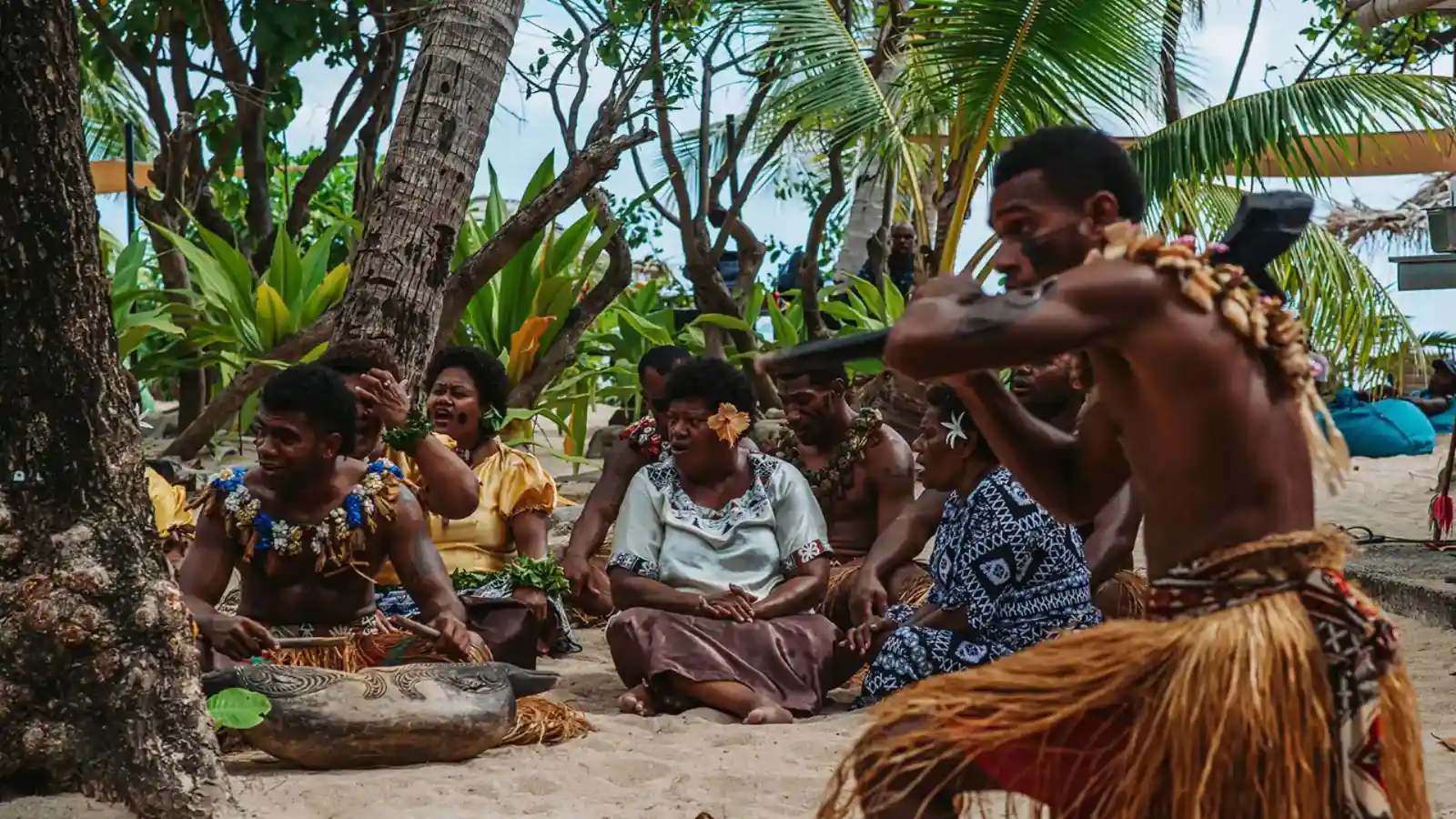
Meke Dance Performance Fiji: Complete 2025 Guide to Traditional Storytelling Through Movement
Experiencing traditional Fijian meke dance performance—centuries-old theatrical art form integrating synchronized choreography, rhythmic drumming (lali), vocal chanting (vakamalolo), elaborate costuming, and narrative storytelling—represents essential cultural immersion revealing indigenous Fijian worldview, historical memory, spiritual beliefs, and communal identity through kinetic expression. This comprehensive guide covers meke's historical origins and ceremonial significance, detailed taxonomy of dance styles (warrior vakamalolo, women's seasea, fan dance, club dance), performance elements and symbolism, where to attend authentic versus tourist-oriented presentations across Fiji (Suva cultural centers, resort shows, village celebrations, national festivals), proper audience etiquette and photography protocols, understanding narrative themes and mythological references, and appreciating how this living tradition preserves oral history while adapting to contemporary contexts.
Traditional Dance • Oral History • Lali Drums • Cultural Storytelling • Indigenous Performance
Understanding Meke: History, Purpose, and Cultural Significance
Origins and Historical Development
Meke (pronounced "meh-keh")—traditional Fijian group performance art—predates European contact by centuries, serving as primary mechanism for oral history preservation, spiritual expression, communal bonding, and social commentary in pre-literate society. Archaeological evidence suggests meke traditions existed throughout Pacific Island migrations (3,500+ years ago) with Fijian variations developing unique characteristics through geographic isolation and local cultural evolution.
Pre-colonial meke functioned as multimedia encyclopedia—encoding genealogies, battle histories, creation myths, navigational knowledge, agricultural cycles, and moral teachings through choreographed movement, rhythmic patterns, and poetic lyrics memorized and transmitted across generations. Performances occurred during significant events: welcoming distinguished visitors, celebrating victories, mourning deaths, marking seasonal transitions, invoking spiritual protection, and strengthening intertribal alliances.
Colonial period (1874-1970) saw missionary attempts suppressing meke as "pagan ritual" though indigenous resistance preserved core traditions. Post-independence cultural renaissance elevated meke as symbol of Fijian identity and national pride. Contemporary meke balances preservation of ancestral forms with creative innovation—maintaining traditional narratives while incorporating modern themes, adapting performances for tourism contexts, and engaging younger generations through school programs and competitions.
Cultural Functions and Social Contexts
| Performance Context | Purpose | Typical Meke Styles | Participants |
|---|---|---|---|
| Ceremonial Welcome (Sevusevu) | Honor distinguished guests, demonstrate hospitality | Seasea (women), Vakamalolo (men) | Village performers, elders |
| Victory Celebrations | Commemorate battles, achievements, competitions | Cibi (warrior), Wesi (club dance) | Male warriors, young men |
| Seasonal Festivals | Mark harvest, planting, cultural holidays | Multiple styles, mixed groups | Entire village, all ages |
| Spiritual Ceremonies | Invoke ancestral spirits, seek protection | Traditional sacred meke (restricted) | Chiefs, priests, initiated members |
| Social Gatherings | Entertainment, community bonding, courtship | Contemporary meke, fusion styles | Youth groups, families |
| Tourism Performances | Cultural education, economic income | Abbreviated showcase (multiple styles) | Professional troupes, resort staff |
Types of Meke: Performance Styles and Characteristics
Women's Meke: Grace and Fluidity
Meke Seasea (Seated Women's Dance)
Most refined and graceful meke form performed by women sitting or kneeling in precise rows. Movements emphasize upper body—flowing arm gestures mimicking waves, swaying torsos representing wind through palms, delicate hand positions illustrating specific narrative elements. Facial expressions convey emotional content—joy, sorrow, reverence—as lyrics sung collectively tell story.
Costuming: Colorful tapa cloth (masi) skirts, flower garlands (salusalu), coconut oil-glistened skin reflecting firelight, natural adornments (shells, feathers, leaves). Traditional bare-breasted presentation historical though modern performances typically include tops respecting contemporary modesty norms.
Themes: Love stories, creation myths, nature observations (ocean, birds, plants), daily village life, feminine virtues, maternal bonds.
Musical accompaniment: Female vocal harmonies, rhythmic clapping (derua), occasional bamboo tube stamping, gentle lali drumming providing undertone without overpowering voices.
Meke Wesi (Fan Dance)
Variation performed with handheld fans (traditionally woven palm leaves, modern performances sometimes use decorative paper fans). Synchronized fan movements create visual patterns—opening/closing in unison, rotating in cascades, raised overhead forming canopy. Physical complexity higher than seated seasea requiring standing positions enabling fuller body movement range.
Symbolism: Fans represent cooling breezes, bird wings, royal court refinement. Often performed honoring high-ranking visitors or special occasions requiring elaborate presentation.
Men's Meke: Power and Intensity
Meke Vakamalolo (Warrior Dance)
Most dramatic and physically demanding meke style performed by men demonstrating martial prowess, tribal strength, and warrior spirit. Movements aggressive and athletic—stomping feet shaking ground, fierce facial expressions (wild eyes, protruding tongues), battle cries, weapon brandishing (spears, clubs), synchronized formations mimicking battlefield tactics.
Narrative content: Historical battles, legendary warriors, tribal conflicts, hunting expeditions, protection of community. Chants recount specific events—names of warriors, battle locations, strategic victories—preserving military history through performance.
Costuming: Minimal clothing emphasizing physique—traditional malo (loincloth), body paint/charcoal designs, tapa cloth accessories, warrior headbands, sometimes face paint creating intimidating appearance. Oiled skin enhances muscle definition and reflects light dramatically.
Musical accompaniment: Heavy lali drumming (deep resonant beats synchronizing with stomps), male vocal chanting (rhythmic, percussive, aggressive tones), occasional bamboo stamping tubes, unified battle cries punctuating choreography.
Cibi (Intimidation Dance)
Specialized warrior dance internationally recognized through Fiji's national rugby team pre-game performances. Originally performed before battles psychologically intimidating enemies while unifying warriors. Movements extremely aggressive—intense eye contact, protruding tongues (revenua), guttural vocalizations, weapon strikes, unified stamping creating thunderous sound.
Contemporary adaptation: Rugby context maintains traditional intensity while adding modern choreographic elements. Village performances preserve original ceremonial versions rarely seen by tourists—sacred aspects restricted to initiated community members.
Performance Elements: Understanding the Components
Musical Instruments and Vocal Techniques
| Element | Description | Function in Performance |
|---|---|---|
| Lali (Wooden Drum) | Hollowed log (traditionally from vesi or dakua tree), struck with wooden beaters. Various sizes producing different tonal ranges. | Primary rhythmic foundation. Deep beats establish tempo, signal transitions, emphasize dramatic moments. Sacred instrument requiring respectful handling. |
| Derua (Clapping) | Synchronized hand clapping by performers and sometimes audience. Various patterns—single claps, rapid sequences, call-response rhythms. | Provides percussive counterpoint to drums, enables audience participation, maintains rhythm during instrumental breaks. |
| Davo (Bamboo Tubes) | Bamboo segments stamped on ground or struck together creating hollow resonant tones. Different lengths produce varied pitches. | Adds tonal complexity to rhythm section. Particularly prominent in women's dances creating melodic percussion. |
| Vakamalolo (Chanting) | Rhythmic vocal delivery—somewhere between singing and speaking. Poetic lyrics in Fijian language following strict metrical patterns. | Carries narrative content. Stories, genealogies, legends encoded in lyrics. Performance incomprehensible without understanding chanted text. |
| Harmonization | Multiple vocal parts—lead singer (mata ni sere) supported by chorus harmonies. Western musical influence introduced part-singing post-contact. | Creates rich sonic texture. Women's meke particularly features elaborate harmonies. Demonstrates musical sophistication and group coordination. |
Movement Vocabulary and Symbolic Gestures
Meke choreography employs standardized gesture vocabulary where specific movements convey precise meanings. Understanding basic symbolism enriches viewing experience:
Natural World Representations
- • Waves: Rolling arm movements, undulating torsos mimicking ocean swells—fundamental Fijian connection to maritime environment
- • Wind in palms: Swaying upper body, raised arms waving like fronds—agricultural society's intimacy with land
- • Birds: Fluttering hand movements, light stepping suggesting flight—spiritual messengers between earthly and divine realms
- • Fish swimming: Darting hand motions, side-to-side body movements—subsistence fishing's cultural importance
Human Activities & Emotions
- • Paddling canoes: Arm motions mimicking rowing—seafaring heritage, journey metaphors
- • Weaving: Crossing hand patterns suggesting mat-making—women's labor, domestic skill transmission
- • Spear throwing: Sudden arm extensions, aggressive stances—warfare, hunting, masculine prowess
- • Embracing: Arms crossing chest or reaching outward—love, welcome, communal bonds
Where to Experience Meke Performances
Suva: Cultural Capital Options
As Fiji's political and cultural center, Suva offers most diverse meke performance opportunities ranging from authentic community presentations to tourist-oriented showcases:
Fiji Museum Cultural Programs
Located in Thurston Gardens, the Fiji Museum hosts periodic meke demonstrations emphasizing educational context—explaining historical significance, dance symbolism, cultural evolution. Performances shorter than full ceremonies (20-30 minutes) but accompanied by expert commentary invaluable for first-time viewers.
Schedule: Irregular—check museum website or call ahead. Often coincides with school holidays, national celebrations. Cost: Included in museum entry (FJ$15 adults, FJ$5 children). Authenticity: Moderate—educational focus over entertainment.
National Festivals and Public Events
Major celebrations showcase meke prominently: Fiji Day (October 10): Independence commemoration featuring large-scale meke presentations, intervillage competitions, traditional ceremonies. Hibiscus Festival (August): Week-long cultural celebration including nightly meke performances, youth dance competitions, regional style showcases. Diwali Festival (October/November): Hindu celebration incorporating meke demonstrations alongside Indian dance forms—highlighting cultural diversity.
Advantages: Free admission public spaces, authentic community participation, festive atmosphere, multiple performance opportunities. Challenges: Crowds, scheduling unpredictability, limited seating, environmental factors (heat, rain).
Hotel and Resort Shows
Major Suva hotels (Grand Pacific, Tanoa, Holiday Inn) offer weekly "Fijian Nights"—dinner buffet featuring abbreviated meke performances. Professionally choreographed, family-friendly presentations emphasizing visual spectacle over cultural depth.
Cost: FJ$80-120 per person (buffet + show). Duration: 30-45 minute performance. Authenticity: Low—commercialized for tourist appeal but convenient introduction. Booking: Reserve advance especially peak season. For cultural context, explore Suva's multicultural heritage.
Village Visits: Authentic Experiences
Most authentic meke experiences occur during village stays or organized cultural tours. Performances integrated into community life rather than staged productions—ceremonies welcoming visitors, celebrating local events, or simply evening social gatherings. Context and spontaneity create genuine cultural exchange impossible in commercial venues.
Booking Authentic Village Experiences
Organized tours: Operators specializing cultural tourism arrange village visits including sevusevu ceremony, traditional meal, meke performance. Guides facilitate cultural exchange, provide translation, ensure proper protocol adherence. Cost: FJ$100-180 per person full-day. Verify ethical operation—fair community compensation, respectful engagement, environmental responsibility. See our responsible tour booking guide.
Homestays: Overnight village stays enabling participation in evening meke sessions—informal, intimate, often spontaneous performances reflecting authentic community life. Booking: Village homestay networks, cultural tourism websites, direct village contacts through accommodation providers.
Audience Etiquette and Cultural Respect
Appropriate Behavior During Performances
✓ Respectful Actions
- • Arrive early securing good viewing position without disrupting setup
- • Silence phones completely—even vibration disruptive
- • Remain seated during performance (standing blocks others' views)
- • Clap enthusiastically after each dance segment—performers appreciate engagement
- • Observe silence during narrative portions allowing audience hearing lyrics
- • Ask questions after performance—hosts usually welcome cultural curiosity
- • Dress modestly (covered shoulders/knees) especially village contexts
- • Express gratitude to performers and organizers—simple "vinaka" appreciated
✗ Disrespectful Behaviors
- • Talking during performance—extremely rude disrupting performers and audience
- • Walking across performance space—breaks sacred circle, shows disrespect
- • Touching performers or props without permission
- • Laughing at perceived mistakes—performers practicing sacred tradition deserving respect
- • Leaving mid-performance—considered highly offensive unless emergency
- • Comparing negatively to other Polynesian dances—each culture unique
- • Recording video without permission—intellectual property concerns
- • Wearing hats, sunglasses indoors—cultural disrespect
Photography Guidelines
Photography policies vary significantly by venue and performance context. Understanding appropriate practices prevents cultural offense and respects performers' rights:
Venue-Specific Policies
- Village ceremonies: Photography often restricted or requiring explicit permission. Sacred performances may prohibit cameras entirely. ASK FIRST—never assume permission. If granted: No flash (disruptive), photograph during designated times only (not during sacred portions), avoid close-ups without individual consent, never publish online without permission.
- Cultural centers: Generally allow photography with guidelines—no flash, designated photo areas, restrictions during specific segments. Signage usually indicates policies. When uncertain, ask staff before shooting.
- Hotel/resort shows: Photography typically permitted freely—commercial venues expect documentation. Flash use varies (some prohibit for ambiance). Video recording may require permission or additional fee.
- Public festivals: Photography usually acceptable but respect performers' space—don't block audience views, avoid invasive close-ups, be mindful participants may not want appearing in tourist photos.
Best Practices
Technical considerations: Indoor performances challenging lighting—raise ISO, use fast lens, stabilize camera avoiding flash. Outdoor festivals easier but watch for harsh midday sun. Continuous lighting mode captures movement better than single shots.
Ethical considerations: Balance documentation desire with present-moment experience—watching through viewfinder diminishes engagement. Take few quality photos early then put camera away fully immersing. Respect when performers indicate no photography—some moments sacred beyond documentation.
Frequently Asked Questions
What's the difference between Fiji's meke and other Pacific Island dances like Hawaiian hula or Maori haka?
While sharing Polynesian/Melanesian cultural roots, each tradition developed unique characteristics: Hula (Hawaii): Emphasizes hip movements, hand storytelling (hula kahiko ancient style, hula 'auana modern style), often solo or small group performances, guitar/ukulele accompaniment post-contact. Generally more fluid and individualistic than Fijian meke. Haka (Māori): Primarily warrior intimidation dance—extremely aggressive posturing, facial distortions (pūkana), vigorous movements, unified battle cries. New Zealand's All Blacks rugby team popularized internationally. Similar to Fijian cibi but distinct cultural context and choreographic elements. Meke (Fiji): Broader tradition encompassing multiple dance styles (graceful women's seasea, aggressive men's vakamalolo, various specialized forms). Stronger emphasis on group synchronization than hula, less exclusively martial than haka. Vocal chanting integral to performance—storytelling through lyrics as important as movement. Unique instrumental vocabulary—lali drums, bamboo tubes, specific rhythmic patterns. Shared elements: All three preserve oral history, involve traditional costuming, require extensive training, function ceremonially and socially, adapt while maintaining cultural integrity. Key distinction: Meke more diverse stylistically—single tradition containing equivalent of both hula's grace and haka's intensity rather than specialized sub-genres. Understanding these differences enhances appreciation for Pacific cultural diversity while recognizing common ancestral connections.
Do I need to understand Fijian language to appreciate meke performances?
No—though linguistic understanding enriches experience significantly. Visual comprehension: Much meaning conveyed through choreography, symbolism, facial expressions, and emotional intensity accessible without language. Gestural vocabulary internationally recognizable—waves, birds, fighting—allowing narrative following even without lyrics understanding. Musical elements—rhythm, melody, vocal harmonization—communicate emotionally transcending literal comprehension. Cultural context helps: Pre-performance explanation (provided by most organized venues) frames narrative enabling informed viewing. Understanding general themes—creation myths, warrior legends, love stories, village life—provides interpretive framework. Knowledge of symbolic movements (discussed earlier) reveals layers invisible to completely uninformed viewers. Language barriers surmountable: Tourist-oriented performances often include English narration or printed programs summarizing stories. Guides translate or paraphrase during village ceremonies. Even without translation, emotional resonance and aesthetic beauty reward attention. Deeper engagement requires Fijian: Full appreciation necessitates understanding poetic lyrics—wordplay, double meanings, cultural references, genealogical recitations encoded in chants. Serious students learn basic Fijian or study performances with bilingual guides. However, casual viewers absolutely can enjoy meke profoundly without linguistic expertise—just as one appreciates opera in unfamiliar language through music, performance, and production values. Ask questions after—performers usually happy explaining narratives and symbolism enriching future viewings or memory of experience.
Can tourists participate in meke performances or should we only observe?
Depends entirely on context and invitation: Observation default: Traditional village ceremonies typically exclude tourist participation—sacred protocols, trained performers, community-specific content. Respectful observation appropriate unless explicitly invited. Interactive tourist shows: Resort performances and some cultural centers include audience participation segments—simple movements, basic rhythm clapping, perhaps learning traditional gestures. Voluntary involvement—nobody forced participating. These segments light-hearted fun while educational about movement basics. Workshop opportunities: Some cultural programs offer meke workshops teaching basic steps, rhythms, simple choreography. Participants learn under instructor guidance, perform brief sequence, gain embodied understanding versus passive viewing. Excellent option for those wanting active engagement. Community social gatherings: Informal evening village kava sessions occasionally include spontaneous meke where guests welcomed joining. Atmosphere relaxed, mistakes forgiven, intention valued over precision. If invited, participate enthusiastically—awkwardness expected and amusing rather than offensive. Appropriate participation requires: Explicit invitation (never assume), respectful attitude (not mocking or treating as joke), modest capability (don't perform drunkenness or gross incompetence), cultural sensitivity (following guidance, accepting correction gracefully). When uncertain: Ask organizers beforehand about participation opportunities. Better inquire than presume inappropriately. For cultural protocol understanding, review local customs guidelines.
How long do typical meke performances last and what should I bring?
Duration varies dramatically by context: Tourist resort shows: 30-45 minutes—abbreviated showcase featuring multiple meke styles, brief narrative introductions, audience-friendly pacing. Cultural center presentations: 45-60 minutes—more comprehensive demonstrations with educational commentary, potentially including multiple performance styles and cultural activities (weaving, cooking demonstrations). Village ceremonies: 1-3 hours—full traditional context including sevusevu, feast, multiple meke performances, social interaction. Casual village evening sessions potentially continuing longer if kava flowing and community engaged. Festival performances: Variable—individual dances 5-15 minutes each, programs featuring multiple groups running 2-4 hours, competitions extending entire days. What to bring: Essentials: Water bottle (staying hydrated tropical heat), insect repellent (evening outdoor performances attract mosquitoes), light jacket/shawl (air-conditioned venues or evening coolness), cash small bills (purchasing refreshments, giving donations village settings). Optional but helpful: Cushion/portable seat pad (ground sitting village ceremonies), sun protection (daytime outdoor festivals—hat, sunscreen), camera with appropriate settings (if photography permitted), notepad (recording impressions, questions for later), light snacks (long performances without food service). Leave behind: Large bags (cumbersome seating areas), valuable jewelry (unnecessary attention/loss risk), strong perfumes (overwhelming enclosed spaces), outside food/drinks (commercial venues). Dress code: Modest clothing (covered shoulders/knees essential village contexts, respectful elsewhere), comfortable footwear (removing shoes often required indoors), weather-appropriate layers (temperature changes).
Are meke performances appropriate for children and families?
Generally yes—meke family-friendly cultural education though considerations exist: Age appropriateness: Children 6+ typically enjoy performances—colorful costumes, dynamic movement, rhythmic music engaging young attention. Under 6 may struggle with duration and seating requirements (restlessness disruptive). Cultural exposure value: Excellent introduction to indigenous Pacific culture—visual, kinetic, musical learning styles. Sparks conversations about cultural diversity, artistic expression, historical preservation. Educational component valuable for children's worldview development. Potential concerns: Duration: Long performances tax children's patience—choose shorter resort shows over extended village ceremonies. Warrior dances: Aggressive posturing, shouting, weapon brandishing potentially frightening very young children (though most find exciting rather than scary). Traditional costuming: Minimal clothing (male performers in loincloths, traditional women's attire revealing) might generate questions—prepare appropriate explanations about cultural differences and respectful viewing. Behavioral expectations: Children must remain seated quietly—disruptive behavior offensive and potentially causing family removal. Assess your child's capability before committing. Family-friendly venues: Resort shows intentionally designed for all ages—shorter, lighter themes, interactive elements, forgiving atmosphere. Cultural centers and festival performances generally welcoming families with well-behaved children. Village ceremonies more variable—some appreciate children's presence, others prefer adult-only focus. Best practices: Prepare children beforehand explaining cultural significance and behavior expectations. Bring quiet activities (coloring, small toys) for before/after performance. Position near exit enabling discreet departure if necessary. For additional family cultural activities, explore Suva's National Gallery.
How much should I tip performers or is tipping expected?
Tipping customs vary by performance context: Resort/hotel shows: Tipping not expected (performers salaried employees, show cost built into ticket price) but small gratuities welcomed if particularly impressed. FJ$5-10 per person reasonable gesture. Usually collection box near exit enabling discreet contribution. Cultural center performances: Similar to resorts—entry fee covers performance. Voluntary donations appreciated but not obligatory. Some venues have donation boxes supporting cultural programs. Village performances: Tipping inappropriate—traditional hospitality context where money exchange considered crass. However, thoughtful gifts welcomed: School supplies (pens, notebooks, art materials) benefiting community children; household items (soap, cooking oil—practical contributions); kava root (FJ$10-30 bundle from market—traditional reciprocity gift); printed photos from visit (mailed afterwards—cherished keepsakes). Cash donations acceptable if framed properly: "Contributing to community fund" or "supporting cultural program" rather than personal tipping. Give to chief/organizer, not individual performers. Organized tour groups: Guide typically advises appropriate gift/donation. Follow guidance—operators understand cultural protocols ensuring respectful reciprocity. General principle: Genuine gratitude more valuable than money. Enthusiastic applause, sincere thanks, cultural interest and respect—these "tips" meaningful in communal context. Western tipping culture doesn't directly transfer—focus on appropriate reciprocity honoring performers' generosity sharing cultural heritage. When uncertain, err toward non-monetary appreciation unless explicit collection mechanism present.
Where else in Fiji can I experience high-quality meke performances besides Suva?
Excellent meke experiences available throughout Fiji: Nadi/Denarau area: Major resort hub offering nightly cultural shows—Sheraton, Westin, Radisson feature professional troupes performing tourist-friendly presentations. Port Denarau cultural center hosts afternoon demonstrations. Advantage: Convenient for international travelers based Nadi. Quality variable—some resort shows excellent, others superficial. Coral Coast (Sigatoka-Pacific Harbour): Resorts like The Warwick, Outrigger, InterContinental host weekly Fijian nights with meke. Several cultural tour operators offer village visits including authentic performances. Advantage: Balance beach vacation with cultural immersion. Mamanuca/Yasawa Islands: Some resort islands (Castaway, Mana Island) feature evening cultural programs. Village island stays provide most authentic experiences—remote communities maintaining strong traditional practices. Advantage: Stunning natural settings, intimate small-scale performances. Vanua Levu: Savusavu and Labasa areas less touristy—village performances more authentic, less commercialized. Requires more planning and cultural sensitivity (fewer tourist infrastructure). Advantage: Off-beaten-path experiences, deeper cultural engagement. Kadavu/Taveuni: Remote islands where traditional culture remains vibrant. Village homestays potentially offer meke experiences as part of daily life rather than scheduled performances. Advantage: Genuinely integrated cultural participation. Regional festivals: Throughout Fiji, regional celebrations and competitions showcase local meke traditions—agricultural shows, provincial days, school tournaments. Check local event calendars. Recommendation: Suva offers best combination of accessibility, authenticity options, and cultural infrastructure for first-time meke viewers. Once familiar with basics, explore village experiences elsewhere gaining comparative perspective on regional variations and performance contexts.
Meke Performance Attendance Checklist
Before Attending:
- Research performance context and venue type
- Dress modestly (covered shoulders/knees)
- Learn basic Fijian greetings (Bula, Vinaka)
- Prepare questions about cultural significance
- Check photography policies in advance
- Bring appropriate reciprocity gift (village contexts)
During Performance:
- Arrive early securing good viewing position
- Silence phone completely
- Remain seated throughout performance
- Clap enthusiastically after each segment
- Observe respectful silence during narratives
- Watch for symbolic movements and gestures
Items to Bring:
- Water bottle (stay hydrated)
- Insect repellent (outdoor venues)
- Light jacket (air-conditioned spaces)
- Cash for refreshments/donations
- Camera (if photography permitted)
- Cushion (for ground seating)
After Performance:
- Express gratitude to performers
- Ask respectful questions about symbolism
- Purchase cultural merchandise (supports artists)
- Reflect on cultural insights gained
- Share experience appropriately with others
- Consider deeper cultural engagement (homestays)
Witnessing Living History Through Dance
Meke performance transcends entertainment—representing living repository of Fijian historical memory, spiritual worldview, aesthetic values, and communal identity. Through rhythmic drumming, synchronized movement, poetic chanting, and elaborate costuming, performers transmit ancestral knowledge across generations, maintaining cultural continuity amidst rapid modernization. Each gesture carries meaning accumulated over centuries; every rhythm echoes countless previous performances; all choreography embodies collective memory and shared identity.
Attending meke creates unique cultural exchange opportunity—travelers accessing indigenous knowledge systems, supporting traditional arts preservation, and experiencing alternative ways of understanding history, community, and human expression beyond Western paradigms. Approach with respectful curiosity recognizing privilege of invitation into cultural space, openness allowing performance affecting you emotionally and intellectually, and gratitude acknowledging performers' generosity sharing sacred traditions. Whether experiencing abbreviated resort presentation, comprehensive cultural center program, or authentic village ceremony, meke offers profound glimpse into Fiji's soul—reminding us that culture lives not in museums but in bodies moving, voices singing, communities gathering, and traditions adapting while remembering. Vinaka for honoring Fijian heritage through engaged attendance and respectful participation.