Mana Island Beaches Fiji Travel Guide
Mana Island Beaches, scattered across the edges of this jewel in Fiji's Mamanuca archipelago, offer travelers an unparalleled blend of tranquility and adventure. With distinct beaches facing north, south, east, and west, visitors can experience different moods of the Pacific throughout a single day, making it easily accessible from Nadi via regular catamaran services.
Tropical island sanctuary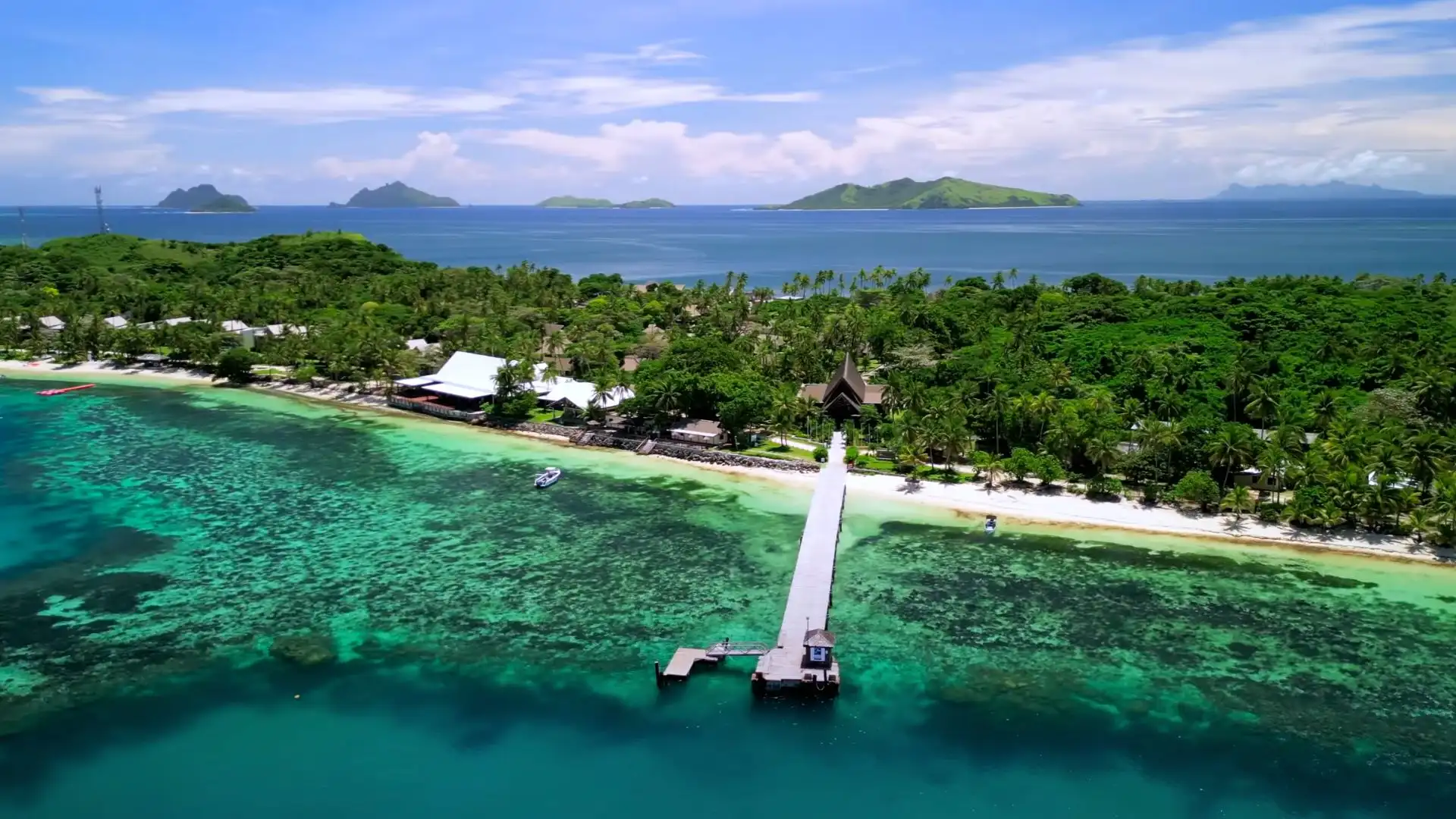
Four Beaches, Endless Possibilities
Unlike many island destinations that boast a single impressive shore, Mana Island is unique in offering four distinct beach experiences, each with its own character and allure. This rare geographical feature allows visitors to choose their perfect setting based on the time of day, desired activities, or personal preference.
The compact nature of the island—just 300 acres in total—means travelers can easily explore all beaches on foot, experiencing sunrise to sunset across different shores within a single day's leisurely exploration.
Living Coral Gardens
Mana's surrounding reefs harbor some of the highest coral diversity in the Mamanuca chain, with marine biologists documenting over 75 species of hard coral and 250+ fish species. Community-led restoration projects have successfully rehabilitated 5,000 square meters of reef damaged during past cyclones, echoing similar conservation efforts you can witness when you join coral planting workshops in nearby waters.
North Beach: The Crown Jewel
North Beach stands as Mana's most famous shoreline—a kilometer-long stretch of pristine white sand bordered by palm trees and facing crystal-clear waters that shift from turquoise to deep azure. The gentle slope of the sea floor creates ideal swimming conditions even for novices.
This beach faces the channels between islands, providing stunning vistas of neighboring landmasses and spectacular sunset views. The calm waters and consistent breezes make it perfect for paddleboarding and beginner windsurfing, while the vibrant house reef just offshore offers exceptional snorkeling experiences similar to what you'll find at Vuda Point's accessible reefs.
Morning Yoga Sessions
Start your day with sunrise yoga classes held on the eastern end of North Beach, connecting mind and body with the rhythm of the waves.
Beach Volleyball
Join impromptu volleyball games in the afternoon, where locals and visitors come together for friendly competition on the central section of North Beach.
South Beach: Surfer's Paradise
The wilder South Beach faces the open ocean, creating consistent waves that attract surf enthusiasts from around the world. This golden-sand beach offers a more adventurous atmosphere with stronger currents and impressive swells during the peak season between April and October.
Beyond surfing, South Beach is renowned for its dramatic sunrises and the natural rock pools that form at its eastern edge during low tide. These natural aquariums teem with colorful marine life, providing a safe exploration space for young children and those new to snorkeling.
Surf Lessons
Certified local instructors offer personalized lessons for all skill levels, with special focus on sustainable surf practices.
Tide Pool Safaris
Marine biologists lead educational explorations of the diverse ecosystems within the natural rock pools.
Beach Bonfires
Traditional storytelling sessions around carefully managed evening fires bring island legends to life.
East Beach: Secluded Sanctuary
East Beach offers a more intimate experience with its shorter shoreline sheltered by natural rock formations. This protected cove provides the calmest waters around the island, making it ideal for families with young children and those seeking tranquility away from more populated areas.
The shallow, protected waters support extensive seagrass meadows that serve as nurseries for juvenile fish and feeding grounds for sea turtles. Lucky visitors might spot green and hawksbill turtles grazing in these underwater gardens during early morning or late afternoon hours.
West Beach: Sunset Spectacle
West Beach delivers the quintessential Fijian sunset experience that draws photographers and romantics alike. This narrow strip of coral sand is lined with coconut palms that create natural frames for the spectacular evening sky shows as the sun descends into the Pacific.
During the day, West Beach offers some of the island's best offshore snorkeling, with coral bommies (outcrops) located just 50-100 meters from shore. These underwater structures host vibrant communities of reef fish, octopuses, and the occasional reef shark, all visible in the clear waters.
Turtle Conservation
Join monitoring patrols with researchers tracking endangered sea turtle populations that nest on the island's beaches.
Night Snorkeling
Experience the reef's nocturnal transformation with guided night excursions using specialized eco-friendly lighting.
Traditional Skills
Learn ancestral practices like coconut husking, basket weaving, and fire making from village elders.
Cultural Heritage
The beaches of Mana Island have deep cultural significance for the indigenous Fijian community. Archaeological evidence suggests human settlement dating back over 2,000 years, with middens and artifacts occasionally revealed after strong storm events.
Today, the island operates under traditional ownership with the blessing of local chiefs. Visitors are encouraged to participate in sevusevu ceremonies—traditional kava rituals that establish relationships between guests and hosts—and to learn about the sustainable fishing practices that have maintained these waters for generations, similar to the authentic cultural experiences you can have when you experience a kava ceremony in Suva's villages.
Eco-Friendly Accommodations
Mana Island's lodging options range from backpacker hostels to luxury resorts, all united by their commitment to environmental stewardship. Many establishments have embraced innovative eco-technologies that minimize their footprint while enhancing the guest experience.
Notable sustainability initiatives include gray water recycling systems that support tropical gardens, farm-to-table dining programs sourcing ingredients from the island's organic farm, and architectural designs that maximize natural cooling to reduce energy consumption, mirroring the eco-conscious approach of sustainable accommodations found along Fiji's Coral Coast.
Accommodation Highlights
- Traditional-style beachfront bures with modern eco-amenities
- Tree house accommodations in the island's interior forest
- Overwater bungalows with solar-heated showers and direct lagoon access
- Family villas with private plunge pools filled with filtered rainwater
- Glamping options featuring luxury tents on raised wooden platforms
- Dormitory-style eco-hostels for budget-conscious travelers
Seasonal Experiences
Mana's beaches transform throughout the year, offering different experiences with each season. May through October brings drier weather with excellent visibility for snorkeling and diving, while November through April offers warmer waters, lush landscapes, and the possibility of witnessing coral spawning events.
For wildlife enthusiasts, October through December provides opportunities to witness nesting sea turtles on secluded beach sections, while July through September offers the best chances for manta ray encounters in the surrounding waters.
Dining by the Shore
Beach dining reaches new heights on Mana Island, where fresh seafood and tropical produce feature prominently in both traditional Fijian and international cuisine. Many restaurants maintain "feet in the sand" policies, allowing guests to dine directly on the beach under star-filled skies.
Kokoda (marinated raw fish in coconut cream), rourou (taro leaf) dishes, and freshly caught fish prepared in traditional earth ovens represent must-try culinary experiences that connect visitors with authentic Fijian flavors and techniques, complementing the farm-to-table approach you'll find when you join a traditional cooking class on the mainland.
Best Time to Visit
Mana Island enjoys a tropical climate year-round, but the optimal visiting period runs from May to October during the dry season. This period offers consistent sunshine, lower humidity, and exceptional water clarity for underwater activities.
The shoulder seasons (April and November) often provide an excellent balance of good weather and fewer visitors. December through March brings warmer temperatures and occasional tropical showers that nourish the lush vegetation but may limit water visibility.
Getting to Mana Island
Mana Island is accessible via a 90-minute catamaran ride from Port Denarau Marina on Fiji's main island, Viti Levu. For those seeking convenience, helicopter transfers take approximately 15 minutes and offer spectacular aerial views of the Mamanuca archipelago.
Several boat services operate daily connections, making it possible to visit as a day trip, though staying overnight allows travelers to experience the diverse moods of the beaches from dawn to dusk and the vibrant night sky over the Pacific Ocean.
Experience Mana Island's Beach Paradise
Mana Island's unique collection of beaches offers something truly special—the chance to experience diverse coastal environments within a single, walkable paradise. From adrenaline-pumping surf breaks to tranquil lagoons ideal for quiet contemplation, these shores represent the magnificent diversity of Fiji's natural beauty. By embracing sustainable tourism practices and honoring cultural traditions, Mana ensures these pristine beaches will continue to captivate visitors for generations to come.