Nacula Bay: Fiji's Horseshoe Haven of Culture & Conservation
Nestled on the northwestern coast of Nacula Island in Fiji's remote archipelago, Nacula Bay offers travelers an experience of authentic Fijian paradise that few visitors ever discover. Part of the stunning Yasawa Islands chain, this horseshoe-shaped haven of turquoise waters and golden sands remains one of the archipelago's most pristine and ecologically significant coastal areas.
Indigenous-protected wilderness & cultural heritage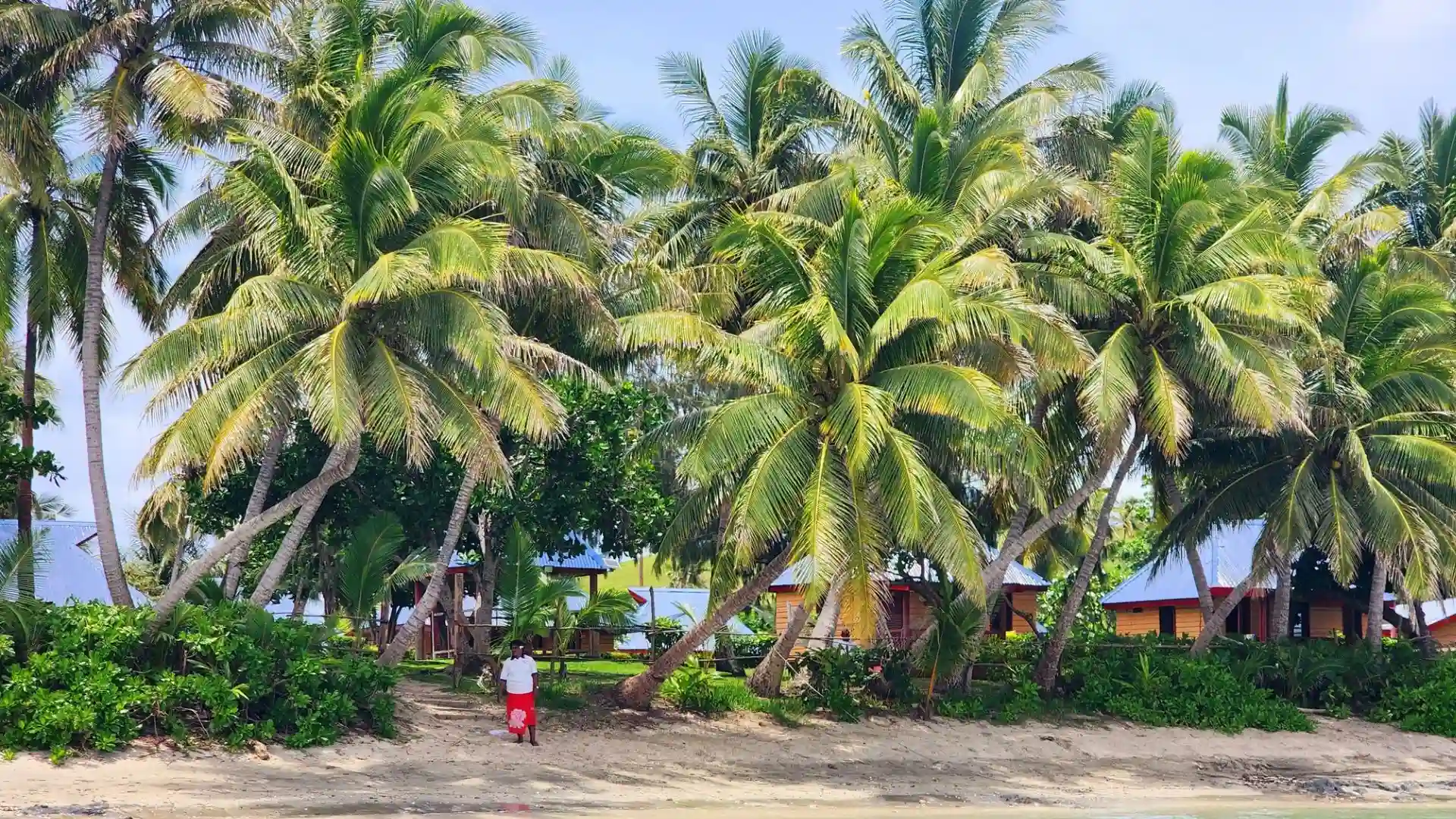
The Bay's Natural Wonder
What makes Nacula Bay extraordinary is its perfect natural architecture. The crescent-shaped bay spans nearly two kilometers, embraced by dramatic headlands that provide shelter from oceanic swells. This geological formation creates an unusually calm aquatic environment, even during Fiji's windier months.
The bay's waters exhibit remarkable clarity, with underwater visibility frequently exceeding 30 meters. This transparency reveals a seabed that transitions from fine white sand in the shallows to vibrant coral gardens at depths of just 3-5 meters—creating an accessible underwater world perfect for snorkeling enthusiasts of all levels. The underwater experience rivals that of other world-class destinations like Blue Lagoon Beach's famous snorkeling sites.
Ancestral Significance
For the Nacula people, the bay holds profound spiritual significance as the site where their ancestors first arrived from mainland Fiji over 500 years ago. According to local tradition, the distinctive rock formation on the bay's northern headland—resembling a canoe prow—guided these early settlers to safe harbor through treacherous waters.
Ecological Treasure
Nacula Bay houses one of Fiji's lesser-known but most impressive marine ecosystems. The waters have been designated as a locally managed marine area (LMMA) since 2010, operating under the broader framework of the Yasawa Islands Marine Reserve system, where fishing and harvesting are strictly regulated by traditional protocols rather than government legislation.
This community-based conservation approach has yielded remarkable results. Marine biologists have documented over 300 species of fish and 120 coral varieties within the bay—a biodiversity hotspot that rivals more famous Fijian dive sites while remaining largely undisturbed by mass tourism.
Turtle Breeding Ground
The bay serves as a crucial nesting site for endangered green sea turtles, with a community-run monitoring program that has increased hatchling survival rates by 60% since 2015.
Blue Hole Gardens
A unique formation of circular coral gardens interspersed with sandy-bottomed "blue holes" creates an underwater landscape unlike any other in the Yasawas.
Seabird Sanctuary
The bay's cliffs provide nesting habitat for several seabird species, including the rare Fiji petrel, with dawn and dusk offering spectacular birdwatching opportunities.
Village Life & Cultural Immersion
Nacula Village, home to approximately 400 residents, sits at the eastern end of the bay. Unlike many Fijian communities that have adapted primarily to tourism, Nacula maintains a traditional way of life where fishing, farming, and handicrafts remain central to the local economy. This authentic approach mirrors the sustainable tourism model successfully implemented at nearby Wayalailai Island's community-driven beaches.
The village operates on a carefully balanced model that welcomes visitors while preserving cultural integrity. Tourists are invited to participate in daily activities rather than merely observe them, creating authentic cultural exchanges that benefit both locals and travelers.
Fishing Expeditions
Join local fishermen in traditional outrigger canoes to learn sustainable fishing practices that have been passed down through generations. The catch is shared with the village communal kitchen.
Masi Cloth Making
Learn the intricate art of creating traditional Fijian tapa cloth from mulberry bark, with patterns specific to the Nacula people that tell stories of their maritime heritage.
Responsible Accommodations
Lodging options at Nacula Bay reflect the community's commitment to sustainable tourism. The village cooperative manages a small collection of traditional bures (bungalows) that blend seamlessly with the natural environment while providing essential comforts for travelers.
These accommodations operate on a low-impact ethos, utilizing rainwater collection systems, solar power, and locally sourced building materials. Most importantly, all profits are reinvested into community development projects, including education, healthcare, and environmental conservation.
Nacula Eco Lodge
Beachfront bures built from sustainable materials with solar power and spectacular views of the bay.
Village Homestays
Experience authentic Fijian family life with basic but comfortable accommodations in local homes.
Safari Camping
Eco-friendly canvas tents on wooden platforms that offer a back-to-nature experience with minimal environmental impact.
Sustainable Activities
Beyond the spectacular beaches and snorkeling, Nacula Bay offers numerous activities that connect visitors with the natural environment while supporting conservation efforts:
Guided Reef Walks
Learn about intertidal ecosystems during low tide excursions led by local marine experts who explain traditional ecological knowledge alongside scientific principles.
Sunset Kayaking
Paddle traditional outrigger canoes or modern sea kayaks through the bay at sunset, when the waters come alive with bioluminescent plankton that create a magical underwater light show.
Mangrove Reforestation
Join community efforts to restore coastal mangrove forests that provide critical habitat for juvenile fish and protect shorelines from erosion.
Medicinal Plant Hike
Explore inland trails with village elders who share knowledge of traditional medicine derived from native flora that has sustained the community for centuries.
Culinary Traditions
Food at Nacula Bay offers an authentic window into Fijian culinary traditions. Most meals are prepared communally in the village's lovo (earth oven), where fresh fish, root vegetables, and tropical fruits are slow-cooked underground with hot stones.
Visitors can participate in the entire food preparation process, from harvesting produce in the community gardens to learning how to weave coconut leaf baskets used for steaming fresh catches. This hands-on culinary immersion provides a deeper appreciation for local food systems and sustainable harvesting practices, similar to what visitors experience in specialized traditional Fijian cooking classes found elsewhere in the islands.
Signature Nacula Dishes
- Nacula Kokoda - A local version of Fijian ceviche using fish caught that morning, marinated in lime and coconut milk with additions of seasonal fruits.
- Bila Gatherings - Fresh shore crabs cooked in coconut milk with wild herbs gathered from the hillsides above the bay.
- Lumi Salad - A distinctive dish featuring seaweed harvested sustainably from the bay, dressed with coconut cream and lime.
- Vudi Vakasoso - Plantains caramelized with coconut sugar and served with fresh coconut cream.
Cultural Protocol
Visiting Nacula Bay involves respecting important cultural protocols that preserve the integrity of local traditions. The village operates under a traditional leadership structure headed by the Turaga ni Koro (village headman), who welcomes visitors through the sevusevu ceremony.
This formal kava-sharing ritual establishes a relationship between guests and hosts, granting visitors permission to enjoy the bay while acknowledging the authority of local leadership. Participating in this ceremony with sincere respect opens doors to authentic cultural experiences that casual tourists rarely access. For those unfamiliar with this important tradition, attending a formal kava ceremony experience beforehand can provide valuable preparation.
Visitor Guidelines
- Dress modestly within the village (shoulders and knees covered), particularly during ceremonies or Sunday church services.
- Remove hats and shoes before entering traditional buildings, including the community hall.
- Ask permission before taking photographs of village residents or ceremonies.
- Follow guidance from local hosts regarding marine protected areas and fishing restrictions.
- Bring a small gift (sevusevu) of kava root when first arriving at the village—available at markets in Nadi or Lautoka before departure.
- Participate in Sunday church services if invited—the harmonious Fijian hymns are an unforgettable cultural experience.
Weather Patterns
Nacula Bay enjoys a microclimate slightly different from other parts of the Yasawas due to its sheltered position and surrounding hills. The bay experiences less rainfall than other areas even during the wet season, making it a reliable destination year-round.
Dry Season (May-October)
Clear skies and gentle breezes create perfect conditions for water activities with water temperatures around 25°C (77°F). Evening temperatures may require a light sweater.
Warm Season (November-April)
Warmer waters (28-30°C/82-86°F) and occasional brief showers that maintain the lush tropical landscape. The bay's protected position minimizes impact from tropical weather systems.
Getting to Nacula Bay
Reaching this remote paradise requires some planning but rewards travelers with an increasingly rare experience of untouched Fiji. The most common route involves taking the Yasawa Flyer catamaran from Port Denarau, with the journey to Nacula taking approximately 4 hours.
For those seeking a more expedient arrival, seaplane services operate from Nadi directly to Nacula, with the 35-minute flight offering spectacular aerial views of the entire Yasawa chain.
Discover Nacula Bay's Living Heritage
In a world where overtourism threatens many coastal paradises, Nacula Bay stands as a testament to what's possible when communities maintain control of their environmental and cultural resources. Visitors leave with more than just memories of spectacular beaches and vibrant reefs—they gain insight into sustainable relationships between people and place that have endured for centuries. By choosing Nacula Bay, travelers support an indigenous vision of tourism that prioritizes conservation and cultural integrity above all else.