Fijian Village Homestay: Where to Stay, Costs and Etiquette
Written and researched by Yevhen Derkach
Last updated and fact-checked:
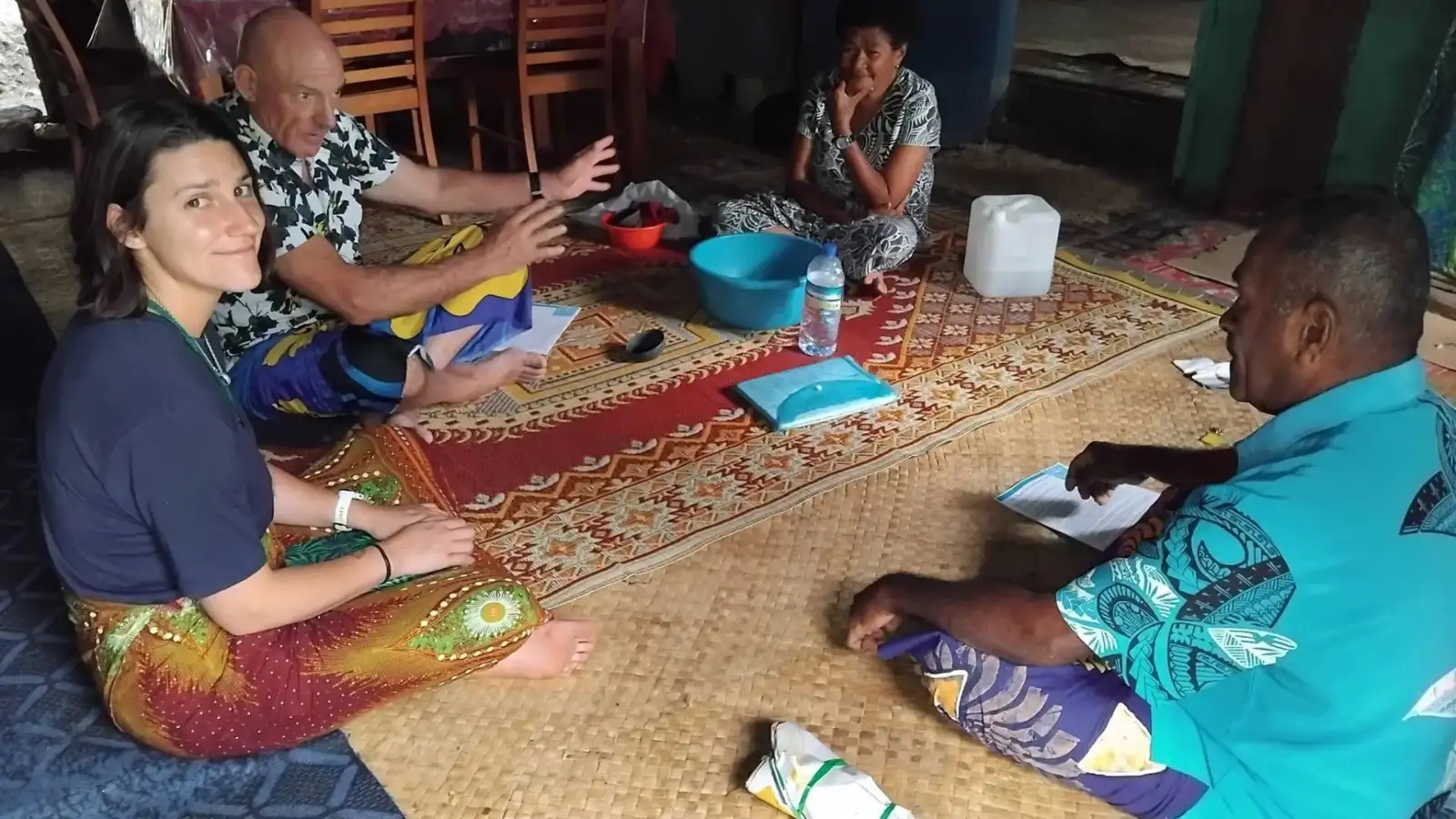
A Fijian village homestay is an arranged overnight stay hosted within a village community. You might sleep in a family home, a separate guest bure or shared village accommodation. These are different experiences, so confirm the actual room, bathroom, meals and transport before paying.
For a first visit, choose an option with a named host or coordinator and a clear meeting point. Abaca offers a mainland village base near Lautoka, Yasawa Homestays lists stays on outer islands, and Talanoa Treks combines village nights with guided hiking. A daytime village tour is a better fit if you want cultural time with a guide while keeping your existing accommodation.
| Question | Practical answer |
|---|---|
| Who does it suit? | Travellers comfortable with shared spaces, local routines and facilities that vary between hosts |
| Can I arrive unannounced? | Arrange an invitation, accommodation and arrival through the host or coordinator first |
| Is everything included? | Only what appears in your booking: ferries, local boats, meals and activities may be separate |
| What needs checking? | Bed, bathroom, drinking water, electricity, access, final price and return transport |
Choose between a homestay, village accommodation and a day visit
- A hosted family stay: you stay in or beside a host's home. Ask how much space is private and which meals you share.
- Village guest accommodation: a separate bure, house or communal sleeping space can be hosted by villagers without being a room inside a family's house.
- A daytime village visit: you arrive with permission, spend time with a guide and leave the same day. Entry or a tour ticket does not include overnight accommodation.
The word homestay alone does not establish the room standard or what is included. Travellers looking around northern Fiji can use the Savusavu homestay guide to compare stays near town with more remote hosted programs.
Where to look for a Fijian village homestay
Start with a specific advertised stay rather than a list of villages assumed to accept overnight guests. These three options involve different accommodation and transport arrangements.
| Option | Setting and format | Best reason to consider it | Confirm first |
|---|---|---|---|
| Abaca with Village Stay Fiji | Western Viti Levu; village accommodation near Koroyanitu Heritage Park | A mainland stay with walking options | Room setup, walking difficulty and the Lautoka meeting point |
| Yasawa Homestays | Family-hosted houses and bures in several Yasawa villages | An island stay with village hosts | Exact island, room, seasonal rate and both boat connections |
| Talanoa Treks | Guided Viti Levu hikes with overnight village accommodation on multi-day routes | Walking between communities with organised logistics | Fitness requirements, departure dates and communal sleeping arrangements |
Talanoa Treks describes basic village accommodation with flushing toilets and cold showers. Fiji's Suncoast tourism association describes community-hall sleeping on its village treks. Choose this for the walking itinerary and hosted village nights; ask about privacy if a separate bedroom is important.
How much does a village homestay cost?
There is no standard Fiji-wide homestay tariff. A room-only price, a meal-inclusive island stay and a guided package pay for different things. The following published examples were checked for this update; obtain a quote for your dates.
A mainland package: Abaca
Village Stay Fiji advertises Abaca at FJ$450 per person for the first night, plus FJ$150 for each additional night, including meals, activities and local transfers from its designated terminal. At that published structure, two nights total FJ$600 per person. Getting yourself to Lautoka is a separate part of the trip. Confirm the deposit currency, remaining balance and cancellation terms before paying.
An island example: Taven through Yasawa Homestays
The provider's 2026 low-season list shows FJ$121.50 per night for one adult at Taven, with FJ$81 for an additional adult. That gives a published two-adult example of FJ$202.50 per night before seasonal adjustments. Meals are included. Ferry tickets, sevusevu and optional activities are excluded; included local boat transfers depend on the applicable minimum stay. Check the final quote rather than treating the low-season example as a year-round price.
Compare the whole trip
- Is the rate per person, per room or based on the first guest plus additional guests?
- Which meals and drinking water are included, including arrival and departure days?
- Are the main ferry and the final village boat both included?
- Are guides, entrance fees, sevusevu and equipment included or extra?
- What happens to the deposit if weather prevents access or you change your plans?
A remote stay can cost more than a simple room near town once transfers are added. Use the Fiji costs and daily budgets guide for the rest of your trip.
What to confirm before booking
Send your dates, group size, children's ages and any dietary or access requirements to the host or coordinator. Ask for a written reply covering:
- The place: village and island name, the host or local coordinator, and who confirms permission for your stay.
- The sleeping space: private or shared room, bed or floor mattress, bedding, mosquito protection and a recent photo of the room offered.
- The facilities: shared or private toilet, shower temperature, drinking-water arrangements, electricity and phone coverage.
- The full price: currency, guest basis, inclusions, extras, deposit, payment method and cancellation policy.
- The journey: exact meeting point, named contact, luggage arrangements, last connection and return pickup.
- The program: optional activities, physical demands, village dress expectations and any sevusevu arrangements.
Book once the host has confirmed the dates and these details. There is no universal requirement to reserve two to four weeks ahead: availability, the route and the number of guests determine the notice needed. Avoid paying against an unclear social-media invitation without a named stay and written terms.
Plan arrival and the journey back
For Abaca: the advertised Village Stay Fiji pickup starts at Lautoka Bus Terminal. Confirm the meeting time and onward transport with the coordinator. If starting in Nadi, plan that first leg using the Nadi to Lautoka transport guide.
For a Yasawa stay: confirm the correct mainland departure port and ferry stop, then the small-boat pickup to the village. A ferry ticket by itself does not arrange the final transfer. Tell both the host and ferry operator your exact destination.
Keep an arrival contact offline, agree what to do if you miss the connection and arrange the return before you travel. Allow a buffer before an international flight; a delayed boat or flooded road can affect your plans. The Fiji transport guide explains the wider choices between buses, taxis, ferries and domestic flights.
What daily life and accommodation can be like
A hosted stay gives you time with people who live there, but your booking determines how much is organised. Some stays have set meals and activities; others provide more independent time. Tell the host whether you hope to walk, cook, learn a craft or simply spend time talking, then ask what is actually available.
A lovo meal, meke performance, fishing trip or school visit is not an automatic inclusion. Family routines, weather and community commitments come first. Ask before joining work, entering homes or walking beyond the agreed visitor areas.
Check the practical comforts that matter to you. A cold shower, shared bathroom, limited charging time or floor mattress may be manageable for one traveller and unsuitable for another. Recent room photographs and clear answers are more useful than the word “traditional”. Discuss food preferences early and confirm serious allergies directly rather than assuming every kitchen can accommodate them.
Village etiquette: dress, sevusevu and personal boundaries
Customs vary between communities. For an iTaukei village visit, your host or guide should explain the local welcome and introduce you. The Fijian culture and etiquette guide covers the wider context.
- Dress: cover shoulders and knees and bring a sulu or sarong. Ask about church and swimming clothes.
- Inside the village: follow instructions about hats, sunglasses and carrying bags; remove shoes when entering a home.
- Photos: ask before photographing people, homes or ceremonies. For children, obtain a parent or guardian's permission as well as respecting the child's wishes.
- Routines: ask about quiet times, Sundays and church attendance. Wait for an invitation before entering a private or communal space.
Do you need to bring sevusevu?
Ask the host whether a customary yaqona gift is required, what to buy and whether the operator supplies it. Do not assume cloth, cash or a souvenir is an interchangeable substitute. Follow the host's directions on presentation and seating.
You can politely decline kava. Tell your host in advance if you prefer not to drink, need a chair or have another requirement. Smartraveller warns that kava can interact with alcohol and prescription medicines. Read the kava ceremony visitor guide for etiquette and precautions.
Health, children and accessibility
Ask how drinking water is made safe and what mosquito protection is provided. Smartraveller advises sealed bottled or boiled water, avoiding raw or undercooked food and protecting against mosquito bites. Use its current Fiji travel advice for health and weather updates.
For children, confirm the bed arrangement, toilet access at night, supervision around water and any boat lifejackets in the correct size. For limited mobility, request details of steps, floor seating, the bathroom route and any beach or boat landing. A welcoming host does not by itself establish step-free access.
For a remote stay, know how to contact the coordinator and reach medical help. Check that your travel insurance covers the planned activities and any necessary evacuation. Avoid flooded rivers or creeks, and follow local advice when weather changes access. Choose accommodation closer to services if the confirmed facilities or return arrangements do not meet your needs.
What to pack for a village stay
- A sulu or sarong, modest tops and a dry change of clothes.
- Walking shoes, easy-to-remove footwear and a light rain layer.
- Insect repellent, sun protection, personal medicines and toiletries.
- A torch, power bank and waterproof pouch for documents and electronics.
- The confirmed cash balance, extra money for agreed purchases and offline booking details.
- A towel, bedding or snorkelling equipment only as required by your host and itinerary.
Check small-boat or aircraft baggage limits before packing a large suitcase. The Fiji packing list helps adapt your bag to the whole trip.
How to make the stay useful to the community
Ask who hosts the stay and how accommodation, guides and village fees are paid. If a booking claims to support a community project, look for a clear explanation. A homestay label alone does not show where all the money goes.
Pay the agreed charges, ask before using shared resources and buy crafts directly when invited. Discuss any gifts or donations with the coordinator. A community-approved request is a better guide than arriving with unsolicited items or expecting access to children, ceremonies or private family life.
Fijian village homestay FAQ
Can tourists stay overnight in a Fijian village?
Yes, where a host or village program accepts overnight guests and confirms your booking. Permission for a day visit does not establish permission to stay. Arrange the accommodation and arrival before travelling.
Will I sleep in a traditional bure?
Only if that is the accommodation you book. Village stays can use a family house, a separate bure or communal sleeping space. Request a photograph and confirm privacy, bedding and bathroom access.
Are meals and transfers included?
They depend on the product. Check meals, the main journey, the final village transfer and the return separately. An included pickup may start at a town terminal rather than your hotel or airport.
Do I have to drink kava or join every activity?
You can politely decline kava and discuss activities with your host. Explain dietary, health, mobility or personal requirements before booking so the host can confirm what is possible.
Can I visit a village without staying overnight?
Yes. Arrange a guided day visit or an invitation through a local host. It can be the more practical choice if you have limited time or need facilities your proposed homestay cannot confirm.
Sources and verification
- Village Stay Fiji: Abaca: advertised stay, package structure and Lautoka departure point.
- Yasawa Homestays: information and 2026 rates: accommodation, low-season example, meals, exclusions and boat-transfer conditions.
- Talanoa Treks and Fiji's Suncoast: Talanoa Treks: guided village nights, facilities and communal accommodation.
- Tourism Fiji: village visit etiquette: local protocol, dress, permission and sevusevu.
- Fiji Homestays: etiquette and guidelines: a host program's guidance, including politely declining kava.
- Smartraveller: Fiji: water, food, mosquitoes, kava and disrupted access.
Published information was checked on 29 October 2026. Rates, availability, transfer arrangements and local requirements can change. To report a correction, email [email protected] with the page link and supporting information.