Traditional Weaving Workshop: Master Ancient Fijian Crafts & Create Cultural Treasures
Discover the intricate art of traditional Fijian weaving in hands-on workshops that preserve ancient techniques passed down through generations of master craftswomen. Learn to transform pandanus leaves, coconut fibers, and natural materials into beautiful mats, baskets, and ceremonial items while connecting with indigenous wisdom that has sustained Pacific Island communities for over 3,000 years. These immersive cultural experiences combine artistic creation with deep cultural learning, allowing participants to take home authentic handmade treasures infused with traditional knowledge and personal accomplishment.
Ancient Craft Mastery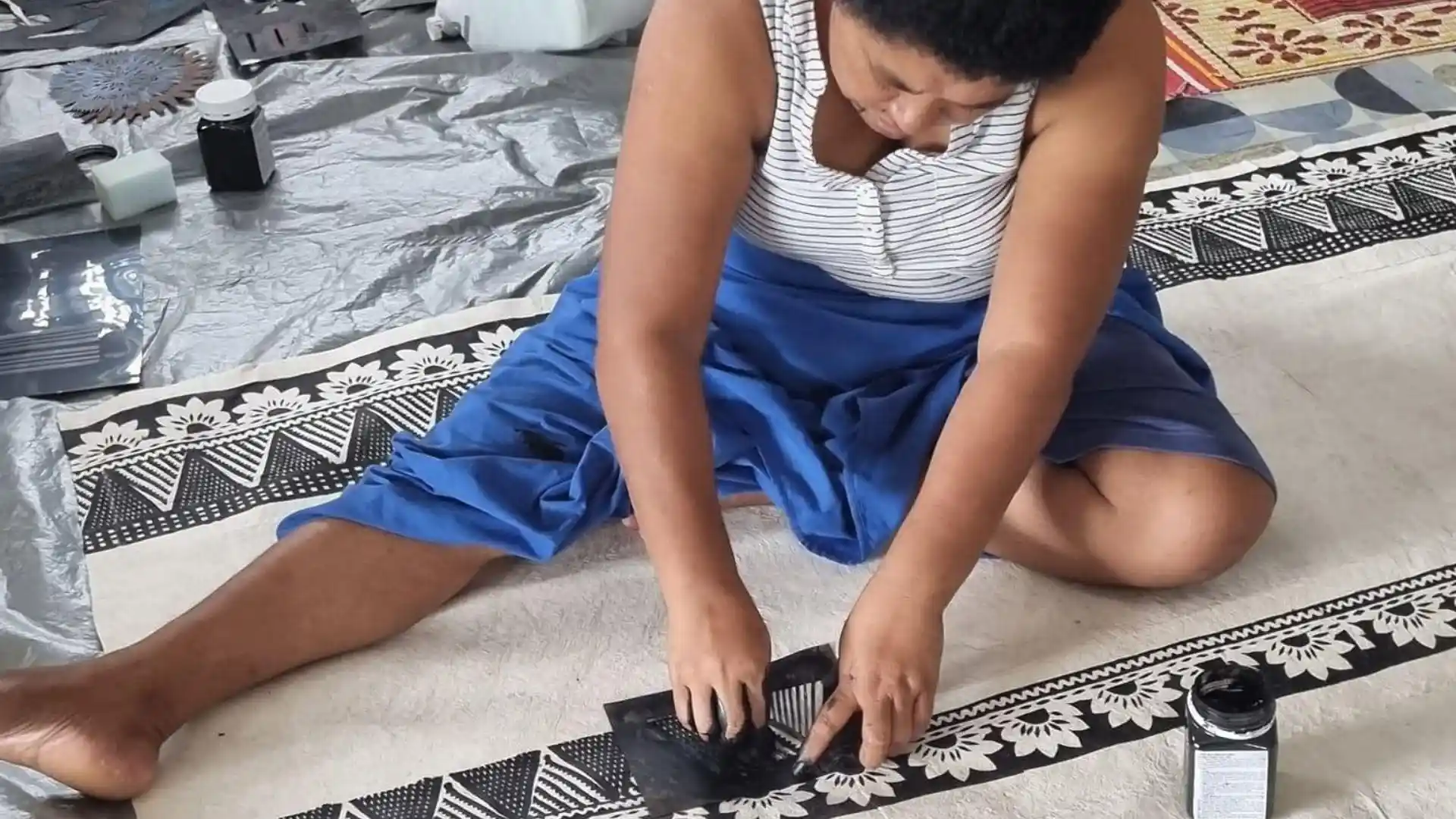
The Sacred Art of Fijian Weaving
Traditional Fijian weaving represents far more than simple handicraft creation—it embodies cultural identity, spiritual connection, and practical wisdom that has sustained island communities for millennia. Each woven piece carries symbolic meaning, tells ancestral stories, and demonstrates mastery of techniques that require years to perfect, making participation in authentic weaving workshops a profound cultural privilege.
The art form traditionally passes from grandmother to granddaughter through patient instruction, cultural storytelling, and gradual skill development that creates deep bonds between generations. Modern weaving workshops offer visitors rare opportunities to access this intimate cultural transmission while supporting master craftswomen who preserve these invaluable traditional arts. Many visitors find that staying overnight in a traditional Fijian village homestay provides the perfect complement to weaving workshops, allowing deeper immersion into the daily rhythms and cultural practices of the artisans' communities.
Cultural Significance Beyond Beauty
Every traditional woven item serves specific cultural functions from ceremonial presentations to daily household use. Patterns carry ancestral stories, colors represent tribal affiliations, and construction techniques demonstrate environmental knowledge accumulated over thousands of years of sustainable island living.
Materials from Nature's Bounty
Traditional Fijian weaving exclusively uses natural materials harvested sustainably from local environments, demonstrating indigenous ecological knowledge that maintains perfect balance between human needs and environmental preservation. Pandanus leaves, coconut palm fronds, hibiscus bark, and various native fibers provide diverse textures, colors, and practical properties for different weaving applications.
🌴 Pandanus Leaves
Primary material for fine mats and ceremonial items, harvested at specific moon phases for optimal flexibility and durability.
🥥 Coconut Fibers
Strong coconut husk fibers create durable ropes, nets, and household items using traditional extraction and preparation methods.
🌺 Natural Dyes
Traditional plant-based dyes from turmeric, mud, tree bark, and flowers create beautiful colors without chemical treatments.
🌿 Hibiscus Bark
Inner bark fibers provide fine weaving material for delicate decorative items and traditional clothing elements.
Workshop Experience and Learning Process
Traditional weaving workshops typically span 2-4 hours of intensive hands-on instruction, beginning with material preparation and progressing through fundamental techniques to create complete finished pieces. Master craftswomen provide patient individual guidance while sharing cultural stories, traditional knowledge, and personal experiences that enrich the learning process beyond mere technique acquisition.
Workshops accommodate various skill levels from complete beginners to those with previous weaving experience, with instruction adapted to individual learning pace and artistic interests. The intimate setting allows for personal interaction with cultural masters while creating authentic handmade items to treasure as meaningful souvenirs. Many participants discover that combining weaving workshops with traditional Fijian cooking classes creates a perfect day of cultural immersion, learning both artistic and culinary traditions that have shaped island life for generations.
Material Preparation
Learn traditional harvesting, drying, and preparation techniques that ensure optimal weaving material quality and longevity.
Fundamental Techniques
Master basic weaving patterns, tension control, and finishing methods that form the foundation of all traditional items.
Cultural Stories
Receive traditional knowledge, ancestral stories, and cultural significance behind patterns and construction methods.
Items You Can Create
Workshop participants typically create small to medium-sized traditional items that demonstrate fundamental weaving techniques while producing beautiful, functional pieces suitable for home use or meaningful gifts. Projects are selected based on workshop duration, skill level, and cultural appropriateness, ensuring respectful engagement with traditional arts.
Traditional Baskets
Create functional baskets for storage and carrying using time-tested construction techniques and natural materials.
Sitting Mats
Weave personal sitting mats using traditional patterns that provide comfort while demonstrating cultural weaving mastery.
Sun Hats
Craft practical sun protection hats using coconut palm fronds and traditional shaping methods for island living.
Master Craftswomen: Living Cultural Treasures
Workshop instructors represent the highest levels of traditional weaving mastery, with decades of experience and deep cultural knowledge that makes them living repositories of ancestral wisdom. These remarkable women often hold special positions within their communities as cultural keepers and are recognized throughout Fiji for their artistic excellence and traditional knowledge preservation.
Learning directly from master craftswomen provides access to techniques, stories, and cultural insights impossible to obtain through books or casual observation. Their patient teaching methods honor traditional learning approaches while adapting to modern workshop formats that make ancient knowledge accessible to international visitors.
What Makes a Master Craftswoman
- Minimum 20-30 years of continuous weaving practice and technique refinement.
- Recognized expertise in multiple traditional weaving styles and material preparation methods.
- Deep cultural knowledge of pattern meanings, ceremonial uses, and historical significance.
- Community recognition as cultural keeper and traditional knowledge guardian.
- Teaching ability that honors traditional learning methods while accommodating modern students.
- Commitment to cultural preservation and authentic knowledge transmission to future generations.
Cultural Patterns and Their Meanings
Traditional Fijian weaving incorporates geometric patterns that carry deep cultural significance, representing natural phenomena, ancestral stories, tribal identities, and spiritual concepts that connect weavers to their cultural heritage. Understanding pattern meanings adds profound depth to the weaving experience while honoring the cultural knowledge embedded in traditional designs.
Workshop participants learn appropriate patterns for their skill level while understanding the cultural respect required when creating items with traditional significance. This approach ensures cultural sensitivity while allowing meaningful participation in authentic artistic traditions. To deepen your understanding of the historical and cultural context behind these weaving patterns, a visit to the Fiji Museum Cultural Center provides fascinating exhibits on traditional crafts and their evolution throughout Fijian history.
Sustainable Harvesting and Environmental Wisdom
Traditional weaving practices demonstrate sophisticated environmental knowledge that maintains perfect balance between human needs and ecological preservation. Harvesting techniques, timing, and material selection reflect generations of observation and understanding about plant growth cycles, regeneration patterns, and sustainable resource management.
Workshop participants gain insights into traditional ecological knowledge that could inform modern sustainability practices while learning practical skills for identifying, harvesting, and preparing natural materials responsibly. These sustainable practices are exemplified beautifully at Taveuni's Lavena Beach, where indigenous communities demonstrate how traditional knowledge can guide modern eco-tourism, creating a living example of the environmental wisdom embedded in crafts like traditional weaving.
Seasonal Harvesting
Learn optimal timing for material collection based on lunar cycles, weather patterns, and plant growth stages.
Regenerative Practices
Understand traditional methods that ensure continuous material availability without environmental damage or resource depletion.
Material Processing
Master traditional preparation techniques that maximize material quality while minimizing waste and environmental impact.
Natural Preservation
Discover chemical-free methods for treating and preserving woven items using traditional knowledge and natural substances.
Workshop Locations and Settings
Traditional weaving workshops take place in various authentic settings throughout Fiji, from village community centers to cultural centers and resort cultural programs. The most authentic experiences occur in village settings where weaving traditions remain active parts of daily life, providing cultural context that enriches the learning experience. The highland village of Navala offers particularly authentic weaving workshops set against a backdrop of traditional Fijian architecture, where the ancient craft feels perfectly at home among thatched bure houses that have sheltered generations of master weavers.
Outdoor workshop settings under traditional shelter structures create ideal learning environments that connect participants with natural surroundings while providing comfortable spaces for detailed handwork requiring concentration and precision.
Best Workshop Locations
- Navala Village: Traditional highland village famous for maintaining authentic architecture and cultural practices.
- Pacific Harbour Cultural Centre: Professional facility offering workshops with master craftswomen in controlled environments.
- Coral Coast Villages: Multiple coastal communities providing authentic settings with easy accessibility for visitors.
- Suva Handicraft Markets: Urban workshops combining traditional techniques with modern cultural preservation efforts.
- Taveuni Island Villages: Remote locations offering intimate cultural immersion with limited tourist groups.
- Mamanuca Islands Resorts: Luxury settings featuring authentic cultural programs with respected master craftswomen.
Health and Therapeutic Benefits
Traditional weaving provides numerous therapeutic benefits including stress reduction, improved concentration, enhanced creativity, and meditative relaxation that comes from focused handwork and connection with natural materials. The repetitive motions and artistic creation process offer mental health benefits similar to other mindfulness practices.
Many participants report profound satisfaction from creating beautiful, functional items using their own hands while learning skills that connect them to generations of traditional knowledge and cultural wisdom.
Booking and Preparation
Traditional weaving workshops require advance booking to ensure availability of master craftswomen and appropriate materials. Most workshops accommodate 4-8 participants to maintain quality instruction and cultural authenticity while allowing personal attention for individual learning needs.
No previous weaving experience is necessary, though participants should expect to work with their hands and maintain focus for extended periods. Comfortable clothing and sun protection are recommended for outdoor workshop settings. Before participating in these meaningful cultural exchanges, visitors should familiarize themselves with traditional etiquette and customs for respecting local traditions, ensuring their participation honors the cultural significance of these ancient arts and the generous knowledge-sharing of master craftswomen.
What to Bring
Comfortable clothing, sun hat, water bottle, and camera for documenting techniques (with permission).
What's Provided
All natural materials, traditional tools, expert instruction, and cultural context for authentic learning experience.
Duration Options
Half-day workshops (3-4 hours) for basic items, full-day sessions (6-8 hours) for complex projects.
Group Sizes
Small groups of 4-8 participants ensure personal attention and authentic cultural exchange with master craftswomen.
Supporting Cultural Preservation
Participation in traditional weaving workshops directly supports cultural preservation efforts by providing income for master craftswomen while creating demand for traditional knowledge transmission. Workshop fees help sustain practitioners who might otherwise abandon traditional arts for more lucrative modern employment.
Your involvement contributes to intergenerational knowledge transfer that keeps ancient skills alive while demonstrating to younger Fijians that traditional arts maintain value and relevance in the modern world.
Caring for Your Handmade Treasures
Proper care ensures that workshop creations remain beautiful and functional for years to come. Natural materials require specific maintenance techniques to prevent deterioration while preserving the traditional preparation methods that give them strength and flexibility.
Workshop instructors provide detailed care instructions including cleaning methods, storage recommendations, and repair techniques that honor traditional maintenance practices while adapting to modern living conditions.
Traditional Care Methods
- Regular airing in shade to prevent moisture damage and maintain material flexibility.
- Gentle cleaning with natural methods avoiding chemical detergents that damage fibers.
- Proper storage techniques that maintain shape while allowing air circulation.
- Traditional repair methods for maintaining items across generations of use.
- Natural treatments for preventing insect damage using traditional plant-based repellents.
- Seasonal maintenance routines that ensure long-term durability and beauty.
Create Beauty While Preserving Culture
Traditional Fijian weaving workshops offer extraordinary opportunities to learn ancient crafts while supporting cultural preservation and creating meaningful connections with master craftswomen who embody generations of indigenous wisdom. These hands-on experiences combine artistic creation with deep cultural learning, producing beautiful handmade treasures infused with traditional knowledge and personal accomplishment. By participating in authentic weaving workshops, visitors contribute directly to cultural preservation efforts while gaining practical skills and cultural insights that enrich their understanding of Pacific Island traditions. Each workshop session creates lasting memories, meaningful relationships, and tangible reminders of the remarkable artistry and cultural wealth that continues to thrive in modern Fiji through the dedicated efforts of traditional craftswomen who share their knowledge with respectful visitors.