Fiji Packing List: What to Bring for Resorts, Islands and Village Visits
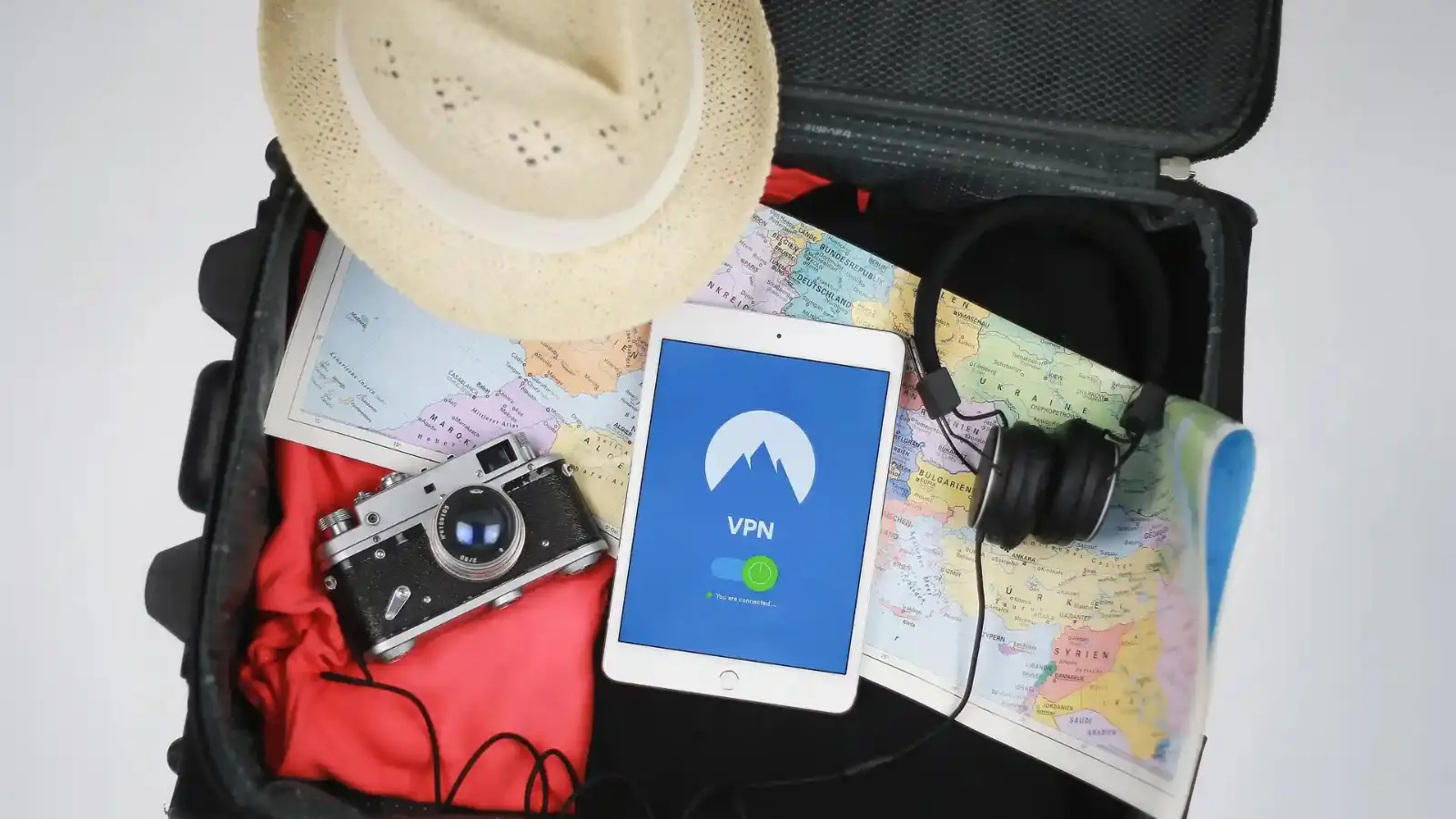
Packing for Fiji becomes much easier once you match the bag to the itinerary. A week at a Denarau resort does not require the same kit as a Yasawa Islands transfer, a village stay or a surf trip with a longboard. Start with your smallest aircraft or boat allowance, add what your activities genuinely require, and leave the “just in case” pile at home. This guide gives you a practical Fiji packing list without turning a tropical holiday into an expedition.
Before you start packing
- Resort stay: a normal suitcase is fine if your transfers are by road and a large ferry.
- Island hopping: a soft-sided bag is easier to lift and stow; keep documents and electronics in a dry pouch.
- Village, homestay or volunteer trip: add modest clothing, a torch and any items requested by your host or programme.
- Surfing, diving or hiking: confirm equipment limits and make sure your insurance covers the activity and medical evacuation.
Fiji packing list at a glance
These are the items that solve the most common problems: strong sun, sudden rain, mosquitoes, wet boat transfers and a delayed checked bag. The activity-specific sections below explain what is optional.
Pack for every Fiji trip
- Passport, travel insurance and booking details
- Prescription medicines and prescription copies
- Broad-spectrum, water-resistant sunscreen
- Hat, UV-protective sunglasses and a swim shirt or rash guard
- Insect repellent and one light long-sleeved layer
- Two sets of swimwear and quick-drying clothes
- Comfortable sandals plus shoes suited to planned walks
- Type I plug adapter and charging cables
- Reusable water bottle
Add when your route needs it
- Dry bag or waterproof pouch for boat transfers
- Modest outfit or a sulu for village visits
- Light rain shell, especially in the wetter months
- Small torch or headlamp for remote accommodation
- Personal snorkel mask if fit matters to you
- Water shoes for rocky entries—not for standing on coral
- Power bank for long transfer days or limited generator hours
- Paper copies of key documents for remote travel
- Specialist surf, dive or hiking equipment only after checking transport rules
Choose luggage around the smallest transfer
There is no single “best bag for Fiji.” A wheeled suitcase works perfectly well for a resort reached by car. A soft duffel or backpack becomes more convenient when bags must be lifted into small boats, carried across sand or fitted into limited aircraft storage. If your itinerary combines both, use a light soft-sided main bag and a small daypack rather than buying oversized expedition luggage.
Check every segment, not only the international flight
Domestic aircraft and island boats can have lower limits than the flight that brings you to Fiji. Fiji Link’s checked allowance varies by fare: its current domestic page lists one 15 kg piece for Value and two 15 kg pieces for Comfort and Plus. Yasawa Adventures Fiji currently lists one carry-on bag up to 7 kg and one standard bag up to 25 kg. Allowances and fees can change, so use those figures as a prompt to check your own ticket—not as a permanent rule.
If you have a surfboard, dive equipment, a stroller or bulky camera gear, confirm dimensions and acceptance with every airline and transfer operator before you pay for a non-refundable booking.
What belongs in your carry-on
A useful carry-on is not a second wardrobe. It is enough to get through a delayed bag or an early arrival before your room is ready. Pack one light change of clothes, swimwear, essential medicines, phone charger, valuables, travel documents and any item that cannot be replaced easily. Follow your airline’s rules for liquids, batteries and power banks.
A small luggage scale is genuinely helpful on multi-airline routes. Packing cubes are optional, but they make it easier to separate a wet swimsuit or a one-night island kit without unpacking the whole bag.
Clothing for Fiji: light, repeatable and respectful
Fiji is warm and often humid, so comfort matters more than a different outfit for every meal. Linen and loose cotton feel good for relaxed days; quick-drying technical fabrics are more practical for hikes, boat trips and the wetter season. Choose pieces that work together and plan to rewear them. Before packing, check the forecast for your route in our Fiji weather guide.
| Item | Starting point | Adjust when |
|---|---|---|
| Tops | 4–5 light tops | Pack more only if laundry is unavailable |
| Bottoms | 2–3 shorts, skirts or light trousers | Include one knee-covering option for villages |
| Swimwear | 2 sets | Two are useful when one is still damp |
| Evening | 1 smart-casual outfit | Check your resort’s restaurant dress code |
| Layers | 1 light long-sleeved layer and 1 rain shell | Useful on breezy boats, cool evenings and in air-conditioning |
| Footwear | Sandals plus comfortable walking shoes | Add water shoes or hiking footwear only for relevant activities |
For a planned village visit, cover shoulders and legs around the knee. A locally bought sulu is useful, packs flat and can double as a beach cover-up. Remove hats and sunglasses when your host or guide asks. Our Fijian cultural etiquette guide explains the difference between relaxed resort clothing and respectful village dress.
Pack for strong sun and mosquitoes
The most reliable sun kit is a combination: shade, clothing, a hat, sunglasses and sunscreen. Bring a broad-spectrum, water-resistant sunscreen that you are comfortable applying generously. SPF 30 or higher is a practical choice for a tropical holiday. Follow the product label, apply before sun exposure and reapply at least every two hours—and sooner after swimming, sweating or towelling off.
A note about “reef-safe” sunscreen
“Reef-safe” is not a regulated label, so the words on the front of a bottle are not enough. If you want to reduce potential impact on aquatic life, look at the active ingredients and consider a mineral product using zinc oxide or titanium dioxide, alongside a rash guard and shade. Skin protection still comes first: choose a product you can use correctly and consistently.
Mosquito protection that works in real life
Dengue occurs in Fiji, and the mosquitoes that spread it can bite during the day as well as around dawn and dusk. Pack a repellent with a proven active ingredient such as DEET, picaridin, IR3535 or oil of lemon eucalyptus/PMD, and use it exactly as directed. A light long-sleeved shirt and loose trousers are useful for evenings and for accommodation without screens.
For village stays, camping or fieldwork, permethrin-treated clothing and gear can add protection. Permethrin is for clothing, shoes, nets and equipment—not for direct use on skin. A mosquito net is worth packing only when your accommodation or programme says beds are unscreened; most resort travellers will not need one.
Medicines, first aid and travel insurance
Pharmacies and clinics are available in the main towns, but choice and opening hours become more limited on smaller islands. Bring enough prescription medicine for the trip plus a reasonable delay, preferably in labelled packaging, and carry a copy of the prescription. Fiji Revenue and Customs advises travellers carrying prescription or controlled drugs to have a doctor’s prescription and to ensure the medicine is medically necessary and for personal use.
A compact first-aid kit
- Adhesive dressings, sterile gauze and medical tape
- Antiseptic wipes or a small wound cleanser
- Blister dressings and tweezers
- Oral rehydration salts
- Thermometer
- Antihistamine and itch relief that are safe for you
- Pain or fever medicine recommended for you by a clinician or pharmacist
- Motion-sickness treatment if you are prone to seasickness
Do not improvise with medication
Do not pack leftover antibiotics as a universal solution. If your clinician prescribes an emergency treatment plan, take written instructions and follow them.
Seek medical advice for fever during or after the trip. If dengue is suspected, public-health guidance advises avoiding aspirin and ibuprofen because of bleeding risk until a clinician says otherwise.
Choose insurance that covers your destinations, pre-existing conditions and planned activities. For remote islands, check the medical-evacuation terms rather than assuming every policy includes them. Keep the assistance number offline and share it with a travel companion. See our Fiji health and safety guide for current health precautions and emergency information.
Beach, snorkel, surf and dive gear
A rash guard, dry pouch and reusable bottle are useful on almost any day near the water. A quick-drying towel is worth bringing only if your accommodation or tour does not provide one. For boat excursions, a small dry bag protects documents, medication and electronics from spray; it should complement, not replace, safe storage and sensible handling.
Should you bring snorkel equipment?
Bring your own mask if you snorkel often, need prescription lenses or struggle with rental fit. Test the seal before travelling. Fins take much more luggage space and are usually easy to rent, so occasional snorkellers can leave the entire set at home. Water shoes help on rocky shore entries and around slippery boat ramps, but never use them as permission to stand on living coral.
For surfing and diving
- Surfboards: check maximum length, sports-baggage charges and acceptance on every flight and vehicle. Protect rails, nose and tail; carry fins and repair items according to airline security rules.
- Reef breaks: ask a reputable local operator about depth, currents and suitable protective equipment. A small first-aid kit in a dry bag is sensible on remote boat sessions.
- Diving: bring certification details, any prescription mask and a dive computer only if you know how to use it. Ask the operator what is included before carrying bulky rental-replaceable gear.
- Insurance: confirm that surfing or diving at your planned level is covered, including evacuation from an offshore site.
For lower-impact ways to enjoy the coast, see our guide to eco-friendly activities in Fiji.
Electronics and power plugs in Fiji
Fiji uses 240-volt, 50-hertz electricity and Type I sockets, the same three-pin style used in Australia and New Zealand. Most phone, camera and laptop chargers marked “Input 100–240V, 50/60Hz” need only a plug adapter. A device marked for 110 or 120 volts alone may require a proper voltage converter; check its label rather than guessing.
- Type I adapter, plus one spare if several people share a room
- Charging cables checked before departure
- Power bank carried according to airline battery rules
- Water-resistant cable pouch for boat days
- Offline maps, booking details and insurance documents
- Headlamp for remote stays where generator hours are limited
Download what you need before leaving the mainland. Mobile coverage and electricity can be intermittent on some outer islands. If reliable power is important for medical equipment or remote work, ask the accommodation about supply hours and backup arrangements before booking.
Documents, money, customs and biosecurity
Keep your passport, insurance details, onward booking, accommodation contacts and any medical documents together but not all in one form. Store secure digital copies and keep a paper copy of the most important details in a separate bag. Entry rules depend on nationality and circumstances, so check Fiji Immigration and your airline before departure rather than relying on an old packing list.
How much cash should you carry?
There is no honest one-size-fits-all amount. Cards and ATMs are common around Nadi, Suva and major resort areas, while small vendors and some remote services may prefer cash. At the same time, some island resorts operate cashlessly. Ask each accommodation and transfer operator what must be prepaid, whether cards attract a surcharge and how much cash guests typically need. Carry Fiji dollars in useful denominations and keep a backup card separately; there is rarely a reason to carry a large, arbitrary sum.
Declare biosecurity-risk goods
Fiji does not simply ban every snack, wooden object or pair of hiking shoes. The important rule is declaration. Fiji Revenue and Customs says travellers must declare biosecurity-risk goods including food of any kind, animal products, plants, seeds, flowers, wood, soil and used outdoor equipment such as camping gear and sports shoes. Clean mud and plant material from footwear and equipment before travel, and if you are unsure, declare the item for inspection.
Drones need preparation
Do not arrive with a drone and assume personal use is automatically permitted. The Civil Aviation Authority of Fiji currently requires recreational users to register through OP 137 before flying; commercial operations have separate requirements. You may also need landowner or location permission, and flying near airports, people or villages can create additional restrictions. Check the current CAAF process before packing the drone.
Village visits, sevusevu and volunteer stays
For an organised village visit, ask the guide what to wear and whether a sevusevu gift of kava is included. Tourism Fiji describes sevusevu as a customary presentation when entering communal land as a guest, but on many tours the guide arranges it for the group. Do not buy a fixed quantity from an online checklist or walk into a village unannounced; follow the host’s protocol.
- Cover shoulders and legs around the knee; a sulu is the simplest extra layer.
- Remove hats and sunglasses when entering the village and ask before taking photographs.
- Wear footwear that is easy to remove before entering a home or community building.
- Do not distribute sweets, money or random gifts directly to children.
- If you are staying with a host family or volunteering, ask the organiser what is genuinely useful and how donations should be given.
For more context before a community visit, read our additional Fiji cultural etiquette overview.
Adjust the list to your type of Fiji trip
| Trip | Add | Usually skip |
|---|---|---|
| Mainland resort | Smart-casual dinner outfit, pool cover-up | Large dry bag, headlamp, mosquito net |
| Island hopping | Soft bag, dry pouch, seasickness plan, compact day kit | Heavy suitcase, too many shoes |
| Village or homestay | Modest clothes, sulu, torch, host-approved gift | Unrequested donations, revealing clothing |
| Volunteer or field trip | Programme documents, rugged footwear, power backup, specific health kit | Gear not requested by the organiser |
| Surf or dive trip | Activity insurance, operator-confirmed specialist gear, dry first-aid pouch | Bulky items readily included in rental |
| Family trip | Children’s medicines, sun clothing, snacks for transfers, comfort item | Large beach toys and floats available at the resort |
Printable Fiji packing checklist
Use this as a master list, then remove anything that does not match your route. Packing every optional item defeats the purpose.
Documents and money
- □ Passport and entry documents
- □ Onward ticket and accommodation details
- □ Travel insurance and assistance number
- □ Driving licence, if renting a vehicle
- □ Dive certification, if applicable
- □ Payment cards stored separately
- □ Fiji-dollar cash based on your itinerary
- □ Secure digital and paper backups
Clothing
- □ 4–5 light tops
- □ 2–3 light bottoms
- □ Underwear and sleepwear
- □ 2 sets of swimwear
- □ Rash guard or swim shirt
- □ Modest village outfit or sulu
- □ Light long-sleeved layer
- □ Rain shell or compact poncho
- □ One smart-casual outfit, if needed
Footwear and water
- □ Sandals or flip-flops
- □ Comfortable walking shoes
- □ Water or hiking shoes only if needed
- □ Dry pouch or small dry bag
- □ Reusable water bottle
- □ Snorkel mask, if you prefer your own
- □ Quick-drying towel only if not supplied
- □ Activity-specific gear confirmed with operator
Sun, insects and health
- □ Broad-spectrum, water-resistant sunscreen
- □ SPF lip protection
- □ Hat and UV-protective sunglasses
- □ Effective insect repellent
- □ Prescription medicines and copies
- □ Compact first-aid supplies
- □ Oral rehydration salts
- □ Seasickness treatment, if appropriate
- □ Glasses or contact-lens backup
Electronics and carry-on
- □ Phone and charging cable
- □ Type I plug adapter
- □ Power bank packed under airline rules
- □ Camera, memory card and spare battery if needed
- □ Offline maps and downloaded documents
- □ Essential medicine in carry-on
- □ One change of clothes
- □ Swimwear and sandals
- □ Valuables and travel documents
- □ Snacks and refillable bottle for long transfers
What to leave at home
- A different outfit for every day: a small capsule wardrobe is easier in heat and during transfers.
- Five pairs of shoes: most travellers need sandals and one activity-appropriate closed pair.
- Bulky beach towels: confirm what your accommodation provides first.
- A full snorkel set for one short excursion: renting is usually simpler.
- Expensive jewellery and unnecessary electronics: salt, sand and frequent transfers are not kind to them.
- Unrequested gifts or donations: ask the community or programme what is useful.
- Food or dirty outdoor gear you do not intend to declare: declaration is safer than guessing.
- An unregistered drone: complete the current approval process before travel.
- Single-voltage appliances: leave them unless you have confirmed safe use at 240 volts.
Fiji packing FAQs
Is a suitcase or backpack better for Fiji?
A suitcase is fine for road transfers and large resorts. A light backpack or soft duffel is easier for small aircraft, boats, beach landings and village paths. Choose for your most restrictive transfer rather than Fiji as a whole.
How much cash should I bring to Fiji?
Base the amount on your bookings. Ask whether your resorts and transfers are prepaid, cashless or subject to card fees. Carry some Fiji dollars for small purchases and remote stops, plus a backup card stored separately; avoid carrying a large fixed sum simply because an old checklist recommends it.
What plug adapter do I need for Fiji?
Fiji uses Type I sockets and 240V, 50Hz electricity. Devices marked 100–240V normally need only a Type I plug adapter. A 110V-only device needs an appropriate voltage converter or should stay at home.
Should I bring my own snorkel gear?
Bring a personal mask if you snorkel frequently, need prescription lenses or want a reliably good fit. Occasional snorkellers can usually rent. Fins are bulky, so even frequent snorkellers may prefer to rent those locally.
Do I need “reef-safe” sunscreen?
Protecting your skin is essential, but “reef-safe” is an unregulated marketing term. Choose broad-spectrum, water-resistant protection you will apply correctly. For reef days, consider mineral active ingredients such as zinc oxide or titanium dioxide and reduce reliance on sunscreen with shade and UPF clothing.
Can I take a drone to Fiji?
You can bring one only after checking the current rules. Recreational users currently need CAAF registration through OP 137 before flying, and additional location or landowner permission may apply. Do not fly over villages or people without explicit authority.
What should go in my carry-on for Fiji?
Keep essential medicines, documents, valuables, a charger, one change of light clothes, swimwear and sandals with you. That small kit lets you manage a delayed checked bag or enjoy the pool while waiting for your room.
The simplest rule: pack to the itinerary
The best Fiji bag is not the one prepared for every possible inconvenience. It is the one you can lift into a boat, keep within your smallest baggage limit and unpack without finding half a wardrobe you never wear.
Put medicines, documents and a first change of clothes in your carry-on. Protect yourself from sun and mosquitoes. Add a modest outfit if you will visit a village. Then let your booked activities—not a generic “ultimate” list—decide the rest.
Editorial note: This guide was reviewed against current information from Fiji Airways, Yasawa Adventures Fiji, Fiji Revenue and Customs Service, the Civil Aviation Authority of Fiji, Tourism Fiji, CDC, FDA, NOAA and the U.S. National Park Service. It does not contain paid product recommendations.
Official sources: Fiji Link baggage; Yasawa Adventures Fiji FAQ; Fiji customs and biosecurity; CAAF drone rules; Tourism Fiji village etiquette; CDC Fiji traveller health; FDA sunscreen guidance; NOAA sunscreen and marine life.
Last reviewed: 14 July 2026. Airline, biosecurity, health and drone rules can change. Check the linked official source and your booked operator before departure. This article provides general travel information and does not replace medical or legal advice.