Your Complete Fiji Guide 2026: Real Budgets, Hidden Gems & Island Life
This Fiji travel guide covers real budgets, itineraries, and the best places to visit across the islands. Based on firsthand experience, it helps you plan your trip, understand costs, and discover hidden gems beyond the typical tourist routes.
Based on Real Travel Experience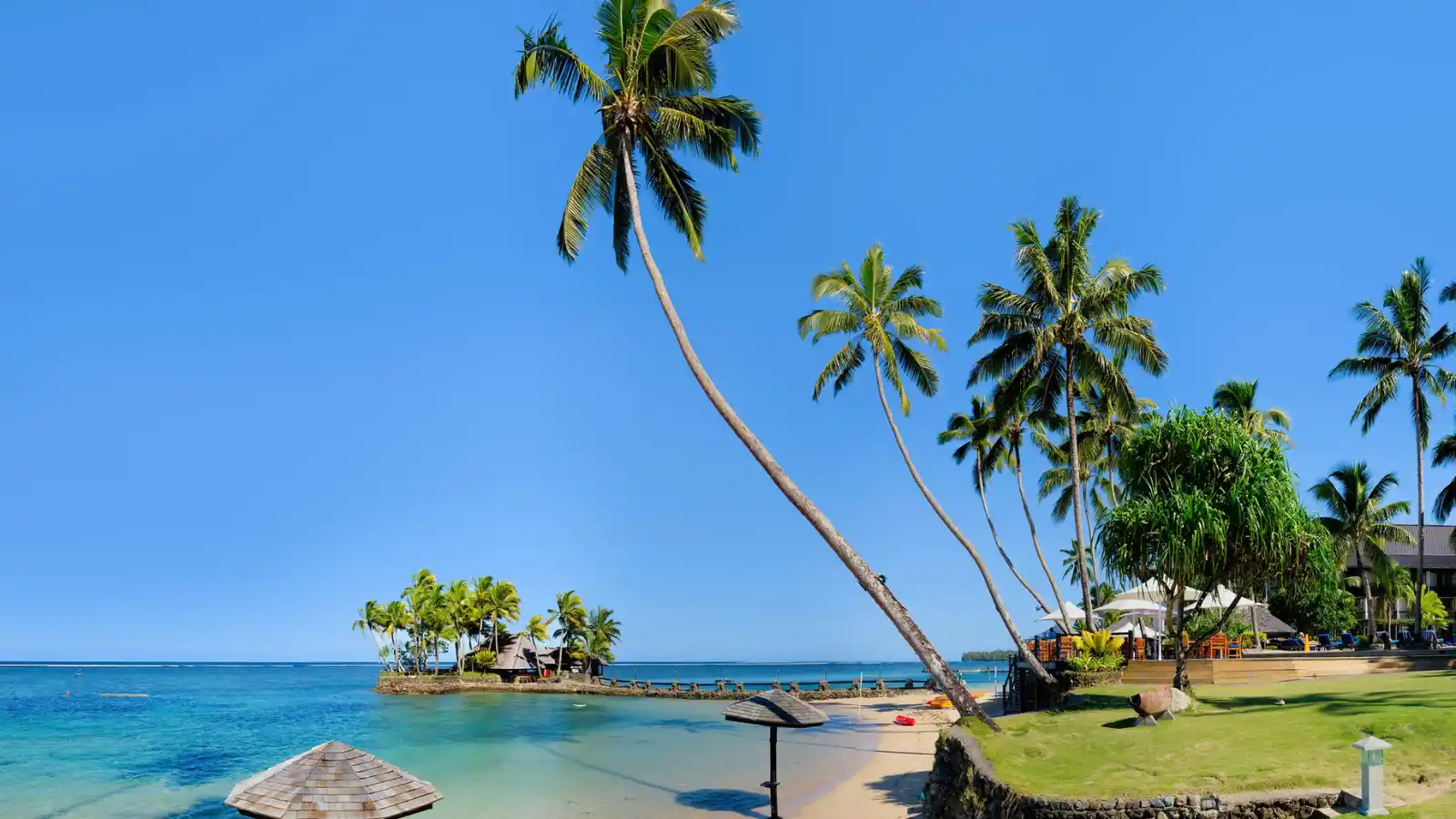
When Should You Actually Go?
Here's the truth: everyone will tell you to visit during the dry season (May-October) when temperatures hover around a perfect 75-85°F (24-29°C), the skies are endlessly blue, and the ocean is so clear you can spot reef sharks from your kayak. And yes, it's magical. But you'll be sharing that magic with crowds from Australia and New Zealand, especially during July-August school holidays, and paying premium prices for the privilege.
But I've got a secret for you: the wet season (November-April) isn't the disaster you think it is. Sure, it's warmer (80-90°F/27-32°C) and more humid. Yes, cyclone season runs November through April with January-March being the diciest. But here's what happens - you get lush, impossibly green islands, dramatically cheaper rates (we're talking 30-50% off), empty beaches, and mornings that are often perfect before afternoon showers roll in. I've had some of my best Fiji days in February, sipping Fiji Bitter on a deserted beach while everyone else was stuck in winter back home.
Want the sweet spot? Hit up Fiji in May-June or September-October - you'll get the dry season weather with fewer crowds and better rates. For detailed weather patterns and monthly breakdowns, check our complete Fiji weather guide.
🌟 Sweet Spot Months
- May-June: Perfect weather, thinner crowds
- September-October: Still gorgeous, prices dropping
- April: Wet season wrapping up, deals appearing
⚠️ Expect Crowds & $$$ During
- December-January: Holiday rush, sky-high prices
- July-August: Aussie/Kiwi school holidays
- January-March: Highest cyclone risk
Let's Talk Money (The Real Numbers)
Look, I'm not going to sugarcoat it - Fiji isn't Thailand. You won't be eating pad thai for $2 or staying in beachfront bungalows for $10. But it's also not the Maldives where your breakfast costs more than a flight. Think of Fiji as the middle child: more expensive than Southeast Asia, cheaper than Hawaii, and way more laid-back than both.
All prices here are in Fijian dollars (FJD). Quick math: FJD $1 = about USD $0.45 or AUD $0.68 as of 2026. So when you see FJD $100, think roughly USD $45 or AUD $68. For real traveler examples and detailed cost breakdowns, see our comprehensive Fiji budget guide.
🎒 Backpacker Life: FJD $150-200/day
Hostel dorms, local buses that smell like adventure and diesel, cooking your own meals, and plenty of free beach time. You'll meet amazing people, save tons of money, and yes, you'll shower with a bucket sometimes. It's part of the charm.
🌴 Mid-Range Comfort: FJD $300-450/day
This is the sweet spot most couples hit. Nice resort with a pool, eating out most meals, organized snorkel trips, and the occasional taxi when buses feel too ambitious. You're comfortable but not dropping $50 on a cocktail.
✨ Living the Dream: FJD $600+/day
Private island resorts, champagne breakfasts, couples massages overlooking the ocean, and inter-island flights instead of ferries. Sky's the limit here - some properties easily hit FJD $1,500+/day, and honestly? They're worth every penny for a special occasion.
What Stuff Actually Costs
Local restaurant meal FJD $15-30 (think curry shops and "hotel" restaurants - yes, that's what they call them) • Resort dinner FJD $40-80 per person • Taxi from Nadi Airport to Denarau FJD $25-30 (negotiate first!) • Domestic flight FJD $150-300 return • Ferry to Mamanucas FJD $80-150 return • Day snorkel tour FJD $100-200 • Scuba diving (2 tanks) FJD $280-320 • Daily snorkel gear rental FJD $15-25 • Fiji Bitter at a local shop FJD $3-4, at a resort FJD $8-12 (bring your own to outer islands!)
Sample Itineraries (From Someone Who's Done It Wrong)
My first Fiji trip? I tried to visit seven islands in ten days. I spent more time on ferries than beaches, more time packing than unpacking, and I missed some incredible moments because I was always rushing to the next place. Learn from my mistakes.
One Week: The Perfect Fiji Intro
Days 1-2: Land in Nadi, grab supplies (seriously, buy your booze and snacks here - island prices are brutal), settle into a Coral Coast resort. Take a day cruise to the Mamanucas for snorkeling. Recover from jet lag by the pool with a cocktail.
Days 3-5: Ferry to one island resort - pick your vibe. Yasawas for backpacker party scene, Mamanucas for families and couples. Spend three full days doing absolutely nothing but snorkel, kayak, read, nap, repeat. This is what you came for.
Days 6-7: Back to mainland. If you're ambitious, visit a cultural village or Sigatoka Sand Dunes. If you're wise, find a beach bar and watch the sunset with a cocktail. Fly home refreshed, not exhausted.
Two Weeks: Island Hopper's Dream
Days 1-3: Coral Coast base. Day trip to Suva if you want city vibes (it's grittier than you expect - I love it). Explore local villages and beaches.
Days 4-8: Yasawa Islands with a Bula Pass (around FJD $400-500 for 5 days). Island hop your heart out - Sawa-i-Lau caves, village visits, some of the most ridiculous snorkeling you'll ever experience. Don't rush this part.
Days 9-11: Fly to Taveuni (the Garden Island). Hike the Lavena Coastal Walk to waterfalls, dive Rainbow Reef - seriously world-class soft corals. This island is for nature lovers and divers.
Days 12-14: Back to mainland. Pacific Harbour for adrenaline (shark diving, white-water rafting) or just post up at a beach resort and decompress before flying home. Planning to visit multiple islands? Our island hopping guide has detailed ferry schedules and routing tips.
💡 Hard-Earned Planning Wisdom
- Less is more: Three islands done right beats five islands done rushed
- Weather happens: Ferries cancel, flights delay. Build in buffer days or embrace spontaneity
- Mix it up: Alternate dive days with hammock days. Your body will thank you
- Peak season = book now: Popular spots fill 3-6 months out during July-August and December
- Wifi is rare: Download maps, entertainment, and make peace with disconnecting
Getting Around (A.K.A. Embrace Fiji Time)
Transportation in Fiji operates on what locals affectionately call "island time." That ferry scheduled for 8am? Maybe 8:30. That bus that's supposed to take 2 hours? Add an hour for bathroom breaks, mechanical issues, and inexplicable stops at someone's cousin's house. Roll with it - this is part of the Fiji experience.
Ferries: The Yasawa Flyer and South Sea Cruises are your main options for island hopping. The Bula Pass (FJD $399-499 for 5-7 days) is genius - unlimited hopping between Yasawa Islands. Book online in advance. The boats are comfortable, never on time, and offer incredible sunrise views.
Domestic flights: Fiji Airways and Fiji Link hop you to Taveuni, Savusavu, Kadavu (FJD $150- 300+ one-way). Faster than ferries but watch those baggage limits - 15kg total including carry-on. They're strict about it. Worth it if time is precious.
Local buses on Viti Levu: Dirt cheap (FJD $2-20) and an absolute cultural experience. Chickens may board. Strangers will share their lunch. You'll arrive sweaty but with amazing stories. Not for everyone, perfect for adventurers.
Taxis: Negotiate before you go. Airport to Denarau is around FJD $25-30. Meters exist but aren't always used. "Share taxis" are a thing - basically packed minivans that are cheaper than private rides.
Rental cars: FJD $80-120/day. Required for exploring Viti Levu properly. Remember: left-side driving, roads range from perfect to "is this actually a road?", and cows have right of way. Always.
The Stuff You Actually Came For
Diving & Snorkeling: This is Fiji's superpower. The soft corals are unlike anywhere else - Rainbow Reef near Taveuni is legendary (Jacques Cousteau wasn't lying), Beqa Lagoon offers shark diving where you're literally surrounded by bull sharks (safely, I promise), and the Great Astrolabe Reef at Kadavu is pristine because hardly anyone goes there. Most resorts have house reefs - meaning you can snorkel straight from the beach. I once saw a baby reef shark, three turtles, and a moray eel before breakfast. Just another Tuesday in Fiji.
Village visits: Here's where quality matters. A good village visit involves participating in a kava ceremony, learning about traditional Fijian life, maybe some meke (traditional dancing), and genuine cultural exchange. A bad one feels like you're touring a human zoo. Look for small-group tours, community-run experiences, or ask your resort for authentic recommendations. Bring kava root for the sevusevu ceremony (FJD $10-15), dress modestly (shoulders and knees covered), remove shoes before entering bures, and follow your guide's lead.
Island adventures: Swimming with manta rays in the Yasawas (May-October) is bucket-list worthy - these gentle giants are curious and playful. Hiking to Tavoro Waterfalls in Bouma National Park means swimming in jungle pools (bring water shoes). The Sigatoka Sand Dunes are weirdly beautiful - ancient burial sites meet Sahara vibes. White-water rafting the Navua River gets your adrenaline going. Or just... do nothing. Seriously. The best days in Fiji are often the unplanned ones.
Where the Crowds Aren't (Yet)
🌊 Savusavu
The anti-resort town. Natural hot springs bubble along the waterfront, black pearl farms offer tours, diving access to Rainbow Reef, and a genuinely authentic Fijian town vibe. Stay here instead of the main tourist strips.
🐠 Kadavu
Remote, pristine, and for serious divers. The Great Astrolabe Reef is massive and barely visited. Eco-lodges only, no mega-resorts. Getting here takes effort (small plane + boat), which keeps crowds away. Worth it for the isolation.
🏛️ Levuka (Ovalau Island)
UNESCO World Heritage town and Fiji's original capital. Colonial architecture slowly decaying beautifully, tiny museums, local cafes serving curry that'll make you sweat. Feels like you've time-traveled. Take the ferry from Natovi.
🛖 Navala Village
The last fully traditional village where everyone still lives in bures (thatched houses). Not a tourist attraction - a real, working village. Requires a guide, strict cultural protocols, and genuine respect. Not for casual tourists, incredible for cultural immersion.
The Practical Stuff Nobody Tells You
Money: ATMs exist in Nadi, Suva, and bigger towns. Once you hit the outer islands? Cash is king and ATMs are mythical creatures. Withdraw enough cash before island-hopping - running out on a remote island means awkward conversations with resort managers. Credit cards work at resorts but bring backup. Tipping isn't expected (seriously!), but FJD $5-10 for exceptional service is appreciated. Don't tip like you're in America - it's not the culture here.
Safety: Fiji is genuinely safe. I've wandered around Suva at night, left my phone on the beach, hitchhiked (though maybe don't tell your mom that). Standard precautions apply - lock valuables at budget places, watch your bag in markets, don't flash expensive gear. The biggest "danger" is friendly locals wanting to chat for hours. Comprehensive travel insurance is essential, especially for remote islands where medical evacuation could save your life.
Culture: Fijians are some of the warmest people you'll meet, but respect matters. Cover shoulders and knees in villages (sarongs work great). Remove shoes before entering any home or bure. If someone offers you kava during a ceremony, drink it - clap once before receiving the bowl, say "Bula!" drink it all in one go, clap three times, and return the bowl. Don't touch anyone's head (sacred) or point your feet at people (rude). Learn these basics: "Bula" (hello - say it enthusiastically), "Vinaka" (thank you), "Moce" (goodbye).
Sunday: Fiji shuts down on Sundays. It's church day and family day. Most shops close, tours don't run, even some restaurants are closed. Plan accordingly - stock up on Saturday, relax on Sunday. It's actually lovely to experience the slower pace, but don't expect to accomplish much.
Questions Everyone Asks Me
How many days do I actually need?
Minimum one week if you're only visiting one or two spots. Two weeks is the sweet spot for island hopping without feeling rushed. Three weeks lets you really dig in, explore hidden corners, and adopt the local pace. Remember: quality beats quantity. Three islands done well beats seven islands done rushed.
Do I need a visa?
Most nationalities get automatic 4-month visitor permits on arrival - no paperwork needed. You'll need: passport valid 6+ months, return/onward ticket, proof of accommodation (first night is usually enough), and proof of sufficient funds. Immigration is friendly but take it seriously.
What should I actually pack?
Less than you think. Reef-safe sunscreen (buy before you go - expensive in Fiji), insect repellent with DEET, water shoes (reef cuts suck), one modest outfit for villages, power adapter (Type I - Australia/NZ plugs), any prescription meds. You'll live in swimwear, shorts, and sandals. Pack light - laundry is cheap at resorts.
What's this "Fiji time" thing?
It's a lifestyle. Things start late, take longer, happen spontaneously, or don't happen at all. That boat scheduled for 9am might leave at 10. Your massage appointment? Maybe on time, maybe not. Fighting it causes stress. Embracing it brings peace. Build flexibility into plans. This is island time - it's intentional, not inefficient.
Should I book everything in advance?
Peak season (July-Aug, Dec-Jan)? Yes, book accommodation months ahead or cry about sold-out resorts. Shoulder/low season? You can wing it more. I like booking first and last nights, plus one or two "must-visit" islands, then staying flexible for the rest. Activities can usually be arranged on arrival.
Will I die from something biting me?
No. No snakes, no spiders that'll kill you, no deadly land animals. Ocean hazards include stonefish (wear water shoes on reef walks), jellyfish occasionally, strong currents in passes, and sharp coral (don't touch it anyway - it's alive and you'll damage it). Mosquitoes are your main enemy - dengue exists here. Use repellent religiously.
Is Fiji good for solo travelers?
Absolutely. The Yasawa Island backpacker scene is legendary for meeting people. Hostels organize group activities. Locals are friendly and welcoming (maybe too friendly if you're trying to be alone). Solo female travelers report feeling safe. The only downside? Some resorts charge hefty single supplements. Stick to hostels and backpacker resorts to avoid this.
Can I drink the water?
In resorts and towns, tap water is generally fine. On remote islands, stick to bottled water. I brush my teeth with tap water everywhere without issues, but everyone's stomach is different. Bottled water is cheap and everywhere. Fiji Water actually comes from here - but locals drink the cheaper brands.
My Final Thoughts (After Way Too Many Trips)
The best Fiji trips aren't the ones with the longest itineraries or the most Instagram photos. They're the ones where you surrender to island time, where you spend three hours chatting with a local family over kava, where you miss a boat and discover it was the best thing that happened because you found a secret beach instead.
Have a loose plan, book your accommodation, but leave space for spontaneity. Some of my favorite Fiji memories weren't on any itinerary: joining a village rugby match, learning to climb coconut trees, sharing a sunrise with a family of sea turtles while everyone else slept in.
Figure out your priorities - are you here to dive? Relax? Party? Get cultural? Build your trip around what matters to YOU, not what Instagram says you should do. Accept that ferries might be late, it might rain, plans will change. That's not a bug, it's a feature. Roll with it, say "Bula" to everyone, and Fiji will show you why people never want to leave.
See you out there. I'll be the one at the beach bar, watching the sunset, wondering why anyone lives anywhere else. 🌴