Is Fiji Expensive? Real 2026 Costs and Daily Budgets
Last fact-checked:
Fiji can be expensive, but it does not have to be a luxury-only destination. A mainland trip using simple accommodation, local food and buses can be planned from about FJ$160 to FJ$280 per adult per day. A comfortable trip is more realistically FJ$320 to FJ$600. An outer-island resort stay can reach FJ$600 to FJ$1,300 or more once meals, boat transfers and activities are included.
Those are planning ranges, not a promise of what every traveler will pay. They assume two adults share a room and exclude international flights, travel insurance and shopping. The useful question is not simply whether Fiji is expensive. It is which costs are fixed by your island, room and transfer choices, and which costs you can still control.
Prices in Fijian dollars · Independent planning ranges · Fact-checked September 2026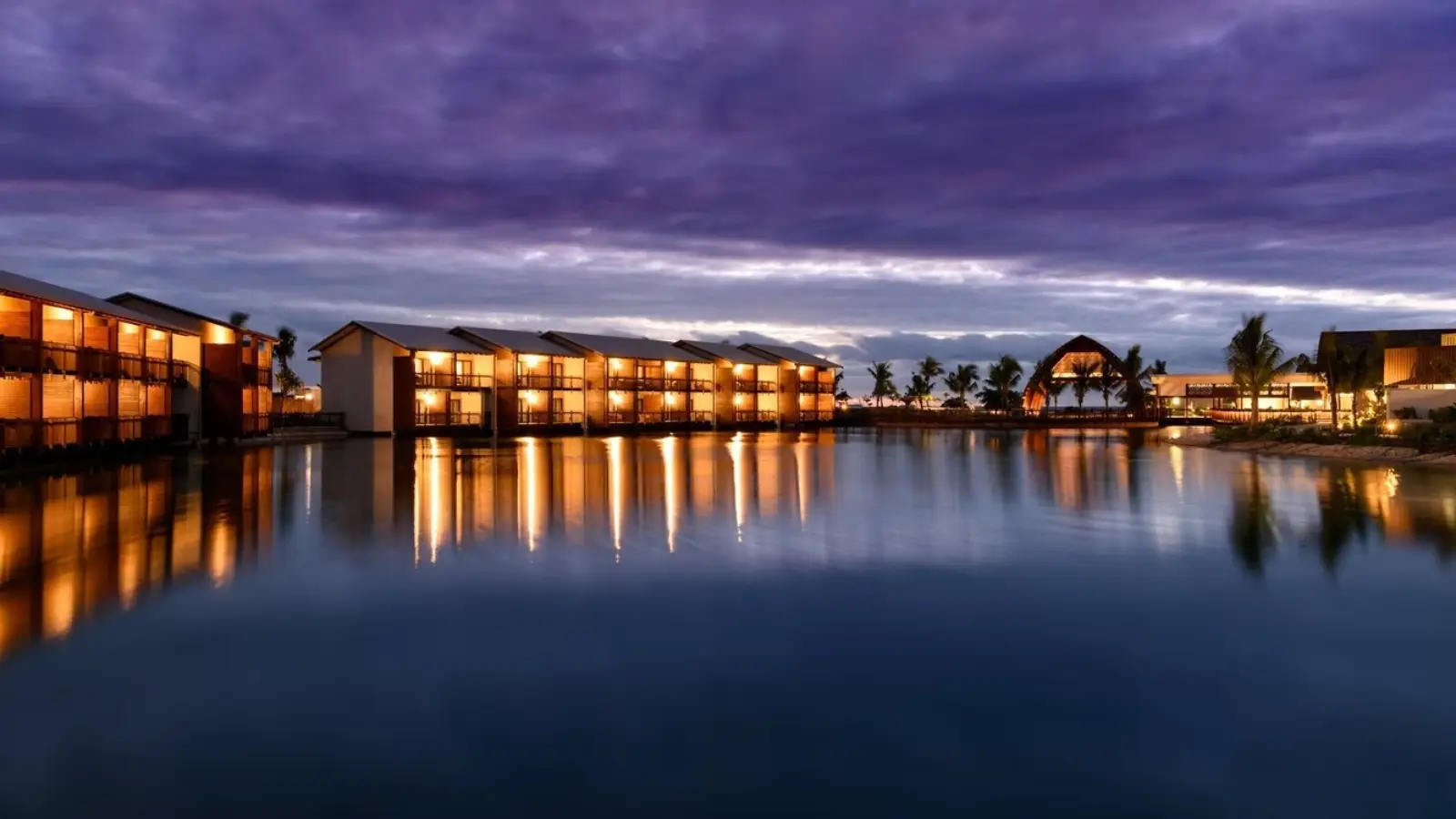
Is Fiji expensive in 2026?
Fiji feels moderately expensive on Viti Levu and expensive at remote resorts. The decisive jump usually comes from location. On the main island, travelers can compare supermarkets, cafés, buses, taxis and many hotels. On a small island, the resort may control the room, meals, drinking water, activities and the only practical transfer. A low-looking room price can therefore become an expensive total.
Lean mainland
FJ$160-280
Per adult/day, shared room
Comfortable
FJ$320-600
Per adult/day, shared room
Island resort
FJ$600-1,300+
Per adult/day, shared room
A useful currency shortcut
The Reserve Bank of Fiji rate published for 4 September 2026 made FJ$100 approximately US$45, A$63 or NZ$77. These are simple planning conversions. The Reserve Bank states that its published rates are indicative, so a bank, card or exchange counter will offer a different customer rate and may add fees.
| Fiji amount | Approx. US dollars | Approx. Australian dollars | Approx. New Zealand dollars |
|---|---|---|---|
| FJ$100 | US$45 | A$63 | NZ$77 |
| FJ$500 | US$226 | A$313 | NZ$384 |
| FJ$1,000 | US$451 | A$627 | NZ$767 |
Fiji daily budget and trip totals
Start with the daily band that matches your trip, then multiply it by the number of travel days. For a more exact estimate, calculate accommodation by room nights separately using the method below. Add international flights and insurance separately. Keeping flights outside the table prevents a cheap fare from one country and an expensive fare from another from distorting the cost of Fiji itself.
On a small screen, swipe horizontally to see every column.
| Travel style | Per adult/day | 7 days | 10 days | 14 days | What it assumes |
|---|---|---|---|---|---|
| Lean mainland | FJ$160-280 | FJ$1,120-1,960 | FJ$1,600-2,800 | FJ$2,240-3,920 | Simple shared room, local meals, buses, mostly free or low-cost days |
| Comfortable mainland or mixed trip | FJ$320-600 | FJ$2,240-4,200 | FJ$3,200-6,000 | FJ$4,480-8,400 | Comfortable shared room, café and restaurant mix, taxis and several paid activities |
| Outer-island resort | FJ$600-1,300+ | FJ$4,200-9,100+ | FJ$6,000-13,000+ | FJ$8,400-18,200+ | Shared resort room, mandatory or resort dining, boat transfer and paid experiences |
For a couple, double the per-adult totals. A seven-day lean mainland trip is therefore roughly FJ$2,240 to FJ$3,920 for two before international flights and insurance. A seven-day comfortable trip is roughly FJ$4,480 to FJ$8,400 for two. Children do not always halve the bill because room occupancy, transfers and meal-plan age bands differ by property.
How these Fiji budget estimates were built
The ranges are a planning model, not an average collected from anonymous travelers. Each daily total combines five parts: accommodation, food, local transport, activities and a buffer. The model uses current official tax, exchange-rate and bus information, plus named menu and admission examples. Accommodation, transfers and tours change too quickly for one permanent price to be honest, so those parts are allowances that must be replaced with live quotes for the travel dates.
Use this five-line formula
- Room total: nightly rate × nights, including tax and compulsory fees.
- Food total: meals not included in the room or meal plan.
- Transport total: airport, road and every inter-island transfer in both directions.
- Activities total: paid tours, equipment, entry and optional resort activities.
- Contingency: add 10 to 15 percent for price movement, card costs and small omissions.
Accommodation is usually the biggest cost
Hotel and resort prices change by season, occupancy, refund terms and booking channel. Instead of treating one old rate as a Fiji-wide average, use the search bands below as a first filter. They are room-budget targets, not published tariffs.
| Stay type | First-pass target | What can change the total | Check before paying |
|---|---|---|---|
| Dorm or very simple stay | Try to keep the bed below FJ$100/night | Air conditioning, shared facilities, breakfast and location | Final bed type, taxes, lockers, linen and late-arrival access |
| Simple mainland private room | FJ$140-300 per room/night | Nadi, Suva and Coral Coast location, refundability and breakfast | Tax-inclusive total, airport transfer and exact occupancy |
| Comfortable mainland hotel or resort | FJ$300-650 per room/night | Beachfront position, facilities, meal inclusions and school holidays | Compulsory fees, child policy, bedding and cancellation terms |
| Outer-island or premium resort | FJ$600-1,600+ per room/night | Room category, remoteness, transfer and compulsory meal plan | Complete stay total including both-way transfer and every guest |
A solo traveler using a private room should not divide the room cost by two. A couple usually benefits from sharing that fixed cost. Families should price the exact children, ages and bed arrangement because a room advertised for four may still charge meals or transfers per person.
For property selection rather than cost modeling, use the Fiji accommodation guide. This page intentionally owns the trip-cost question, while the hotel guide owns where to stay.
Is food expensive in Fiji?
Food is manageable when you can choose local cafés, bakeries, supermarkets and takeaway shops. It becomes much more expensive when a resort is the only practical place to eat. Current named examples are more useful than vague claims that a meal costs a certain amount everywhere.
| Current example | Published price | What it tells you |
|---|---|---|
| Coffee Hub eggs on toast | FJ$14 | A simple sit-down café breakfast in Nadi, Suva or Ba |
| Coffee Hub breakfast selection | FJ$14-28.50 | Breakfast rises with salmon, sides and larger plates |
| Coffee Hub sandwiches and salads | Mostly FJ$13-20 | A practical café lunch benchmark, before drinks or extras |
| Coffee Hub kokoda | FJ$19.50 | A named local-dish example, not a Fiji-wide average |
| Fiji Gateway Hotel buffet breakfast | From FJ$47 adult / FJ$23 child | A resort-hotel breakfast can cost far more than a basic café plate |
As a planning allowance, use FJ$45 to FJ$80 per adult/day for groceries, bakeries, takeaways and simple cafés; FJ$80 to FJ$150 for a café and restaurant mix; and FJ$150 to FJ$280 or more when most meals are inside a resort. Drinks, room service and special dinners can push the total higher.
On an outer island, ask whether the meal plan is compulsory, whether the price is per adult per day, which meals and drinks it covers, and how children are charged. For dishes and dining context, see the traditional Fijian food guide.
Transport can be cheap on land and expensive between islands
Public buses keep mainland costs low. Following the end of a temporary fare increase, FCCC said Viti Levu and Vanua Levu returned to their base fare schedules on 1 September 2026. The published base schedule starts at FJ$1.02 for stage 1 and rises by the number of stages. Taveuni uses a separate revised fare structure. Public buses use Fiji's eTransport system, so read the current card and top-up instructions before relying on buses after arrival.
Mainland transport
Buses are the low-cost baseline. Taxis and pre-booked transfers are more practical with luggage, at night or for a tight connection. Ask for the complete price and payment method before departure.
Island transport
Boat, resort launch and domestic-flight costs vary by route and date. Obtain the return price, luggage allowance, meeting point, minimum check-in and missed-connection policy in writing.
Use the detailed Fiji transport guide for buses, the eTransport card, taxis, ferries and flights. For route building between islands, use the island-hopping guide.
Activities: mix free days with paid experiences
Beach time, swimming and self-guided town visits can cost little, but access is not automatically free everywhere. A beach may sit beside private property, require transport or involve a local access fee or village contribution. Ask locally and respect the landowner or community arrangement.
For a current low-cost cultural benchmark, Fiji Museum lists normal admission at FJ$20 for an overseas adult and FJ$10 for an overseas child. Entry with a guided tour is FJ$30 for an overseas adult and FJ$15 for an overseas child. By contrast, boat tours, diving, private guides and resort activities can each consume a large part of one day's budget.
A useful allowance is FJ$0 to FJ$40 for a simple day, FJ$80 to FJ$250 for a paid excursion day and substantially more for multi-dive packages or private charters. Before booking, check whether the price includes pickup, equipment, lunch, marine or village fees, tax and cancellation for poor weather.
Fiji taxes and costs that are easy to miss
| Cost | Current position | Traveler action |
|---|---|---|
| VAT | The standard rate is 12.5% from 1 August 2025; exempt and zero-rated items remain | Check whether the displayed price already includes VAT |
| Tourism Services Tax | 5% from 1 September 2026 on qualifying tourism services supplied or consumed from that date by businesses over the prescribed FJ$2 million threshold | Use the final checkout total; do not add 5% to every tourism purchase automatically |
| Airport departure tax | FJ$200 is the current levy cited by Fiji's tourism industry; international fares commonly include government taxes and surcharges | Read the airfare tax breakdown so you do not budget the same amount twice |
| Card and exchange costs | Your bank, ATM or merchant may apply conversion or processing charges | Compare the receipt currency, decline unclear conversions and keep some FJ$ cash |
| Resort extras | Transfers, meal plans, drinks, child charges and activities may sit outside the room rate | Request one written total for the complete stay and every guest |
How the total changes for solo travelers, couples and families
Solo traveler
A dorm can keep the budget low. A private room, taxi or private transfer costs more per person because there is nobody sharing the fixed price.
Couple
Couples usually get the cleanest value from one room and shared transfers. Price per person meal plans and activities separately.
Family
Check occupancy, child ages, beds, breakfast, transfers and meal plans. A family room is not always the cheapest final package.
When Fiji becomes expensive, and how to keep control
The fastest way to raise the bill is to combine a premium room with frequent island changes, private transfers, compulsory meal plans and paid activities every day. The easiest way to control it is to spend more nights in fewer places, keep part of the trip on Viti Levu, compare the complete resort total and leave some unstructured beach or town days.
This cost page gives the numbers and method. For a deeper list of saving tactics, use the Fiji budget travel guide. Keeping the two pages focused on different jobs helps travelers and avoids competing pages on the same search intent.
Build your Fiji budget before booking
- Choose the islands first. Location determines whether you need buses, ferries, flights or a resort launch.
- Record the final room total. Include taxes, compulsory fees, occupancy and cancellation terms.
- Add every transfer twice. Budget both the arrival and return journey, including airport connections.
- Mark every meal already included. Price the remaining breakfasts, lunches, dinners, drinks and child meals.
- Separate essential and optional activities. A dive course is not the same kind of cost as a free beach day.
- Add payment costs and a 10 to 15 percent buffer. Exchange rates and small charges move after planning.
- Keep international flights separate. Compare the full fare with bags and taxes, not only the headline fare.
The one question to send a resort
“Please send the complete price for all guests for my exact dates, including taxes, compulsory meal plans, return transfers, child charges and any fees payable at the property.”
Frequently asked questions about Fiji costs
How much should I budget per day in Fiji?
Plan about FJ$160 to FJ$280 per adult per day for a lean mainland trip, FJ$320 to FJ$600 for comfortable travel, and FJ$600 to FJ$1,300 or more for an outer-island resort stay. These ranges assume two adults share a room and exclude international flights, insurance and shopping.
How much does a seven-day Fiji trip cost?
Per adult, seven days are roughly FJ$1,120 to FJ$1,960 for a lean mainland trip, FJ$2,240 to FJ$4,200 for comfortable travel, or FJ$4,200 to FJ$9,100 or more at an island resort. Double the amount for two adults, then add international flights and travel insurance.
How much spending money do I need for 10 days in Fiji?
If accommodation is not prepaid, use the full 10-day ranges: FJ$1,600 to FJ$2,800 per adult for lean mainland travel, FJ$3,200 to FJ$6,000 for comfortable travel, or FJ$6,000 to FJ$13,000 or more for an island resort trip. If the room and transfers are prepaid, subtract them and carry a food, activities and contingency budget instead.
Is food expensive in Fiji?
Food can be moderate in towns and expensive at isolated resorts. A current Coffee Hub menu shows breakfasts from FJ$14 to FJ$28.50, while Fiji Gateway Hotel lists buffet breakfast from FJ$47 per adult. Plan FJ$45 to FJ$80 per adult per day for simple food, FJ$80 to FJ$150 for a café and restaurant mix, or FJ$150 to FJ$280 or more for resort-heavy dining.
What makes a Fiji holiday expensive?
Remote islands, premium rooms, private or resort-only transfers, compulsory meal plans and frequent paid activities create the biggest increases. Compare the complete stay total, not only the room rate, and include the return transfer before deciding that one resort is cheaper than another.
What currency should I use for a Fiji budget?
Build the budget in Fijian dollars because local prices and taxes are charged in FJ$. On 4 September 2026, the Reserve Bank of Fiji rate made FJ$100 approximately US$45, A$63 or NZ$77. Treat that as a planning conversion because card, bank and exchange-counter rates differ.
Sources and methodology
Official rates and dated examples below were checked on 5 September 2026. Daily budgets and accommodation bands are FijiEco planning ranges constructed from the categories explained above. They are not national averages and are not quotes from a booking provider.
- Reserve Bank of Fiji exchange rates: official indicative rates dated 4 September 2026.
- Reserve Bank exchange-rate methodology: explains that published rates are indicative rather than customer quotes.
- Fiji Revenue and Customs Service VAT guide: standard 12.5 percent VAT from 1 August 2025.
- FRCS Tourism Services Tax notice: commencement date, 5 percent rate and qualifying-business threshold.
- FCCC base-fare reversion notice and the published base fare schedule: current fare context for Viti Levu and Vanua Levu.
- Coffee Hub restaurant menu: named breakfast, sandwich, salad and kokoda examples.
- Fiji Gateway Hotel dining page: current adult and child buffet breakfast prices.
- Fiji Museum: overseas visitor admission and guided-tour prices.
- Fiji Hotel and Tourism Association: current industry statement on VAT, Tourism Services Tax and the FJ$200 departure tax.
Prices, taxes, menus, exchange rates and transport rules can change. Use the dated examples to plan, then check the final supplier total for your dates. Found an outdated figure? Send FijiEco a correction.