Fiji's Sustainable Tourism Framework: Leading the Pacific Region
Discover how Fiji's tourism industry has successfully transformed into a model of sustainability, balancing record visitor numbers with environmental protection and cultural preservation through innovative eco-tourism practices.
Sustainable Tourism & Environmental Innovation
Why Sustainable Tourism Matters for Fiji's Future
As tourism numbers reach record heights across Fiji's sun-drenched archipelago, the nation finds itself at a critical crossroads: how to capitalize on this economic boom while preserving the very natural wonders that attract visitors in the first place. The answer, according to industry leaders and policymakers, lies in Fiji's ambitious sustainable tourism framework that has gained international recognition.
This strategic approach represents more than just environmental protection—it's about ensuring the long-term viability of tourism while maintaining the cultural authenticity and natural beauty that make Fiji a unique destination in the Pacific region.
Critical Crossroads
With tourism at record heights, Fiji faces the challenge of balancing economic benefits with preservation of natural wonders and cultural heritage for future generations.
The Green Tourism Revolution
Fiji's tourism sector has undergone a remarkable transformation in recent years, pivoting decisively toward sustainability. The government's "Pristine Fiji 2030" initiative, launched in partnership with major hotel chains and tour operators, has established some of the most progressive eco-tourism standards in the Pacific region.
"We recognized early that our natural environment is our greatest asset," says Litia Qionibaravi, Fiji's Minister for Tourism. "Our sustainability framework isn't just about environmental protection—it's about ensuring the longevity of our tourism industry and the livelihoods it supports."
This strategic shift has positioned Fiji as a leader in sustainable tourism practices. Over 80% of major resorts now operate on renewable energy sources, primarily solar, with several properties achieving carbon neutrality. Water conservation technologies and waste reduction programs have become standard across the industry.
Pristine Fiji 2030
Government initiative setting progressive eco-tourism standards across the Pacific region.
Renewable Energy
Over 80% of major resorts operate on renewable sources, with several achieving carbon neutrality.
Conservation Tech
Water conservation and waste reduction programs now standard industry practice.
Marine Conservation Tourism
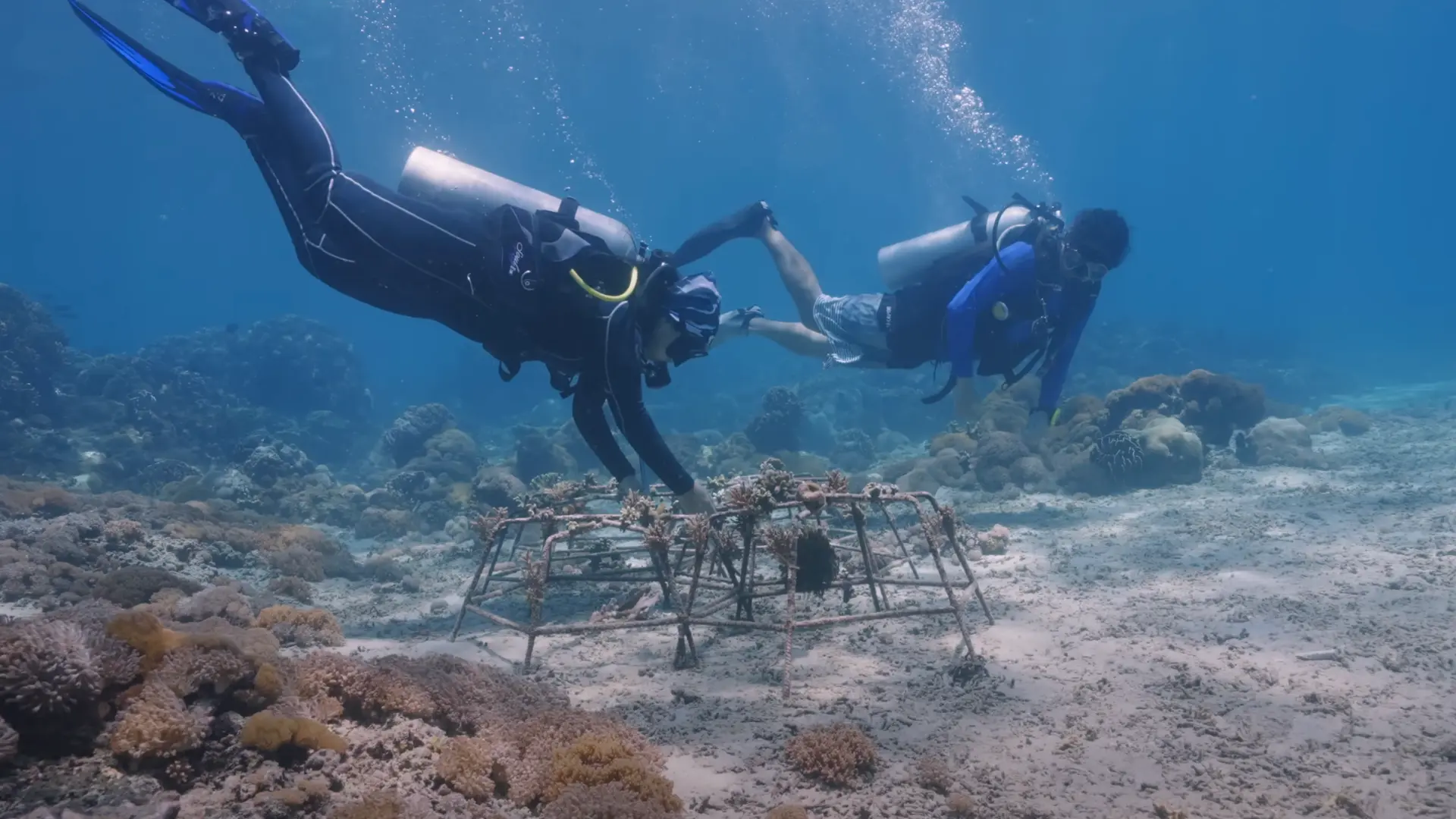
Fiji's spectacular marine ecosystems have always been a major draw for visitors, but now they're being protected through innovative tourism models. The establishment of locally managed marine areas (LMMAs) has created a network of protected zones where traditional fishing practices are balanced with conservation goals.
These marine sanctuaries have become tourism attractions in themselves, offering visitors unique opportunities to participate in coral restoration projects, scientific monitoring, and marine conservation education. The award-winning "Reef Guardian" program allows tourists to sponsor coral planting and receive updates on "their" coral's growth over time.
Jean-Michel Cousteau Resort in Savusavu stands as a pioneer in this space, operating its own marine biology lab where guests can engage with researchers studying coral resilience and marine biodiversity. Similar programs have sprouted across the islands, creating a new category of educational eco-tourism.
Cultural Preservation Through Tourism
Sustainability in Fiji extends beyond environmental concerns to encompass cultural preservation. The "True Fiji" certification program ensures that cultural experiences offered to tourists are authentic, respectful, and directly benefit local communities.
Village homestay programs have been carefully structured to prevent cultural commodification while providing visitors with genuine insights into Fijian life. These programs operate on a rotation system among participating villages, preventing over-exposure of any single community to tourist presence.
"The cultural component of sustainable tourism is often overlooked," explains Ratu Semisi Tonawai, a traditional chief and sustainable tourism advocate. "When done correctly, tourism strengthens rather than dilutes our cultural identity, creating pride in our traditions and economic incentives for their preservation."

Village Homestays
Rotation system prevents over-exposure while providing authentic cultural experiences and community benefits.
True Fiji Certification
Ensures cultural experiences are authentic, respectful, and directly benefit local communities.
Luxury and Sustainability: No Longer Mutually Exclusive
Fiji has successfully challenged the notion that luxury and sustainability are contradictory concepts. The country's most exclusive resorts have embraced environmental stewardship as a core element of their luxury offering, recognizing that today's affluent travelers increasingly demand ethical vacations.
Turtle Island Resort, long a favorite of celebrities and high-net-worth individuals, generates 100% of its electricity from renewable sources, grows much of its food organically on-site, and operates extensive conservation programs. Similarly, Six Senses Fiji has pioneered zero-waste luxury, eliminating single-use plastics and operating its own water bottling facility.
These properties command premium rates while delivering on sustainability promises, demonstrating that environmental responsibility can enhance rather than detract from the luxury experience. Properties like Tambua Sands Eco Resort exemplify this new generation of sustainable luxury accommodations.

Economic Benefits to Local Communities
Perhaps the most significant achievement of Fiji's sustainable tourism model has been its success in ensuring economic benefits flow to local communities. The government-mandated Community Development Fund requires all major tourism operations to contribute a percentage of their revenue to infrastructure and education projects in neighboring villages.
Additionally, locally-owned tourism enterprises have flourished under mentorship and microloan programs specifically designed to increase indigenous Fijian participation in the tourism economy. From boat operators to handicraft producers, local entrepreneurs are capturing a growing share of tourism spending. Visitors can support these efforts directly through experiences like women's weaving collectives and local craft workshops.

Community Impact
The Community Development Fund ensures tourism revenues directly support local infrastructure and education, while microloan programs help indigenous entrepreneurs capture growing tourism opportunities.
Challenges and Future Direction
Despite these successes, challenges remain. The increasing frequency of extreme weather events linked to climate change poses threats to coastal infrastructure. Transportation between islands still largely relies on fossil fuels, creating a carbon footprint that contradicts sustainability goals.
Looking ahead, industry leaders are focusing on technological solutions to these challenges. Electric ferry prototypes are being tested for inter-island transport, while climate-resilient building standards are being incorporated into new development approvals.
Fiji's journey toward truly sustainable tourism remains ongoing, but its progress offers valuable lessons for other island destinations. By demonstrating that environmental protection, cultural preservation, and economic growth can be complementary rather than competing goals, Fiji has created a tourism model that points the way toward a more sustainable future. Travelers can participate directly by joining tree-planting initiatives and following reef-safe practices.

Sustainable Tourism by the Numbers
Impact Statistics
- Renewable Energy Adoption: 80% of major resorts operating on renewable energy
- Plastic Reduction: 35% reduction in single-use plastics since 2023
- Marine Protection: 42 locally managed marine areas integrated with tourism
- Employment: 15,000+ Fijians employed in green tourism initiatives
- Community Investment: $8.3 million contributed to community development projects annually
A Blueprint for Responsible Tourism
For travelers seeking authentic, responsible experiences that benefit local communities and preserve natural environments, Fiji's sustainable tourism framework offers a blueprint for how tourism can be a force for positive change in the 21st century. Experience paradise responsibly while contributing to its preservation.