Lautoka Market: Opening Hours, Food and How to Visit
Written and researched by Yevhen Derkach
Last updated and fact-checked:
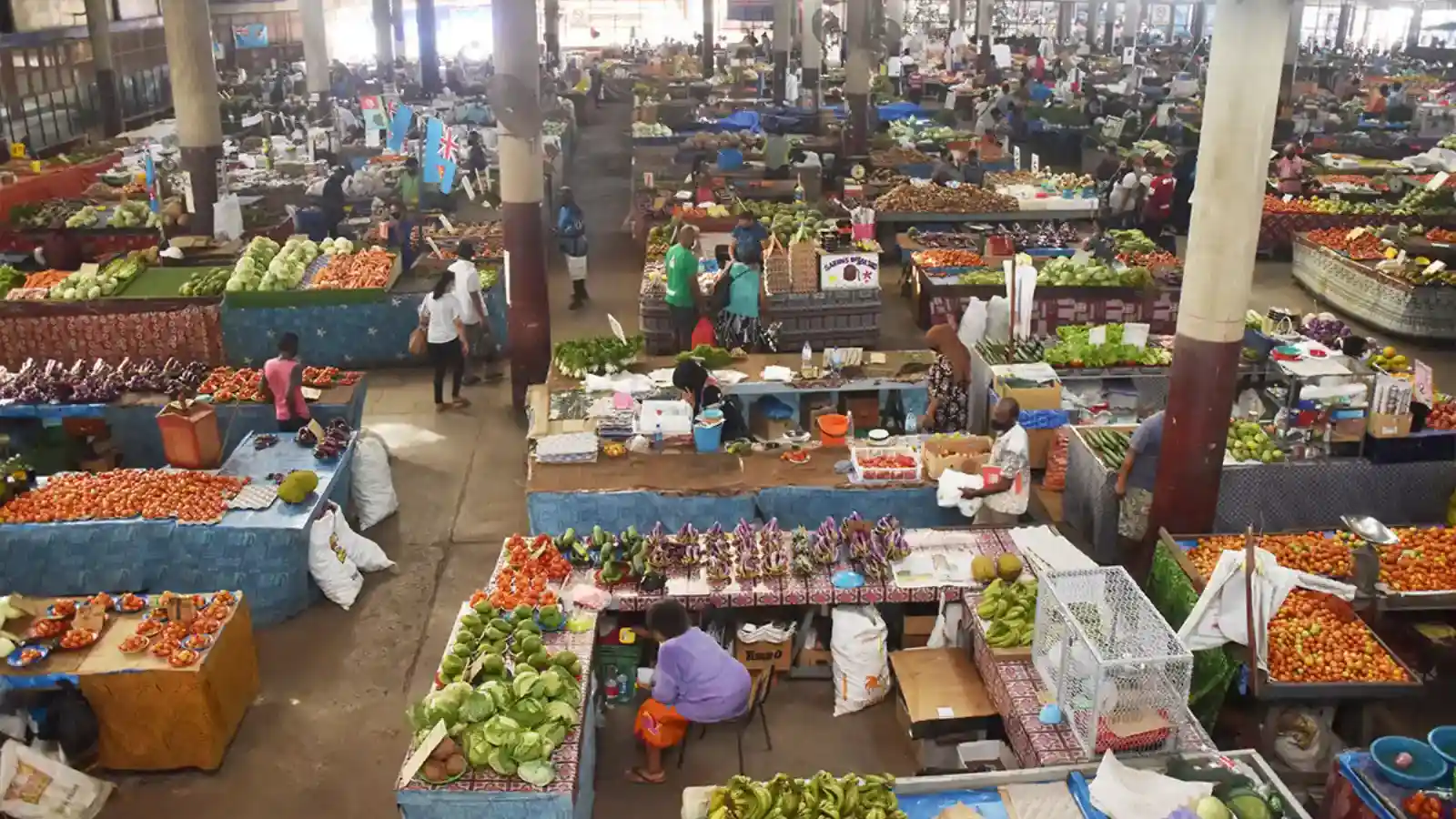
Lautoka Municipal Market is a useful stop for fresh fruit, vegetables, spices, seafood and everyday shopping in Fiji's Sugar City. It sits beside the city's main bus terminal, so you can arrive from Nadi and start browsing without another transfer. Entry is free. Allow 30 to 60 minutes for a walk and a few purchases, or longer if you also want a meal.
Plan a morning visit on a weekday or Saturday for the main produce and handicraft sections. Sunday needs a different plan: the council lists morning fish trading and a separate cooked-food market, while the main market is closed.
Lautoka Market opening hours
Lautoka City Council publishes this schedule for the different market sections. All times are local Fiji time.
| Section | Monday to Friday | Saturday | Sunday |
|---|---|---|---|
| Main market and handicrafts | 7:00 AM to 5:30 PM | 6:00 AM to 3:30 PM | Closed |
| New Wing | 7:00 AM to 6:00 PM | 6:00 AM to 7:00 PM | Closed |
| Fish market | 7:00 AM to 6:00 PM | 6:00 AM to 7:00 PM | 7:00 AM to noon |
| Namoli Green cooked-food market | 24 hours | 24 hours | 24 hours |
For a straightforward first visit, arrive in the morning and leave time to browse before lunch. For public-holiday arrangements or a specific access question, contact the council on +679 666 0433.
How to get to Lautoka Market
Head to Lautoka Municipal Market beside Lautoka Bus Terminal. The complex runs along Naviti, Vakabale and Yasawa streets. Use the market map for the last part of your walk. Cross at a marked crossing and keep clear of bus movements.
From central Lautoka
Walk toward the municipal market and bus terminal from your city-center accommodation or shops. A town taxi is useful with heavy shopping or limited walking mobility. Ask for the main market entrance and choose an identifiable pickup point before you go inside.
From Nadi town by bus
Take a Lautoka-bound bus from Nadi Bus Station and get off at Lautoka Bus Terminal. The market is beside the terminal. Tell the driver you want the municipal market, especially if you board outside the main station.
Public buses accept a loaded eTransport card or QR payment through a funded eTransport app wallet. Prepare your payment method before boarding, tell the driver your destination and keep your ticket or receipt. With QR, complete the payment by showing the app's receipt QR to the bus reader. Our Nadi to Lautoka guide and Lautoka public transport guide explain the wider journey and terminal arrangements.
From Nadi Airport
For a direct ride, use the yellow airport taxis outside arrivals or a pre-booked transfer to the market. For a bus trip, take a northbound service toward Lautoka from outside the Departures Terminal, then continue from Lautoka Bus Terminal. The airport Information Desk can help you locate the boarding point. Use our Nadi Airport transport guide for airport taxi details. Leave large luggage at your accommodation before shopping.
From Denarau
Book a taxi or driver directly to Lautoka Municipal Market for the simplest trip. For a bus outing, first get to Nadi Bus Station and continue on a Lautoka-bound bus. When booking a return driver, specify the pickup place, time and whether waiting is included in the quote.
From a cruise ship at Lautoka Port
Follow your ship's instructions for leaving the port and using any town shuttle. A taxi or arranged transfer can take you to the market beside the bus terminal. Save the ship's all-aboard time and the return pickup point before you start shopping. Port access and shuttle arrangements belong to your particular sailing.
What to buy at Lautoka Market
Browse the produce tables first, then look for spices, dry goods and handicrafts that interest you. Seasonal fruit makes an easy purchase for a hotel snack. Root vegetables and leafy greens are more useful when you have a kitchen and know how you will prepare them.
- Fruit and vegetables: bananas, pineapples, seasonal mangoes, dalo, cassava, kumala, eggplant, okra and cooking greens.
- Spices and dry goods: curry ingredients, chilies, onions, garlic and yaqona (kava). Ask what a blend contains and how much you need for the dish you want to cook.
- Handicrafts: woven items, masi and wood carvings. Ask who made an item and what materials it contains before choosing a gift to take overseas.
Ask whether the price is for one item, a pile, a bundle or a kilogram. Compare like-for-like quantities rather than assuming every display uses the same unit. Ask before handling produce or accepting a sample, and let the seller explain unfamiliar ingredients. A simple "bula" and "vinaka" make a friendly start and finish.
For crafts, discuss the price politely and accept the answer. Avoid treating a fixed discount percentage as a local rule. Ask permission before photographing a person or their stall, and keep aisles clear for shoppers.
Costs, cash and payment
Bring Fijian dollars in small notes and coins for shopping. Withdraw or change money before arriving, and keep your return fare separate from your shopping money. Ask about a seller's payment options before choosing goods. Cash is the practical starting point for small market purchases.
| Expense | What you pay | How to plan |
|---|---|---|
| Market entry | FJ$0 per visitor | A guided tour or transfer is a separate purchase. |
| Produce, crafts and meals | The seller's displayed or quoted price | Agree on the quantity and total before paying. |
| Public bus | Fare for your route and stage | Use a funded eTransport card or app wallet. |
| Ordinary Viti Levu taxi | FJ$2 daytime or FJ$3 nighttime flag fall, plus FJ$0.14 per 100 meters | Per taxi, excluding airport taxis. Waiting charges can add to the meter. |
| Parking and public restrooms | The posted local charge | Keep coins available. |
Taxi components are from the Fiji Times report of FCCC's July 2026 adjustment. FBC News reported the extension on 29 September 2026, through 31 March 2027. These are meter components, not a fixed Nadi-to-market fare.
Meals and the seafood market
Choose the fish section if you want seafood to prepare yourself. Buy only what you can refrigerate promptly and take it back to your kitchen before continuing a long outing. A hotel room without cooking facilities is a reason to choose a prepared meal instead.
For a meal, go to the separate Namoli Green cooked-food area and use the menu and prices at the stall. Ask what is included and tell the seller about ingredients you need to avoid. Its published 24-hour operation applies to that food market. Individual stalls need not serve every dish throughout the day. A daytime meal is easy to combine with your produce shopping.
Can you take market purchases home?
Buy fresh produce for your stay in Fiji. Food, plants and animal materials taken overseas are subject to the destination country's border rules. Sealed packaging alone does not make every market purchase suitable for international travel. Keep labels and receipts with any goods you intend to take home.
- Woven souvenirs: BAF requires inspection, supervised fumigation and a phytosanitary certificate for woven items bound for Australia or New Zealand. Other destinations have different cleaning and inspection procedures.
- Wood carvings: BAF's procedure requires a forestry inspector's certificate before biosecurity export clearance. Arrange the paperwork while you still have time in Fiji.
- Kava powder: choose properly packed, labeled product. BAF requires pounded kava in checked baggage and destination-specific clearance. Use its country guidance before buying a quantity.
Start with BAF's handicraft export requirements and kava guidance. Fumigation takes at least 24 hours. A woven gift that needs treatment is a poor last-minute purchase before a flight. For an uncomplicated souvenir, choose something that fits both the export procedure and your home country's import rules.
Facilities and what to bring
Public restrooms are located in and around the market, bus station and Sugar City Mall. The council lists parking at Sugar City Mall. Use the posted parking terms and take valuables with you. For a visit with a wheelchair or other mobility needs, arrange a close drop-off and ask the council about the entrance and facilities you need; crowded aisles can make browsing slower.
- Bring a reusable shopping bag, small cash, drinking water and sun protection for the journey.
- Wear light everyday clothes and shoes with grip for walking between sections.
- Keep your phone and wallet secured, and carry only the bags you can comfortably manage.
Plan your day and your return trip
Start with the market, have a daytime meal, then choose one more city stop. TappooCity Lautoka is an indoor retail and food stop. For a garden walk, use the separate Lautoka Botanical Gardens guide. A visit to Churchill Park works around an announced match or public event. Take perishable shopping back first.
For Nadi, return to the nearby bus terminal and ask for the next service to your destination. For Denarau, continue from Nadi by your chosen local transport or use the driver you booked.
If your next stop is Nadi Airport, choose a service that stops at the airport or arrange a direct taxi. Set your departure from the market around your airline's check-in deadline and the luggage you must collect. For a boat, use the departure point and check-in time on your ticket. Our Lautoka ferry and departure-point guide helps with that onward leg. Cruise passengers should return to their ship's pickup point in time for all-aboard.
Frequently asked questions
Is Lautoka Market free to visit?
Yes. You pay for purchases, meals and transport, rather than an admission ticket.
Is Lautoka Market open on Sunday?
The council lists the main market and handicrafts as closed. It lists fish trading from 7:00 AM to noon and the separate cooked-food market as open 24 hours.
Can I use a card at the market?
Bring cash for small purchases and ask the seller about other payment options.
Is it the same place as TappooCity Lautoka?
No. The municipal market is the produce and stall-shopping stop beside the bus terminal. TappooCity is a separate indoor shopping center.
Can I take woven souvenirs or kava overseas?
Follow BAF's export procedure for the item and your destination's import rules. Allow time for any inspection, certificates or treatment before departure.
Sources and useful contacts
- Lautoka City Council market department: published hours, location, facilities and goods.
- Tourism Fiji: Introduction to Fiji: airport bus boarding, market cash and travel context.
- Vodafone eTransport app FAQ: card and QR payment.
- Fiji Airports taxi services: airport taxi rank and metered trips.
- Fiji Times taxi fare report and FBC News extension report: ordinary taxi meter components and extension.
- BAF handicraft requirements and BAF kava requirements: export procedures.
- Wanderlog market listing: free visitor admission.
Found an outdated detail or an access change? Send FijiEco a correction.