Lautoka Botanical Gardens: Free Entry, Cafe and Visitor Guide
Last updated and fact-checked:
Lautoka Botanical Gardens are free to enter and sit opposite Lautoka Hospital on Viti Levu. Lautoka City Council describes a garden of approximately 15 acres, or about 6 hectares, with tropical greenery, walking areas and a coffee shop operated by Brew n Bites. It is an easy stop to add to a day exploring Lautoka.
Allow 30 to 60 minutes for an unhurried walk and photos, then extra time for a cafe break. Choose your own route along the open paths and turn back when it suits you. From Nadi or Denarau, combine the garden with the market and lunch so the journey gives you a fuller city outing.
Free Entry • Garden Walks • Lautoka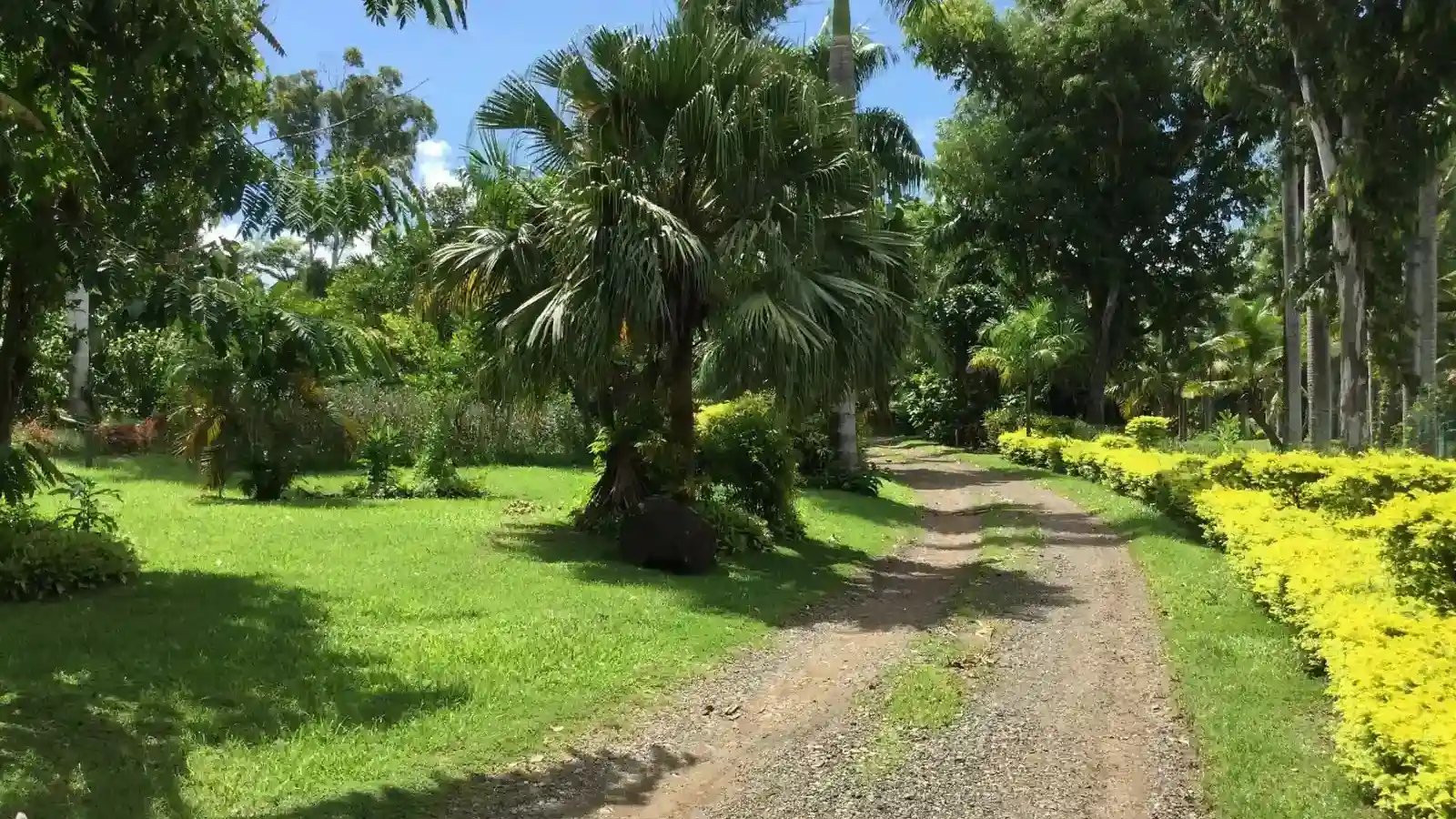
At a glance
- Entry: free.
- Location: opposite Lautoka Hospital.
- Size: approximately 15 acres.
- Visit length: allow 30 to 60 minutes, plus any cafe stop.
- Coffee shop: Brew n Bites, listed by the city council.
- Terrain: the council describes a gentle slope; wear shoes suitable for garden paths.
Entry fee, opening times and when to visit
Lautoka City Council confirms free garden entry. Food, drinks and your journey are separate expenses. Make it a daylight visit, preferably in the morning for a cooler walk. For the current gate hours, contact the council on +679 666 0433.
How to enjoy a self-guided garden walk
Follow the open visitor paths at your own pace, stopping for the palms, leafy planting and views through the trees. You can make a short circuit or return along the same path. The council's garden profile highlights walking, photography, picnics and relaxation.
- Start with a short route. Walk an open path near the entrance before deciding how far to continue. Keep your return route simple if you have a timed pickup.
- Slow down for photos. Look for the shapes of palm leaves, changing shade and the contrast between foliage and open lawn. Stay on the path when taking close-ups.
- Finish with a rest. Add a cafe stop or sit in a permitted picnic area before continuing into town. Leave flowers, seedlings and other plant material where they grow.
Follow posted access notices and leave maintenance areas clear. For a picnic, bring only what you can carry comfortably and take your rubbish away when you leave.
Botanical Garden Coffee Shop: Brew n Bites
The city council lists Brew n Bites as the garden's coffee-shop operator. A Fiji Times opening profile from April 2026 calls it Brew and Bites Cafe and reports that it opened on 2 April 2026.
It gives you a place to pause between the garden and the rest of your Lautoka visit. Order from the menu displayed at the cafe and allow extra time if you want a meal. Carry drinking water for the walk even when you plan to stop for refreshments.
How to get there from Lautoka, Nadi, the airport and Denarau
Use Lautoka Botanical Gardens on the map and tell your driver you want the garden entrance opposite Lautoka Hospital. Save the location before setting off so you can show it at pickup.
From central Lautoka
From the bus terminal, market or central shopping area, use walking directions to the garden entrance. A town taxi is a practical choice in the midday heat, with young children or when walking farther is difficult.
From Nadi town by bus
Take a northbound service from Nadi Bus Station to Lautoka Bus Terminal, then continue to the garden on foot or by town taxi. At Nadi Bus Station, tell the station staff you want central Lautoka so they can direct you to the departure bay for your bus.
Public buses accept a loaded eTransport card or QR payment through a funded eTransport app wallet. Prepare your payment method before boarding, tell the driver your destination and keep your ticket or receipt. Our Nadi to Lautoka transport guide covers the journey, and the Lautoka bus guide explains the terminal and local connections.
From Nadi International Airport
Public buses call outside the Departures Terminal. Take a northbound service toward Lautoka and continue from Lautoka Bus Terminal to the garden on foot or by town taxi. The airport Information Desk can direct you to the boarding point. For a direct trip, use a yellow taxi from the rank outside arrivals or a pre-booked transfer to the garden entrance. Leave flight luggage at your accommodation before going for a walk.
From Denarau or Port Denarau
A taxi or arranged transfer takes you from your resort or marina to the garden in one journey. By bus, first reach Nadi Bus Station and connect to a Lautoka service. If coming from an island, plan the garden around your boat's arrival and the check-in time for your return.
For cruise visitors arriving in Lautoka
Start from the passenger pickup or shuttle point assigned by your ship. A taxi can take you to the garden and collect you afterward, or you can include it in a city visit. Keep your ship's all-aboard time with you and agree on the return pickup before leaving the port area.
What the visit costs
| Item | Charge | Budget detail |
|---|---|---|
| Garden entry | FJ$0 | Free admission confirmed by the city council. |
| Cafe food and drinks | As displayed on the cafe menu | Pay for what you order. |
| Public bus | Destination-stage fare | Use eTransport and keep credit for the return journey. |
| General Viti Levu taxi, excluding airport taxis | FJ$2 starting charge by day; FJ$3 at night | Add FJ$0.14 per 100 meters and any waiting. |
| Private transfer | Quoted total | Include pickup, the return journey and any waiting. |
The general-taxi components follow the July 2026 FCCC schedule reported by Fiji Times. FBC News reports the extension through 31 March 2027. Airport-rank taxis use a different tariff; our Nadi Airport transfer guide covers those fares.
What to bring, families and access
- For the weather: drinking water, a hat, sunscreen and a light rain layer.
- For the paths: comfortable walking shoes with grip, plus insect repellent.
- For the journey: your saved map pin, phone, transport payment and driver details if you have a pickup.
- For a picnic: easy-to-carry food and a bag for your rubbish.
With children, choose a short walk and leave time for a snack or cafe stop. Keep them close around roads, work areas and changes in path level.
The grounds are on a gentle slope. If using a wheelchair or stroller, arrange a drop-off near the entrance and ask the council about the route that meets your access needs. After rain, choose firm paths and avoid muddy ground. Our Lautoka weather and clothing guide helps with the day's packing.
Combine the gardens with a Lautoka day out
- Start with the garden. Take a relaxed walk while the day is cooler, then have coffee if you want a longer stop.
- Continue into the center. Browse Lautoka Market and make time for lunch. The TappooCity Lautoka guide covers another city stop for shopping and food.
- Add an event if it fits. Use the Churchill Park visitor guide when an announced match matches your dates and return transport.
If reaching Lautoka around lunchtime, have lunch first and fit the garden around the heat and your return transport. Leave an open gap in the plan for travel between stops.
Getting back to Nadi, your ship, flight or island boat
Agree on a garden pickup point with your driver before starting the walk. For a bus back to Nadi, return to Lautoka Bus Terminal and board a Nadi-bound service. Denarau and Port Denarau require a separate connection from Nadi; keep that extra leg in your return plan.
For a flight, work backward from your airline's check-in deadline and leave room for road delays. For an island boat, use the operator's check-in time at the correct marina or jetty. For a cruise ship, keep the all-aboard deadline ahead of sightseeing. Our Lautoka ferry terminal guide helps identify Lautoka departure points. If the garden does not fit comfortably between arrival and your next check-in, save it for another day.
Frequently asked questions
Is Lautoka Botanical Gardens free?
Yes. Lautoka City Council lists free admission. Your transport and any cafe purchases are separate expenses.
How long should I spend there?
Allow 30 to 60 minutes for a relaxed walk and photos. Add time for a meal or coffee and choose a route that suits your pace.
Is there a cafe in the gardens?
Yes. The council names Brew n Bites as the coffee-shop operator. Fiji Times also covered its opening as Brew and Bites Cafe in April 2026.
Can I get there from Nadi by bus?
Take a Lautoka-bound service to Lautoka Bus Terminal, then walk or take a town taxi to the garden entrance opposite the hospital.
Is this the Garden of the Sleeping Giant?
Lautoka Botanical Gardens are the public gardens opposite Lautoka Hospital. The Garden of the Sleeping Giant is a separate attraction near Nadi Airport in the Sabeto foothills.
Sources and useful contacts
- Lautoka City Council: location, area, free entry and coffee shop.
- Council garden profile: walking, photography, picnics and recreation.
- Fiji Times cafe profile: opening on 2 April 2026.
- Tourism Fiji airport guide: airport public-bus boarding and ground transport.
- Vodafone eTransport: public-bus payment.
- Vodafone eTransport app FAQ: card and QR bus-fare payment.
- Fiji Airports: the airport taxi rank and metered service.
- Fiji Times taxi tariff report and FBC News extension report: taxi fare components and the current extension.
- Garden of the Sleeping Giant: the separate garden near Nadi.
Found an outdated detail or an access change? Send FijiEco a correction.