Nadi Sugarcane Tours: 2025 Guide to Fiji’s Sugar Industry & Indo-Fijian Heritage
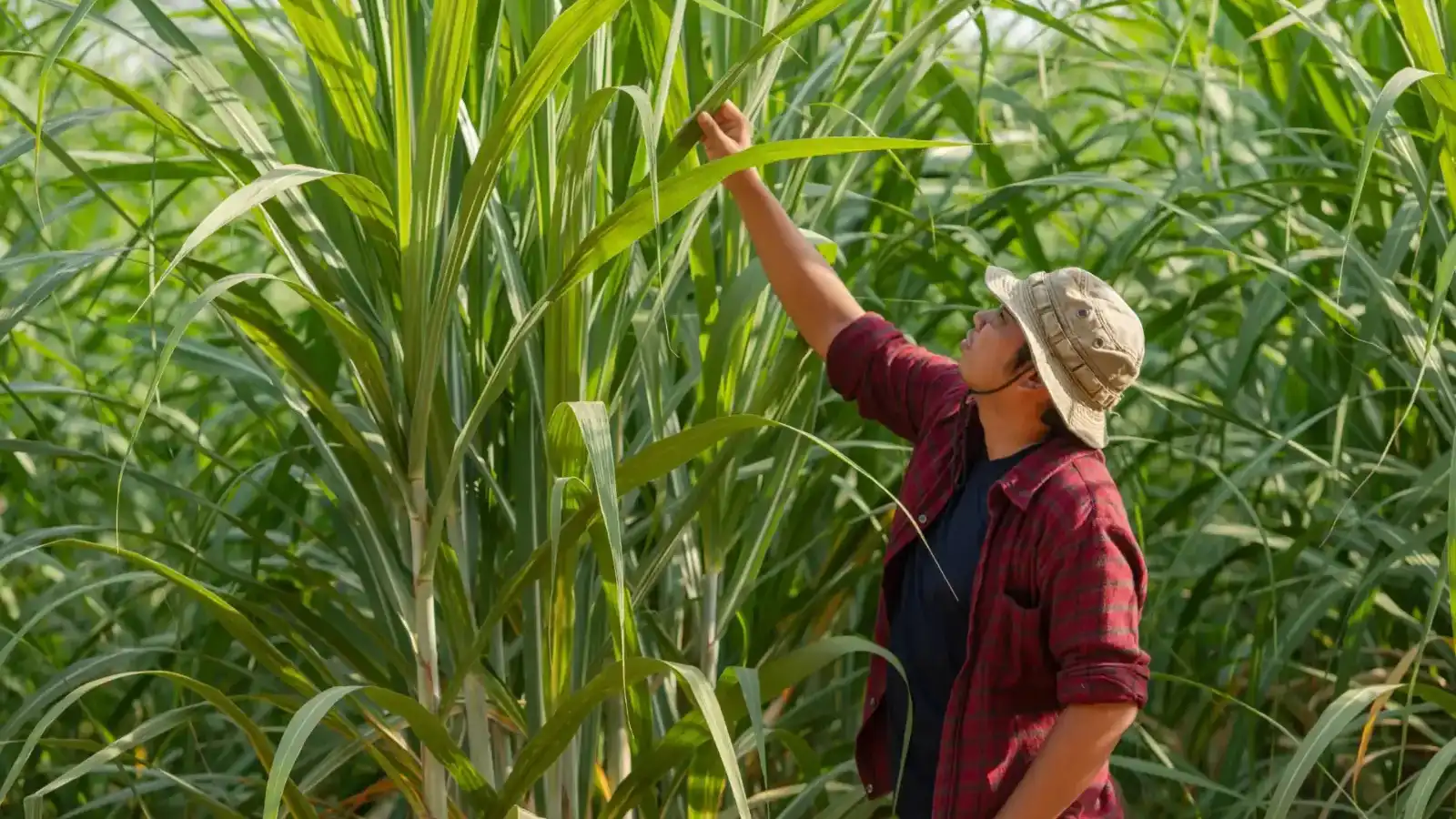
Sugarcane tours near Nadi offer a unique window into Fiji’s most influential agricultural industry—one that shaped the country’s demographics, economy, and cultural landscape. These experiences blend agricultural learning (cultivation, harvesting, processing), colonial history (indentured labor bringing 60,000+ Indians to Fiji), and contemporary realities facing farming communities today. Visitors gain insight into the sugarcane growing cycle, the formation of Indo-Fijian rural culture, land-tenure challenges, and the industry’s ongoing struggle with global market pressures and climate change. This guide introduces the origins of Fiji’s sugar industry, modern farming practices, available tours near Nadi, and the complex social stories still shaping life in Fiji’s cane belt.
Sugar Industry • Colonial History • Agricultural Tours • Indo-Fijian Heritage • Farm Visits
Historical Context: Colonial Sugar Industry and Indentured Labor
Origins of Fiji's Sugar Economy
Fiji's sugar industry began shortly after British annexation (1874)—colonial administrators recognizing sugarcane's commercial potential given: Tropical climate ideal for cultivation, abundant land available for plantation agriculture (indigenous iTaukei land appropriated through colonial legal mechanisms), and proximity to Australian/New Zealand markets demanding sugar. Australian Colonial Sugar Refining Company (CSR) established first commercial operations 1882, constructing mills and extensive plantation infrastructure transforming Fiji into sugar-exporting colony integrated into British Empire's global commodity networks.
Labor shortage immediately emerged—indigenous iTaukei population decimated by introduced diseases (measles, influenza reducing population ~50% early colonial period), traditional communal land tenure systems incompatible with plantation wage labor, and cultural practices emphasizing subsistence rather than commercial agriculture. Colonial authorities attempted various labor solutions: Blackbirding (kidnapping Pacific Islanders—practiced briefly then outlawed due to international pressure), recruiting indigenous Fijians (largely unsuccessful—cultural resistance, high mortality rates plantation conditions), before implementing indentured labor system importing workers from British India.
Girmit: The Indentured Labor System
Sugar Industry's Economic Dominance
Sugar became Fiji's economic backbone—by 1970 independence, sugar exports comprised ~70% foreign exchange earnings, employed ~20% workforce directly (farmers, mill workers, transport), and supported additional ~30% indirectly (shops serving cane areas, services, manufacturing). Western Viti Levu (Ba, Rakiraki, Lautoka areas) and Northern Division (Labasa) transformed into vast cane fields—landscape of green rows stretching horizons, punctuated by mill towns, farming villages, narrow-gauge railway transporting cane. Economic dependence created vulnerability—sugar price fluctuations international markets directly impacted national economy, periodic droughts or cyclones devastating harvests threatened livelihoods thousands, and colonial-era infrastructure (aging mills, inefficient production) increasingly uncompetitive globally.
Sugarcane Agriculture: Cultivation and Harvest
Growing Cycle and Agricultural Practices
Planting Through Harvest
From Field to Mill: Processing Overview
Transport and Delivery
Historical cane trains: Colonial era utilized extensive narrow-gauge railway networks—steam locomotives pulling cane wagons from fields to mills. Iconic aspect of Fiji's sugar industry—locomotives traversing cane fields, bridges, through villages. Most railway systems dismantled post-independence (expensive maintaining infrastructure, trucks more flexible). Some heritage sections preserved (Coral Coast railway—tourist attraction showcasing historical transport).
Contemporary trucking: Farmers now deliver cane to mills via: Private trucks (farmers owning transport), contractors (haulers providing services for fees), or cooperative arrangements (pooling resources). Time-sensitive—cut cane must reach mill within 24-36 hours (sugar content deteriorates rapidly as cane dries, ferments). Weigh stations at mill entrances record tonnage (payment basis), sample cane testing sugar content (quality premiums incentivizing higher-sucrose cane).
Delivery challenges: Harvest season bottlenecks—too much cane arriving simultaneously overwhelms mill capacity, creating queues (farmers waiting hours or days unloading). Poor rural roads (muddy, potholed during wet weather) complicate transport. Fuel costs significant expense for small farmers (eroding profit margins).
Mill Processing
Crushing and juice extraction: Mills operate 24/7 during crushing season (June-December)—continuous processing maximizing efficiency. Process: Cane fed into shredders (breaking stalks into small pieces), passed through series of roller mills (crushing extracting juice—70-75% extraction rate typical), leaving fibrous residue (bagasse—used as boiler fuel generating electricity powering mill).
Sugar crystallization: Extracted juice (contains 10-15% sucrose plus water, impurities) undergoes: Clarification (heating, adding lime removing suspended solids), evaporation (multiple-effect evaporators concentrating juice into thick syrup), boiling (vacuum pans crystallizing sugar from syrup), and centrifuging (separating sugar crystals from molasses—liquid byproduct). Final raw sugar (golden brown crystals) bagged for export (refineries overseas producing white sugar) or sometimes refined locally.
Fiji Sugar Corporation: Government-owned entity operating four mills (Lautoka, Ba, Rakiraki, Labasa)—monopoly processor all Fiji cane. Chronic financial problems (aging infrastructure, inefficiency, political interference, debt) plaguing FSC for decades—occasional threats of closure creating farmer anxiety about alternative markets.
Contemporary Industry Challenges and Decline
Economic and Structural Problems
| Challenge Category | Specific Issues | Impact on Farmers | Industry Response |
|---|---|---|---|
| Global Market Changes | EU preferential pricing ended (2010s), world sugar prices collapsed, competition from efficient producers (Brazil, Australia) | Payment per ton dropped 40-50%, making farming unprofitable for many | Seeking alternative markets (China, New Zealand), diversification into ethanol production |
| Land Tenure Insecurity | Leases on iTaukei land expiring, renewals uncertain or refused, political tensions over land | Cannot invest long-term (irrigation, machinery) without secure tenure, some farmers displaced | Government mediation (limited success), some farmers switching to crops on shorter rotations |
| Climate Change | Intensifying cyclones, prolonged droughts, unpredictable rainfall, saltwater intrusion coastal areas | Crop losses from weather events, reduced yields from climate stress, increased production costs | Drought-resistant varieties research, cyclone damage relief programs (inconsistent funding) |
| Aging Farmer Population | Young people abandoning farming for urban employment, education opportunities, emigration | Labor shortages (especially harvest), knowledge loss as elderly farmers retire without successors | Youth training programs (limited uptake—farming unattractive compared to alternatives) |
Industry Decline Statistics
- Production collapse: Peak production 505,000 tons sugar (1994) → ~150,000-180,000 tons currently (2020s)—70% decline over three decades. Cane production fallen from 4+ million tons to ~1.5-2 million tons.
- Farm abandonment: Active cane farmers declined from ~23,000 (1990s) to ~12,000-14,000 (2020s)—nearly half exiting industry. Thousands of hectares formerly planted now fallow, reverting to bush, or converted to other uses.
- Economic contribution: Sugar's share of GDP dropped from 20-25% (1980s-90s) to ~3-5% currently—reflects both industry decline and economy diversification (tourism, services growing). Foreign exchange contribution similarly plummeted.
- Employment losses: Direct employment fallen 60-70%—mill closures (Penang Mill closed 2006), mechanization reducing labor needs, farm abandonment. Rural communities devastated by economic decline—shops closing, schools losing students, social fabric fraying.
- Mill sustainability: Remaining four mills operating below capacity (30-50% utilization)—inefficient, unprofitable, requiring government subsidies survival. Frequent proposals consolidating to 2-3 mills meeting political resistance (job losses, community impacts).
Available Sugarcane Tours Near Nadi
Tour Options and Accessibility
| Tour Type | Description | What's Included | Booking & Cost |
|---|---|---|---|
| Working Farm Visits | Visit operating cane farm, meet farming family, walk through fields, observe/participate in farm activities | Field walk, sugarcane tasting, farmer stories about history/challenges, refreshments (often Indo-Fijian tea/snacks) | Arrange through hotels or tour operators, FJ$40-80 per person, 2-3 hours, advance booking essential |
| Lautoka Sugar Mill Tours | Industrial tourism—see sugar processing from cane delivery through finished product (crushing season only: June-December) | Mill operations observation, processing explanation, sugar industry history, sometimes sugar sampling | Contact Fiji Sugar Corporation directly, FJ$30-50, weekday tours during crushing season, safety restrictions apply |
| Agricultural Heritage Tours | Combined cane fields + historical context—visit old plantation sites, colonial-era buildings, Indo-Fijian cultural elements | Multiple farm visits, historical narration, Indo-Fijian meal, possible temple visit, cultural performances | Full day tours through cultural tourism operators, FJ$120-180, includes transport/meals, 6-8 hours |
| Volunteer Farm Work | Hands-on participation—harvest activities (when season), weeding, planting assistance (educational exchange) | Physical farm work, lunch with farmer family, authentic experience understanding labor demands | Arrange through community farming programs, FJ$50-100 donation, half or full day |
Tour Booking Information
Finding tours: Sugarcane tours less standardized than other tourist activities—not pre-packaged experiences available at every hotel. Instead: Contact hotels' tour desks (they often know farmers willing hosting visitors), reach out to cultural tourism organizations (websites, social media), inquire at Tourism Fiji office (Nadi airport or downtown), or approach farmers directly (driving past cane fields—farms with roadside stalls sometimes receptive to visitor inquiries if approached respectfully).
Best timing: Harvest season (June-December): Most active period—actually seeing cane cutting, loading, transport, mill operations. Green fields, bustling activity, full agricultural experience. However, farmers busiest (may have less time extensive tours). Growing season (January-May): Quieter period—farmers less time-pressed, more available for conversations, explaining cultivation practices. Cane growing but not harvest drama. Choose based on priorities: active harvest excitement versus leisurely educational interaction.
What to Expect During Farm Tours
Typical Tour Experience
Field Visit Structure
Safety and Practical Considerations
What to Wear and Bring
Protective clothing: Long pants (jeans, cargo pants—protecting legs from sharp cane leaves which can cause cuts), long-sleeve shirt (sun protection, scratch protection), sturdy closed-toe shoes or boots (sandals/flip-flops inadequate—uneven ground, potential for snake encounters, sharp stubble post-harvest fields). Hat with brim (sun protection—fields offer zero shade), sunglasses.
Essential supplies: Water (bring 1-2 liters—tropical heat, exposed field conditions, minimal shade), sunscreen (reapply during tour), insect repellent (mosquitos, flies common especially near irrigation or standing water), hand sanitizer (handling equipment, materials, before eating/drinking), and basic first aid (band-aids for minor cuts, antihistamine for insect bites).
Camera considerations: Photos welcome (ask permission before photographing people), but protect equipment—dust, dirt, moisture can damage electronics. Consider: Phone in ziplock bag, simple point-and-shoot versus expensive DSLR, or waterproof camera if expecting wet conditions.
Safety Concerns
Physical hazards: Sharp cane leaves (can cause paper-cut-like injuries), uneven terrain (tripping hazards especially furrows), sharp tools (knives, machinery—observe from safe distance), and heat exhaustion (tropical sun, limited shade, physical exertion walking fields). Stay with guide, follow instructions, pace yourself, hydrate frequently.
Wildlife encounters: Snakes occasionally in cane fields (Fiji has few venomous species but all snakes potentially threatening to inexperienced). Other wildlife: Rats (common cane fields—crop pests but avoid humans), insects (ants, wasps, bees—observe nests avoiding disturbing), birds (harmless though swooping during nesting season). Farmer guides experienced managing wildlife—trust their guidance.
Health precautions: Avoid tours if: Recent illness (physical demands may be taxing), severe allergies (limited medical access rural areas), mobility issues (uneven terrain difficult wheelchairs, walkers), or heat sensitivity (exposure unavoidable). Inform farmers of health concerns beforehand enabling appropriate accommodations or alternative arrangements. Combine educational farm tours with evening wildlife observation—flying foxes often emerge from trees near cane fields at sunset creating memorable natural spectacle.
Frequently Asked Questions
Is it appropriate for tourists to visit working sugarcane farms?
Yes, when approached respectfully. Many farmers welcome visitors for additional income, sharing cultural heritage, and human connection. Appropriate approach: Advance arrangements (spontaneous intrusion inappropriate), genuine educational interest, fair compensation, reciprocal conversation. Avoid: Poverty tourism narratives, exploitative photography. Recognize farmers as knowledge holders facing systemic challenges, not individual deficiencies. Cultural etiquette: Remove shoes entering homes, accept offered refreshments, dress modestly, express appreciation genuinely. Timing: Harvest season (busiest but most active), growing season (quieter, more conversation time). Purchase farm products if available and recommend farmers to others seeking tours.
What is the land tenure situation and how does it affect farming?
Complex and contentious. ~87% of Fiji's land communally owned by indigenous iTaukei (inalienable). Indo-Fijian farmers (descendants of indentured laborers) lease land through Native Land Trust Board—typically 30-year leases. Contemporary crisis: Many leases expiring—renewals politically contentious. Some landowners refuse renewals or demand unaffordable rents, displacing thousands of farmers. Investment disincentives: Without secure tenure, farmers hesitate investing in improvements, machinery, or diversification. Political dimensions: Land intertwined with ethnic politics—iTaukei nationalists wanting land returned, Indo-Fijians seeking secure tenure after generations of farming. Coups (1987, 2000, 2006) partially motivated by land anxieties. Tourist awareness: Understanding land tenure essential contextualizing farmers' stories—economic struggles intertwined with political marginalization. Be sensitive to political nature, acknowledge multiple perspectives, respect farmers' lived experiences.
How has climate change affected sugarcane farming?
Significant and worsening impacts. Cyclone intensification: Category 4-5 cyclones increasingly frequent—Cyclone Winston (2016) devastated cane areas. Recovery takes 12-18 months. Insurance inadequate/unavailable. Droughts: El Niño events producing extended droughts (2015-16, 2019-20 severe)—stunted growth, reduced yields, potential crop failure. Rainfall unpredictability: Traditional planting calendars no longer accurate—late rains, dry spells, excessive flooding. Farmers losing traditional knowledge advantage. Saltwater intrusion: Sea level rise contaminating groundwater, depositing salt on coastal fields—sugarcane salt-sensitive. Adaptation strategies: Drought/salt-tolerant variety research, adjusted planting times, organic matter additions, improved drainage—but funding limited, implementation constrained by economic realities and tenure insecurity. Climate change accelerating industry decline alongside market and political factors.
Can tourists participate in actual sugarcane harvesting?
Possible but requires special arrangements. Some farms allow tourist participation—educational/cultural exchange, not free labor exploitation. Typically involves: Half/full-day participation (mornings cooler), instruction on cutting technique (safety essential), supervised work, appropriate compensation (FJ$50-100). Physical demands: Brutal work requiring significant fitness, heat tolerance, injury tolerance. Not suitable for those with back/knee problems, heart conditions, heat sensitivity. Many tourists exhausted within 30 minutes. Safety risks: Sharp knives, repetitive strain, heat stroke, wildlife encounters. Alternatives to cutting: Gathering/bundling, loading assistance, field clearing—authentic experience without extreme hazards. Ethical considerations: Genuine cultural exchange (not poverty tourism), fair compensation, respectful of workers' skill and dignity. Finding opportunities: Arrange through community farming organizations, individual farmer relationships, or cultural tourism operators. Requires advance planning, harvest season timing (June-December), physical preparation.
What is the future of Fiji's sugar industry?
Uncertain with pessimistic trends. Continued decline likely: Global market competitiveness issues, structural problems unresolved, climate impacts worsening, land tenure insecurity persisting. Projections: Production stabilizing at 100,000-150,000 tons (vs. historical 500,000+), further farm abandonments, possible mill closures (4 mills to 2-3), declining rural populations. Diversification strategies: Ethanol production (pilot projects, commercial viability unproven), value-added products (specialty sugars, rum), crop diversification to vegetables/ginger/dalo—discussed at community farming initiatives. Revival scenarios: Policy reform (land tenure, FSC restructuring, market development), climate adaptation success, sugar price recovery—all politically/economically challenging. Social impact: Industry decline represents loss of traditional livelihoods, displacement, cultural landscape erosion—but also opportunities for community reinvention, diversified agriculture, breaking monoculture dependence. Tourist perspective: Visiting farms offers witnessing industry at historical inflection point—documenting practices before they disappear, supporting transition, understanding global economic forces' local impacts.
How can tourists support sugarcane farming communities responsibly?
Multiple meaningful actions: Economic support: Pay fair tour prices (don't haggle), purchase farm products, buy Fiji sugar souvenirs, tip generously (FJ$10-20). Educational engagement: Approach as learning opportunities, ask thoughtful questions, listen to farmers' perspectives, educate yourself beforehand. Respectful representation: Share experiences sensitively—avoid poverty tourism narratives or romanticization. Present complexity, systemic challenges, resilience, structural issues versus individual shortcomings. Advocacy: Challenge misconceptions, support sustainable agriculture policies, raise climate impact awareness, promote responsible tourism. Long-term connections: Maintain relationships if friendships develop, provide professional assistance if relevant expertise, connect farmers to resources, return visits if possible. Broader support: Patronize businesses supporting farmers, support agricultural research/climate adaptation programs, recognize interconnections to colonial exploitation, labor migration, agricultural sustainability, climate justice. Avoid: Poverty tourism, unsolicited advice, broken promises, extractive storytelling without compensation. Realistic expectations: Individual actions have limited impact—systemic problems require policy changes—but collective responsible tourism creates meaningful support.
Are there other agricultural tours available near Nadi besides sugarcane?
Yes—diverse agricultural experiences: Organic farming cooperatives: Vegetables, herbs, tropical fruits using organic/sustainable methods—discussed at community farming guide. Hands-on permaculture, food security learning. Pineapple plantations: Sigatoka area (45-min drive)—cultivation, harvesting, export packing tours. Tropical fruit farms: Papaya, mango, breadfruit, coconut, citrus—tasting experiences, preparation methods, cultivation challenges. Livestock operations: Dairy, goat, chicken farms—animal husbandry in tropical climates. Fishing/aquaculture: Village tours, shrimp/fish farming, seaweed cultivation. Spice/herb gardens: Ginger, turmeric, vanilla—cultivation, processing, value-added products with cooking demonstrations. Recommendations: History enthusiasts → sugarcane (colonial legacy, Indo-Fijian heritage); sustainability-minded → organic cooperatives; food lovers → fruit/spice farms; comprehensive learners → multiple farm types. Agricultural tourism provides authentic cultural engagement, economic support for rural communities, understanding food production systems.
Sugarcane Farm Tour Preparation Checklist
Before Tour:
- Book 3-7 days advance (farmer availability, scheduling)
- Clarify: Duration, activities, physical demands, cost
- Research basic sugar industry history (informed questions)
- Check weather forecast (reschedule if heavy rain)
- Arrange reliable transportation (rural locations)
- Bring sufficient cash (no cards accepted rural areas)
What to Wear/Bring:
- Long pants and long-sleeve shirt (protection)
- Sturdy closed-toe shoes or boots (no sandals)
- Hat with brim and sunglasses
- Water bottle (1-2 liters), sunscreen, insect repellent
- Camera (ask permission before photographing)
- Hand sanitizer and basic first aid supplies
During Tour:
- Listen to safety instructions carefully
- Stay with guide (don't wander off independently)
- Pace yourself (tropical heat, physical demands)
- Ask respectful questions about farming life
- Accept offered hospitality (refreshments, rest breaks)
- Purchase farm products if available (supporting income)
Cultural Respect:
- Recognize complex history (indentured labor legacy)
- Avoid poverty tourism narratives/photographs
- Show genuine interest in agricultural knowledge
- Respect farmers' time and expertise
- Leave positive reviews (online visibility support)
- Consider long-term support/connections
Green Gold and Complex Legacies
Sugarcane field tours near Nadi offer more than agricultural education—providing windows into Fiji's complex colonial history, Indo-Fijian community resilience, contemporary economic struggles, and uncertain agricultural futures shaped by global markets, climate change, and political tensions. Walking among tall green cane rows connects visitors to: Indentured laborers' brutal experiences transforming Fiji's demographics and creating distinctive cultural landscape; generations of farming families maintaining agricultural traditions despite economic marginalization; ongoing debates about land ownership, indigenous rights, and immigrant community belonging; and broader questions about sustainable agriculture, food sovereignty, and rural livelihoods in globalized economy. Each farmer's story embodies these larger themes while remaining irreducibly personal—individual dreams, hardships, adaptations representing collective historical and contemporary experiences.
Engaging meaningfully with sugar industry requires approaching with humility and historical awareness—recognizing visitors' privilege observing hardships they don't share, appreciating knowledge and resilience required sustaining farming livelihoods amid systemic obstacles, understanding that agricultural tourism can either support or exploit communities depending on practices employed, and acknowledging tourism's limitations addressing structural problems while still valuing individual connections and economic contributions. Support farming communities through: Fair compensation for educational experiences, purchasing authentic products directly from farmers, sharing stories accurately highlighting both struggles and agency, advocating for policies supporting small-scale agriculture and climate adaptation, and maintaining respectful relationships recognizing farmers as complex individuals rather than cultural curiosities. As sugar industry potentially contracts toward irrelevance, agricultural tourism documenting traditional practices, supporting transitioning communities, and honoring century-plus of Indo-Fijian farming heritage shaping modern Fiji becomes increasingly valuable. Vinaka for engaging thoughtfully with Fiji's agricultural heritage and supporting the remarkable farming families preserving knowledge, maintaining resilience, and adapting creatively to challenges threatening their livelihoods and cultural identities.