My Suva Picnic Park: A Practical Visitor Guide
Last updated and fact-checked:
My Suva Picnic Park is a public recreation space on the seaward side of Queen Elizabeth Drive. It is best suited to a picnic, family time, a short waterfront break or the end of a daytime walk. It is not a resort beach or a major sightseeing attraction, and that is part of its appeal. Come with food, water and a simple plan, then enjoy it as Suva residents do: as an everyday place to spend time outdoors.
Queen Elizabeth Drive • Picnics • Families • Waterfront • Daylight Visit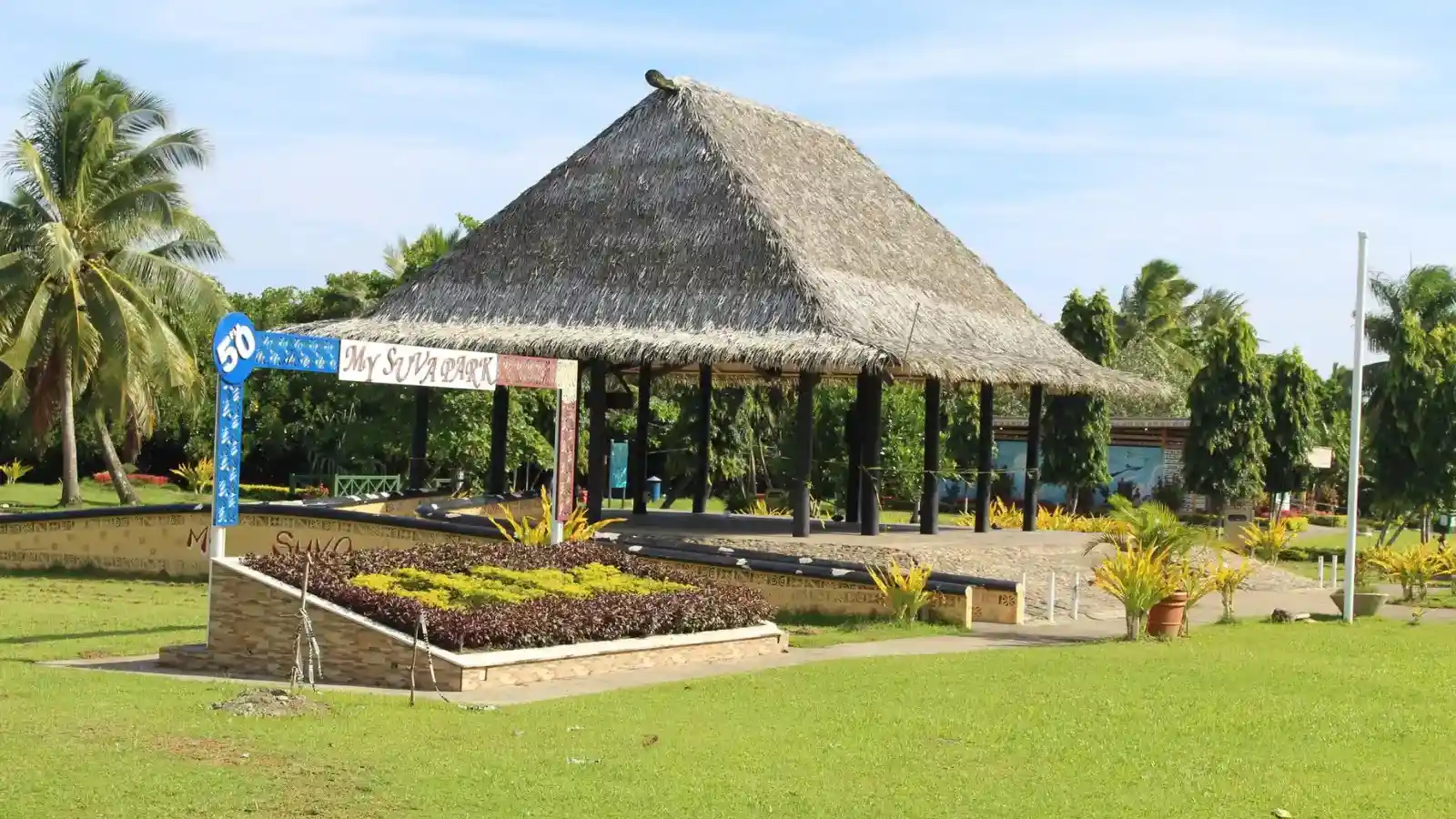
Check the practical details before you go
Opening times and facility access can change. Plan a daylight visit, follow signs and staff instructions, and bring the essentials rather than relying on a toilet, food vendor, BBQ or a particular piece of play equipment being available.
| Plan | Practical answer |
|---|---|
| Location | Seaward side of Queen Elizabeth Drive in Suva |
| Best for | Picnics, family time, open-air relaxation and a short waterfront stop |
| Time needed | About 45 to 90 minutes for a short visit, longer if you bring a picnic |
| Hours | Visit in daylight and follow the opening information posted at the park |
| Admission | Public park access; check posted notices for special events or reserved-area rules |
| Bring | Water, food, a picnic mat, sun and rain protection, and a bag for your rubbish |
Why visit My Suva Picnic Park?
The park is useful when you want a low-key break from traffic, shops and indoor attractions. Open lawns and the waterfront setting give families and groups room to sit together, eat and spend time outside. It is also a sensible stop for travelers staying in Suva who want a relaxed activity without booking a tour.
Keep your expectations grounded. This is a city recreation space, not a polished botanical garden or a beach club. The experience depends on the weather, maintenance and how busy the park is. A picnic or short walk gives the visit a purpose; arriving only to tick off an attraction may feel underwhelming.
How the park began
My Suva Picnic Park was launched on 7 November 2013 as a Suva City Council recreation project on the seaward side of Queen Elizabeth Drive. Contemporary reports put the project cost at about FJ$1.3 million and described it as a place for people of different ages to relax, exercise and gather with their families.
The original plan included play and exercise equipment, an entertainment bure, BBQ facilities, car parks, lighting, security and cleaning. Those details explain the park's purpose, but they should not be read as a live inventory. Equipment, access and maintenance can change, so check the condition of anything important to your visit when you arrive.
Things to do at My Suva Picnic Park
Bring a picnic
This is the clearest reason to visit. Bring food, drinking water and a mat rather than assuming a vendor or table will be available. If you are already in central Suva, the Suva Municipal Market can be a useful place to buy fruit before taking transport to the park.
Take a short waterfront walk
Use the park as a starting point or turnaround for a walk along Queen Elizabeth Drive. Choose a distance that leaves enough daylight and energy for the return. The separate Seawall guide covers the longer route, surfaces and current planning cautions.
Give children space to play
The park was designed for family recreation and originally included children's play equipment. Check the equipment before use, keep children within sight and supervise them closely near roads, drains and the waterfront edge.
Pause during a Suva day
A bench, shaded patch or picnic mat can make this an easy rest stop. It works better as part of a relaxed day than as the only reason to cross the city, especially for a first-time visitor with limited time.
Facilities: what you can and cannot rely on
Historical descriptions of the park mention car parks, play and exercise equipment, BBQ facilities, lighting, security and cleaners. Older local reporting also referred to toilets and rubbish bins. These sources are useful for understanding how the park was built, but they do not confirm that every facility is open, clean or usable on the day of your visit.
Use a toilet before leaving your accommodation or another reliable venue, carry your own water and take all rubbish with you if bins are full. If a working BBQ, reserved space, step-free toilet or parking bay is essential, confirm it locally before organizing the outing.
Best time to visit and weather planning
Morning and late afternoon are generally more comfortable than the middle of the day, when heat and sun can make an open waterfront stop tiring. Weekends and public holidays may bring more families and group gatherings. If you prefer a quieter visit, choose a normal weekday and keep the outing flexible.
Suva is wet and humid, and a shower can change picnic conditions quickly. Check the Fiji Meteorological Service before leaving, bring light rain protection and avoid exposed waterfront areas during thunderstorms, strong wind or an official warning. Posted closures and local instructions always take priority over an online guide.
Getting to My Suva Picnic Park
The park is on Queen Elizabeth Drive, on the waterfront side of the road. For most visitors, a taxi or arranged ride is the simplest option because it avoids guessing the correct bus stop and leaves more time for the park. Ask the driver for My Suva Picnic Park, not simply "the Seawall," because the waterfront covers several sections.
Bus routes, stops and fares can change, so ask your accommodation or a local contact for the current option before boarding. If you plan to arrive on foot as part of a longer waterfront walk, map your turnaround in advance and allow enough daylight for the complete route. Do not use an old taxi fare or walking time as a fixed promise.
Safety at the park and waterfront
- Visit during daylight and favor areas where other families or walkers are present.
- Keep phones, cameras and bags with you. Do not leave valuables visible in a parked vehicle.
- Watch children closely near the road, drains, water and any damaged or wet equipment.
- Do not walk onto slippery rocks, mud or an exposed shoreline for a photograph.
- Treat the park as a waterfront picnic area, not as a verified swimming beach.
The U.S. Department of State records past assaults and robberies around Suva's waterfront and seawall during hours of darkness and advises considering door-to-door transportation. Finish before dark and use a taxi or arranged ride if your timing slips. FijiEco's Suva night safety guide explains the wider city advice without repeating it here.
Accessibility and visiting with children
The park was created for public recreation across age groups, and parts of the site are open and relatively flat. That does not guarantee a continuous step-free route. Kerbs, drainage, uneven ground, wet grass, maintenance work and the distance from a parking space can all affect access.
Travelers who need a step-free toilet, a firm path or close vehicle access should confirm those details locally. Families should inspect play equipment before use and bring a backup activity in case a section is wet, crowded or unavailable.
What to bring
- Drinking water and your picnic food
- A mat or lightweight ground cover
- Hat, sunscreen and light rain protection
- Hand sanitizer or wipes
- A reusable bag for leftovers and rubbish
- A charged phone and your return transport plan
Combine the park with the Suva Seawall
My Suva Picnic Park can work as an endpoint or rest stop on a longer waterfront walk, but the park and the Seawall answer different travel questions. This page helps you plan the picnic park itself. The Suva Seawall walking guide covers route choices, turnaround planning, surfaces, facilities and waterfront safety.
For a simple outing, take transport to the park, spend an hour there and add only a short out-and-back walk. If you want a longer exercise route, read the Seawall guide first and arrange the return before setting out.
Traveler questions
Is My Suva Picnic Park free?
It was developed as a public recreation space. Check signs on arrival because organized events or reserved facilities may operate under separate rules.
What are the opening hours?
Plan to visit in daylight and follow the hours posted at the park. Confirm locally if you need to arrive early or leave late, and do not assume that an old online listing is still correct.
Are toilets and BBQ facilities available?
Both were associated with the original park, but their current condition and availability could not be confirmed. Do not make either facility essential to your plan without checking locally.
Is it a good place for children?
The park was designed for family recreation and originally included children's equipment. Adults should inspect equipment first and supervise children near the waterfront, road and drainage areas.
Can you swim at My Suva Picnic Park?
FijiEco does not recommend planning this as a swimming stop. It is a waterfront recreation space rather than a designated visitor swimming beach.
Is it worth visiting?
Yes, if you want a picnic, a family break or a quiet waterfront stop. If your time in Suva is very limited and you want history or museum collections, prioritize central attractions and treat the park as optional.
Sources and verification
Sources verified for this update.
- World Cities Summit city portrait: Suva City Council description of My Suva Picnic Park
- Fiji Village: park opening, Queen Elizabeth Drive location and original facilities
- Suva City 2025 profile: council recreation assets
- FBC News: recent public holiday use of My Suva Picnic Park and Nasese Foreshore
- Asco Motors Fiji: 2026 community clean-up at My Suva Picnic Park
- U.S. Department of State: Fiji safety and Suva waterfront guidance
- Fiji Meteorological Service: current alerts and warnings