Sacred Sites & Temples Tour: Journey Through Fiji's Spiritual Heart & Ancient Ceremonial Grounds
Embark on a profound spiritual journey through Fiji's most sacred temples, ancient ceremonial sites, and holy grounds where indigenous traditions blend harmoniously with Hindu, Christian, and Islamic heritage. Discover mystical locations where warriors once held sacred rituals, explore ornate Hindu temples adorned with intricate carvings, and witness centuries-old burial grounds that hold the spiritual essence of Fijian ancestors. These transformative tours offer deep cultural immersion, spiritual reflection, and respectful exploration of religious diversity that makes Fiji a unique crossroads of Pacific Island spirituality and world religions.
Spiritual Heritage Journey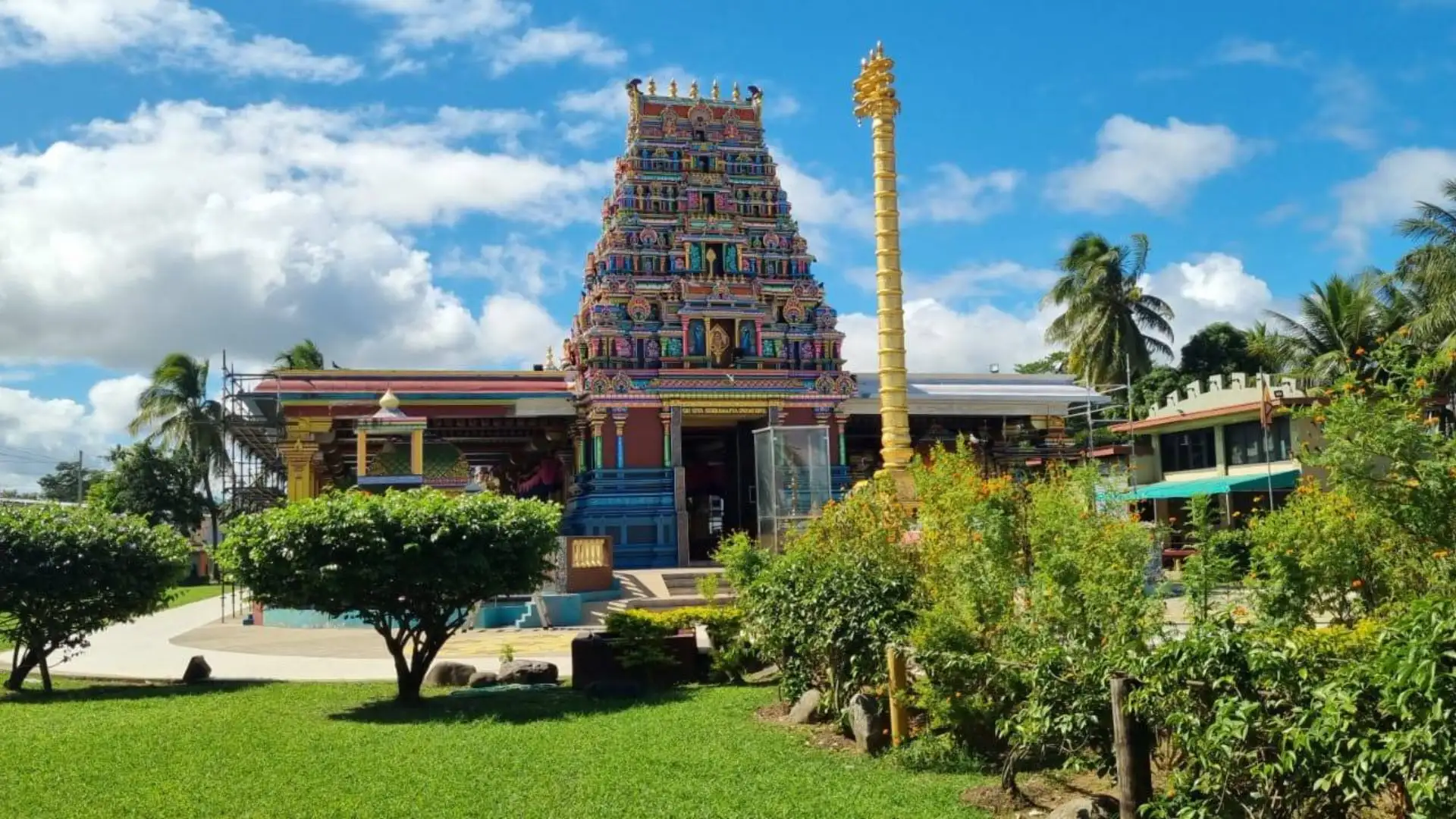
Fiji's Sacred Spiritual Landscape
Fiji's sacred sites represent a remarkable tapestry of spiritual traditions spanning over 3,000 years of human habitation, from ancient Polynesian ceremonial grounds to magnificent Hindu temples built by Indo-Fijian communities. These hallowed locations serve as living testimonies to the islands' complex cultural evolution, where indigenous beliefs, colonial influences, and immigrant traditions have created a unique spiritual landscape found nowhere else in the Pacific.
Sacred sites tours provide respectful access to locations that remain active centers of worship while offering profound insights into how different faith traditions have adapted to island life and influenced each other across generations of peaceful coexistence. Each site tells stories of migration, adaptation, cultural exchange, and spiritual resilience that define modern Fiji's remarkable religious diversity. For a deeper historical context, visit the Fiji Museum Cultural Center in Suva.
Where Ancient Spirits Meet Modern Faith
Fiji's sacred landscape uniquely preserves pre-Christian ceremonial sites alongside Hindu temples, Christian churches, and Islamic mosques, creating spiritual diversity that reflects the nation's multicultural heritage. Many locations demonstrate how traditional beliefs seamlessly integrate with introduced religions, offering visitors profound insights into cultural adaptation and religious tolerance.
Ancient Ceremonial Sites and Warrior Temples
Pre-Christian Fiji harbored numerous sacred ceremonial sites where warrior chiefs conducted elaborate rituals, ancestors received honor through traditional ceremonies, and spiritual leaders communicated with ancient gods. These powerful locations, often positioned on dramatic clifftops or secluded valleys, retain spiritual energy that visitors can still experience while learning about indigenous religious practices that predated European contact.
Visiting these sites, such as those in Navala Traditional Village, offers a glimpse into ancient Fijian spirituality and the enduring cultural practices that continue to shape community life.
⛰️ Navala Sacred Grove
Ancient ceremonial forest where traditional Fijian chiefs performed rituals among sacred trees believed to house ancestral spirits.
🏛️ Vunibaka Ceremonial Platform
Stone platform complex used for warrior initiation ceremonies and tribal gatherings overlooking traditional village sites.
🌊 Coastal Spirit Sites
Dramatic ocean-facing locations where ancient Fijians conducted sea blessing ceremonies and communicated with ocean spirits.
🗿 Ancestral Burial Grounds
Sacred resting places of ancient chiefs and warriors, marked by traditional stone cairns and ceremonial plantings.
Magnificent Hindu Temples
Indo-Fijian communities have created some of the Pacific's most spectacular Hindu temples, featuring intricate architectural details, vibrant religious artwork, and active worship practices that maintain connections to Indian spiritual traditions while adapting to island environments. These temples serve as cultural centers preserving Hindu festivals, classical music, traditional dance, and religious education for Fiji's significant Indo-Fijian population.
Temple visits provide insights into how Hindu practices have evolved in Pacific Island settings while maintaining essential spiritual elements that connect practitioners to thousands of years of religious tradition. Many temples welcome respectful visitors during appropriate times, offering cultural exchange opportunities that build understanding between different faith communities. For a vibrant cultural experience, time your visit with the Hindu Festivals in Fiji.
Sri Siva Subramaniya Temple
Nadi's spectacular Dravidian-style temple featuring elaborate colorful facades and traditional South Indian architecture.
Mariamman Temple
Suva's historic temple dedicated to the goddess of protection, featuring traditional fire-walking ceremonies during festivals.
Rural Village Temples
Intimate community temples in Indo-Fijian villages where traditional worship practices continue in authentic settings.
Christian Heritage Sites
Fiji's Christian heritage includes historic churches, mission stations, and religious sites that document the Pacific's complex relationship with European colonialism and religious conversion. Many locations preserve fascinating stories of cultural encounter, religious adaptation, and the ways indigenous communities integrated Christian beliefs with traditional spiritual practices.
Exploring these sites offers a window into Fiji’s colonial history and its impact on spiritual traditions, complementing visits to cultural hubs like Suva Capital Culture.
Historic Churches
Visit century-old stone churches built by early missionaries, featuring unique Pacific Island adaptations of European architecture.
Mission Stations
Explore preserved mission compounds that document early Christian presence and cultural exchange in Pacific societies.
Sacred Burial Sites
Respectfully visit historic cemeteries containing graves of missionaries, indigenous leaders, and community founders.
Islamic Heritage and Mosque Visits
Fiji's Muslim community, primarily descended from Indian immigrants, has established beautiful mosques that serve as centers for Islamic worship, education, and cultural preservation. These architecturally significant buildings demonstrate how Islamic traditions have adapted to Pacific Island environments while maintaining essential religious functions and community gathering spaces.
Respectful mosque visits during appropriate times offer insights into Islamic practices in Pacific contexts while building intercultural understanding through guided explanations of Islamic beliefs, architectural features, and community life in multicultural Fiji.
Sacred Natural Sites and Spirit Locations
Traditional Fijian spirituality recognizes numerous natural locations as sacred, including ancient trees, hidden caves, pristine waterfalls, and coastal formations where spirits are believed to reside. These sites remain important to indigenous communities while offering visitors profound connections to Pacific Island environmental spirituality and traditional ecological knowledge.
Visiting sacred natural sites, such as those near Taveuni Lavena Beach, provides a unique opportunity to connect with Fiji’s environmental spirituality while supporting sustainable tourism initiatives.
Sacred Banyan Trees
Ancient trees believed to house powerful spirits, where traditional offerings and ceremonies continue in village settings.
Spirit Caves
Hidden limestone caves traditionally used for spiritual retreats and communication with ancestral spirits.
Holy Waterfalls
Pristine waterfall sites where traditional blessing ceremonies and spiritual purification rituals take place.
Coastal Shrines
Ocean-facing ceremonial sites where fishermen make offerings for safe voyages and abundant catches.
Guided Tour Experience and Cultural Protocol
Sacred sites tours require knowledgeable guides who understand appropriate cultural protocols, religious sensitivities, and historical contexts that make visits respectful and meaningful. Expert guides provide essential insights into complex spiritual traditions while ensuring visitor behavior honors the sacred nature of these significant locations.
Tours typically span full days to allow adequate time for multiple site visits, cultural explanations, and respectful observation of any ongoing religious activities. Small group sizes ensure minimal disruption to active worship sites while allowing personalized attention to individual questions and interests. To prepare for respectful visits, review guidelines on how to Respect Local Customs.
Essential Cultural Protocols
- Modest dress requirements for all religious sites including covered shoulders and legs.
- Removal of shoes before entering temples, mosques, and certain traditional sites.
- Respectful silence during active religious ceremonies or prayer times.
- Photography restrictions and permission requirements for sacred locations.
- Understanding of appropriate offerings or donations where culturally expected.
- Guidance on respectful behavior around burial sites and ancestral locations.
Festival Timing and Special Ceremonies
Many sacred sites become especially vibrant during religious festivals when communities gather for elaborate celebrations, traditional ceremonies, and spiritual observances. Timing tours to coincide with festivals like Diwali, Easter, Holi, or traditional Fijian ceremonies provides extraordinary opportunities to witness living religious traditions in their most authentic expressions.
Festival participation requires careful planning and cultural sensitivity but offers unparalleled insights into how different faith communities celebrate their most important spiritual occasions while maintaining traditions in Pacific Island contexts. For an immersive cultural experience, consider joining a Kava Ceremony Experience to complement your festival visit.
Archaeological Significance and Historical Context
Many sacred sites contain significant archaeological evidence documenting thousands of years of human habitation, cultural development, and religious evolution throughout Fijian history. These locations provide tangible connections to pre-contact civilizations while demonstrating how spiritual practices have adapted to changing cultural circumstances.
To explore more of Fiji’s ancient history, consider visiting Levuka Historical Port Town, a UNESCO site with archaeological significance.
Ancient Pottery Sites
Archaeological locations containing Lapita pottery fragments dating back 3,000 years to original Pacific settlers.
Stone Circle Complexes
Mysterious circular stone arrangements whose original purposes remain debated by archaeologists and traditional historians.
Burial Mound Sites
Ancient burial complexes revealing sophisticated funeral practices and social hierarchies of pre-contact Fijian societies.
Spiritual and Wellness Benefits
Sacred sites tours provide profound spiritual experiences that many visitors describe as transformative, offering opportunities for meditation, reflection, and connection with spiritual traditions that transcend individual religious backgrounds. The peaceful environments and reverent atmospheres naturally encourage introspection and spiritual contemplation.
Many participants report lasting impressions from encounters with active spiritual communities, ancient sacred locations, and the tangible sense of peace that pervades well-maintained religious sites throughout Fiji's diverse spiritual landscape. For a complementary wellness experience, consider staying at an eco-friendly resort like Nanuku Resort.
Photography and Documentation Guidelines
Sacred sites require careful attention to photography restrictions and cultural sensitivities surrounding documentation of religious locations. Many sites welcome respectful photography while others maintain strict prohibitions, particularly during active ceremonies or in especially sacred areas.
Photography Protocol
- Always request permission before photographing religious buildings or ceremonial areas.
- Avoid photographing people in prayer or participating in religious ceremonies without explicit consent.
- Respect "no photography" signs and verbal restrictions from guides or religious officials.
- Use silent camera modes to avoid disrupting peaceful spiritual environments.
- Focus on architectural details rather than sacred objects or religious artifacts.
- Consider purchasing postcards or official photographs to support site maintenance instead of personal photography.
Best Tour Routes and Itineraries
Sacred sites tours can be customized based on visitor interests, physical abilities, and available time, with options ranging from half-day temple visits to multi-day spiritual journeys encompassing various religious traditions and remote ceremonial sites. Most tours combine multiple site types to provide comprehensive understanding of Fiji's spiritual diversity.
Nadi Spiritual Circuit
Full-day tour covering major Hindu temples, Christian churches, and nearby traditional sites accessible from Nadi area.
Suva Heritage Trail
Urban sacred sites tour including historic churches, mosques, temples, and cultural centers in the capital city.
Remote Sacred Journey
Multi-day expedition to ancient ceremonial sites in traditional villages requiring hiking and cultural protocol.
Island Spiritual Retreat
Peaceful tours combining sacred natural sites with meditation opportunities in pristine island environments.
Supporting Religious Communities
Sacred sites tourism provides essential support for religious communities maintaining historic temples, churches, and ceremonial grounds through donations, cultural exchange, and increased awareness of their spiritual traditions. Respectful tourism helps preserve these important cultural assets while building bridges between different faith communities.
Many religious sites operate on limited budgets and welcome appropriate donations that help maintain buildings, support community programs, and preserve religious artifacts for future generations while continuing active spiritual functions within their respective communities.
Seasonal Considerations and Best Visit Times
Sacred sites remain accessible year-round, though certain seasons offer enhanced experiences due to festival calendars, weather conditions, and ceremonial schedules. Dry season visits (May-October) provide optimal conditions for outdoor ceremonial sites while festival seasons offer unique opportunities to witness living religious traditions.
Optimal Visit Timing
- Dry Season (May-October): Best weather for outdoor sites and hiking to remote ceremonial locations.
- Festival Seasons: Diwali (October/November), Easter (March/April), and traditional Fijian ceremony times.
- Early Morning Tours: Cooler temperatures and peaceful atmospheres for contemplative site visits.
- Weekday Visits: Less crowded conditions at popular temples and religious sites.
- Sunset Times: Dramatic lighting at coastal ceremonial sites and temple complexes.
- Cultural Calendar Awareness: Avoiding visits during important religious observances requiring privacy.
Journey Through Sacred Landscapes
Sacred Sites & Temples Tours offer transformative journeys through Fiji's remarkable spiritual landscape, where ancient ceremonial grounds, magnificent Hindu temples, historic churches, and sacred natural sites create an unparalleled tapestry of religious diversity and cultural heritage. These respectful explorations provide profound insights into how different faith traditions have adapted to Pacific Island environments while maintaining essential spiritual elements that connect practitioners to thousands of years of religious wisdom. By participating in guided sacred sites tours, visitors gain deep appreciation for Fiji's multicultural harmony while supporting religious communities that preserve these invaluable spiritual treasures. Each tour creates opportunities for intercultural understanding, personal reflection, and meaningful encounters with living religious traditions that continue to enrich Fiji's contemporary society through the dedicated efforts of diverse faith communities who welcome respectful visitors to share in their spiritual heritage.