Traditional Music & Instruments: Experience the Rhythmic Soul of Fiji & Learn Ancient Musical Arts
Immerse yourself in the captivating world of traditional Fijian music through hands-on workshops where master musicians teach ancient rhythms, sacred chants, and time-honored instrumental techniques passed down through generations of Pacific Island performers. Discover the mesmerizing sounds of the lali drums, derua bamboo instruments, and traditional vocal harmonies that have accompanied ceremonies, celebrations, and storytelling for over 3,000 years. These authentic musical experiences combine cultural learning with active participation, allowing visitors to create their own traditional instruments, master basic rhythmic patterns, and join in communal singing that connects them to the heartbeat of Fijian cultural identity.
Rhythmic Cultural Heritage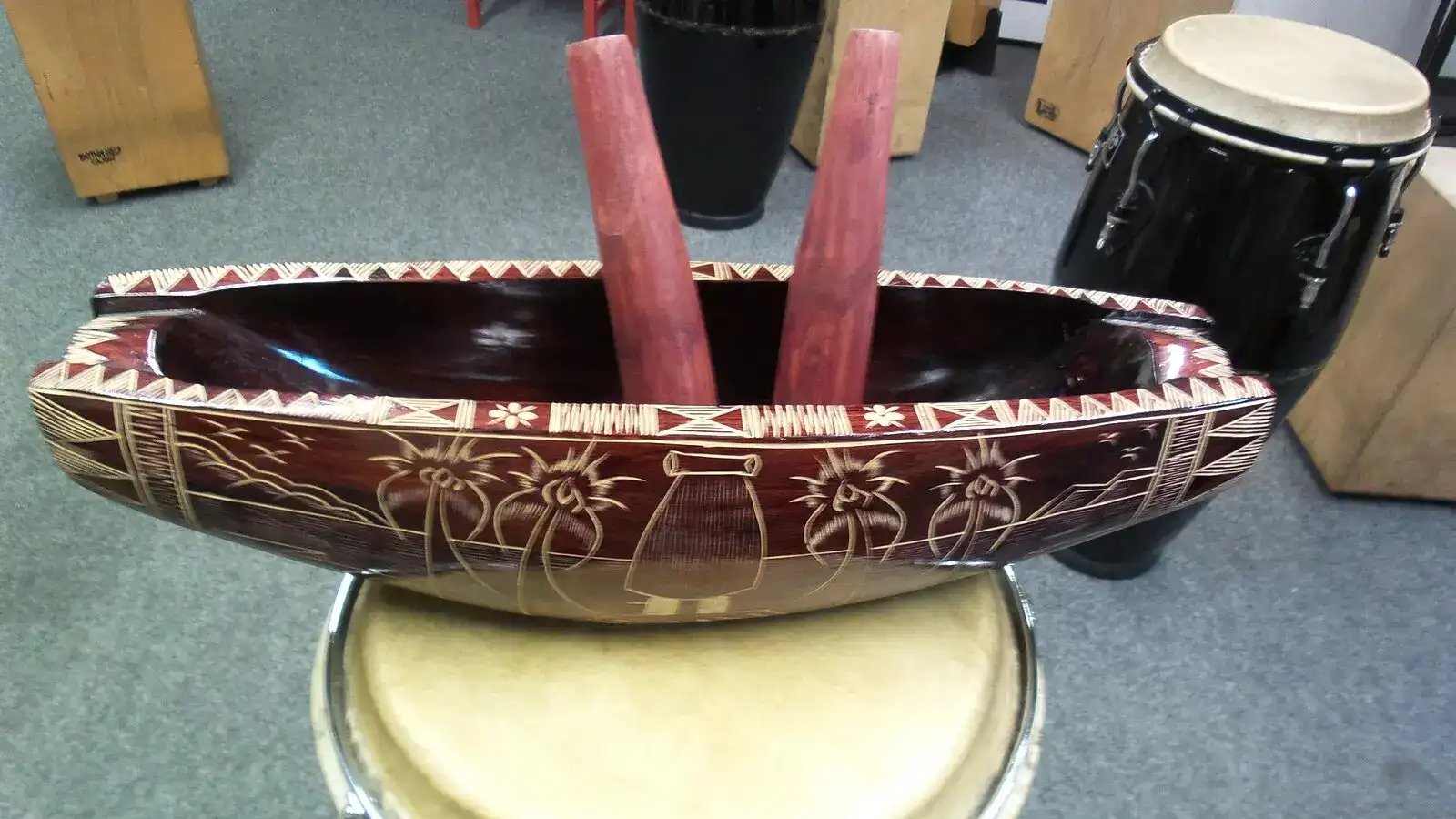
- Primary Instruments: Lali drums, Derua bamboo flutes, vocal chants
- Experience Type: Hands-on workshops, cultural immersion
- Best Locations: Navala Village, Taveuni, Pacific Harbour
- Duration: 2-hour intro to multi-day retreats
The Sacred Power of Fijian Music
Traditional Fijian music serves as the spiritual backbone of Pacific Island culture, providing sacred communication with ancestors, marking life transitions, coordinating community work, and preserving oral histories through melodic storytelling that predates written language. Each rhythm, chant, and instrumental pattern carries deep cultural significance that connects performers and listeners to thousands of years of indigenous wisdom and communal identity.
Music workshops offer rare opportunities to experience this profound cultural transmission through direct participation with master musicians who embody generations of traditional knowledge while adapting ancient practices to contemporary cultural preservation efforts. These immersive experiences reveal how music functions as living history, spiritual practice, and community bonding force within authentic Fijian society. Many visitors enhance their cultural understanding by exploring additional artifacts and historical collections at the renowned Fiji Museum Cultural Center in Suva, where musical traditions are preserved alongside other cultural treasures.
Music as Cultural DNA
Traditional Fijian music functions as cultural DNA, encoding historical events, genealogical records, agricultural knowledge, and spiritual beliefs within melodic patterns that ensure cultural continuity across generations. Each song tells stories, each rhythm marks time, and each instrument carries the voice of ancestors speaking to contemporary communities.
Sacred Lali Drums: The Heartbeat of Fiji
The lali drum represents Fiji's most iconic traditional instrument, carved from sacred hardwood trees using techniques passed down through generations of master craftsmen. These hollowed log drums produce deep, resonant tones that can communicate across vast distances, coordinate village activities, announce important events, and provide rhythmic foundations for ceremonial dances and traditional celebrations.
The most authentic lali drum workshops take place in traditional highland communities where these instruments remain central to daily life. Visitors seeking the complete traditional experience often journey to Navala Traditional Village, where ancient architectural styles provide the perfect backdrop for learning these timeless musical arts directly from master craftsmen who have inherited the sacred knowledge of drum construction and performance.
🥁 Sacred Construction
Lali drums are carved from specific hardwood species using traditional tools and blessed through ceremonial rituals before use.
📢 Village Communication
Different rhythmic patterns communicate specific messages across villages, from meal announcements to emergency alerts.
💃 Ceremonial Rhythms
Complex rhythmic patterns accompany traditional dances, marking tempo changes and dance movements with precision.
🌙 Spiritual Connection
Lali drums facilitate communication with ancestral spirits during religious ceremonies and traditional rituals.
Bamboo Instruments and Natural Music
Fiji's abundant bamboo forests provide materials for an extraordinary variety of traditional instruments including flutes, percussion instruments, and unique musical devices that showcase indigenous creativity in working with natural materials. These instruments demonstrate sophisticated understanding of acoustics, resonance, and tonal qualities that create hauntingly beautiful sounds perfect for meditation, storytelling, and spiritual ceremonies.
The island of Taveuni, known as Fiji's Garden Island, offers exceptional settings for bamboo instrument workshops surrounded by pristine rainforests where these materials naturally grow. Many workshops combine instrument crafting with nature walks through the lush landscapes near Taveuni's spectacular Lavena Beach, allowing participants to select their own bamboo while learning traditional harvesting methods that respect both the environment and cultural protocols governing the use of natural materials.
Derua Bamboo Flutes
Traditional end-blown flutes creating ethereal melodies for meditation and storytelling accompaniment.
Bamboo Percussion
Rhythmic instruments including bamboo clappers and stamping tubes for dance accompaniment.
Multi-tube Instruments
Complex bamboo arrangements creating harmonic tones and melodic sequences for ceremonial music.
Traditional Vocal Arts and Chanting
Fijian vocal traditions encompass sacred chants, work songs, lullabies, and epic narratives that preserve cultural knowledge while creating powerful communal experiences through group singing and call-and-response patterns. These vocal arts require specific breathing techniques, tonal control, and cultural understanding that workshop participants can learn through patient instruction from master vocalists.
Traditional vocal workshops often culminate in authentic ceremonial contexts where chanting and singing accompany sacred rituals. Many participants discover the profound spiritual dimensions of Fijian music by combining their vocal training with participation in the traditional Kava Ceremony Experience, where ancient chants create sacred atmosphere for this deeply meaningful cultural ritual that has bonded Fijian communities for countless generations.
Sacred Chants
Learn traditional ceremonial chants used for blessings, prayers, and spiritual communication with ancestors.
Work Songs
Discover rhythmic songs that coordinate community labor and make difficult tasks more enjoyable through music.
Storytelling Songs
Experience epic narratives preserved through musical storytelling that maintains oral history traditions.
Instrument Crafting Workshops
Hands-on instrument crafting workshops provide unforgettable experiences where participants create their own traditional Fijian instruments using authentic materials and time-tested construction techniques. These workshops combine practical craftsmanship with cultural education, allowing visitors to take home functional instruments infused with traditional knowledge and personal accomplishment.
Master craftsmen guide participants through material selection, tool use, construction methods, and finishing techniques while sharing stories about each instrument's cultural significance and proper usage within traditional contexts. The workshops accommodate various skill levels and time commitments while ensuring respectful engagement with traditional arts.
Material Selection
Learn to identify and prepare appropriate wood, bamboo, and natural materials for different instrument types.
Traditional Tools
Master the use of traditional carving and shaping tools designed specifically for instrument construction.
Acoustic Principles
Understand traditional knowledge about sound production, resonance, and tonal quality in handmade instruments.
Cultural Context
Learn appropriate uses, performance contexts, and cultural protocols for playing traditional instruments.
Master Musicians: Living Repositories of Sound
Workshop instructors represent generations of musical mastery, carrying forward oral traditions that exist nowhere else in written form while adapting ancient techniques to contemporary cultural preservation needs. These remarkable musicians often serve as cultural ambassadors, sharing their profound knowledge with respectful visitors while maintaining the sacred aspects of traditional performance.
Learning directly from master musicians provides access to subtle techniques, cultural stories, and performance nuances impossible to obtain through recordings or casual observation. Their teaching methods honor traditional learning approaches that emphasize patience, repetition, and deep cultural understanding over quick technical acquisition.
Qualities of Master Musicians
- Decades of continuous practice and performance in traditional contexts within authentic cultural settings.
- Deep knowledge of ceremonial music, sacred chants, and culturally appropriate performance protocols.
- Mastery of multiple traditional instruments and vocal techniques representing different musical traditions.
- Community recognition as cultural keepers and repositories of musical knowledge and oral traditions.
- Teaching abilities that adapt traditional learning methods to contemporary workshop formats and student needs.
- Commitment to cultural preservation through respectful sharing of musical traditions with future generations.
Rhythmic Patterns and Musical Structures
Traditional Fijian music employs complex rhythmic patterns and structural elements that reflect natural phenomena, work activities, and ceremonial requirements while creating mesmerizing musical experiences that engage both performers and listeners in profound cultural communication. Understanding these patterns provides insights into indigenous mathematical concepts, temporal organization, and acoustic knowledge.
Workshop participants learn fundamental rhythmic patterns that form the building blocks of traditional music while understanding how these patterns relate to dance movements, ceremonial timing, and community coordination activities that have maintained cultural cohesion for thousands of years.
Music in Ceremonial Context
Traditional Fijian music finds its deepest expression within ceremonial contexts where specific songs, rhythms, and instrumental pieces mark important life transitions, seasonal celebrations, religious observances, and community gatherings. These ceremonial applications reveal the sacred dimensions of musical practice that transcend entertainment to become essential spiritual communication.
Visitors interested in experiencing traditional music within its authentic ceremonial framework often plan their trips to coincide with major cultural celebrations and festivals throughout the year, where master musicians perform the same sacred pieces their ancestors have played for generations in vibrant community settings that showcase the living nature of Fijian musical heritage.
Birth Celebrations
Special songs and rhythms welcome new community members and bless children with ancestral protection.
Coming of Age
Initiation ceremonies feature complex musical sequences that guide young people through traditional transitions.
Marriage Ceremonies
Wedding music creates sacred space for union ceremonies while celebrating community bonds and family connections.
Ancestral Honor
Memorial music maintains connections with deceased community members through sacred songs and remembrance chants.
Contemporary Preservation Efforts
Modern Fiji faces challenges in preserving traditional musical knowledge as younger generations gravitate toward contemporary entertainment while master musicians age without adequate succession planning. Cultural preservation programs work to document traditional music while creating opportunities for intergenerational knowledge transfer through workshops, festivals, and educational initiatives.
Visitor participation in traditional music workshops directly supports preservation efforts by providing economic incentives for cultural maintenance while demonstrating to younger Fijians that traditional arts maintain value and relevance in the contemporary world through respectful cultural exchange.
Therapeutic and Wellness Benefits
Traditional music participation provides numerous therapeutic benefits including stress reduction, improved coordination, enhanced creativity, and meditative states that come from rhythmic participation and vocal expression. The communal aspects of traditional music create social connections and cultural understanding that enhance mental and emotional wellbeing.
Many visitors discover that traditional music workshops complement other wellness activities beautifully, particularly when staying at environmentally conscious accommodations that honor both cultural heritage and natural surroundings. Properties like Nanuku Resort seamlessly integrate authentic cultural experiences with luxury relaxation, creating holistic retreats where traditional music workshops become part of a transformative wellness journey that nourishes both mind and spirit.
Meditative States
Repetitive rhythms and chanting create natural meditation experiences that calm mind and reduce stress.
Social Connection
Group music-making creates bonds between participants and connects them to cultural communities.
Creative Expression
Musical participation enhances creativity and provides healthy outlets for emotional expression.
Workshop Formats and Duration Options
Traditional music workshops accommodate various time commitments and learning objectives, from brief introductory sessions focusing on basic rhythms to intensive multi-day programs that include instrument construction, performance techniques, and cultural immersion experiences. Most workshops combine hands-on learning with cultural education to provide comprehensive understanding of musical traditions.
Before participating in traditional music workshops, international visitors benefit from understanding fundamental cultural protocols that ensure respectful engagement with sacred traditions and meaningful connections with local musicians who generously share their ancestral knowledge with thoughtful guests who approach these experiences with appropriate cultural sensitivity and genuine appreciation.
Workshop Options
- Introduction Sessions (2-3 hours): Basic rhythm patterns, simple instruments, and cultural overview for beginners.
- Half-Day Workshops (4-5 hours): Instrument crafting, basic performance techniques, and group music-making experiences.
- Full-Day Intensives (6-8 hours): Comprehensive programs including multiple instruments, vocal techniques, and cultural contexts.
- Multi-Day Programs (2-5 days): Deep immersion experiences with master musicians, advanced techniques, and performance opportunities.
- Cultural Retreat Packages: Extended programs combining music workshops with village stays and ceremonial participation.
- Private Instruction: Personalized sessions focusing on specific instruments or musical interests with master musicians.
Equipment and Materials Provided
All traditional music workshops provide necessary instruments, materials, and tools while ensuring participants experience authentic traditional methods and high-quality handmade equipment. Workshop fees typically include all materials needed for instrument construction projects, allowing participants to focus on learning without equipment concerns.
Traditional Instruments
Authentic lali drums, bamboo flutes, and percussion instruments handmade by master craftsmen.
Crafting Materials
High-quality bamboo, hardwood, and natural materials prepared according to traditional methods.
Traditional Tools
Authentic carving implements, shaping tools, and finishing equipment designed for traditional construction.
Learning Resources
Rhythm guides, cultural context materials, and take-home resources for continued learning.
Best Locations for Musical Workshops
Traditional music workshops take place in various authentic settings throughout Fiji, from village community centers where music remains part of daily life to cultural centers designed specifically for educational programs. The most authentic experiences occur in village settings where traditional music continues to fulfill its original cultural functions.
Premier Workshop Locations
- Navala Village: Highland village maintaining traditional architecture and active musical traditions in authentic settings.
- Pacific Harbour Arts Centre: Professional facility with acoustic spaces designed for traditional music instruction and performance.
- Coral Coast Cultural Villages: Accessible coastal locations offering traditional workshops within active village communities.
- Suva Cultural Centre: Urban facility providing workshops with master musicians in controlled educational environments.
- Taveuni Village Communities: Remote island locations offering intensive cultural immersion with traditional music masters.
- Mamanuca Resort Programs: Luxury settings featuring authentic cultural workshops with respected traditional musicians.
Connect with Fiji's Musical Soul
Traditional Music & Instruments workshops offer extraordinary opportunities to experience the rhythmic heartbeat of Fijian culture through hands-on learning with master musicians who embody generations of indigenous musical wisdom. These immersive experiences combine instrument crafting, performance techniques, and cultural education to create profound connections with Pacific Island musical traditions that have sustained communities for thousands of years. By participating in authentic music workshops, visitors contribute directly to cultural preservation efforts while gaining practical skills, cultural insights, and handmade instruments that serve as lasting reminders of their musical journey. Each workshop session creates opportunities for creative expression, cultural understanding, and meaningful relationships with traditional musicians who share their knowledge with respectful visitors seeking authentic cultural experiences that enrich their understanding of Fiji's remarkable musical heritage.