Savusavu Pearl Farm Tour: Prices, Times and Visitor Guide
Written and researched by Yevhen Derkach
Published: 14 October 2025
Last fact-checked: 21 September 2026
J. Hunter Pearls operates a real educational pearl farm tour from Savusavu town into Savusavu Bay. The standard visit begins with a showroom briefing, continues by boat to observe the farm's current work, and returns to the showroom. It is a working-farm visit, so oyster seeding, pearl harvesting and other activities depend on the season and are not guaranteed on every departure.
At the time of this fact-check, the operator publishes a Monday to Friday departure at 9:30 am, an adult price of FJ$150, a child price of FJ$50 for ages 0 to 10, and a duration of about 1.5 to 2 hours. A snorkeling version is listed as taking about 2.5 hours. The tour needs at least four guests and accepts a maximum of ten, so an individual traveler or couple should confirm that the departure has enough bookings before building a day around it.
Working Pearl Farm • Small Groups • Seasonal Activities • Optional Snorkeling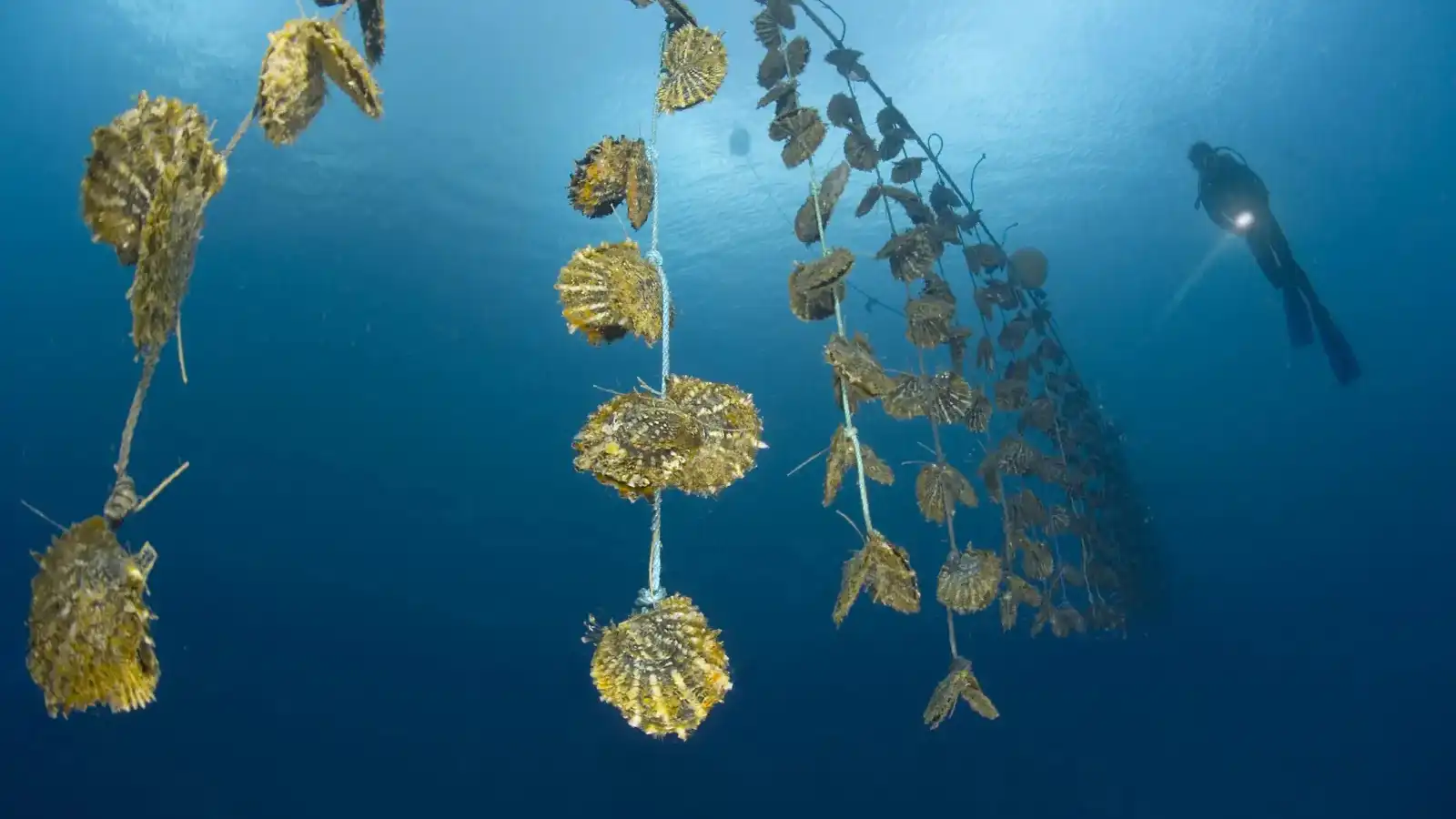
| Quick fact | What travelers should know |
|---|---|
| Operator | J. Hunter Pearls Fiji |
| Starting point | The operator's main headquarters and showroom in Savusavu town; confirm the exact meeting point when booking |
| Published schedule | Monday to Friday at 9:30 am |
| Published price | FJ$150 per adult; FJ$50 per child aged 0 to 10; confirm the final tax-inclusive total |
| Standard duration | About 1.5 to 2 hours |
| Snorkeling duration | About 2.5 hours; price and equipment details are not published on the tour page |
| Group size | Minimum 4 and maximum 10 guests |
| Booking lead time | The operator recommends booking 1 to 2 days in advance |
| Pearl harvest | Usually March to May and August to October, but seeing a harvest or seeding procedure is not guaranteed |
FijiEco research note
The schedule, prices, duration, group limits and seasonal information above were checked against the operator's official farm-tour page on 21 September 2026. Conditions can change. FijiEco is independent, does not take bookings and does not receive a commission from J. Hunter Pearls. The operator's written confirmation controls your booking.
Is this a real pearl farm tour?
Yes. J. Hunter Pearls publishes the Savusavu Bay experience on its official farm-tour page. The company states that it was established in Savusavu in 1999 and operates a working pearl farm in the bay. This FijiEco page is an independent planning guide, not a tour listing created by the operator.
This distinction matters because several older tourism pages still show different prices or more than one daily departure. Use the current J. Hunter page and a direct booking confirmation instead of relying on an undated third-party listing.
What happens on the J. Hunter pearl farm tour?
The operator describes a four-part visit. The exact farm activity in the middle changes with the production calendar.
- Showroom introduction: the visit starts at the main Savusavu headquarters with a short briefing.
- Boat trip into Savusavu Bay: a guide takes the group onto the bay to see the pearl-farming operation and whatever daily work is taking place.
- Seasonal farm activity: depending on timing, visitors may see oyster care, spat work, seeding or a pearl harvest. None of those individual procedures should be promised in advance unless the operator confirms it for your date.
- Return to the showroom: the tour finishes where visitors can view the company's Fiji pearl and jewelry collections. Purchasing is optional.
The current tour description also includes a pearl-oyster tasting. Travelers with a shellfish allergy, dietary restriction or concern about raw or cooked seafood should tell the operator before booking and ask exactly what will be served.
Will you see pearl seeding or a harvest?
Do not book on the assumption that pearl extraction or seeding will happen during your visit. J. Hunter says farm operations change by season and uses conditional language about both procedures. Its published harvest periods are usually March to May and August to October, but even a visit within those months does not guarantee that the relevant work will happen during your particular departure.
During spat harvest, the operator says a visit may include seeing a village women's group collect infant oysters from settlement collectors and prepare them for later grow-out. That is another production-stage activity rather than a guaranteed element of every tour.
Ask the right question before paying
Instead of asking, "Will I see a pearl harvested?", ask, "What farm work is expected on my date, and which parts are still subject to change?" A truthful answer may be that the activity cannot be known until the day.
Current published prices and how to book
J. Hunter currently lists FJ$150 per adult and FJ$50 per child aged 0 to 10 for its regular farm tour. The page also lists a private tour and bay cruise at FJ$695, but it does not state every inclusion or whether that amount is calculated per group. Ask for a written quote before treating it as the complete price.
The operator recommends booking one to two days in advance, either through your resort or directly through its official contact page. Because four guests are required for the regular tour to operate, booking ahead does not automatically mean the departure is confirmed. Ask the operator to confirm that the minimum has been reached.
Send these details with your request
- preferred date and one backup date;
- number of adults and children's ages;
- whether you want the snorkeling version;
- your accommodation and a reachable phone or messaging number;
- food allergies or dietary restrictions;
- mobility, swimming or boat-access requirements;
- a request for the final price, included taxes, cancellation terms and exact meeting point.
Fiji introduced a 5% Tourism Services Tax on 1 September 2026 for qualifying tourism businesses above the prescribed turnover threshold. Public information does not establish whether that tax applies to this particular operator or whether it is already reflected in the displayed price. Do not calculate an extra charge yourself. Ask J. Hunter for the final tax-inclusive amount payable for your booking.
What is known about the snorkeling option?
The official page gives a duration of about 2.5 hours for the snorkeling version, compared with 1.5 to 2 hours for the standard visit. It does not publish a separate snorkeling price, a guaranteed snorkeling site, minimum swimming ability, equipment list or detailed weather policy.
Before booking that version, confirm:
- the total price and whether snorkeling is included in the quoted tour;
- whether mask, snorkel, fins and flotation equipment are supplied;
- the minimum age and swimming ability required;
- whether a guide remains in the water with guests;
- what happens if visibility, wind or sea conditions are unsuitable;
- whether a non-snorkeler can stay with the group safely.
Do not describe snorkeling above oyster lines as part of every standard tour unless the operator confirms it for the booked product.
Meeting point and transport planning
The operator says tours begin at its main headquarters in Savusavu town. Its farm-tour page does not provide a detailed visitor map or promise a complimentary transfer. Obtain the exact meeting point in writing and arrange a taxi or property transfer if you are staying outside the town center.
If Savusavu is not yet part of your confirmed itinerary, use FijiEco's guide to reaching Savusavu by flight, ferry or the Labasa route. Domestic flight times, ferry days and onward road transfers should be planned separately from the farm-tour booking.
What to bring
- Sun protection: a hat, covering clothing and sunscreen suitable for your skin and planned water activity.
- Drinking water: ask whether water is supplied rather than assuming it is included.
- Secure footwear: choose shoes or sandals that handle wet boat surfaces; ask if the operator has a specific footwear rule.
- Light rain layer: tropical showers can develop even when the departure begins in sun.
- Dry protection: keep your phone, passport and camera in a suitable dry pouch or bag.
- Swimwear and towel: only if you have confirmed the snorkeling version and what facilities are available.
- Passport: useful if you plan a jewelry purchase and want to ask about Fiji's Tourist VAT Refund Scheme.
Children, mobility and boat access
The published child price applies to ages 0 to 10. The operator does not publicly state a minimum age, how visitors aged 11 and above are charged, what child-size flotation equipment is available, or whether the route is step-free. Families should request those details before paying.
A working-farm boat visit can involve boarding, wet surfaces and movement on the water. Travelers who need step-free access, transfer assistance, a stable seat, an accessible toilet or space for mobility equipment should describe the exact requirement and wait for the operator's confirmation. A generic statement that the tour is "accessible" is not enough for individual planning.
Fiji pearls are not simply "black pearls"
J. Hunter identifies its host oyster as the Fiji pearl oyster, Pinctada margaritifera-typica. The company's color guide describes both warm and cool hues, including copper, gold, rose, green, blue, violet and silvery gray. Calling every Fiji pearl black hides much of what makes the Savusavu product distinctive.
Cultured pearl production combines a skilled seeding procedure with long-term oyster care and monitoring. What a visitor can observe depends on which stage the farm is handling that day. The company also states that its pearls are not dyed or color-enhanced. That is an operator claim about its own products, not a blanket rule for every pearl sold in Fiji.
How to describe the sustainability claims accurately
J. Hunter says its operation follows an Environmental Code of Practice and presents healthy water as essential to pearl farming because oysters are filter feeders and changes in water quality affect oyster health and pearl production. The company also describes community participation in parts of its farm work.
These statements provide useful context, but they come from J. Hunter's own publications. FijiEco has not independently audited the farm's environmental performance. A responsible guide should attribute the claims to the operator rather than presenting phrases such as "completely sustainable" or "harmless to the reef" as independently proven facts.
Buying pearls and using Fiji's Tourist VAT Refund Scheme
The tour ends at the showroom, but there is no obligation to purchase jewelry. For a higher-value item, ask for a detailed receipt and written information about the pearl, metal, sizing, care instructions, returns and any certificate supplied with the piece.
Fiji Revenue and Customs Service states that eligible non-resident tourists aged 13 or above can claim VAT paid on qualifying non-consumable goods, including jewelry, bought from approved TVRS retailers. Current rules include a cumulative minimum spend of FJ$500, presentation of a foreign passport at purchase, issue of Form 7, purchase within two months of departure, and keeping the item unused in its original packaging until it is presented when leaving Fiji.
The current FRCS list of approved TVRS retailers includes J HUNTER PEARLS (FIJI) LTD - SAVUSAVU SHOP under registration TVRS030. Ask the Savusavu shop to confirm that your specific purchase qualifies and to issue Form 7 at the time of purchase.
The J. Hunter tour page still mentions a 15% refund figure. FRCS states that Fiji's standard VAT rate changed from 15% to 12.5% on 1 August 2025. Do not calculate your expected refund from the older percentage. Follow the latest FRCS Tourist VAT Refund Scheme instructions.
J. Hunter in Savusavu and Civa on Taveuni are different tours
Travelers searching for a "Fiji pearl farm tour" may also find Civa Fiji Pearls. Civa publishes a separate pearl-farm experience at Wailoa Lagoon on Taveuni. It is not another name, booking office or departure point for the J. Hunter tour in Savusavu Bay. Check the island and operator name before arranging transport.
How to use the rest of the day in Savusavu
A 9:30 am standard departure should usually return late in the morning, while the snorkeling version takes longer. Do not make a tight onward connection because boat timing and conditions can change. After returning to town, a simple independent plan is to visit the Savusavu Municipal Market during its published hours, then continue to the Savusavu hot springs and waterfront.
For other activities, return to the main Savusavu destination guide. Keep the pearl farm as its own booked experience rather than treating unrelated snorkeling, hiking or kayaking pages as parts of the same tour.
Advantages and limitations
What works well
- A real visit connected to a working Savusavu pearl farm
- Small published group limit of ten
- A practical introduction to oyster care and cultured pearls
- Central Savusavu starting point
- Optional snorkeling for travelers who confirm the details
What to plan around
- Minimum of four guests for the regular departure
- Weekday-only published schedule
- No guarantee of seeing seeding or harvesting
- Snorkeling price and equipment details not published
- Limited public accessibility and cancellation information
Frequently asked questions
Is the Savusavu pearl farm tour real?
Yes. J. Hunter Pearls publishes the educational Savusavu Bay tour on its official website. Book through the operator or a resort that can provide a confirmed J. Hunter reservation.
How much does the tour cost?
The operator currently lists FJ$150 per adult and FJ$50 per child aged 0 to 10. Confirm the final price, taxes and inclusions when booking because the operator can change its terms.
When does the tour run?
The current official schedule is Monday to Friday at 9:30 am. Older tourism pages may show additional times, so rely on the operator's direct confirmation for your date.
How long should I allow?
Allow about 1.5 to 2 hours for the standard tour and about 2.5 hours for the snorkeling version, plus transport to and from the meeting point.
Will I see a pearl harvested?
Not necessarily. Harvests usually occur from March to May and August to October, but farm work varies and no individual procedure is guaranteed on a particular departure.
Is snorkeling included?
The operator lists a longer snorkeling version, but its public page does not give a separate price or equipment details. Request those terms before booking. Do not assume the standard tour includes snorkeling.
Can children join?
A child price is published for ages 0 to 10, but minimum age, flotation equipment and the price for older children are not stated. Families should obtain written confirmation for each child's age and planned activities.
Can I buy pearls after the tour?
Yes. The tour ends at the J. Hunter showroom, where visitors can view and purchase pearls and jewelry. Buying is optional. FRCS currently lists the Savusavu shop as approved retailer TVRS030, but ask staff to confirm that your purchase qualifies, issue Form 7 and explain the current claim process before a high-value purchase.
Is Civa Fiji Pearls the same farm?
No. J. Hunter operates the tour described here in Savusavu Bay on Vanua Levu. Civa publishes a separate experience at Wailoa Lagoon on Taveuni.
Sources and verification
- J. Hunter Pearls, Farm Tours: current published schedule, prices, duration, group limits, booking lead time, tour sequence and seasonal activities.
- J. Hunter Pearls, Our Story: company history and operator-published environmental context.
- J. Hunter Pearls, Colours of Fiji: oyster name, color range and operator product claims.
- J. Hunter Pearls, Ocean Conservancy: the operator's sustainability statements and Environmental Code of Practice.
- Fiji Revenue and Customs Service, Tourist VAT Refund Scheme: eligibility, minimum spend, passport, Form 7 and departure requirements.
- Fiji Revenue and Customs Service, List of Approved TVRS Licensed Retailers: J HUNTER PEARLS (FIJI) LTD - SAVUSAVU SHOP is listed under TVRS030.
- Fiji Revenue and Customs Service, VAT Calculation Notice: 12.5% standard VAT rate from 1 August 2025.
- Fiji Revenue and Customs Service, Tourism Services Tax notice: commencement and qualifying-business threshold context.
- Civa Fiji Pearls: confirmation that its separate tour is at Wailoa Lagoon on Taveuni.
Tour prices, departure times, minimum numbers and farm activities can change. Confirm all booking-critical details directly with the operator. Found something outdated? Send FijiEco a correction.