Seaweed Farm & Sustainable Harvesting: Discover Fiji's Ocean Garden Revolution
Dive into the fascinating world of sustainable seaweed cultivation in Fiji's pristine coastal waters, where traditional marine farming meets cutting-edge aquaculture science. This immersive experience reveals how seaweed farming creates carbon-negative food production while restoring marine ecosystems, providing sustainable livelihoods for coastal communities, and producing nutrient-dense superfoods that represent the future of ocean-based agriculture.
Revolutionary Sustainable Marine Agriculture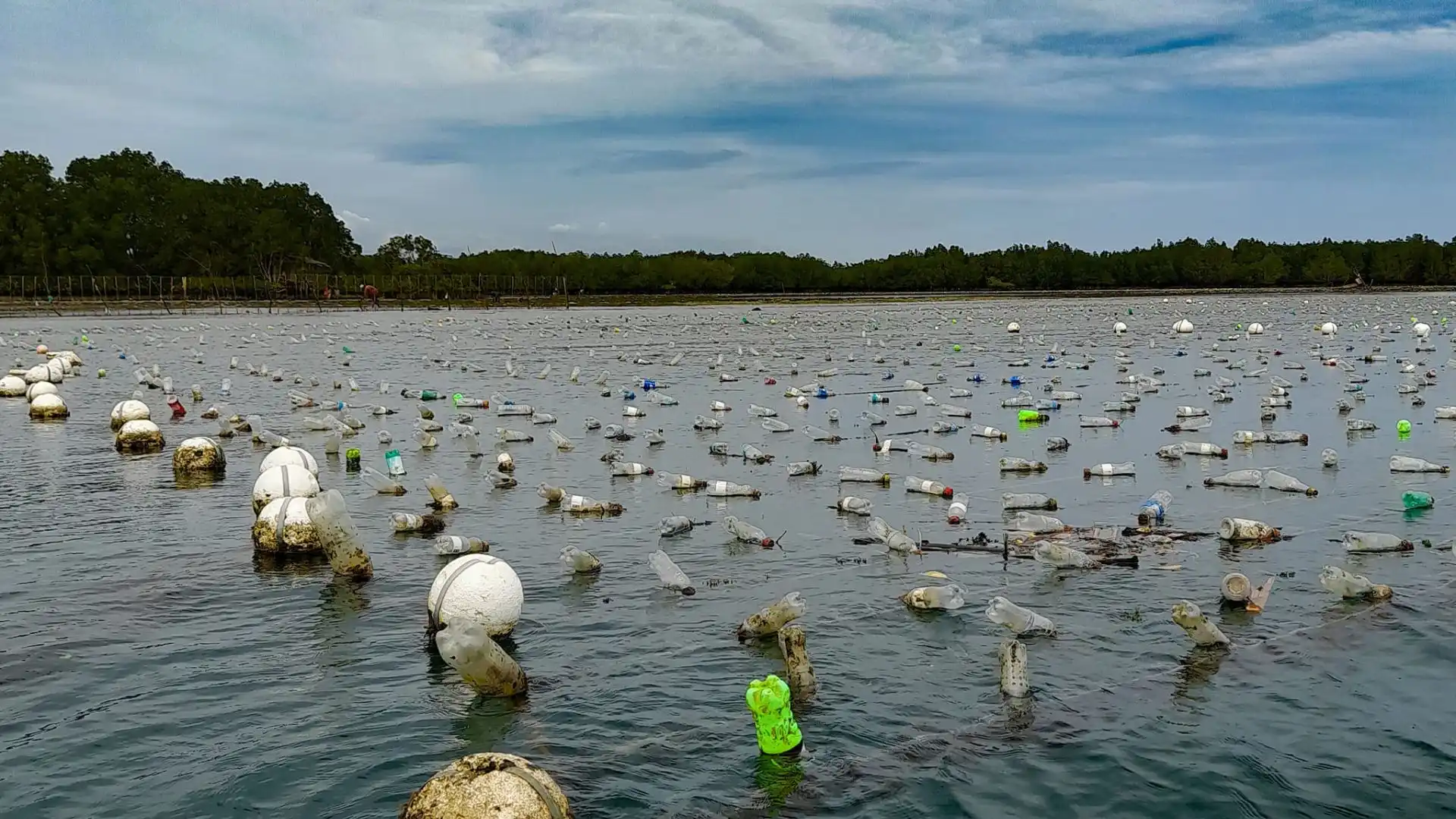
Carbon-Negative Ocean Agriculture
Seaweed farming represents the world's most environmentally beneficial form of agriculture, actively removing carbon dioxide from seawater while producing zero-waste, nutrient-dense food without requiring fresh water, fertilizers, or arable land. Fiji's seaweed farms sequester thousands of tons of carbon annually while creating oxygen-rich marine environments that support biodiversity restoration.
The farms utilize rope-line cultivation systems suspended in optimal tidal zones, where natural ocean currents provide nutrients and water circulation. This method requires no external inputs while producing yields up to 30 times higher per hectare than traditional land-based agriculture, demonstrating how ocean farming can help address global food security challenges sustainably. Those interested in exploring diverse marine cultivation methods can also discover the fascinating world of pearl farming at Savusavu, where similar sustainable aquaculture principles create beautiful cultured pearls.
Marine Ecosystem Restoration
Seaweed cultivation actively improves ocean health by absorbing excess nutrients that cause harmful algal blooms, providing habitat structure for juvenile fish species, and creating buffer zones that protect coastal areas from wave erosion. The farms function as underwater forests that increase marine biodiversity while producing sustainable food and biomaterials. Visitors seeking to witness pristine marine conservation efforts in action will find the protected waters of Caqalai Island Beach offer complementary insights into Fiji's marine ecosystem restoration initiatives.
Complete Marine Farming Experience
Tours provide comprehensive access to every aspect of seaweed cultivation, from seedling preparation to harvest processing. Visitors participate in traditional planting methods, snorkel through underwater seaweed gardens, and learn sustainable harvesting techniques that ensure continuous production while maintaining ecosystem health. Adventure enthusiasts looking to expand their underwater exploration can combine this experience with the renowned snorkeling opportunities at Lesiaceva Point, where pristine coral reefs showcase the natural marine biodiversity that seaweed farming helps protect.
Underwater Gardens
Snorkel through cultivated seaweed forests and observe marine life thriving in these underwater agricultural systems.
Rope-Line Installation
Learn traditional seaweed farming techniques by helping install cultivation lines and plant seaweed seedlings.
Sustainable Harvesting
Participate in selective harvesting methods that ensure continuous growth while maintaining ecosystem balance.
Processing Workshop
Learn traditional and modern seaweed processing techniques for food, cosmetics, and biofuel applications.
Marine Biology & Ecosystem Science
Tours include comprehensive education about marine biology, seaweed life cycles, and the ecological relationships between cultivated species and natural reef ecosystems. Visitors learn about photosynthesis in marine environments, nutrient cycling, and the critical role of seaweeds in global ocean chemistry and climate regulation.
The farm's marine research station offers hands-on experiences with water quality monitoring, species identification, and ecosystem assessment techniques. Educational programs cover topics from basic marine ecology to advanced aquaculture science, making the experience valuable for students, researchers, and environmentally conscious travelers.
Ocean Chemistry
Understand how seaweed cultivation affects pH levels, carbon absorption, and nutrient cycles in marine ecosystems.
Biodiversity
Discover how seaweed farms create habitat for fish, crustaceans, and other marine species while supporting ecosystem health.
Climate Impact
Learn how marine agriculture contributes to climate change mitigation through carbon sequestration and sustainable food production.
Seaweed Cuisine & Nutrition Workshop
The tour culminates in a hands-on cooking workshop where visitors learn to prepare nutritious seaweed dishes using traditional Fijian methods and modern culinary techniques. Master chefs demonstrate how to incorporate various seaweed species into healthy, flavorful meals while sharing the nutritional benefits of these ocean superfoods. Food enthusiasts can further deepen their understanding of Fiji's culinary heritage through the comprehensive Traditional Fijian Cooking Class, which explores indigenous ingredients and time-honored preparation methods that complement modern seaweed cuisine.
Culinary Innovation
Learn to prepare traditional and contemporary seaweed dishes highlighting unique flavors and textures.
Nutritional Science
Discover the exceptional nutritional density of seaweeds including vitamins, minerals, and beneficial compounds.
Fresh Harvest
Take home freshly harvested seaweed varieties and recipe guides for continued healthy eating.
Commercial Seaweed Varieties
Fiji's seaweed farms cultivate multiple species optimized for different applications including food, cosmetics, pharmaceuticals, and biofuels. The region specializes in kappaphycus and eucheuma varieties that produce valuable carrageenan, along with traditional edible species used in Pacific Island cuisine for centuries.
Visitors learn to identify different seaweed species through visual characteristics, growth patterns, and commercial applications. The farms maintain genetic diversity through careful selection and propagation methods that preserve both wild genetic resources and cultivated strains optimized for sustainable production.
Seaweed Varieties & Applications
- Kappaphycus - High-value carrageenan production for food industry, cosmetics, and pharmaceuticals
- Eucheuma - Traditional food variety with exceptional nutritional density and natural thickening properties
- Sea Grapes - Delicate culinary seaweed prized for unique texture and mild ocean flavor
- Sea Lettuce - Nutritious leafy variety perfect for salads, soups, and traditional Pacific dishes
- Gracilaria - Agar-producing species used for food processing and scientific research applications
- Sargassum - Fast-growing variety ideal for biomass production and ocean restoration projects
Traditional Knowledge & Innovation
Seaweed cultivation in Fiji combines ancient Polynesian marine management practices with modern aquaculture science. Traditional knowledge holders share oral histories about seasonal harvesting patterns, traditional food preparation methods, and the cultural significance of seaweeds in Pacific Island societies. Visitors interested in exploring deeper cultural connections to traditional practices can participate in the sacred ritual of the Kava Ceremony Experience, where community elders share ancestral wisdom about sustainable resource management and cultural values that continue to guide modern marine farming practices.
Elder community members demonstrate traditional processing techniques including sun-drying, fermentation, and preservation methods that maintain nutritional value without modern equipment. Visitors learn about customary marine tenure systems that ensure sustainable harvesting while maintaining community ownership of marine resources.
Research & Development Center
The farm operates a cutting-edge research facility studying optimal cultivation techniques, species selection for climate resilience, and innovative applications for seaweed biomass. Collaborative projects with international universities advance understanding of marine permaculture and sustainable ocean farming systems.
Visitors tour laboratory facilities where scientists work on strain improvement, disease prevention, and environmental monitoring programs. Research findings contribute to global sustainable aquaculture knowledge while positioning Fiji as a leader in climate-positive food production and marine restoration.
Tour Options & Scheduling
- Half-day tours (4 hours) including snorkeling, harvesting participation, and cooking workshop
- Full-day experiences (8 hours) with installation work, detailed education, and processing techniques
- Multi-day marine farming courses with hands-on training and business development education
- Research-focused tours for students and professionals interested in sustainable aquaculture
- Tide-dependent scheduling with optimal visiting during calm weather conditions
- Seasonal variations with peak growing seasons offering best underwater visibility
Community Empowerment & Economic Impact
Seaweed farming provides sustainable livelihoods for over 200 coastal families in Fiji, including farmers, processors, boat operators, and support staff. The industry creates particularly valuable opportunities for women, who traditionally manage nearshore marine resources and possess extensive knowledge about seaweed varieties and processing techniques. Travelers seeking authentic cultural immersion and direct community support can extend their understanding of local life through a Fijian Village Homestay, where guests live alongside farming families and participate in daily community activities that showcase the integral role of marine agriculture in traditional island life.
Revenue from seaweed sales and agritourism directly funds community development projects including coastal protection infrastructure, educational programs, and healthcare improvements. Cooperative ownership structures ensure equitable profit distribution while maintaining traditional governance systems and cultural practices.
Location & Marine Environment
Seaweed farms are located in protected bays and lagoons throughout Fiji's island chain, with major operations near Suva, Lautoka, and outer island communities. The farms utilize pristine tropical waters with optimal temperature, salinity, and nutrient conditions for year-round cultivation. The spectacular natural setting of Savusavu Bay offers visitors the perfect opportunity to appreciate the pristine coastal environment that makes sustainable seaweed farming possible, with its crystal-clear waters and abundant marine life creating ideal conditions for both cultivation and tourism.
Transportation includes boat transfers from coastal towns and resort areas, with many eco-lodges offering integrated seaweed farming tour packages. Underwater visibility typically exceeds 20 meters, providing excellent conditions for snorkeling and underwater photography of seaweed cultivation systems.
Cultivate the Future of Ocean Agriculture
Seaweed Farm & Sustainable Harvesting tours offer an extraordinary glimpse into the future of food production, where ocean-based agriculture provides climate solutions, ecosystem restoration, and sustainable nutrition simultaneously. By participating in this revolutionary farming experience, visitors directly support coastal communities, marine conservation, and innovative food systems while learning practical skills for sustainable living. This unique opportunity to work alongside marine farmers in pristine tropical waters provides deep insights into regenerative ocean agriculture, traditional marine management, and the potential for seaweed cultivation to address global challenges of food security, climate change, and coastal resilience.