Traditional Fishing Village Experience: Living Heritage of Fijian Waters
Immerse yourself in authentic Fijian coastal life through our Traditional Fishing Village Experience, where centuries-old maritime traditions continue to thrive along pristine shorelines. This unique cultural encounter offers visitors the opportunity to join local fishermen, learn traditional fishing methods, and participate in the daily rhythms of village life that have sustained Pacific Island communities for over 3,000 years.
Authentic Cultural Immersion & Sustainable Fishing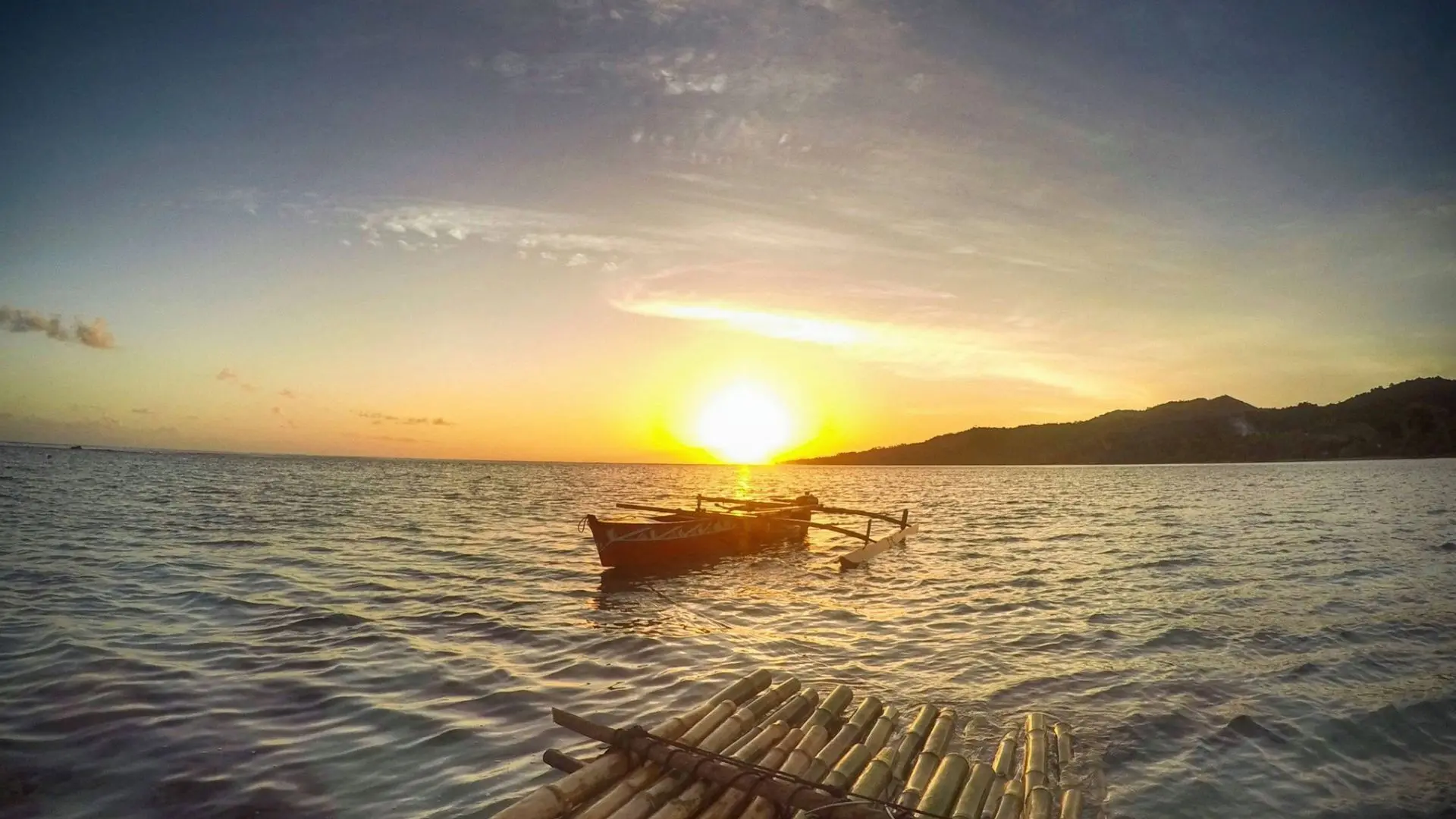
Ancient Maritime Traditions
The fishing villages of Fiji represent living museums of Polynesian and Melanesian maritime culture, where traditional knowledge systems continue to guide daily life. Local fishermen still navigate by stars, read ocean currents, and practice sustainable fishing methods that have preserved marine ecosystems for millennia.
Villages maintain traditional social structures centered around fishing activities, with hereditary fishing chiefs (turaga ni qoliqoli) overseeing marine resources and seasonal fishing calendars. Visitors witness authentic cultural practices including pre-fishing ceremonies, communal net-making, and the distribution of catch according to ancient protocols. These sacred rituals are deeply connected to the ceremonial traditions found in our traditional kava ceremonies, which form the spiritual foundation of all Fijian community activities.
Sustainable Marine Stewardship
Fijian fishing villages practice tabu (traditional conservation), including seasonal fishing bans, size restrictions, and protected breeding areas. These indigenous management systems have maintained healthy fish populations and coral reef ecosystems for over 50 generations, offering valuable lessons for modern marine conservation. These same conservation principles can be witnessed in action at pristine locations like Vunanui Bay, where community-managed marine sanctuaries demonstrate the effectiveness of traditional stewardship methods.
Hands-On Fishing Experiences
Participants join fishing expeditions using traditional methods, from dawn net-fishing in shallow lagoons to deep-sea line fishing from handcrafted vessels. Each technique requires specific skills and knowledge about tides, weather patterns, and fish behavior that local experts enthusiastically share with visitors. The rich biodiversity you'll encounter while fishing mirrors the spectacular underwater ecosystems protected within Namena Marine Reserve, where traditional fishing grounds have evolved into world-renowned conservation areas.
Bilibili Raft Fishing
Traditional bamboo raft construction and paddling techniques for shallow water fishing in mangrove channels and reef flats.
Net Fishing (Saumi)
Communal net fishing requiring coordination between multiple families, teaching teamwork and traditional fishing songs.
Spear Fishing (Tuki)
Traditional spear crafting and underwater hunting techniques practiced in crystal-clear lagoons and coral gardens.
Line Fishing (Siwa)
Deep-sea fishing from traditional sailing canoes using handmade hooks and natural baits prepared from local materials.
Village Life Integration
Beyond fishing activities, visitors participate in the complete village ecosystem, including fish preparation, traditional cooking methods, and the social ceremonies that surround fishing activities. Daily routines follow tidal cycles and seasonal patterns, offering insights into sustainable living practices. The culinary skills you'll develop preparing your catch using traditional methods can be further enhanced through our specialized cooking classes, where you'll master the art of kokoda and other traditional Fijian delicacies.
Families welcome visitors into their homes (bure), sharing meals prepared with the day's catch and teaching traditional recipes passed down through generations. Evening gatherings feature storytelling, traditional music, and the sharing of fishing tales that preserve oral history and maritime knowledge. This authentic family integration experience can be extended through our comprehensive village homestay programs, offering deeper cultural immersion and lasting connections with local families.
Traditional Cooking
Learn to prepare kokoda (raw fish salad) and lovo-cooked fish using traditional methods and local ingredients.
Craft Making
Create fishing tools, repair nets, and craft traditional sailing equipment using natural materials.
Cultural Ceremonies
Participate in blessing ceremonies, catch-sharing rituals, and seasonal fishing celebrations.
Authentic Accommodation Options
Overnight stays in traditional village homes provide complete cultural immersion, with visitors sleeping in authentic bure (thatched houses) and participating in family life from dawn fishing preparations to evening storytelling sessions around communal fires. Those seeking similar authentic accommodation experiences along Fiji's coastline will find comparable cultural immersion opportunities through the Sigatoka region's celebrated homestay programs, which offer the same level of family integration and cultural authenticity.
Village Homestays
2-7 day stays with fishing families, including all meals, activities, and cultural exchange opportunities.
Boat-Based Expeditions
Multi-day fishing voyages visiting remote villages and learning traditional navigation techniques.
Day Excursions
Single-day fishing expeditions with village guides, including meals and cultural presentations.
Traditional Navigation & Weather Reading
Master navigators share ancient knowledge of reading ocean swells, cloud formations, and bird behavior to predict weather and locate fishing grounds. These skills, known as "wayfinding," represent some of the world's most sophisticated traditional navigation systems.
Visitors learn to identify seasonal fish migrations, understand tidal influences on fishing success, and recognize the natural signs that guide traditional fishing decisions. This knowledge connects participants to the deep environmental awareness that characterizes Pacific Island cultures.
Traditional Fishing Calendar
- April-June: Peak season for deep-sea fishing with calm seas and abundant pelagic species
- July-September: Traditional net fishing season when schools of smaller fish are most active
- October-December: Reef fishing season focusing on coral-dwelling species and traditional spearing
- January-March: Storm season with focus on lagoon fishing and traditional food preservation
- Full moon periods: Traditional night fishing using torch techniques and ancestral methods
- New moon periods: Optimal for net fishing in shallow waters and community fishing expeditions
Marine Conservation Education
Villages demonstrate how traditional fishing practices maintain healthy marine ecosystems through selective harvesting, seasonal restrictions, and habitat protection. Visitors observe marine protected areas (tabu areas) where fishing is traditionally prohibited to allow fish populations to recover. Those inspired by these conservation practices can contribute directly to marine restoration efforts through our hands-on coral planting workshops, where traditional knowledge meets modern conservation science.
Community-based conservation projects include coral restoration, fish aggregation device construction, and monitoring programs that combine traditional knowledge with modern scientific methods. Visitors can participate in data collection and learn about the effectiveness of indigenous conservation practices.
Cultural Protocol & Respect
Participation requires understanding and respecting traditional customs, including sevusevu (traditional kava ceremony) upon arrival, appropriate dress codes, and participation in community activities. Visitors contribute to village funds and participate in communal work as part of the cultural exchange.
Village elders provide orientation about cultural expectations, fishing protocols, and the spiritual aspects of traditional fishing practices.
What to Expect & Prepare
- Early morning starts (5:00 AM) to take advantage of optimal fishing conditions
- Physical activity including paddling, walking on reef flats, and handling fishing equipment
- Basic accommodation facilities with shared bathrooms and traditional sleeping arrangements
- Meals consisting primarily of fresh fish, root vegetables, and tropical fruits
- Limited electricity and WiFi connectivity allowing for digital detox and cultural focus
- Weather-dependent activities requiring flexibility and understanding of natural rhythms
Location & Access
Traditional fishing village experiences are available in several locations throughout Fiji, including remote islands accessible only by boat and coastal villages reachable by land transport. Each village offers unique fishing traditions and marine environments.
Popular locations include villages in the Yasawa Islands, Kadavu Island, and along the Coral Coast, each offering different fishing techniques and cultural experiences. Transportation arrangements are coordinated through village representatives to ensure appropriate cultural protocols are followed.
Experience Authentic Pacific Island Life
The Traditional Fishing Village Experience offers unparalleled insights into sustainable living practices that have preserved Pacific Island cultures and marine environments for thousands of years. Participants gain practical fishing skills, deep cultural understanding, and lasting connections with local communities while contributing directly to village economies and cultural preservation efforts. This authentic experience demonstrates how traditional knowledge systems offer valuable solutions for modern environmental challenges, making every participant an ambassador for sustainable tourism and cultural respect.