Tropical Spice Garden - Coral Coast: Fiji's Authentic Farm-to-Table Experience
Nestled in the lush hills of Fiji's Coral Coast, the Tropical Spice Garden stands as a testament to sustainable agriculture and traditional Fijian farming practices. This 15-hectare organic paradise offers visitors an immersive journey through tropical spices, exotic fruits, and indigenous plants that have sustained Pacific Island communities for centuries. Visitors seeking to extend their sustainable experience often choose eco-friendly accommodations nearby, where the same commitment to organic principles and environmental stewardship creates a seamless eco-conscious retreat that perfectly complements the garden's sustainable ethos.
Certified Organic Farm & Cultural Experience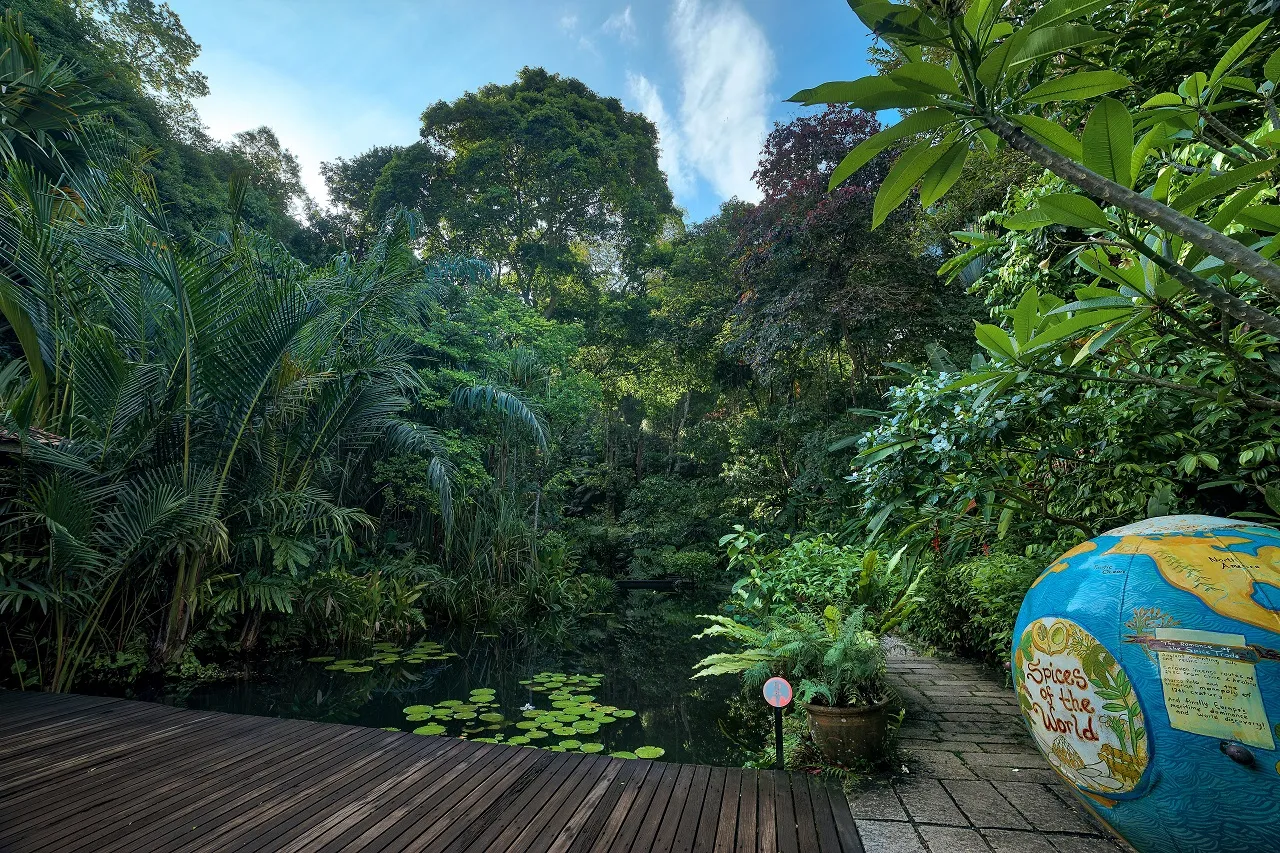
A Living Spice Encyclopedia
The Tropical Spice Garden cultivates over 150 species of spices, herbs, and medicinal plants across diverse microclimates within its boundaries. From vanilla orchids climbing coconut palms to cardamom flourishing in shaded groves, every corner reveals the botanical treasures that make Fijian cuisine so distinctive.
The garden's elevation ranges from sea level to 200 meters, creating perfect growing conditions for both coastal and highland species. Visitors can witness cinnamon bark being harvested, observe nutmeg fruits splitting to reveal their precious seeds, and taste fresh turmeric root straight from the soil. Many guests find that experiencing such botanical diversity inspires them to explore Fiji's other natural wonders, leading them to Sabeto Valley Nature Park, where the same volcanic soil that nourishes the spice garden creates dramatic landscapes of geothermal springs and therapeutic mud pools.
Sustainable Agriculture Leader
Certified organic since 2010, the Tropical Spice Garden employs permaculture principles, companion planting, and traditional Fijian farming methods. Zero pesticides, natural composting, and rainwater harvesting create a completely sustainable ecosystem that supports both plants and wildlife. Visitors passionate about these sustainable practices often continue their agricultural education at the Organic Coffee Plantation on Taveuni, where similar permaculture principles are applied to high-altitude coffee cultivation, demonstrating how these methods adapt across different crops and environments.
Signature Spice Collections
The garden is organized into themed sections, each representing different culinary traditions and growing environments. Professional guides lead visitors through aromatic pathways, sharing knowledge about traditional uses, culinary applications, and medicinal properties of each plant.
Pacific Spice Trail
Indigenous spices including kava, wild ginger, and pandanus, used in traditional Fijian medicine and cuisine for generations.
Vanilla Plantation
Hand-pollinated vanilla orchids producing some of the world's finest vanilla beans, with guided tours explaining the labor-intensive cultivation process.
Medicinal Plant Sanctuary
Traditional healing plants used by Fijian bose kalou (traditional healers), including noni, turmeric, and various indigenous herbs.
Tropical Fruit Orchard
Exotic fruits like dragon fruit, rambutan, and breadfruit growing alongside traditional Fijian staples such as dalo and cassava.
Farm-to-Table Dining Experience
The garden's open-air restaurant serves authentic Fijian cuisine prepared exclusively with ingredients grown on-site. Daily menus change based on seasonal harvests, ensuring the freshest possible ingredients while showcasing traditional cooking methods and flavor combinations.
Master chef Mere Ratunabuabua leads cooking classes where visitors learn to prepare traditional lovo (earth oven) dishes, kokoda (Fijian ceviche), and aromatic curries using freshly ground spices. The culinary knowledge gained from these garden-based experiences often motivates visitors to deepen their understanding of traditional Fijian cooking, leading many to enroll in a comprehensive Traditional Fijian Cooking Class, where they can master complex recipes and techniques using the same spices and ingredients they discovered during their garden visit.
Cooking Classes
Hands-on sessions using garden-fresh spices to create authentic Fijian dishes and traditional remedies.
Spice Processing
Learn traditional methods of drying, grinding, and preserving spices using ancient Fijian techniques.
Herbal Medicine
Discover traditional plant remedies and their preparation methods with experienced local healers.
Cultural Immersion Programs
Beyond agricultural education, the Tropical Spice Garden serves as a cultural center preserving traditional Fijian knowledge. Elder storytellers share legends connected to various plants, while artisans demonstrate traditional crafts using materials grown in the garden.
The cultural connections formed through learning about traditional plant uses often culminate in invitations to participate in sacred ceremonies. Many visitors find their garden experience naturally leads to a Kava Ceremony Experience, where the kava plants they observed growing in the medicinal sanctuary become part of a profound spiritual ritual that deepens their understanding of the sacred relationship between Fijians and their plant heritage.
Guided Garden Tours
2-hour educational walks through all garden sections with expert botanical guides and cultural interpreters.
Culinary Workshops
Half-day intensive sessions combining spice harvesting, traditional cooking methods, and cultural storytelling.
Village Homestays
Multi-day programs including accommodation with local families and participation in daily farming activities.
Artisan Spice Products
The garden's gift shop features an extensive collection of organically grown spices, herbal teas, essential oils, and traditional remedies prepared on-site. All products are certified organic and support fair trade practices that benefit local farming communities.
Signature products include hand-harvested vanilla beans, freshly ground kava powder, medicinal turmeric paste, and custom spice blends created by the garden's master spice blenders. Visitors inspired by the garden's artisan crafts and traditional techniques often continue their cultural shopping experience at the Handicraft Markets in Suva, where the same artisan families who demonstrate traditional spice processing techniques sell handwoven baskets, carved kava bowls, and other cultural treasures that complement the garden's organic products.
Popular Garden Products
- Premium vanilla beans - hand-pollinated and naturally cured for 6-8 months
- Organic turmeric powder - freshly ground from roots grown without chemicals
- Traditional kava ceremonial grade powder - sourced from heritage plants
- Tropical spice blends - unique combinations inspired by ancient Fijian recipes
- Medicinal herbal teas - prepared according to traditional healing formulations
- Natural essential oils - steam-distilled from garden-grown aromatic plants
Educational Programs & Research
The garden collaborates with the University of the South Pacific and international agricultural institutions to research sustainable tropical farming methods and preserve traditional plant knowledge. Student groups and researchers regularly visit to study permaculture techniques and ethnobotanical applications.
Educational programs cater to all ages, from school groups learning about plant biology to agricultural professionals studying sustainable farming methods. The garden's library contains extensive documentation of traditional plant uses and modern sustainable agriculture practices. Visitors interested in community-based approaches to these sustainable principles can explore the Village Vegetable Garden Project, where similar educational initiatives focus on promoting organic farming techniques and food security at the grassroots community level.
Conservation & Community Impact
The Tropical Spice Garden actively preserves rare and endangered plant species native to Fiji, maintaining seed banks and propagation programs for species threatened by climate change and habitat loss. The facility serves as a living repository of Pacific Island botanical heritage.
Local employment opportunities include farming positions, tour guides, cooking instructors, and artisan craftspeople. Revenue directly supports community development projects including school programs, healthcare initiatives, and infrastructure improvements in surrounding villages.
Visitor Information & Planning
- Open daily 8:00 AM - 5:00 PM with guided tours every 2 hours
- Located 45 minutes from Nadi Airport via scenic Coral Coast highway
- Advance booking recommended for cooking classes and cultural programs
- Comfortable walking shoes and sun protection essential for garden tours
- Restaurant serves lunch daily featuring garden-fresh ingredients
- Free parking and complimentary transfers from nearby Coral Coast resorts
Best Times to Visit
The garden showcases different aspects throughout the year, with peak flowering seasons occurring during Fiji's wet season (November to April). However, spice harvesting activities and cultural programs operate year-round, ensuring meaningful experiences regardless of timing.
Morning visits (8-11 AM) offer the most aromatic experience as essential oils are strongest before midday heat. Evening visits during sunset provide stunning photography opportunities and comfortable temperatures for extended garden exploration.
Taste the Authentic Flavors of Fiji
The Tropical Spice Garden offers more than agricultural tourism—it provides a deep connection to Fijian culture, sustainable living practices, and the intimate relationship between land and cuisine. Visitors leave with enhanced appreciation for traditional farming wisdom, aromatic memories that linger long after departure, and practical knowledge about incorporating tropical spices into daily cooking. This immersive experience supports local communities while preserving invaluable cultural knowledge for future generations, making every visit a meaningful contribution to sustainable tourism and cultural preservation.