Village Vegetable Garden Project: Cultivate Community Resilience Through Sustainable Agriculture
Join Fiji's transformative Village Vegetable Garden Project, where traditional subsistence farming meets modern sustainable agriculture to create food security, community empowerment, and environmental restoration. This immersive experience connects visitors with rural Fijian communities building resilient food systems through organic vegetable cultivation, permaculture design, and cooperative farming practices that demonstrate how grassroots agriculture can address climate change, poverty, and nutrition challenges simultaneously.
Community-Driven Food Security Initiative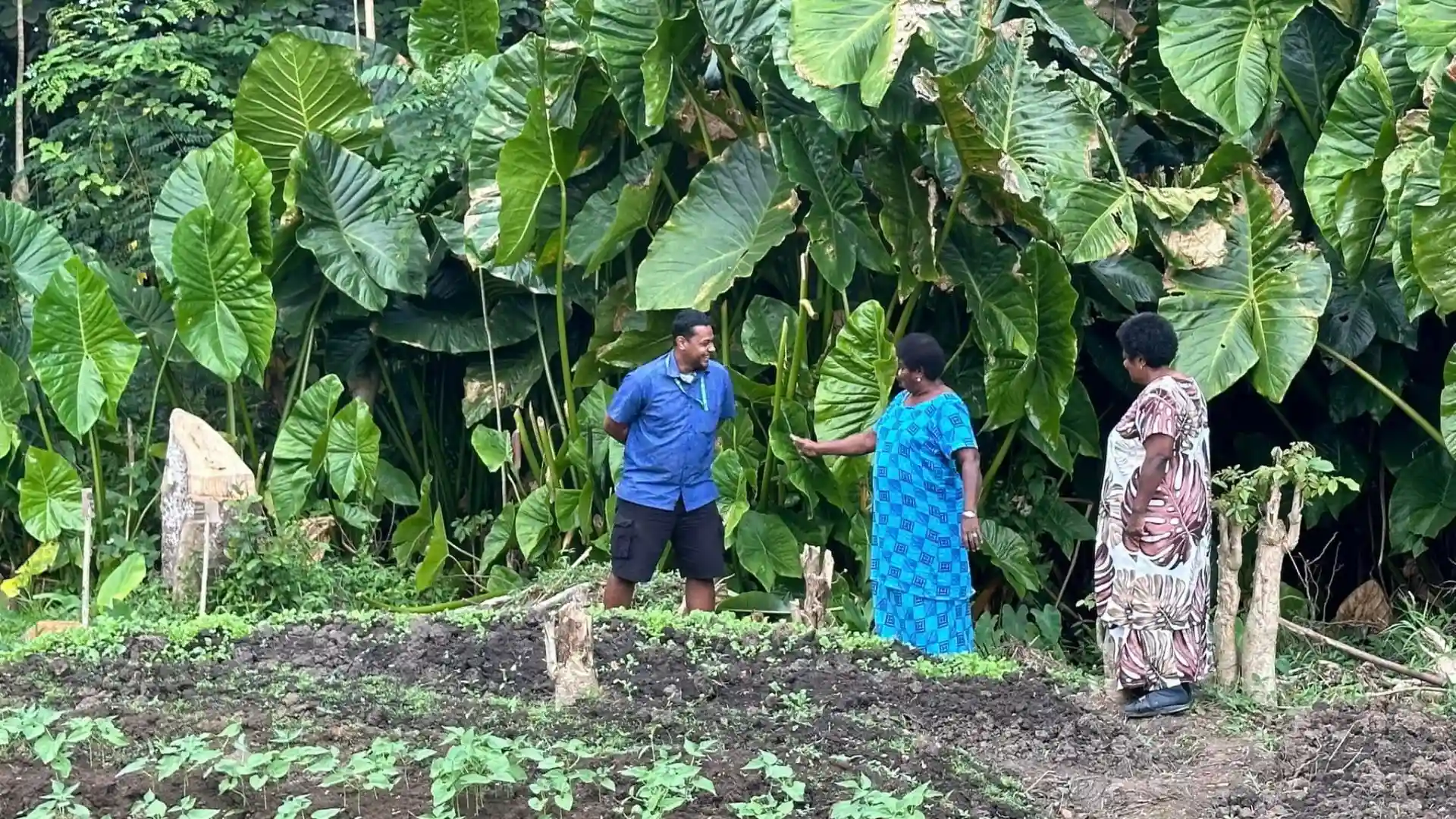
Community-Based Food Security
The Village Vegetable Garden Project addresses food security challenges in rural Fiji by establishing community-managed organic gardens that provide fresh vegetables year-round while reducing dependence on expensive imported foods. These collaborative gardens serve over 50 villages across Fiji's main islands, demonstrating how cooperative agriculture can strengthen community bonds while improving nutrition and economic resilience.
Each garden operates as a community-owned resource where families contribute labor, share harvests equitably, and collectively make decisions about crop selection, planting schedules, and resource management. This model ensures sustainable food production while strengthening traditional communal governance systems and creating opportunities for knowledge sharing between generations. To fully understand how these gardens integrate with traditional village life, visitors can experience authentic community living through a Fijian Village Homestay, where they'll witness firsthand how vegetable cultivation fits within the broader context of traditional Fijian daily routines and social structures.
Cooperative Agriculture Model
Village gardens operate through traditional Fijian cooperative principles where community members share responsibilities, resources, and harvests according to customary practices. This ensures equitable access to fresh vegetables while maintaining cultural values of collective responsibility and mutual support that strengthen community resilience.
Hands-On Sustainable Farming Experience
Visitors participate directly in all aspects of village garden management, from soil preparation and composting to seed planting, organic pest management, and harvest distribution. Community members teach traditional farming techniques alongside modern sustainable practices, creating comprehensive learning experiences that benefit both visitors and local farmers. Those interested in expanding their knowledge of sustainable tropical agriculture can also visit a Tropical Fruit Orchard Tour, where they'll learn complementary permaculture techniques for tree crop cultivation that can be integrated with vegetable gardening systems.
Soil Preparation
Learn traditional composting methods and natural soil enhancement using local materials and organic matter.
Seed Saving
Master traditional seed selection, storage, and exchange systems that preserve genetic diversity.
Water Management
Participate in rainwater collection, irrigation systems, and drought-resistant growing techniques.
Harvest Sharing
Experience traditional harvest distribution systems ensuring equitable access to fresh vegetables.
Traditional & Modern Vegetable Varieties
Village gardens cultivate diverse vegetable varieties including traditional Pacific island crops alongside introduced species that thrive in tropical conditions. This biodiversity approach ensures year-round harvests while preserving heritage varieties that provide essential nutrients and maintain connections to traditional food systems and cultural practices.
Crop selection emphasizes nutritional density, climate resilience, and cultural significance, with gardens featuring traditional leafy greens, root vegetables, legumes, and herbs used in Fijian cuisine and traditional medicine. Modern varieties selected for disease resistance and high yields complement traditional crops, creating robust food systems that support community nutrition needs. After harvesting these diverse vegetables, visitors can learn to transform them into authentic Fijian dishes through a Traditional Fijian Cooking Class, where they'll master the culinary techniques that bring out the best flavors and nutritional value from freshly harvested garden produce.
Heritage Varieties
Cultivate traditional Pacific island vegetables including taro leaves, sweet potato greens, and indigenous herbs.
Climate-Adapted
Grow vegetables selected for tropical resilience including drought-tolerant varieties and flood-resistant crops.
Nutritional Density
Focus on vegetables providing essential vitamins, minerals, and nutrients often lacking in imported foods.
Permaculture Design & Implementation
Village gardens utilize permaculture principles to create self-sustaining agricultural systems that work with natural ecosystems rather than against them. Visitors learn to design garden layouts that maximize productivity while minimizing external inputs through companion planting, natural pest control, and integrated water management systems.
Companion Planting
Learn plant combinations that enhance growth, repel pests, and improve soil fertility naturally.
Water Cycles
Design systems that capture, store, and efficiently distribute water through natural landscapes.
Closed Loops
Create systems where waste becomes input, minimizing environmental impact while maximizing productivity.
Community Kitchen & Food Processing
Each village garden includes community kitchen facilities where harvested vegetables are processed, preserved, and prepared using traditional Fijian cooking methods. Visitors participate in food processing workshops learning to create fermented vegetables, dried preserves, and traditional dishes that maximize nutritional value while extending food storage life.
Community kitchens serve as social centers where knowledge sharing occurs naturally through shared meal preparation. Elder community members teach traditional food processing techniques while younger generations contribute modern preservation methods, creating intergenerational learning opportunities that strengthen cultural continuity.
Featured Vegetable Varieties & Uses
- Taro Leaves (Rourou) - Traditional leafy green rich in vitamins A and C, prepared in coconut milk dishes
- Sweet Potato Leaves - Nutritious greens high in antioxidants, eaten fresh or cooked in traditional stews
- Cassava Leaves - Protein-rich leaves used in traditional Fijian curries and medicinal preparations
- Tropical Spinach - Heat-tolerant leafy green perfect for year-round cultivation in Pacific climates
- Long Beans - Climbing legumes providing protein and nitrogen fixation for soil improvement
- Okra - Heat-loving vegetable providing fiber and nutrients while supporting beneficial insects
- Eggplant Varieties - Multiple Asian and Pacific varieties adapted to tropical growing conditions
- Indigenous Herbs - Traditional medicinal and culinary herbs including lemongrass and ginger varieties
Women's Leadership & Empowerment
Village vegetable gardens are primarily managed by women's cooperatives that leverage traditional female roles in food production and nutrition management. These leadership structures provide opportunities for women to develop agricultural skills, generate independent income, and strengthen their voices in community decision-making processes.
Women's garden cooperatives manage all aspects of production from planning and planting to marketing and profit distribution. Visitors work directly with women leaders learning about traditional knowledge systems, cooperative management, and how agricultural projects can address gender equity while improving community food security and economic resilience. To gain deeper insights into women's traditional skills and economic activities, visitors can participate in a Traditional Weaving Workshop, where they'll learn alongside the same women leaders who manage the gardens, understanding how traditional crafts complement agricultural work in creating diverse income streams for rural women.
Climate Resilience & Adaptation
Village gardens demonstrate practical climate adaptation strategies essential for island communities facing increasing weather variability. Projects include drought-resistant crop varieties, flood-resistant raised bed systems, and diversified planting schedules that ensure food security despite changing precipitation patterns and extreme weather events.
Educational programs teach climate-smart agriculture techniques including water conservation, soil carbon sequestration, and biodiversity preservation that help communities adapt to climate change while contributing to global climate solutions through sustainable land management and carbon storage in agricultural soils. For another example of climate-resilient food production that complements land-based gardens, visitors can explore marine agriculture at a Seaweed Farm & Sustainable Harvesting operation, where they'll learn how ocean-based cultivation provides additional food security and income diversification for coastal villages participating in the garden project.
Community Impact & Participation Options
- Day volunteering experiences (6 hours) including garden work, harvesting, and community meal preparation
- Multi-day immersion programs with homestays, comprehensive agricultural training, and cooperative participation
- Educational tours for students and researchers focusing on sustainable development and food security
- Seasonal planting and harvest festivals celebrating community achievements and traditional culture
- Technical assistance opportunities for agricultural professionals sharing expertise with village cooperatives
- Long-term volunteer positions supporting garden expansion and community development projects
Nutritional Education & Health Outcomes
Village gardens include comprehensive nutritional education programs that teach community members about vegetable nutrition, balanced diets, and the health benefits of fresh produce consumption. These programs address nutrition-related health challenges while building local capacity for health promotion through improved food access and dietary diversity.
Health impact assessments document significant improvements in community nutrition, reduced malnutrition rates, and increased dietary diversity in participating villages. Educational workshops teach meal planning, food preservation, and nutrition principles that help families maximize health benefits from garden harvests while reducing healthcare costs. To understand how other agricultural products contribute to community health and nutrition, visitors can explore sustainable beverage production at an Organic Coffee Plantation in Taveuni, where they'll learn about medicinal plant cultivation and processing techniques that complement the vegetable gardens' focus on nutritional wellness.
Economic Development & Market Access
Successful village gardens develop surplus production that creates income opportunities through local markets, restaurants, and eco-tourism food services. Cooperative marketing strategies help villages negotiate fair prices while developing direct-to-consumer relationships that bypass intermediaries and maximize farmer profits.
Economic development programs include business training, marketing support, and microfinance access that help garden cooperatives expand operations and develop value-added products. Visitors contribute to economic sustainability by purchasing garden produce, processed foods, and handcrafted items that generate ongoing revenue for participating communities. To see how garden cooperatives market their produce and connect with buyers, visitors can experience the vibrant atmosphere of Savusavu Town Market, where village garden cooperatives sell their fresh vegetables, processed foods, and value-added products directly to consumers, restaurants, and eco-tourism operators.
Traditional Knowledge Preservation
Village gardens serve as living repositories of traditional agricultural knowledge where elder community members share indigenous farming techniques, seasonal planting calendars, and cultural practices associated with food production. This knowledge transfer ensures cultural continuity while adapting traditional methods for contemporary challenges.
Documentation projects record traditional knowledge through video interviews, written guides, and hands-on demonstrations that preserve indigenous agricultural wisdom for future generations. Visitors participate in knowledge sharing sessions learning about traditional ecological relationships, customary land management, and the cultural significance of specific crops and farming practices.
Cultivate Community Resilience Through Collaborative Agriculture
The Village Vegetable Garden Project offers transformative experiences where sustainable agriculture becomes a pathway to community empowerment, food security, and cultural preservation. By participating in these grassroots agricultural initiatives, visitors directly support rural development, women's leadership, and climate adaptation while learning practical skills for sustainable living and community organizing. This unique opportunity to work alongside Fijian families building resilient food systems provides deep insights into how cooperative agriculture can address complex challenges of poverty, nutrition, and environmental sustainability. Whether you're interested in sustainable development, permaculture design, or community empowerment, these village garden experiences demonstrate how small-scale agriculture can create profound social, economic, and environmental benefits that ripple far beyond individual communities to inspire global movements for food justice and climate resilience.