Suva Handicraft Markets: The Cultural Heart of Authentic Fijian Arts and Traditional Craftsmanship
Suva's vibrant handicraft markets represent the living pulse of Fijian cultural expression, where centuries-old traditional craftsmanship meets contemporary artistic innovation in bustling marketplaces that serve as cultural museums, economic lifelines, and authentic shopping destinations. These markets showcase the incredible diversity of Pacific Island artistry, from intricate wood carvings and traditional tapa cloth to contemporary jewelry and ceremonial artifacts, making them essential destinations for understanding Fiji's rich cultural heritage while supporting local artisan communities that preserve irreplaceable traditional knowledge and skills, much like the traditional artistry found at Lawai Pottery Village.
Authentic Cultural Shopping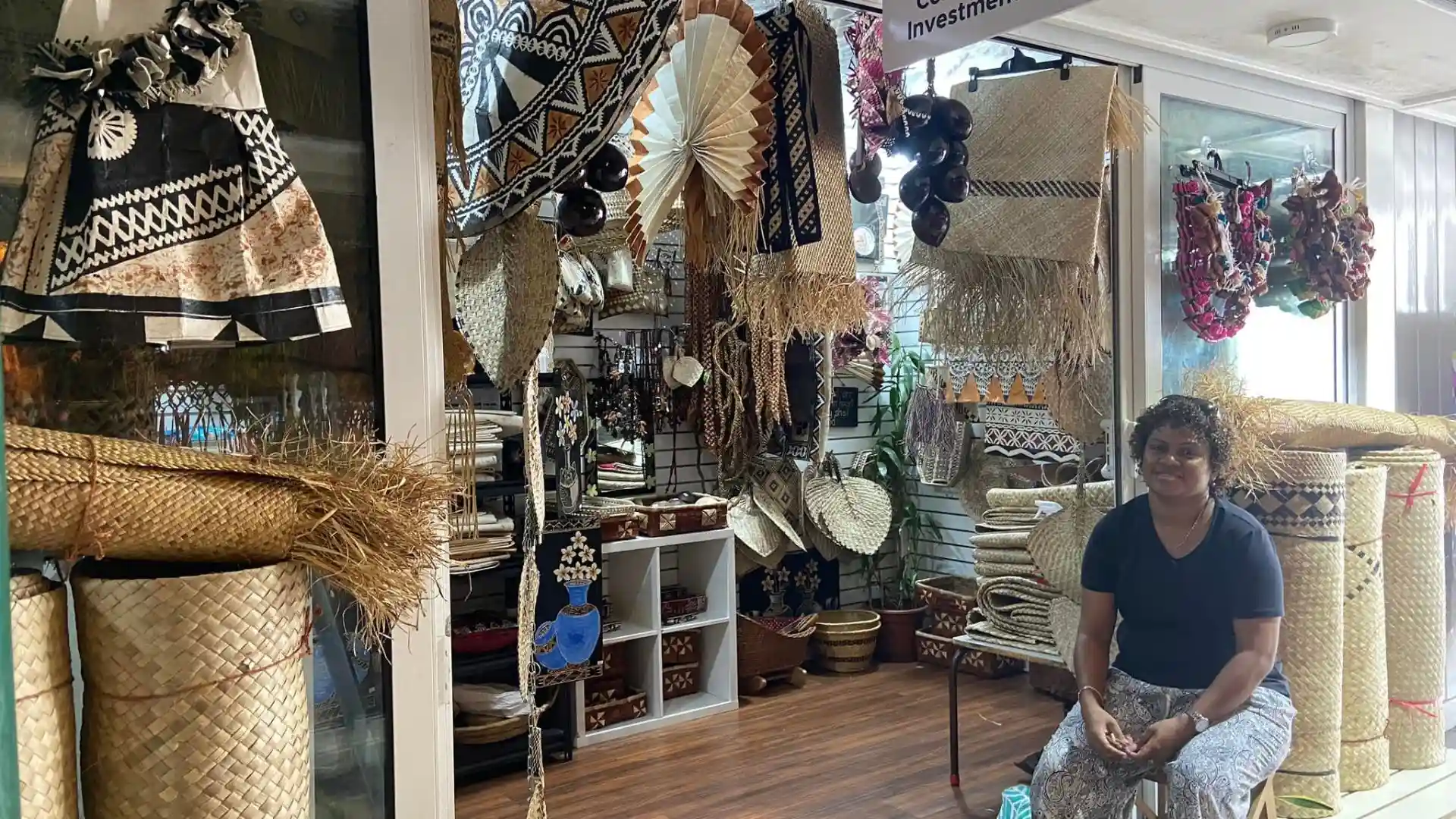
Suva Municipal Market: The Crown Jewel of Fijian Handicrafts
The iconic Suva Municipal Market stands as Fiji's premier destination for authentic traditional handicrafts, occupying a stunning three-story colonial building that has served as the cultural and commercial heart of the capital since 1881. This architectural landmark houses over 200+ vendors specializing in traditional Fijian arts, contemporary Pacific Island crafts, and unique cultural artifacts that represent the finest examples of local craftsmanship and artistic expression, similar to the cultural exhibits at the Fiji Museum Cultural Center.
The market's dedicated handicraft section features specialized stalls organized by craft type, allowing visitors to explore comprehensive collections of wood carvings, textile arts, jewelry, ceramics, and ceremonial objects while interacting directly with the artisans who create these remarkable works. The building's unique design provides natural lighting and ventilation that creates an ideal environment for both displaying crafts and facilitating cultural exchange between visitors and local artists.
Market Heritage
The Suva Municipal Market represents over 140 years of continuous cultural commerce, serving as a living repository of Fijian craftsmanship where traditional techniques are preserved, transmitted to new generations, and adapted to contemporary needs while maintaining authentic cultural significance and artistic integrity.
Traditional Wood Carving Masters
Fijian wood carving represents one of the Pacific's most sophisticated artistic traditions, with master carvers in Suva's markets creating everything from intricate tanoa (kava bowls) and war clubs to contemporary sculptures and functional art pieces using traditional tools and techniques passed down through generations. These skilled artisans work primarily with native hardwoods like vesi, dakua, and yaka, each selected for specific properties that enhance both aesthetic appeal and functional durability, reflecting techniques also seen in Navala Traditional Village.
Traditional Tanoa Bowls
Sacred kava ceremony bowls hand-carved from single pieces of hardwood, featuring traditional leg designs and spiritual significance, often used in Kava Ceremony Experience.
Ceremonial War Clubs
Authentic replicas of traditional Fijian weapons featuring intricate carved patterns and cultural symbolism.
Contemporary Sculptures
Modern artistic interpretations of traditional themes created by contemporary Fijian artists and master carvers.
Functional Art Pieces
Beautiful wooden bowls, serving platters, and decorative items that combine traditional techniques with practical modern use.
Tapa Cloth: Sacred Textile Heritage
Tapa cloth (known locally as masi) represents one of Fiji's most important traditional art forms, created through the ancient process of harvesting, preparing, and decorating bark from the paper mulberry tree using techniques that have remained virtually unchanged for over 3,000 years. Suva's markets feature exceptional examples of this sacred textile art, from small decorative pieces to large ceremonial cloths used in traditional weddings, chiefly installations, and religious ceremonies, similar to those showcased in Meke Traditional Dance Performance.
The creation of authentic tapa cloth requires months of careful preparation, including bark harvesting, beating, joining, and decorating using natural dyes and traditional geometric patterns that carry deep cultural meaning and spiritual significance. Master tapa artists in Suva's markets can explain the complex symbolism, production techniques, and cultural contexts that make each piece a unique work of art and cultural artifact, offering insights comparable to those gained in a Traditional Weaving Workshop.
Traditional Patterns
Ancient geometric designs carrying cultural meaning, spiritual significance, and tribal identification.
Natural Dyes
Traditional coloring using native plants, clay, and charcoal creating authentic earth-tone palettes.
Ceremonial Uses
Sacred applications in weddings, installations, and religious ceremonies throughout Fijian culture.
Contemporary Pacific Island Jewelry
Suva's handicraft markets showcase innovative contemporary jewelry that combines traditional Pacific Island materials and techniques with modern design sensibilities, creating unique pieces that appeal to international visitors while maintaining authentic cultural connections. Local artisans work with black pearls, paua shells, coral, tropical hardwoods, and precious metals to create distinctive jewelry that reflects Fiji's natural beauty and cultural heritage.
Black Pearl Jewelry
Cultured black pearls set in contemporary designs reflecting Pacific Island elegance and natural beauty.
Shell Art Pieces
Intricate jewelry incorporating traditional shell work, mother-of-pearl, and tropical designs.
Contemporary Designs
Modern interpretations of traditional motifs created by innovative Pacific Island jewelry artists.
Traditional Pottery and Ceramics
Fijian pottery traditions represent some of the Pacific's oldest continuous ceramic arts, with archaeological evidence of pottery production dating back over 3,000 years. Contemporary potters in Suva's markets continue these ancient traditions while developing innovative techniques and designs that reflect both traditional knowledge and contemporary artistic vision, creating functional and decorative ceramics that serve as beautiful reminders of Fiji's cultural heritage, much like the pottery crafted at Village Pottery Making workshops.
Traditional Fijian pottery emphasizes functionality and cultural significance, with vessels designed for food preparation, water storage, and ceremonial use. Contemporary ceramics expand these traditions to include decorative art pieces, contemporary dinnerware, and tourist-oriented crafts that maintain authentic production techniques while appealing to modern aesthetic preferences.
Woven Arts and Traditional Textiles
Fiji's weaving traditions encompass a remarkable range of materials and techniques, from pandanus leaf baskets and mats to coconut fiber ropes and contemporary textile arts that combine traditional knowledge with modern materials and designs. Suva's markets feature master weavers who demonstrate these ancient techniques while creating both functional and decorative items that showcase the sophistication and beauty of traditional Fijian textile arts.
Traditional Weaving Materials
- Pandanus leaves - Traditional basketry and mat weaving for household and ceremonial use
- Coconut fibers - Strong ropes, nets, and structural textiles for traditional construction
- Bamboo strips - Decorative and functional weaving for containers and architectural elements
- Native grasses - Fine weaving for ceremonial items and decorative traditional crafts
- Modern materials - Contemporary adaptations incorporating synthetic fibers and new techniques
Handicraft Shopping Districts and Locations
Suva's handicraft shopping extends beyond the central municipal market to include specialized craft centers, gallery districts, and artisan workshops throughout the capital city. Each location offers unique advantages, from the comprehensive selection and competitive prices at the main market to the curated collections and educational experiences available at cultural centers and specialty galleries.
Suva Municipal Market
Central marketplace with largest selection, competitive prices, and direct access to numerous artisan vendors.
Fiji Museum Shop
Curated collection of museum-quality crafts with authenticity guarantees and cultural context.
Cultural Center Galleries
Specialized galleries featuring contemporary Pacific Island art and traditional crafts with artist information.
Artisan Workshop Tours
Direct studio visits where visitors can observe creation processes and purchase directly from artists.
Expert Shopping Tips and Authenticity Guide
Successful handicraft shopping in Suva requires understanding quality indicators, authenticity markers, and fair pricing principles that ensure visitors receive genuine traditional crafts while supporting legitimate local artisans. Experienced shoppers develop relationships with trusted vendors, learn to recognize superior craftsmanship, and understand the cultural significance of different craft categories, as emphasized in Respect Local Customs.
Authenticity verification involves examining construction techniques, material quality, and cultural accuracy while avoiding mass-produced imports that lack the cultural significance and artistic merit of genuine Fijian handicrafts. Building relationships with artisan families and understanding traditional production methods helps visitors make informed purchasing decisions that support authentic cultural preservation.
Authentication Checklist
- Examine construction quality and traditional technique evidence
- Verify use of authentic materials and traditional tools
- Ask about the artisan's background and training in traditional methods
- Look for cultural accuracy in designs and symbolic elements
- Compare prices across multiple vendors for market understanding
- Request information about cultural significance and proper use
- Avoid obviously machine-made items and imported reproductions
Cultural Etiquette and Respectful Shopping
Shopping for traditional handicrafts requires cultural sensitivity and respectful interaction with artisans who are not merely vendors but cultural practitioners preserving irreplaceable traditional knowledge. Understanding appropriate bargaining practices, showing genuine interest in cultural significance, and treating artisans as skilled professionals rather than tourist entertainers creates positive cultural exchange experiences, a principle also highlighted in Bose Levu Traditional Feast.
Respectful Interaction
Treat artisans as skilled professionals and cultural knowledge keepers deserving of respect and fair compensation.
Cultural Learning
Ask about techniques, significance, and proper use while showing genuine interest in cultural heritage.
Fair Pricing
Understand that authentic handicrafts require significant time and skill, justifying appropriate pricing.
Seasonal Shopping and Market Rhythms
Suva's handicraft markets operate according to seasonal rhythms that affect both vendor presence and product availability, with peak tourist seasons offering the largest selection but also higher prices, while off-season shopping provides opportunities for deeper cultural interaction and better deals. Understanding these patterns helps visitors optimize their shopping experiences and cultural learning opportunities, especially during events like the Seasonal Harvest Celebration.
Traditional craft production follows cultural calendars tied to agricultural cycles, religious observances, and community celebrations, resulting in seasonal availability of certain items and techniques. Visitors planning specific purchases should research production cycles and consider timing their visits to coincide with optimal availability and cultural events.
Supporting Sustainable Cultural Tourism
Responsible handicraft shopping supports sustainable cultural tourism by providing economic opportunities for traditional artisans, encouraging preservation of traditional skills, and demonstrating international appreciation for Pacific Island cultural heritage. Thoughtful consumers can make purchasing decisions that promote cultural continuity while obtaining authentic, meaningful souvenirs.
Economic Support
Direct purchase from artisans provides crucial income supporting traditional craft preservation and family livelihoods.
Cultural Preservation
Market demand encourages skill transmission to younger generations and maintenance of traditional knowledge systems.
Cultural Exchange
Shopping interactions create opportunities for meaningful cultural learning and international friendship building.
Shipping and International Transport
Many visitors require shipping services for larger handicraft purchases, with Suva offering various options from reliable international carriers to specialized art transport services that ensure safe delivery of fragile traditional crafts. Understanding packaging requirements, insurance options, and international regulations helps visitors successfully transport their cultural treasures home, especially when traveling from Nadi Airport.
Shipping Considerations
- Research customs regulations for traditional crafts and cultural artifacts
- Obtain proper documentation and authenticity certificates when required
- Use specialized packaging for fragile items like pottery and carved wood
- Consider insurance coverage for valuable or irreplaceable items
- Allow extra time for international shipping and customs processing
- Keep receipts and documentation for customs and insurance purposes
Photography and Documentation Ethics
Photographing handicrafts and artisans requires sensitivity to cultural protocols and intellectual property considerations, with some traditional designs and techniques considered sacred or proprietary to specific families or communities. Respectful visitors ask permission before photographing people or specific cultural items and understand that some aspects of traditional culture are not appropriate for casual documentation.
Professional documentation projects and serious cultural research require formal permissions and often involve reciprocal arrangements that benefit the communities being documented. Casual visitors should focus on appreciating and purchasing authentic crafts rather than attempting comprehensive documentation of traditional techniques or sacred cultural elements.
Market Operating Hours and Best Times to Visit
Suva's handicraft markets operate on schedules that balance tourist convenience with local business patterns, typically opening early in the morning and remaining active through late afternoon. The best shopping experiences often occur during mid-morning hours when vendors are fully set up, product selection is complete, and artisans are available for cultural interaction and custom work discussions.
Weekday Shopping
Less crowded conditions allowing for better cultural interaction and negotiation opportunities with local artisans.
Weekend Markets
Maximum vendor participation and product selection, but higher crowds and more competitive shopping environment.
Morning Hours
Optimal conditions with fresh inventory, energetic vendors, and comfortable temperatures for browsing.
Late Afternoon
Potential bargaining opportunities as vendors prepare to close, but reduced selection and rushed interactions.
Contemporary Innovations in Traditional Crafts
Modern Fijian artisans successfully balance traditional techniques with contemporary innovations, creating hybrid art forms that maintain cultural authenticity while appealing to international markets and modern aesthetic preferences. These innovations include new applications for traditional materials, fusion designs combining multiple cultural influences, and adaptation of ancient techniques for contemporary functional and decorative items.
The most successful contemporary innovations respect traditional cultural boundaries while exploring new creative possibilities, often involving collaboration between master traditional artisans and younger artists who bring fresh perspectives and modern technical skills to ancient craft traditions. These collaborations ensure cultural continuity while supporting economic sustainability for traditional craft communities.
Building Long-term Relationships with Artisan Families
Serious collectors and cultural enthusiasts often develop ongoing relationships with specific artisan families, commissioning custom pieces, supporting traditional skill development, and becoming part of extended cultural networks that transcend simple commercial transactions. These relationships provide deeper cultural learning opportunities while ensuring access to the finest examples of traditional craftsmanship, as seen in the community engagement at Sigatoka River Safari.
Discover Authentic Fijian Culture Through Traditional Handicrafts
Suva's vibrant handicraft markets offer visitors an extraordinary opportunity to experience authentic Fijian culture through direct interaction with master artisans, traditional craftspeople, and contemporary artists who preserve and evolve Pacific Island cultural heritage through their remarkable creative work. These markets represent far more than shopping destinations, serving as living cultural museums where ancient techniques, traditional knowledge, and artistic innovation converge to create meaningful cultural exchange experiences. By supporting authentic local handicrafts, visitors contribute to cultural preservation, economic sustainability, and international appreciation for the remarkable artistic heritage of Fiji and the broader Pacific region, while acquiring unique, meaningful treasures that carry the spirit and stories of traditional Fijian culture into the modern world.