Bose Levu Traditional Feast: Sacred Fijian Communal Celebration
Bose Levu represents one of Fiji's most sacred and elaborate traditional feasts, bringing together entire communities in a celebration that honors ancestors, strengthens social bonds, and preserves ancient cultural practices. This grand communal gathering showcases the heart of Fijian hospitality and the deep spiritual connection between people, land, and tradition—the same communal spirit that defines daily life in authentic villages like Navala Traditional Village, where these ancient feast traditions continue unchanged.
Sacred Cultural Heritage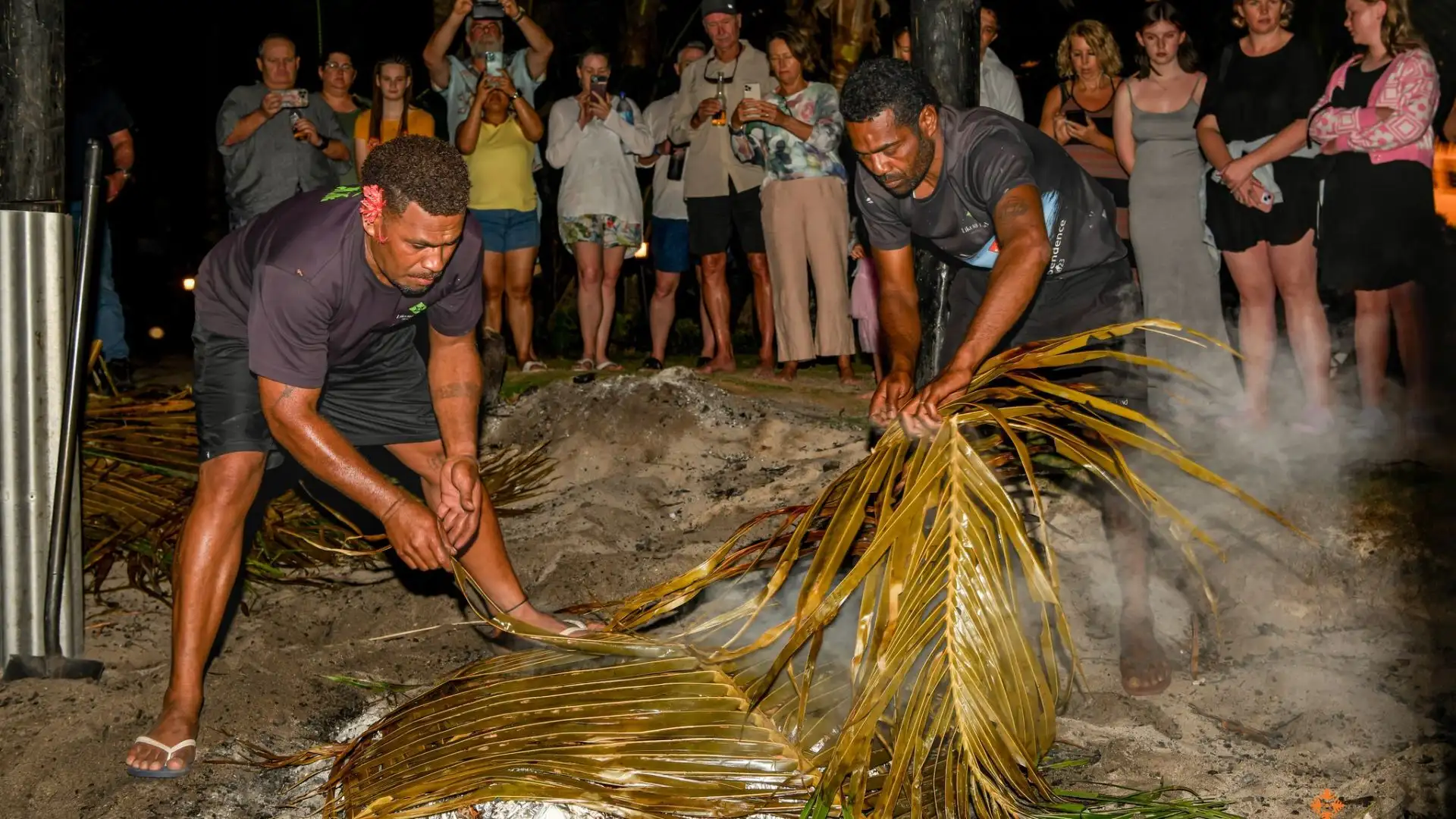
The Sacred Significance of Bose Levu
The term "Bose Levu" translates to "Great Council" or "Grand Assembly," reflecting the feast's role as more than mere dining—it serves as a spiritual and social institution that has preserved Fijian culture for over 3,000 years. These gatherings mark significant life events, seasonal celebrations, and community milestones, creating a sacred space where generations connect through shared rituals and storytelling. These oral traditions and cultural narratives mirror the comprehensive historical accounts preserved at the Fiji Museum Cultural Center, where visitors can explore the broader context of these ancient customs.
Each Bose Levu follows strict protocols established by village elders and traditional chiefs, ensuring that ancient customs remain authentic and meaningful. The preparation process begins weeks in advance, involving entire extended families and fostering cooperation that strengthens community bonds long before the feast begins.
Cultural Preservation
Bose Levu ceremonies serve as living classrooms where traditional knowledge, oral histories, and ancestral wisdom are passed from elders to younger generations. Each feast preserves centuries of cultural practices, language, and spiritual beliefs that define Fijian identity.
Traditional Ceremony Elements
Every Bose Levu follows a carefully orchestrated sequence of rituals that honor both ancestors and living community members. The ceremony begins with the presentation of sevusevu (traditional offering of kava roots) to village chiefs, followed by prayers and blessings that invoke ancestral protection and community prosperity.
Kava Ceremony
Sacred yaqona drinking ritual that opens the feast, creating spiritual connection between participants and ancestors. To fully understand this central element of the Bose Levu, visitors can participate in a dedicated Kava Ceremony Experience that explores the deep spiritual significance of this ancient ritual.
Meke Performance
Traditional dance and chanting that tells ancient stories, legends, and celebrates community achievements. These powerful performances form the entertainment heart of every Bose Levu, and their artistry can be experienced separately at a Meke Traditional Dance Performance.
Bose (Council Speaking)
Formal speeches by chiefs and elders sharing wisdom, resolving disputes, and making community decisions.
Communal Feast
Sharing of traditional foods prepared using ancient techniques, symbolizing unity and abundance.
Traditional Food Preparation
Bose Levu feasts showcase Fiji's rich culinary heritage through traditional cooking methods passed down through generations. The centerpiece is the lovo (earth oven), where meats, fish, and vegetables are slow-cooked underground using heated volcanic stones, creating distinctive flavors impossible to replicate with modern techniques.
Food preparation becomes a community ritual itself, with specific roles assigned based on age, gender, and family status. Men typically handle the lovo construction and meat preparation, while women prepare accompaniments like kokoda (raw fish salad) and traditional root vegetables. Children learn by observation, ensuring knowledge transfer continues across generations. This same method of hands-on learning through direct observation is employed in traditional crafts education at workshops like the Traditional Weaving Workshop, where ancient skills pass from master to student.
Lovo Earth Oven
Underground cooking method using heated stones, banana leaves, and natural steam for 4-6 hours.
Traditional Ingredients
Fresh seafood, wild pig, taro, cassava, breadfruit, and tropical fruits harvested from local gardens.
Sacred Recipes
Ancient cooking techniques and ingredient combinations known only to village elders and master cooks.
Feast Menu & Traditional Dishes
A typical Bose Levu features dozens of traditional dishes that reflect Fiji's natural bounty and culinary creativity. The menu varies by season and location but always includes sacred foods that connect diners to their ancestral heritage and the land that sustains them.
Fresh Seafood
Whole fish, prawns, crab, and sea urchin prepared with coconut milk, lime, and traditional spices.
Roasted Meats
Wild boar, chicken, and beef slow-cooked in the lovo until tender and infused with smoky flavors.
Root Vegetables
Taro, cassava, yams, and sweet potatoes providing essential starches and traditional nutrition.
Community Roles and Hierarchy
Bose Levu ceremonies reflect and reinforce traditional Fijian social structures through carefully observed protocols. Village chiefs (Turaga) hold positions of honor, with specific seating arrangements, serving orders, and speaking privileges that acknowledge their spiritual and temporal authority within the community.
Extended families (mataqali) work together to contribute specific elements to the feast, from food preparation to ceremonial items. This collaborative effort strengthens kinship bonds while ensuring that no single family bears the full burden of hosting these elaborate celebrations. Such community cooperation and shared responsibility can also be witnessed during river expeditions like the Sigatoka River Safari, where village communities along the riverbanks demonstrate similar collective approaches to welcoming and hosting visitors.
Traditional Roles in Bose Levu
- Village chief (Turaga) leads prayers and formal ceremonies, serving as spiritual guide.
- Master of ceremonies (Mata ni Bose) coordinates events and ensures proper protocol observance.
- Traditional cooks (Vu ni Kana) oversee food preparation using ancestral techniques.
- Storytellers (Vu ni Talanoaloa) share oral histories and cultural teachings during the feast.
- Kava servers (Dau ni Yaqona) perform sacred drinking rituals with precise ceremonial movements.
- Musicians and dancers (Dau ni Meke) provide entertainment that preserves traditional arts.
Seasonal Celebrations and Occasions
Bose Levu feasts mark significant moments in the Fijian calendar, from harvest celebrations that give thanks for abundant crops to wedding ceremonies that unite families and communities. Each occasion carries specific traditions and symbolic meanings that connect participants to natural cycles and spiritual beliefs, celebrating the agricultural abundance and community prosperity that define traditional Fijian life.
Religious festivals, coming-of-age ceremonies, and memorial services all incorporate Bose Levu elements, adapting ancient traditions to honor both pre-Christian beliefs and modern Christian practices that have become integral to Fijian culture.
Visitor Participation and Cultural Etiquette
Respectful visitors may occasionally receive invitations to witness or participate in Bose Levu ceremonies, particularly during festival seasons or community celebrations. Such invitations represent tremendous honor and require careful attention to cultural protocols and traditional etiquette. Understanding and observing proper behavior during these sacred occasions is essential, as detailed in the comprehensive guidelines for respecting local customs throughout Fiji.
Visitor Guidelines for Bose Levu
- Present sevusevu (kava roots) to village chief upon arrival as traditional offering.
- Dress modestly with shoulders and knees covered; remove hats during ceremonies.
- Wait for invitation before sitting; never touch someone's head or point with feet.
- Accept offered food and kava respectfully, even if only taking small amounts.
- Avoid photography during sacred moments; ask permission before taking any pictures.
- Listen respectfully during speeches and ceremonies, maintaining quiet attention.
- Follow local guidance regarding appropriate behavior and cultural sensitivity.
Preserving Ancient Traditions
Modern Bose Levu ceremonies face challenges from urbanization, globalization, and changing lifestyles, yet village communities work diligently to preserve these essential cultural practices. Youth education programs teach traditional cooking methods, ceremonial protocols, and the deeper spiritual meanings behind feast rituals.
Cultural centers and tourism initiatives provide platforms for sharing Bose Levu traditions with broader audiences while maintaining the sacred and authentic nature of these ancient celebrations. This balance between preservation and sharing ensures that future generations will continue to experience the profound community bonds that these feasts create, supporting the same cultural preservation efforts seen in traditional craft markets and cultural showcases throughout Fiji.
Experiencing Authentic Bose Levu
Several Fijian villages and cultural centers offer opportunities for visitors to witness authentic Bose Levu ceremonies, particularly during harvest seasons (March-May) and traditional festival periods. These experiences require advance planning and cultural sensitivity but provide unparalleled insights into Fijian society and spiritual beliefs.
Village homestay programs occasionally include participation in family Bose Levu celebrations, offering intimate glimpses into daily Fijian life and the role these feasts play in maintaining community cohesion. Such experiences create lasting connections between visitors and local families while supporting community-based tourism initiatives.
Best Times to Experience Bose Levu
- Harvest season (March-May) features thanksgiving feasts celebrating abundant crops.
- Christmas and New Year period combines traditional feasts with Christian celebrations.
- Hibiscus Festival (August) in Suva includes village feast demonstrations and competitions.
- Wedding season (dry months May-October) offers opportunities to witness celebration feasts.
- Village festival days throughout the year feature community-wide Bose Levu gatherings.
- Cultural center demonstrations provide year-round access to traditional feast experiences.
Cultural Learning and Understanding
Participating in or witnessing Bose Levu ceremonies provides profound insights into Fijian values of community cooperation, respect for elders, environmental stewardship, and spiritual connection to ancestral traditions. These experiences challenge Western individualistic perspectives while demonstrating alternative approaches to social organization and cultural preservation.
The feast traditions illustrate how food serves purposes far beyond nutrition, functioning as spiritual offering, social glue, and cultural transmission mechanism. Understanding these deeper meanings enhances appreciation for Fijian culture and provides valuable lessons about sustainable community living and cultural continuity.
Experience the Heart of Fijian Culture
Bose Levu traditional feasts offer visitors unique opportunities to experience authentic Fijian culture through sacred ceremonies, traditional foods, and ancient customs that have sustained communities for millennia. By participating respectfully in these gatherings, visitors support cultural preservation while gaining profound insights into alternative ways of living, sharing, and maintaining community bonds. Each Bose Levu ceremony represents a living bridge between ancient wisdom and modern life, demonstrating how traditional practices can continue to provide meaning, connection, and spiritual nourishment in our rapidly changing world.