Mosquitoes in Fiji: When They Bite and How to Avoid Bites
Updated:
Short answer: yes, there are mosquitoes throughout Fiji, including in cities, resorts, villages and the outer islands. The number of bites varies with recent rain, standing water, wind, vegetation and the design of your accommodation. Protection should not be limited to the evening. Mosquitoes can bite during the day and night, and the Aedes mosquitoes associated with dengue, Zika and chikungunya are important daytime biters.
Most travelers do not need to reorganize an entire Fiji trip around mosquitoes. A better plan is to bring a proven repellent, use it according to the label, cover exposed skin when practical and choose screened or air-conditioned accommodation where possible. This country-wide guide explains how exposure can change between beach resorts, towns, rainforest activities and open-air island accommodation.
Daytime Bites • Repellent • Clothing • Rooms • Children • Regional Planning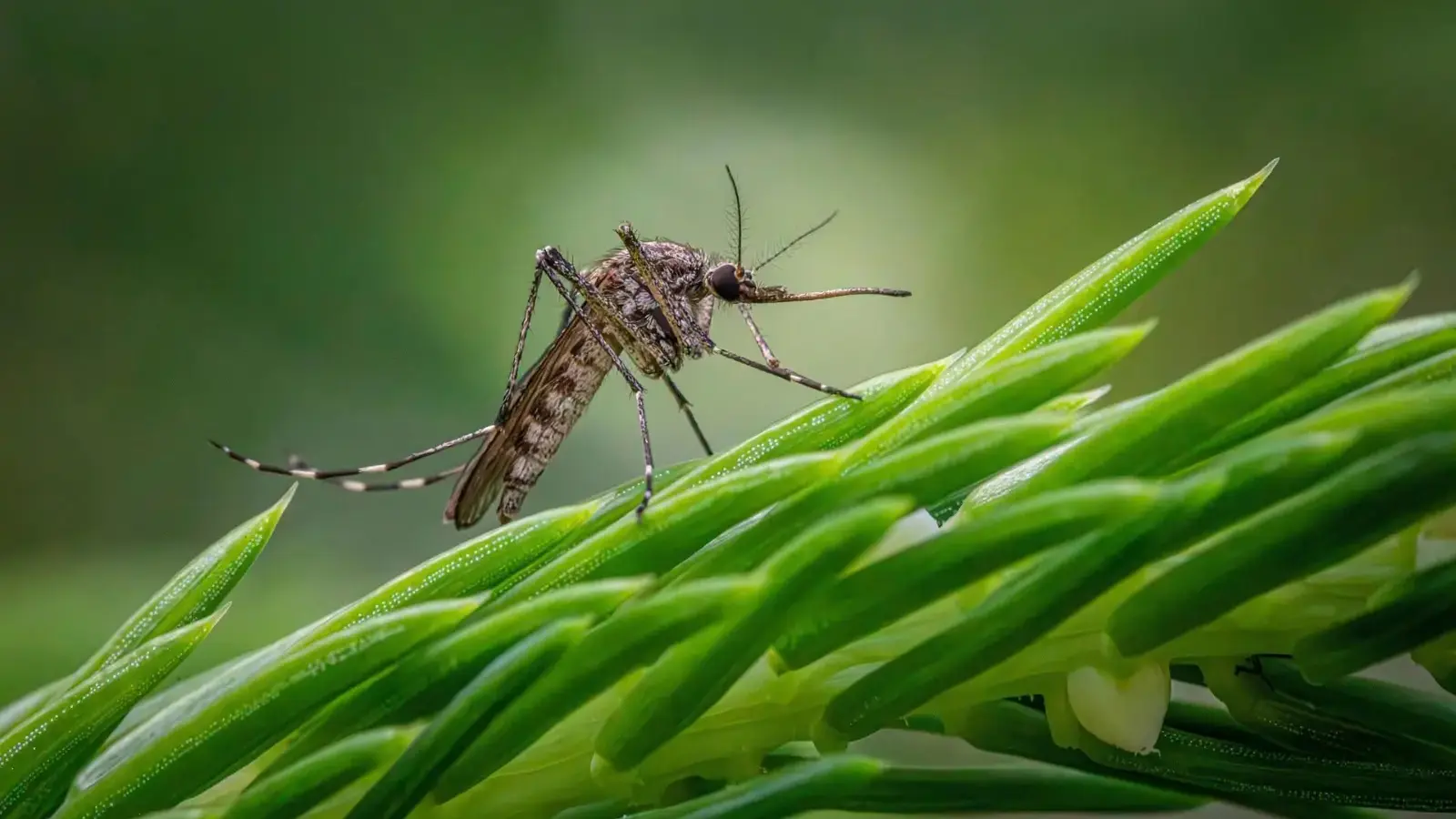
| Question | Practical answer |
|---|---|
| Are there mosquitoes in Fiji? | Yes. Exposure varies by location, weather, standing water and accommodation rather than following one rule for every island. |
| When can they bite? | During the day and night. Dengue-carrying Aedes mosquitoes often bite in daylight, with activity commonly increasing around early morning and late afternoon. |
| Which repellents are useful? | Look for a regulated product containing DEET, picaridin or icaridin, IR3535, OLE or PMD, or 2-undecanone, then follow its label. |
| Is a mosquito net always necessary? | No. It is most useful where rooms are open to the outdoors or lack reliable screens or air conditioning. It does not replace daytime protection. |
| Which illnesses matter? | Official travel advice identifies dengue, Zika and chikungunya as mosquito-borne risks. Malaria is not considered a current travel risk in Fiji. |
| What if I develop a fever? | Seek medical advice and mention your Fiji travel. Urgent warning signs require immediate care. |
Are mosquitoes a problem in Fiji?
Mosquitoes are part of Fiji's tropical environment, but one visitor's experience does not predict another's. A breezy coastal room with intact screens may feel very different from a shaded garden, an open-sided homestay or a forest visit after rain. It is more useful to prepare for bites than to expect either “no mosquitoes” or a constant swarm.
The health reason for taking bites seriously is not malaria. WHO lists Fiji among countries and territories where malaria never existed or disappeared without specific measures. Malaria is not considered a current travel risk in Fiji. The relevant travel-health concerns are dengue, Zika and chikungunya. CDC lists dengue and Zika for Fiji, while current Australian travel advice warns that Fiji is prone to outbreaks of mosquito-borne illness and also names chikungunya.
This does not mean every mosquito carries disease or that every bite will make a traveler ill. It means the article should avoid unsupported labels such as “very low risk” and give readers a prevention routine they can actually use. For vaccines, medical care, emergency numbers and illness planning beyond mosquito bites, read the Fiji health and safety guide.
When do mosquitoes bite in Fiji?
Protect yourself during the day as well as in the evening. CDC notes that mosquitoes bite throughout the day and night, although the peak varies by species. Aedes aegypti, the principal vector associated with dengue and Zika, often has stronger activity after sunrise and around sunset. That is not a safe window: bites can still occur between those peaks and after dark.
- Morning: apply repellent before leaving for breakfast, a market, a garden or a walk.
- Daytime: keep protection on for outdoor sightseeing, not only rainforest excursions.
- Late afternoon and evening: cover up when practical and reapply only when the product label says to do so.
- Night: use screens, air conditioning or a properly hung net where the room is exposed to the outdoors.
Recent rain and water-holding containers can create breeding sites. Wind, room design, local mosquito control and the immediate surroundings also matter, so a calendar alone cannot predict how many bites you will experience.
How to choose a mosquito repellent for Fiji
Start with the active ingredient, not a claim such as “tropical strength” or “natural.” CDC recommends regulated repellents containing one of the following proven active ingredients:
- DEET
- Picaridin, also called icaridin or KBR 3023
- IR3535
- Oil of lemon eucalyptus (OLE) or para-menthane-diol (PMD)
- 2-undecanone
Pure lemon eucalyptus essential oil is not the same as a tested OLE or PMD repellent formulation. CDC does not recommend relying on unregistered “natural” repellents whose protection has not been established. If you buy a product outside the United States, look for the same active ingredients, a clear local registration and precise instructions in a language you understand.
A higher percentage of an active ingredient usually extends protection time rather than making the product more powerful at that moment. Heat, swimming, perspiration and rubbing can shorten protection. Do not copy one universal percentage or reapplication schedule into every Fiji itinerary. Choose a duration that fits the activity and follow the specific label.
How to apply repellent correctly
- Read the label first. Use only the amount and reapplication interval stated by the manufacturer.
- Cover exposed skin. Apply a thin, even layer where the label permits. Heavy saturation is unnecessary.
- Do not spray directly onto your face. Put the product on your hands first, then apply it carefully while avoiding eyes and mouth.
- Keep it away from cuts and irritated skin. Do not apply repellent beneath clothing unless the label specifically allows it.
- Use the right order with sunscreen. Apply sunscreen first and repellent second. Separate products are easier to reapply correctly than a combined sunscreen-repellent formula.
- Wash treated skin after the exposure ends. Follow the label for cleaning skin and treated clothing.
Swimming and sweating
Water and heavy perspiration can reduce protection, but that does not justify automatic over-application. Check the product's reapplication instructions after swimming, towelling off or a humid walk.
Mosquito protection for children and during pregnancy
For children, use only a product permitted by its label. CDC advises against OLE or PMD products for children under three. Adults should apply repellent to their own hands before putting it on a child's face, and should avoid the child's hands, eyes, mouth, cuts and irritated skin. Cover a stroller or baby carrier with mosquito netting and use light clothing to reduce exposed skin.
CDC states that EPA-registered repellents are considered safe for pregnant and breastfeeding women when used as directed. Pregnancy also makes current Zika advice particularly important because infection can affect a fetus. A pregnant traveler, or anyone planning pregnancy, should review current destination advice with a qualified clinician instead of relying only on a general travel article.
Clothing, rooms and mosquito nets
Loose, light long sleeves and trousers reduce exposed skin and can be more comfortable than heavy clothing in humid weather. Closed shoes and socks can help on forest or garden walks. Clothing should support repellent, not replace it on skin that remains exposed.
Permethrin-treated clothing, shoes, nets and other gear can add protection when the product is sold and labelled for that use. Permethrin must not be applied directly to skin. Follow the treatment and washing instructions, or buy factory-treated items rather than improvising with a household insecticide.
For accommodation, intact window and door screens or air conditioning are often simpler than packing a net. A net is useful when the sleeping space is open to the outdoors, screens are missing or damaged, or the property advises guests to bring one. Check for tears, keep the net closed and tuck it as designed. Because dengue mosquitoes can bite during the day, a bed net is only one layer of protection.
How mosquito exposure changes around Fiji
Mosquito exposure is local and cannot be predicted from an island name alone. Recent rain, water-holding containers, shade, vegetation, wind and room design often matter more than whether you stay on Viti Levu, Vanua Levu or a smaller island. No city, resort zone or beach should be treated as permanently mosquito-free.
- Cities and towns: mosquitoes can breed in containers around homes, gardens and accommodation. Check screens and report standing water to the property staff.
- Beach resorts and small islands: wind can change how many mosquitoes you notice, but sheltered landscaping, still corners and rooms may still need protection.
- Rainforest, waterfall, farm and garden trips: shade, vegetation and longer periods outdoors make applying repellent before departure especially practical.
- Open-air homestays and eco-lodges: ask about screens, fans, air conditioning and bed nets before booking, and do not assume your preferred repellent will be available nearby.
Use the same baseline routine whether your itinerary includes Nadi and Denarau, the Coral Coast, Suva and Pacific Harbour, Vanua Levu, Taveuni, or the Mamanuca and Yasawa islands: carry a labelled repellent, protect exposed skin during the day as well as at night, and check the exact room rather than relying on a regional reputation. For seasonal trip planning, use the Fiji weather guide; for the live forecast and warnings, check the Fiji Meteorological Service before outdoor activities and transfers.
What to do after a mosquito bite or if you develop a fever
For an ordinary itchy bite, avoid scratching, wash the area and use a cold compress. A pharmacist or clinician can help choose an itch-relief or antihistamine product that is appropriate for your age, health and other medicines. Seek help for a severe allergic reaction, spreading swelling, breathing difficulty or signs of infection.
If you develop a fever during the trip or after returning home, contact a clinician and mention that you have been in Fiji. Fever, headache, rash, marked body or joint pain, nausea and unusual tiredness can have many causes and should not be self-diagnosed from a travel website.
Get urgent help for warning signs
Severe abdominal pain, persistent vomiting, bleeding, difficulty breathing, confusion, extreme weakness or a rapid deterioration require urgent medical care. Until dengue has been ruled out, CDC guidance advises avoiding aspirin and NSAIDs such as ibuprofen because of bleeding risk. Ask a clinician or pharmacist what is safe for you. Call 911 for a medical emergency in Fiji.
What to pack for mosquito protection
- A regulated repellent with a proven active ingredient and enough product for the planned trip
- A light, loose long-sleeved layer and trousers
- Closed footwear and socks for forest, farm or garden activities
- A net only when the accommodation is open, unscreened or specifically recommends one
- Any personal medication and an itch-relief product approved for you
Pack the repellent in compliance with airline liquid and aerosol rules, keep it in the original container and do not decant it into an unlabelled bottle. The complete Fiji packing list covers sunscreen, medicine, rain protection, luggage and island-transfer essentials without repeating this prevention guide.
Frequently asked questions
Are there mosquitoes in Fiji?
Yes. Mosquitoes occur in Fiji, but the number you encounter varies with location, recent rain, standing water, wind, vegetation and accommodation design. Bring protection even if another traveler reports few bites at a different island or resort.
Do I need mosquito repellent in Fiji?
Repellent is a sensible item for every Fiji itinerary because dengue, Zika and chikungunya are recognized mosquito-borne risks. Use a regulated product with a proven active ingredient and follow its instructions.
What time of day do mosquitoes bite in Fiji?
Mosquitoes can bite during the day and night. Aedes mosquitoes associated with dengue and Zika commonly bite in daylight and can be more active after sunrise and around sunset, so evening-only protection is insufficient.
What is the best mosquito repellent for Fiji?
There is no single best brand. Choose a regulated product containing DEET, picaridin or icaridin, IR3535, OLE or PMD, or 2-undecanone. Select the protection duration for your activity and use the product exactly as the label directs.
Do Fiji resorts provide mosquito nets?
Some properties provide nets and others rely on screens or air conditioning. Do not assume a net is included. Ask before booking if the room is open-sided, naturally ventilated or located in a garden or forest setting.
Is there malaria in Fiji?
Malaria is not considered a current travel risk in Fiji. WHO includes Fiji in its malaria-free listings, while mosquito protection remains important because dengue, Zika and chikungunya are relevant concerns.
What should I do if I get a fever in Fiji?
Contact a clinician, mention your location and recent travel, and seek urgent care for severe abdominal pain, persistent vomiting, bleeding, difficulty breathing, confusion or rapid deterioration. Do not self-diagnose a fever, and ask a clinician what pain or fever medicine is safe while dengue is being considered.
Sources and verification
Guidance was checked on 24 September 2026. Disease notices and local mosquito conditions can change, so review current official advice before travel and during any outbreak or severe-weather event.
- CDC Travelers' Health: Fiji: destination-specific dengue, Zika and bite-prevention advice.
- CDC Travelers' Health: Avoid Bug Bites: repellents, children, clothing, rooms, nets and sunscreen order.
- CDC: Preventing Mosquito Bites: daytime and nighttime protection, active ingredients, screens and standing water.
- Fiji Ministry of Health: Dengue Fever: Fiji-specific breeding-site and prevention information.
- Fiji Ministry of Health: Zika Virus: transmission, daytime biting and pregnancy context.
- Smartraveller: Fiji health advice: current traveler advice for dengue, chikungunya, Zika and mosquito protection.
- WHO: Malaria-free countries and territories: WHO's malaria-free listing and classification for Fiji.
Medical note: this guide provides general travel information and does not replace advice from a qualified healthcare professional. Individual recommendations can differ with age, pregnancy, health conditions and current public-health notices.
Found a changed official notice or a detail that needs correction? Send FijiEco a correction.