7 Hidden Gems in Fiji: Less-Visited Places Beyond the Resorts
Fiji's most rewarding less-visited places are not empty islands waiting to be discovered. They are living villages, protected landscapes, historic towns and outer-island experiences where access takes more planning than a resort transfer. This guide compares seven options by location, time, transport and limitations so you can choose one that actually fits your trip.
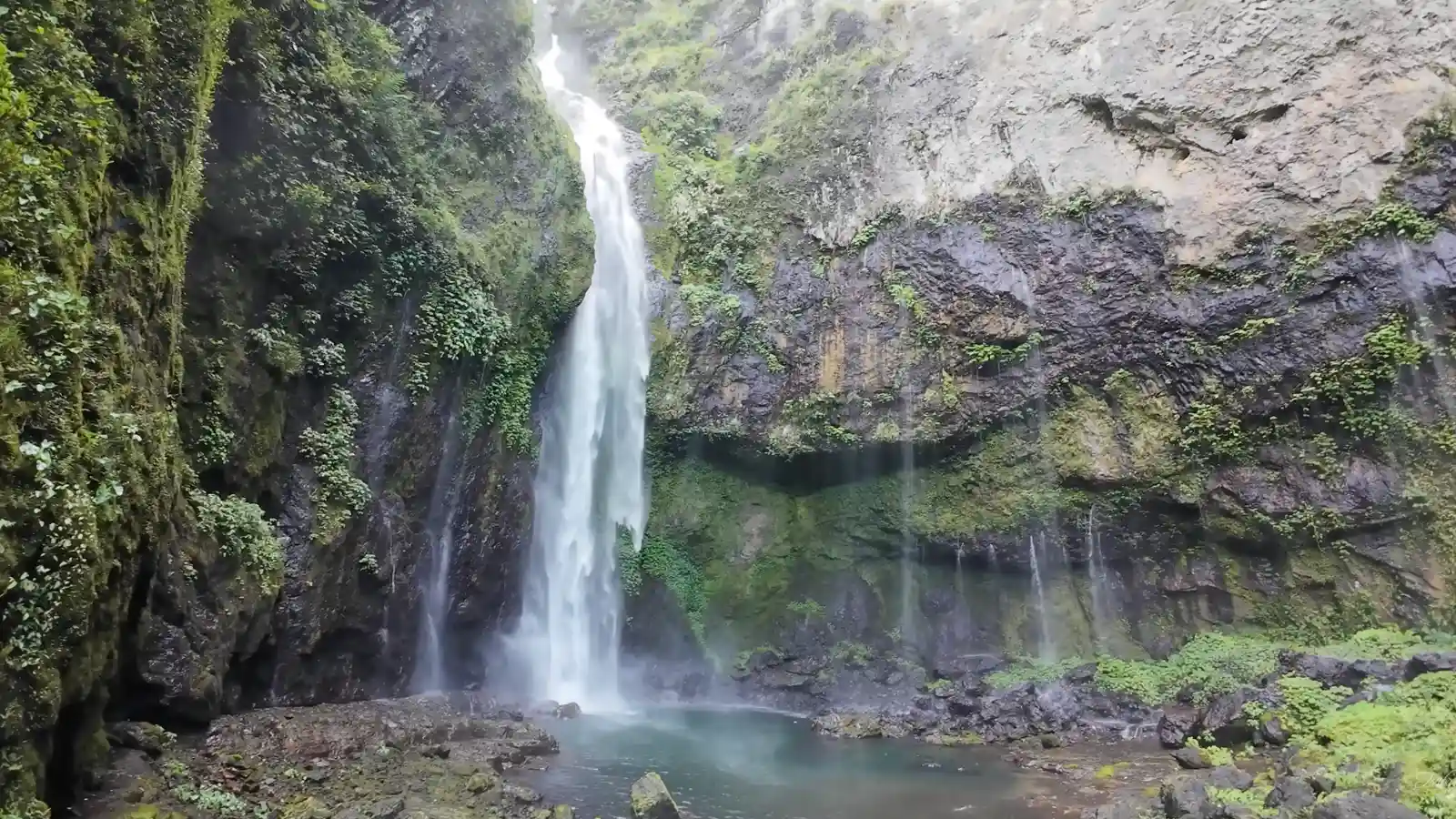
At a glance: which Fiji hidden gem fits your trip?
The time column is a realistic planning allowance, not an operator timetable. On outer islands, weather and the final boat or road transfer can matter more than the advertised flight or ferry duration.
| Experience | Island or base | Time needed | Access | Best for | Main limitation |
|---|---|---|---|---|---|
| Navala Village | Viti Levu, Ba Highlands | Full day from the west | Prearranged road visit with a host or guide | Living culture and architecture | Permission, protocol and road conditions |
| Nakama Hot Springs | Savusavu, Vanua Levu | 20 to 40 minutes | Walk or short taxi ride in town | Geology and a local town stop | Viewing only. Water is dangerously hot |
| Lavena Coastal Walk | Taveuni | Most of a day | Road transfer to Lavena, then 10 km return walk | Coast, rainforest and hiking | Wet trail, stream conditions and return transport |
| Great Astrolabe Reef | Kadavu | At least 3 to 4 nights | Domestic connection plus lodge boat transfer | Divers and reef-focused stays | Weather, currents and complex transfers |
| Levuka | Ovalau | 1 to 2 nights | Bus and ferry via Suva | History and slow travel | Long connection; flights currently suspended |
| Naihehe Cave | Sigatoka Valley, Viti Levu | Half day | Booked guided cave safari | History, landscape and guided adventure | Wet uneven surfaces and physical restrictions |
| Monuriki Island | Mamanuca Islands | Full day | Organized cruise or private charter | Boat day and film-location interest | Landing depends on sea and weather conditions |
On a small screen, swipe the table horizontally.
Choose by route, not by the word "hidden"
The practical choice is usually the place that fits your existing route. Adding a separate flight, ferry and final boat transfer for one attraction can consume more holiday time than the experience itself.
Staying in western Viti Levu
Choose Navala for a prearranged full-day cultural visit or Naihehe for a structured half-day tour from the Sigatoka area. Do not try to fit either into a short airport layover.
Already using Port Denarau
Monuriki is the simplest island option here because established day cruises operate from the Mamanuca gateway. It is still a weather-dependent boat day.
Planning an outer-island stay
Make Kadavu, Taveuni, Ovalau or Vanua Levu part of the trip rather than an add-on. Allow buffer time around small-aircraft, ferry and lodge-boat connections.
Looking for a broad activity list
This page is deliberately selective. For popular sights, resort activities and a wider range of options, use the things to do in Fiji guide.
This guide works best for repeat visitors, longer trips and travelers who value culture, walking, diving or historic places more than convenience. Travelers with limited mobility, tight flight connections or no flexibility for weather should favor Savusavu's town-center springs or Levuka's compact historic core, while checking the transport limitations described below.
2. Nakama Hot Springs: a geothermal stop in central Savusavu
The Nakama Hot Springs release steam and piping-hot water close to Savusavu's town center. Local residents have long used the heat for cooking, and the landscaped area now has paths, signs and shaded seating. It is an unusual and easy addition to a Savusavu walk, but it is not a bathing attraction.
Critical safety note
The spring water can be close to boiling point. Do not enter it, touch it, lean over vents or let children approach the hot-water outlets. Stay on the visitor paths and follow local signs.
- Realistic time
- 20 to 40 minutes during a Savusavu stay
- Best for
- Geology and a short stop during a Savusavu town walk
- Main limitation
- It is a short viewing stop, not a reason to fly to Vanua Levu alone
Combine the springs with the market, waterfront or another confirmed Savusavu activity. If you want a place to soak, ask your accommodation for a verified bathing facility instead of assuming every geothermal spring is safe. See the Savusavu Hot Springs guide for local context.
3. Lavena Coastal Walk: a 10 km return trail on Taveuni
The Lavena Coastal Walk begins at Lavena Village and follows Taveuni's coast through beaches and rainforest before turning inland toward waterfalls. The published route is 5 km one way and 10 km return. That distance is only part of the day: transport to the trailhead, registration, weather, breaks and the return journey all need to be planned.
Check in at the local visitor point and ask about current trail, stream and swimming conditions. Rain can make roots, rocks and crossings slippery. Arrange your ride back before setting out because public or shared transport may not match your walking pace.
- Realistic time
- Most of a day, including road transport and stops
- Best for
- Active travelers who want coast and rainforest in one walk
- Main limitation
- A long return walk with weather-sensitive surfaces
Bring and verify
- Carry enough drinking water, food, sun protection, rain protection and a waterproof pouch.
- Wear secure footwear that can handle wet and uneven ground.
- Turn back early enough to finish in daylight and meet your confirmed transport.
- Swim only where local staff says conditions are suitable. Do not cliff-jump.
4. Great Astrolabe Reef: plan Kadavu as a stay, not a day trip
The Great Astrolabe Reef is a large reef system off Kadavu, an island south of Viti Levu. Kadavu is not an atoll. The region is best approached through a licensed dive resort or operator that can match sites to certification, experience, currents and daily sea conditions.
Do not book on the assumption that every dive will include manta rays, sharks, exceptional visibility or a specific named site. Wildlife and water conditions are not guaranteed. A responsible operator may change or cancel a plan when wind, swell, currents or boat safety require it.
- Realistic time
- At least 3 to 4 nights, plus connection buffers
- Best for
- Certified divers and reef-focused travelers
- Main limitation
- Domestic connection, final boat transfer and variable conditions
Questions to ask a Kadavu lodge
- Which airport or wharf transfer is included, and what is the latest arrival they can meet?
- Does your certification and recent experience match the usual conditions at planned sites?
- What is the cancellation or replacement plan if sea conditions stop diving?
- What baggage limits apply to the booked domestic ticket and transfer boat?
Use the Kadavu diving guide for site-level planning and the Fiji island-hopping guide for connection logic.
5. Levuka: Fiji's UNESCO-listed historic port town
Levuka sits on Ovalau and was Fiji's first colonial capital. UNESCO describes it as a rare late-colonial Pacific port town where local building traditions and colonial settlement patterns came together. Beach Street, historic commercial buildings, religious sites and the town's relationship with the surrounding indigenous communities are the reason to visit.
Avoid the common claim that Levuka simply "froze in time" when the capital moved to Suva in 1882. UNESCO records that commercial development continued afterward. It is a living town and World Heritage property, not a preserved film set, so distinguish public heritage sites from homes and private buildings.
- Realistic time
- One or two nights on Ovalau
- Best for
- History, architecture and travelers comfortable with slow connections
- Main limitation
- Current access is by bus and ferry via Suva
Current access check
As checked on 4 September 2026, passenger flights to Ovalau are suspended. The current route is a combined bus and ferry journey from Suva, usually about 3.5 to 4 hours according to Levuka's local visitor information. Schedules and operators can change, so reconfirm before paying for accommodation.
Levuka is not a sensible day trip from Nadi. Build it around Suva, keep a buffer before any international flight and use the UNESCO property page to understand what makes the town significant.
6. Naihehe Cave: a guided Sigatoka Valley experience
Naihehe Cave is visited through an organized cave safari from the Sigatoka area. The operator interprets the cave as a former fortress and refuge connected with conflict in the valley's history. The experience combines road or off-road travel, local hosting, a sevusevu and a guided cave visit.
This is not a self-guided cave and should not be treated as one. The current operator warns of wet, uneven surfaces and says the tour is not recommended for pregnant travelers or people with back problems. If you have limited mobility, claustrophobia or a medical concern, ask for a precise description before booking rather than relying on a generic difficulty label.
- Realistic time
- Half day from the Sigatoka area
- Best for
- Travelers interested in guided history and inland landscapes
- Main limitation
- Wet terrain, off-road travel and physical restrictions
- Book with an established operator that has community access and follow the guide throughout the cave.
- Bring footwear that can get wet and a change of clothes, as the operator recommends.
- Confirm pickup, included meals, cancellation terms and the current weather policy.
- Approach accounts of warfare and past practices as local history, not as a sensational photo opportunity.
7. Monuriki Island: an uninhabited Mamanuca day-cruise stop
Monuriki is an uninhabited volcanic island in the Mamanuca group and is known internationally as a filming location for Cast Away. It is not an atoll and it is not unexplored. Organized day cruises and private charters visit the island, usually as part of a wider boat itinerary.
The appeal is a small-island landscape without resort infrastructure. That also means there are no public visitor facilities to rely on. Landing, snorkeling and the order of stops depend on the operator, tide, wind and sea conditions. A responsible cruise may change the route or skip a landing.
- Realistic time
- A full-day cruise from Port Denarau
- Best for
- A scenic boat day and travelers interested in the film location
- Main limitation
- Small-boat and tender access with no guaranteed landing
Before choosing a cruise
- Ask whether Monuriki is a scheduled stop or only a possible stop.
- Check boat size, shade, toilet access, snorkeling supervision and the tender process.
- Tell the operator about mobility limits or severe seasickness before paying.
- Do not remove shells, coral or natural material, and follow landowner and crew instructions ashore.
The booking checklist that prevents most Fiji route problems
A place can look close on a map and still require a flight, a scheduled boat and a final transfer that runs only in daylight. Before paying, get the full route in writing.
- 1. Confirm every leg. Ask for the airport, wharf or pickup point, reporting time, final transfer and who waits if the first leg is delayed.
- 2. Protect the return. Do not connect a weather-sensitive boat or outer-island flight directly to your international departure.
- 3. Verify access rules. For villages and community-managed places, confirm permission, guide, dress, photography, payment method and what the host provides.
- 4. Describe your needs. Tell the operator about diving experience, mobility, pregnancy, back problems, swimming ability, medication or severe seasickness when relevant.
- 5. Ask about the fallback. Know what happens if wind, rain, swell, road damage or maintenance changes the activity.
For the wider logistics behind these decisions, use FijiEco's transport guide and trip-planning hub. For low-impact behavior, see how to travel sustainably in Fiji.
Frequently asked questions
Which hidden gem is easiest from Nadi or Denarau?
Monuriki is usually the simplest island option because organized day cruises leave from Port Denarau. Navala is a possible full-day road trip with a prearranged host or guide. Neither should be squeezed into a few hours before a flight.
Which places need an overnight stay?
Treat Kadavu, Taveuni and Ovalau as dedicated stays. Savusavu Hot Springs make sense during a Vanua Levu stay, not as a standalone trip. Navala, Naihehe and Monuriki can be visited from a Viti Levu base when properly arranged.
Can I visit a Fijian village independently?
Do not assume open access. Arrange the visit with the community, a confirmed host or an operator that has permission. Follow local instructions on dress, photographs, ceremonies, gifts and fees.
Which option suits travelers with limited mobility?
Savusavu's town-center springs and Levuka's central heritage area may require less physical effort, although paths, heat and transport still need checking. Lavena is a long walk, Naihehe has wet uneven surfaces, and Monuriki involves boat and tender transfers. Ask the provider for specific access details.
What weather can disrupt these plans?
Heavy rain can affect roads, trails and streams. Wind and swell can alter ferries, boat transfers, diving and island landings. Check the Fiji Meteorological Service and your operator close to departure, and keep a buffer before important flights.
Are the Savusavu Hot Springs safe for swimming?
No. The Nakama springs are a viewing attraction with water that can be close to boiling. Stay on the paths, follow the signs and keep children away from hot-water outlets and steam vents.
Sources and verification
Time-sensitive access, safety and operator details were checked against official tourism, heritage and operator sources on 4 September 2026. Suggested time allocations are FijiEco planning frameworks based on those logistics, not guarantees from an operator. Current community, weather and operator instructions always override this guide.
- Tourism Fiji: Navala's Tribute to Tradition
- Savusavu Tourism Association: Nakama Thermal Hot Springs
- Tourism Fiji: Lavena Coastal Walk
- Tourism Fiji: Great Astrolabe Reef
- UNESCO World Heritage Centre: Levuka Historical Port Town
- Levuka and Ovalau visitor information: current transport access
- Off-Road Cave Safari: Naihehe history, itinerary and physical advisory
- Cruisin Fiji: Monuriki day cruise and charter information
- Fiji Meteorological Service: forecasts and warnings
Found an access change or factual error? Contact FijiEco so this guide can be corrected.