Fiji's Cultural Heritage Tourism: Beyond Paradise
Discover how Fiji's cultural heritage tourism is evolving from simple beach holidays to immersive cultural experiences, creating sustainable economic opportunities while preserving traditional practices and supporting local communities across the archipelago.
Cultural Tourism & Heritage Preservation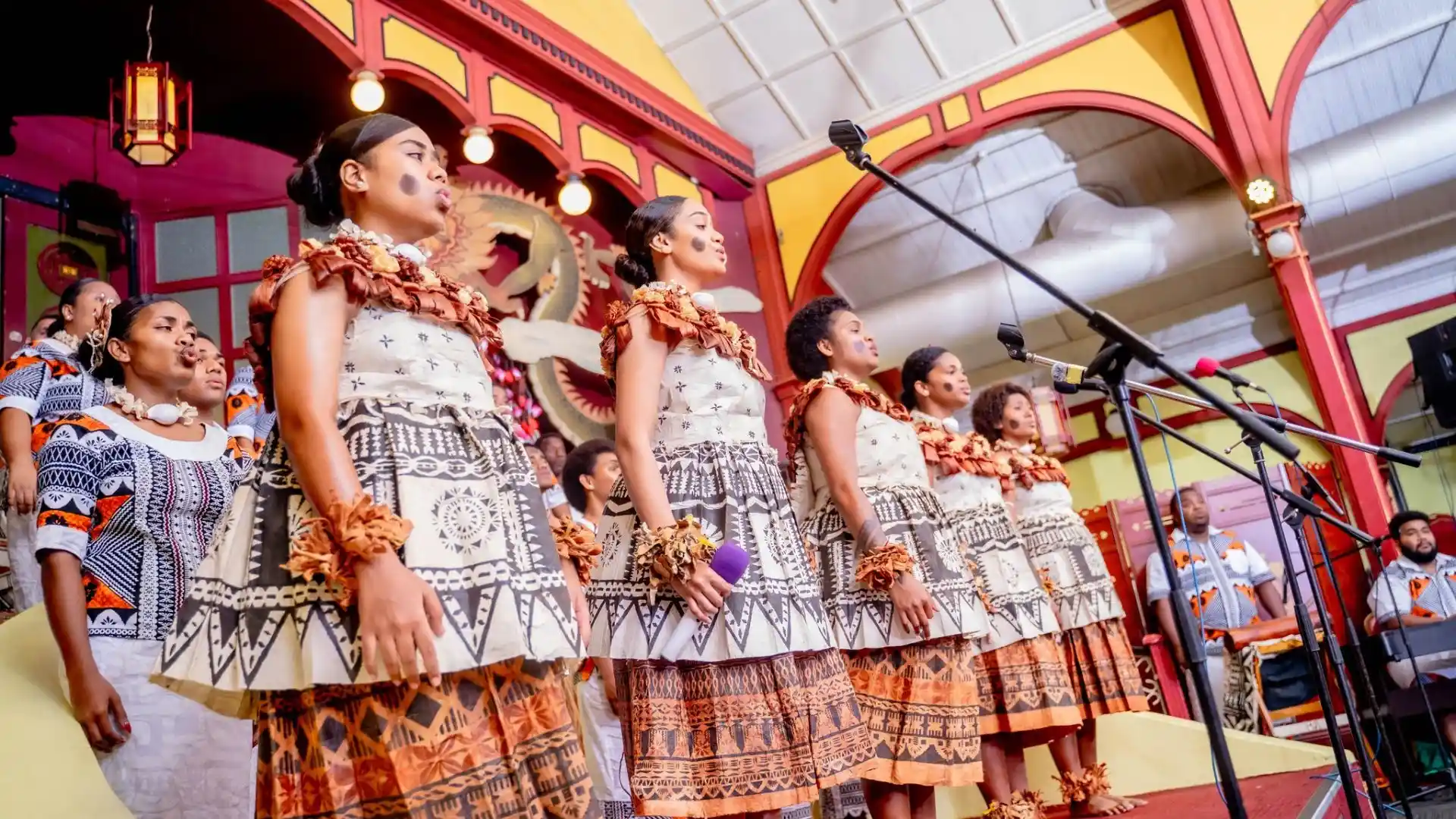
Beyond Fiji's postcard-perfect beaches and world-class diving spots lies a cultural tapestry that spans thousands of years—a living heritage that increasingly draws visitors seeking authentic experiences beyond standard resort holidays. This growing interest in Fiji's cultural dimensions presents significant economic opportunities while simultaneously supporting cultural preservation efforts across the archipelago.
From Sun-and-Sand to Cultural Immersion
Traditional tourism marketing has long positioned Fiji primarily as a tropical paradise of pristine beaches and luxury resorts. While these assets remain central to Fiji's appeal, visitor preferences have evolved considerably, with cultural experiences now ranking among the top motivations for travelers choosing Fiji as a destination.
"We're seeing a fundamental shift in what visitors are seeking," explains Josefa Tuamoto, CEO of Tourism Fiji. "The stereotypical image of tourists lounging on beaches all day is increasingly outdated. Today's travelers want to connect with Fijian people, understand our traditions, and participate in authentic cultural experiences."
This trend is particularly pronounced among high-value segments like millennial travelers and the luxury market, where distinctive cultural offerings can command premium pricing. Research conducted by the Pacific Tourism Organization indicates that visitors who engage in cultural activities stay an average of 2.3 days longer and spend approximately 35% more than those who limit their experience to beaches and water sports.
Cultural Tourism Impact
Visitors engaging in cultural activities stay 2.3 days longer and spend 35% more, transforming tourism from simple beach holidays to meaningful cultural exchanges that benefit local communities.
Village Tourism: Direct Community Benefits
Village tourism has emerged as the cornerstone of Fiji's cultural tourism strategy. Carefully structured programs allow visitors to experience traditional village life while ensuring economic benefits flow directly to communities rather than being captured by intermediaries. Many of these experiences include traditional kava ceremonies where visitors can participate in this sacred communal ritual.
The village of Navala in Ba Province exemplifies this approach. This settlement of traditional bure (thatched houses) has developed a community-managed tourism program that welcomes visitors while maintaining clear boundaries to protect community life. Revenue from entrance fees, guided tours, craft sales, and cultural performances is pooled in a community development fund overseen by village elders.
"Before we started our tourism program, young people were leaving for jobs in cities," says Ratu Peni Kuruduadua, Navala's traditional chief. "Now we have resources to improve our school, build a community center, and create livelihoods that allow our youth to remain in the village while maintaining our traditions."
Similar initiatives have emerged across the islands, with the National Cultural Tourism Registry now listing over 80 villages that offer structured visitor experiences. A certification program ensures these experiences meet standards for both cultural authenticity and visitor satisfaction.
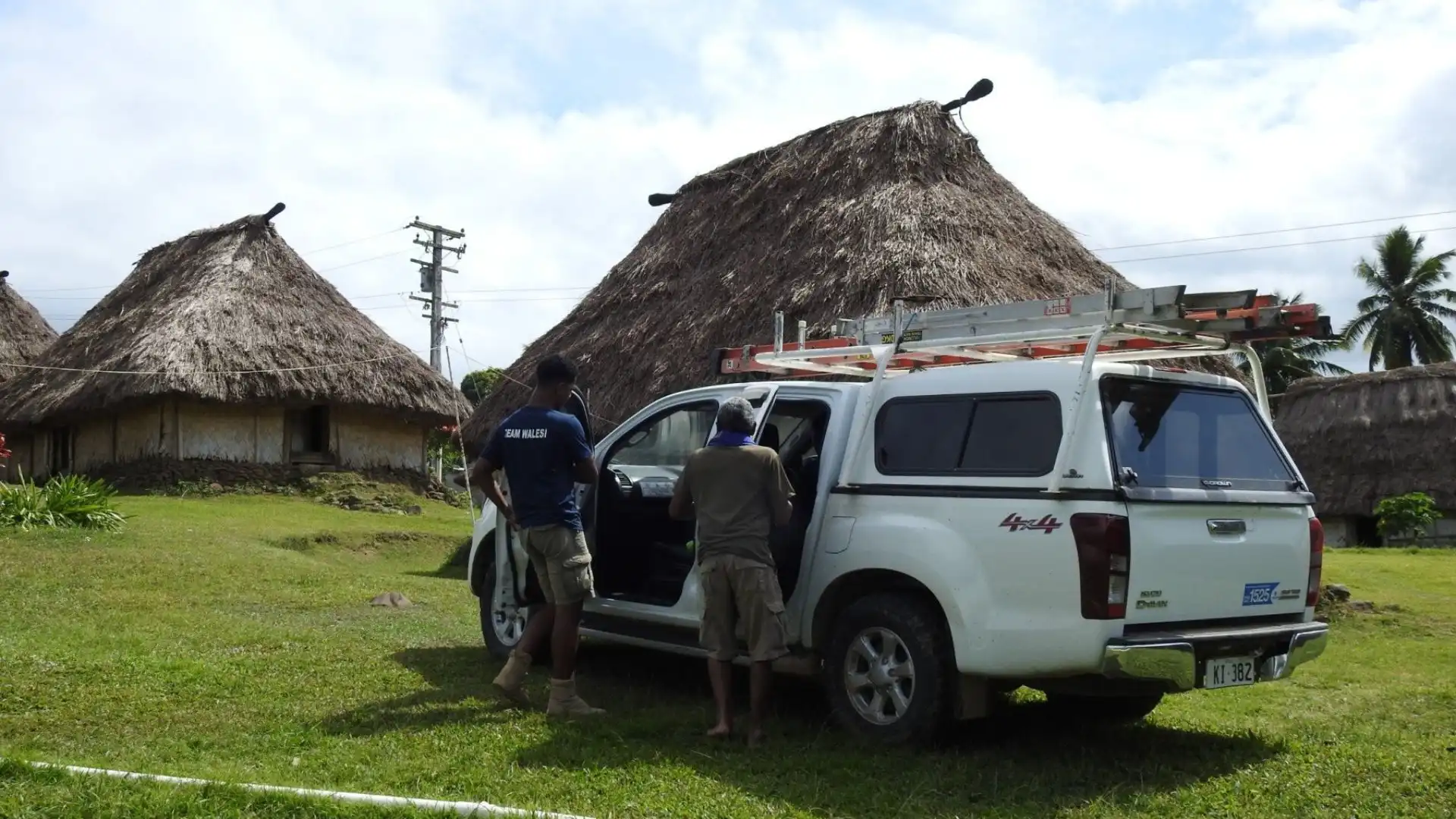
Community Tourism
Over 80 villages offer structured visitor experiences with direct community benefits and traditional chief oversight.
Traditional Bure
Authentic thatched houses provide immersive experiences while preserving traditional architecture methods.
Direct Benefits
Revenue flows directly to communities through development funds overseen by village elders.
Culinary Tourism: Taste of Fiji
Fiji's diverse culinary heritage—blending indigenous traditions with Indian, Chinese, and European influences—has become a significant tourism drawcard in its own right. The annual "Taste of Fiji" festival now attracts over 15,000 visitors, while specialized food tours have proliferated across major islands.
"Food is perhaps the most accessible entry point into a culture," notes renowned Fijian chef Seini Maikali. "Through traditional cooking methods and ingredients, visitors connect with our history, our relationship with the land and sea, and our cultural values around sharing and community."
The Farm-to-Table program links traditional farmers directly with restaurants and resorts, ensuring that visitors experience authentic local ingredients while supporting indigenous agricultural practices. Visitors can join traditional cooking classes in Sigatoka to learn these time-honored techniques firsthand. Special emphasis has been placed on preserving heritage crop varieties and traditional fishing techniques that might otherwise disappear in favor of imported foods.
Several cooking schools offering immersive experiences in traditional Fijian cuisine have opened in recent years, with the Lovo Underground Cooking Academy in Pacific Harbor becoming particularly popular among international visitors seeking hands-on cultural experiences.
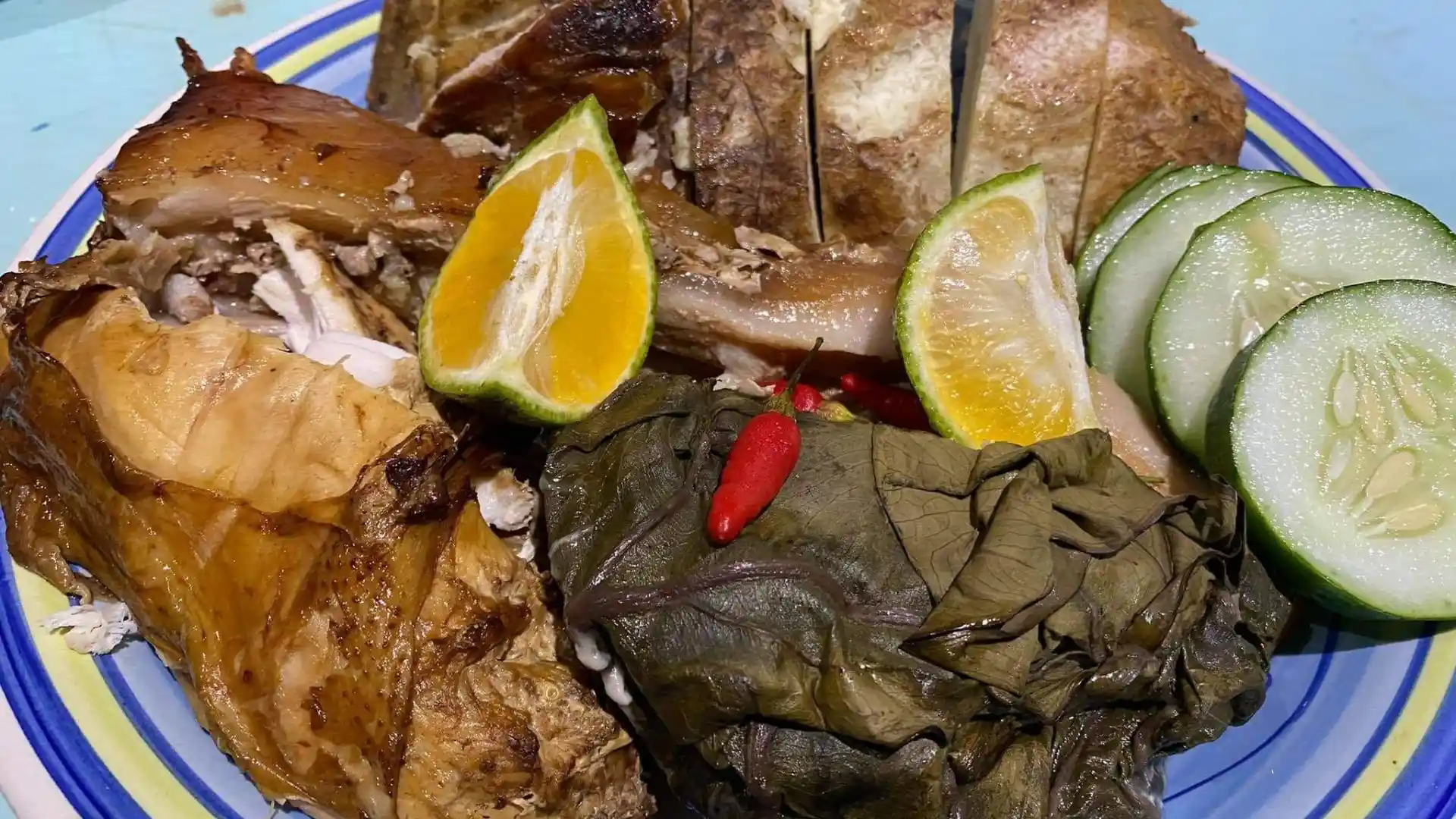
Traditional Cooking Methods and Heritage Ingredients
The preservation of traditional cooking methods like the lovo (earth oven) has become central to Fiji's culinary tourism offerings. These ancient techniques, which use heated stones buried in the ground to slow-cook food, create unique flavors that cannot be replicated through modern cooking methods.
Festival Tourism: Celebrating Living Traditions
Fiji's calendar of cultural festivals has been strategically developed to distribute tourism benefits throughout the year and across different regions. While the Hibiscus Festival has long been established, newer events like the Fiji International Cultural Dance Festival and the Traditional Canoe Regatta have quickly gained prominence. Visitors can also attend traditional meke dance performances throughout the year in various locations.
The government's "Festival Support Fund" provides matching grants to communities organizing authentic cultural celebrations, with preference given to events showcasing endangered traditions or occurring in regions with limited tourism infrastructure. This approach has successfully expanded cultural tourism beyond the established tourism corridors of the Coral Coast and Mamanuca Islands.
"Festivals serve multiple purposes in our cultural tourism strategy," explains Mere Raiova, Director of Cultural Affairs. "They create compelling reasons for visitors to explore beyond the main tourist areas, they provide performance opportunities that keep traditional arts vibrant, and they generate tremendous pride in communities as they share their heritage with an appreciative audience."
The coordination of festival dates has also helped address seasonality challenges, creating cultural attractions during traditional shoulder seasons when beach tourism typically declines.
Cultural Heritage Sites: Beyond the Natural Environment
While Fiji's UNESCO World Heritage site at Levuka Old Town has long been a cultural attraction, significant investments have been made to develop additional heritage sites across the archipelago. Visitors can explore the Fiji Museum in Suva to discover ancient canoes and tribal artifacts, while the Sigatoka Sand Dunes archaeological site now features an interpretation center explaining the 3,000-year history of human settlement in Fiji, and the Navala Cultural Landscape nears completion of its UNESCO World Heritage nomination.
Digital interpretation has dramatically enhanced visitor experiences at these sites. The "Ancient Fiji" augmented reality application allows visitors to visualize archaeological sites as they would have appeared centuries ago, while QR-coded information points provide multi-language information tailored to different interest levels.
Traditional site guardians have been trained as cultural interpreters, creating employment opportunities while ensuring that interpretation reflects indigenous knowledge systems alongside archaeological information. This approach exemplifies Fiji's commitment to cultural sovereignty—ensuring that heritage narratives remain under the stewardship of traditional knowledge keepers.
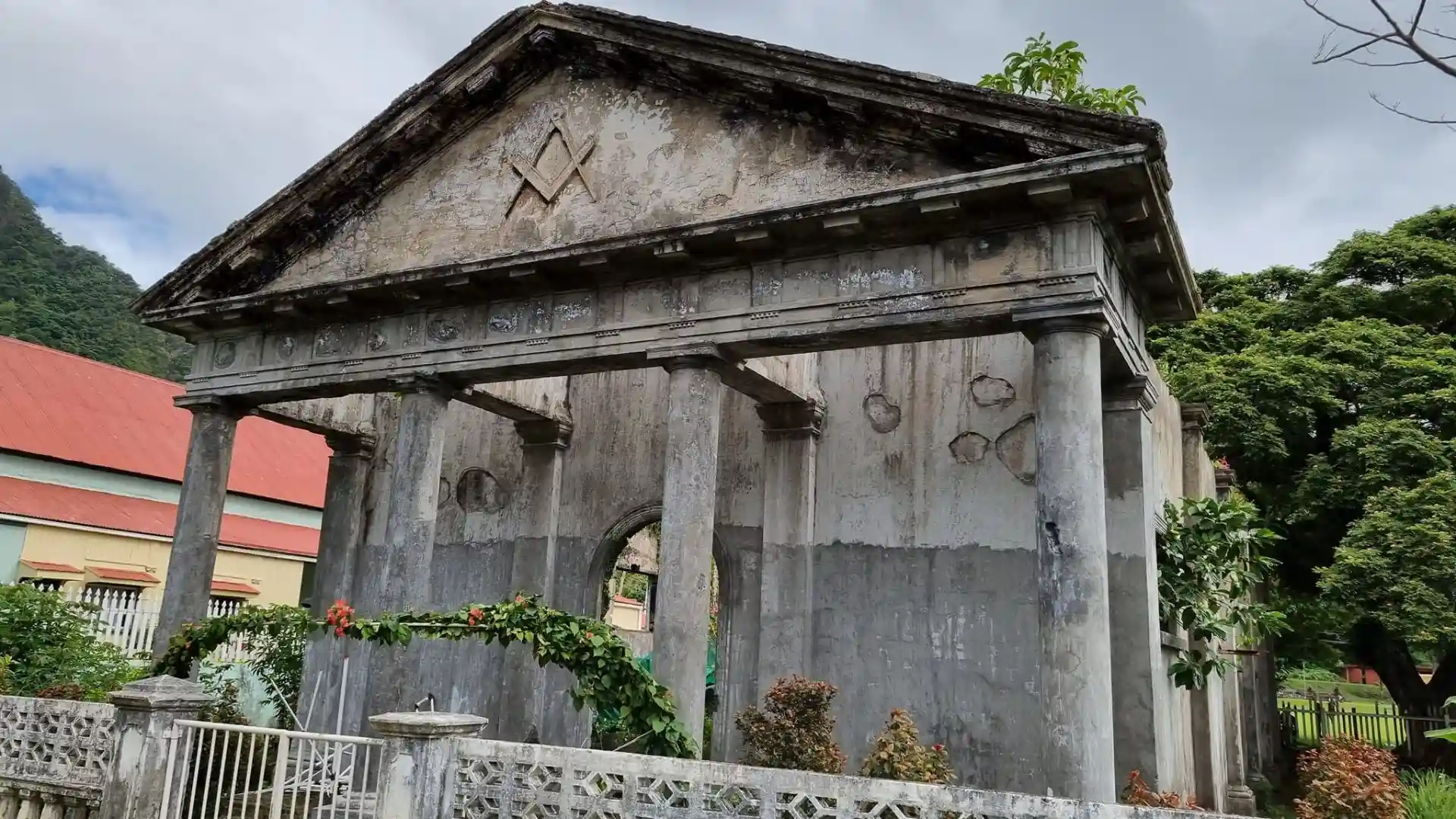
Digital Heritage Innovation
The integration of augmented reality and digital interpretation tools has revolutionized how visitors experience Fiji's archaeological and cultural sites, making ancient histories accessible to contemporary audiences while respecting traditional knowledge systems.
Artisan Economy: Creating Sustainable Livelihoods
Traditional crafts have found new markets through cultural tourism, creating sustainable livelihoods particularly for women in rural communities. The Fiji Arts Council has established quality standards and geographical indication protections for traditional crafts like masi (tapa cloth), magimagi (coconut fiber cordage), and tanoa (kava bowls). Visitors can join handicraft workshops in Nadi to learn these traditional techniques directly from local artisans.
The Authentic Crafts of Fiji certification program helps visitors identify genuinely traditional items, addressing concerns about mass-produced imitations that previously undermined authentic artisans' livelihoods. Alongside physical marketplaces like the vibrant Suva Municipal Market, new digital platforms now connect artisans directly with international buyers, generating year-round income beyond the tourism season.
"I can now support my entire family through my weaving," says Salanieta Baleiwai, a master weaver from Kadavu Island. "Tourism has created appreciation for traditional techniques that were at risk of being lost, while providing economic value for knowledge that has been passed down through generations."
Training programs focusing on product innovation within traditional parameters have helped artisans develop items that appeal to contemporary tastes while maintaining cultural integrity. The distinctive character of Fijian crafts has created a competitive advantage in the souvenir market, with surveys indicating that visitors strongly prefer authentic cultural items over generic beach-themed merchandise.

Traditional Crafts
Masi cloth, magimagi cordage, and tanoa bowls protected by quality standards and geographical indication certifications.
Digital Markets
Online platforms connect artisans directly with international buyers, creating year-round sustainable income streams.
Policy Framework: Protecting Cultural IP
Underpinning Fiji's cultural tourism success is a progressive policy framework that protects indigenous cultural intellectual property while facilitating appropriate commercial applications. The Traditional Knowledge and Cultural Expressions Act provides legal protections against misappropriation while establishing clear protocols for respectful commercial use. This is particularly important when visitors visit sacred sites like Sri Siva Subramaniya Temple, ensuring cultural respect and proper protocols are maintained.
Revenue sharing mechanisms ensure that communities receive fair compensation when their cultural elements are utilized in tourism contexts. The Act has been particularly important in addressing concerns about cultural commodification, establishing boundaries between sacred elements that should remain outside tourism contexts and cultural expressions appropriate for sharing with visitors.
"The policy framework recognizes that culture isn't static—it's continuously evolving," says Dr. Apolonia Tamata, cultural heritage expert at the University of the South Pacific. "The challenge is supporting evolution and economic opportunity while preventing exploitation or trivialization of profound cultural elements."
Sacred vs. Commercial Boundaries
The legislation carefully distinguishes between sacred cultural elements that must remain protected and cultural expressions that can be appropriately shared through tourism, ensuring respect for traditional values while enabling economic opportunities.
Future Directions: Digital Preservation and Diaspora Engagement
Looking ahead, two initiatives promise to further enhance Fiji's cultural tourism ecosystem. The Digital Cultural Heritage Archive—currently under development by the Ministry of iTaukei Affairs in partnership with academic institutions—aims to document oral histories, traditional knowledge, and endangered art forms through multimedia formats. This project not only aids in cultural preservation but also creates new forms of immersive content for tourism operators and educators.
Meanwhile, Fiji's global diaspora is emerging as an important audience and stakeholder. Programs encouraging second- and third-generation Fijians abroad to return for heritage reconnection experiences—such as language immersion, genealogy research, and traditional skill workshops—are creating a new hybrid segment of cultural tourists. These "roots tourism" initiatives foster cross-cultural exchange and strengthen intergenerational bonds within the broader Fijian community. Many of these programs include opportunities to support women's weaving collectives and other community enterprises.
Cultural Tourism Benefits
- Extended Stays: Cultural tourists stay 2.3 days longer than traditional beach visitors
- Higher Spending: 35% more expenditure per visitor on cultural experiences
- Community Impact: 80+ villages participating in cultural tourism programs
- Year-round Income: Festivals and cultural events reduce seasonal dependence
- Heritage Preservation: Economic incentives support traditional craft and knowledge preservation
Conclusion: A Sustainable Economic Engine
Cultural heritage tourism is no longer a niche sector in Fiji—it is a dynamic and growing pillar of the national tourism strategy. By investing in authentic experiences, safeguarding cultural integrity, and ensuring equitable community participation, Fiji is demonstrating how cultural tourism can serve as both an economic engine and a force for social cohesion and heritage preservation. From community farming projects to traditional arts workshops, these initiatives create meaningful connections between visitors and local communities.
As travelers increasingly seek meaning over materialism and stories over souvenirs, Fiji's living culture offers something rare and resonant. With continued innovation, respect for indigenous voices, and strong community partnerships, cultural heritage tourism can unlock enduring prosperity for the islands—economically, culturally, and spiritually.
Living Heritage, Sustainable Future
Fiji's cultural heritage tourism demonstrates how authentic cultural experiences can create sustainable economic opportunities while preserving traditional practices. From village tourism to artisan economies, Fiji is proving that cultural heritage and economic development can thrive together, creating a model for sustainable tourism that respects indigenous values while generating prosperity for local communities.