Suva Municipal Market - Complete 2026 Guide to Food, Culture and Shopping
Suva Municipal Market is the beating heart of Fiji - a vibrant, three-story hub where iTaukei farmers, Indo-Fijian spice merchants, Chinese wholesalers, and Pacific Islander artisans come together each day. Here, tropical produce, aromatic spices, fresh seafood, handmade crafts, and warm human interaction blend into an authentic cultural experience that no tourist venue can replicate. This guide introduces the market’s history and social importance, explains its floor-by-floor layout, highlights seasonal produce and specialty items, and offers practical tips for navigating, shopping, and connecting respectfully with local vendors.
Fresh Produce • Local Vendors • Cultural Exchange • Traditional Crafts • Authentic Experience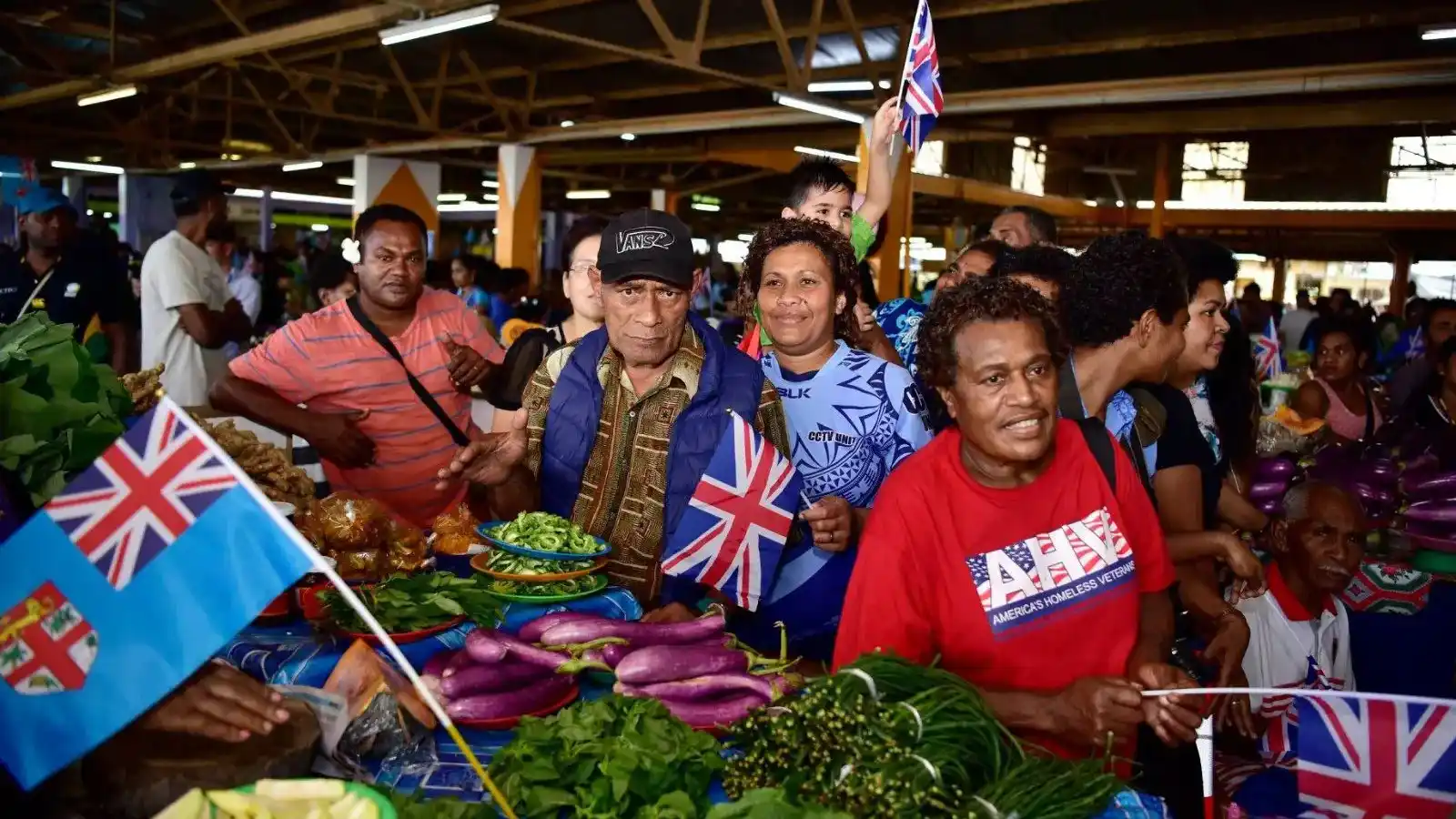
Historical Context and Cultural Significance
Evolution from Colonial Trading Post to Modern Urban Market
Suva Municipal Market's origins trace to late 19th century when British colonial administration established centralized trading venue consolidating previously scattered indigenous village exchanges, Indo-Fijian agricultural trading, and Chinese merchant activities. Original market structure (1881) consisted of simple wooden stalls near waterfront - convenient for farmers transporting produce via boats, accessible to growing urban population, controlled taxation point for colonial revenue collection.
Current concrete building (1980s reconstruction) replaced earlier structures destroyed by fires and deterioration - three-story modern facility maintaining traditional market functions while improving sanitation, weather protection, and vendor density. Despite architectural modernity, market retains character of traditional Pacific marketplace - social hub transcending mere commercial transactions, cultural crossroads where diverse ethnic communities interact daily, information exchange center for news and gossip, and repository of indigenous agricultural knowledge increasingly threatened by urbanization and globalization.
Market's Multiple Social Functions
Market Layout and Vendor Organization
Three-Floor Structure and Product Distribution
Understanding market's spatial organization enhances shopping efficiency and cultural appreciation - each floor serves distinct functions with informal ethnic/product clustering reflecting historical vendor patterns:
| Floor/Section | Primary Products | Typical Vendors | Best Shopping Time |
|---|---|---|---|
| Ground Floor (Main Entrance) | Fresh vegetables, root crops (taro, cassava, yams), tropical fruits, herbs | iTaukei farmers, Indo-Fijian vegetable growers | Early morning (6 - 9am) freshest selection |
| Ground Floor (Side Sections) | Seafood (fresh fish, octopus, mud crabs), coconuts, betel nut | Coastal fishermen, iTaukei vendors | Morning arrivals (7 - 10am) depending on boat schedules |
| First Floor (Upper Level) | Spices, pulses, dried goods, Indian vegetables (bitter melon, drumsticks, curry leaves) | Indo-Fijian spice merchants, wholesalers | Anytime (dried goods, stable inventory) |
| Second Floor (Top Level) | Handicrafts (masi/tapa cloth, woven mats, wood carvings), kava root, traditional items | iTaukei artisans, specialty vendors | Mid-morning to afternoon (less time-sensitive) |
| Food Court (Various Locations) | Prepared foods, roti/curry meals, Chinese dishes, tropical juices, Fijian kokoda | Mixed ethnic food vendors | Lunch rush (11:30am - 1:30pm) busiest/freshest |
Navigation Tips for First-Time Visitors
- Entry points: Main entrance Usher Street (ground floor produce), side entrances Rodwell Road (seafood section), Stinson Parade (upper floors handicrafts). Orient yourself using these landmarks avoiding disorientation in crowded aisles.
- Systematic exploration: Start ground floor observing produce (photo opportunities, initial vendor interactions), proceed upstairs handicrafts (less crowded, relaxed browsing), finish food court sampling Fijian cuisine (reward after walking, convenient lunch timing).
- Crowd management: Narrow aisles congested peak hours (Saturday morning especially) - go with flow, step aside letting locals pass, avoid blocking vendor stalls with prolonged standing. Market etiquette values efficient movement respecting others' shopping needs.
- Vendor stall numbering: Permanent stalls have assigned numbers - helpful relocating specific vendors subsequent visits, important reporting issues to market management, useful giving directions when recommending favorites to other travelers.
Seasonal Produce and Specialty Products
Understanding Tropical Agricultural Cycles
Unlike temperate markets with four distinct seasons, Suva Market operates on tropical wet/dry cycle influencing produce availability, pricing, and vendor strategies. Knowing seasonal patterns enhances shopping experience and cultural understanding:
Year-Round Staples
- Dalo/Taro: Fiji's staple starch - multiple varieties (purple, white), grown year-round different microclimates. Large corns FJ$2 - 5 depending size. Used similar to potatoes - boiled, mashed, fried.
- Cassava/Tavioka: Drought-resistant staple - sweet varieties eaten boiled, bitter varieties processed removing toxins. FJ$1 - 3 per bunch. Essential indigenous diet.
- Yams (Uvi): High ceremonial significance; presented at weddings and chiefly installations. Market varieties (FJ$5 – 15) are prized for their dry, starchy texture. Peak season follows the annual harvest in May-June.
- Pineapple: Peak December-March. Sweet Fijian varieties FJ$2 - 4 each. Vendor cutting service available (FJ$1 extra) - freshly sliced ready-to-eat.
- Papaya: Year-round but best November-April. Large fruits FJ$3 - 6. Ripe when yellow-orange, slight give when pressed. Excellent breakfast fruit.
- Bananas: Continuous supply - green cooking bananas, ripe sweet varieties. Bunches FJ$3 - 10 depending quantity. Ask vendors about specific varieties for different uses.
- Malay Apple (Kavika): A refreshing, bell-shaped water apple with a crisp texture. Deep red when ripe. Highly seasonal (typically Oct–Dec). Sold in heaps for FJ$2 – 5.
Seasonal Highlights and Specialty Items
Wet Season Abundance (November-April)
- • Mango madness: Multiple varieties flooding market December-February - Bombay (small, sweet), Julie (large, fiber-free), local cultivars. Prices plummet peak season (FJ$5 - 10 per dozen). Vendor tastings common - sample before buying bulk.
- • Leafy greens explosion: Monsoon rains produce abundant bele (hibiscus leaves), rourou (taro leaves), bok choy, water spinach. Fresh tender leaves best quality. Prices lowest wet season (FJ$1 - 2 bundles).
- • Wild harvests: Ivi (Tahitian chestnut), kavika (yams), seasonal mushrooms appearing after rains. Limited quantities - early morning essential. Traditional foods rarely found elsewhere.
Dry Season Specialties (May-October)
- • Citrus peak: Oranges, mandarins, limes abundant June-August. Juicing oranges (FJ$5 - 8 dozen) versus eating quality (FJ$10 - 15 dozen). Vendors squeeze fresh juice on-site.
- • Watermelon season: Large sweet watermelons May-July (FJ$8 - 15 whole, FJ$2 - 3 quarter). Vendors tap testing ripeness - hollow sound indicates sweetness. Popular heat relief.
- • Root crop quality: Drier conditions produce denser, starchier roots preferred for traditional lovo cooking. Ceremonial-grade yams reach impressive sizes September-October harvest.
Engaging with Vendors: Communication and Cultural Exchange
Building Meaningful Connections Beyond Transactions
Market's greatest value lies in authentic human interactions - vendors generally welcoming, curious about foreign visitors, and proud sharing cultural knowledge. Approaching conversations respectfully and genuinely creates memorable experiences transcending typical tourist encounters:
Conversation Starters and Cultural Questions
Market Etiquette and Respectful Behavior
| Situation | Respectful Approach | Avoid These Actions |
|---|---|---|
| Taking Photographs | Always ask permission first: "May I take a photo?" Many vendors happy posing; some prefer privacy. Respect refusals graciously. | Candid photos without asking, photographing people as exotic subjects, treating vendors as tourist attractions rather than individuals |
| Handling Produce | Ask before touching: "Can I look at this?" Vendors prefer selecting produce ensuring quality. Gentle handling shows respect for merchandise. | Squeezing fruits roughly, rummaging through displays, handling then not buying without explanation |
| Price Negotiation | Gentle bargaining acceptable bulk purchases: "Can you do FJ$X for three?" Smile, friendly tone, accept final price graciously. | Aggressive haggling, comparing to other vendors negatively, expecting Western discount percentages (margins already thin) |
| Purchasing Decisions | If genuinely interested, buy small quantities supporting vendors. "I'll take this one" shows appreciation for conversation. | Extended conversations then buying nothing (wastes vendor time), treating market as free cultural entertainment without economic reciprocity |
| Tasting Samples | Accept offered samples graciously, express appreciation: "Vinaka! Very delicious." Purchase something if enjoyed multiple samples. | Demanding samples, tasting widely without buying intentions, grimacing at unfamiliar flavors (cultural rudeness) |
Practical Shopping Guide and Safety Considerations
What to Buy and How to Transport
Strategic shopping depends on accommodation type, departure timing, and customs regulations. Plan purchases considering these practical constraints:
Items for Immediate Consumption
Fresh produce and prepared foods: If accommodation has cooking facilities or staying multiple days, buy tropical fruits (papaya, pineapple), vegetables for self-catering, fresh coconuts (vendor opening service FJ$1), market food court meals (FJ$3 - 8 complete plates).
Storage considerations: Tropical heat accelerates spoilage - refrigeration essential for most items. Leafy greens wilt within hours without cooling. Root crops (taro, cassava, yams) more stable, lasting several days room temperature. Buy quantities appropriate consumption timing.
Sampling strategy: Purchase small quantities diverse items trying unfamiliar foods versus committing large amounts potentially disliked. Vendors understanding trial purchases, often recommending appropriate sizes first-time buyers.
Souvenirs and Take-Home Items
Dried spices and seasonings: Indo-Fijian curry blends, whole spices (turmeric, cinnamon, cardamom), dried chilies - lightweight, customs-acceptable most countries, authentic flavors unavailable elsewhere. Vacuum-seal bags protect from humidity. FJ$5 - 20 depending quantities.
Handicrafts with cultural significance: Masi/tapa cloth (ceremonial fabric from mulberry bark, FJ$20 - 100 depending size/artistry), woven pandanus mats (traditional floor coverings, FJ$30 - 150), tanoa bowls (ceremonial kava bowls, FJ$50 - 300 depending craftsmanship). Quality varies enormously - ask about village origins, traditional versus tourist-grade production.
Restricted/prohibited items: Fresh produce (most countries prohibit agricultural imports - biosecurity concerns). Kava root (legal Fiji, restricted/prohibited many destinations - check customs regulations before purchasing). Certain shells/corals (CITES restrictions protecting endangered species). Research destination country import rules avoiding confiscation/fines.
Health and Safety Considerations
Food Safety and Hygiene Practices
- Water washing: All raw produce should be washed thoroughly before consumption - market hygiene standards variable, produce may have soil, insect residues. Use bottled/boiled water for washing if tap water quality uncertain.
- Cooked food vendors: Choose busy stalls indicating high turnover/freshness. Observe food handling practices - vendors using utensils versus bare hands, covered food versus exposed, clean preparation areas. Hot foods safer than room-temperature items.
- Seafood considerations: Fresh fish should have clear eyes, firm flesh, mild ocean smell (not ammonia/fishy odors). Buy morning when recently caught. Cook thoroughly unless preparing traditional kokoda (marinated raw fish - requires extremely fresh, properly handled seafood).
- Personal hygiene: Hand sanitizer essential - frequent touching surfaces, produce, money requires sanitation before eating. Wash hands properly after market visit. Avoid touching face while shopping.
- Sensitive digestion: If prone stomach issues, stick to cooked foods, fruits you peel yourself (bananas, pineapple, papaya), avoid raw salads, uncooked preparations. Gradual introduction unfamiliar foods prevents digestive distress.
Personal Security and Belongings
Suva Market generally safe though crowded conditions create pickpocketing opportunities: Valuables: Leave jewelry, expensive cameras, large cash amounts at accommodation. Bring only shopping money (FJ$50 - 100 sufficient most purchases) in secure pockets/money belt. Bag security: Wear backpacks front-facing in crowds, crossbody bags prevent snatching, avoid open tote bags easily accessed. Phone safety: Secure in zippered pocket - expensive smartphones attractive theft targets. Use discretely for necessary photos then store safely. Group awareness: Stay together if traveling with companions. Easy getting separated in dense crowds - establish meeting point if dispersed.
Emergency contacts: Market security office located main entrance (report issues, lost items). Police station nearby Ratu Sukuna Road (5-minute walk). Medical clinic within 2 blocks if minor health concerns arise. Vendors usually helpful assisting tourists experiencing difficulties.
Frequently Asked Questions
What are Suva Municipal Market's operating hours and busiest times?
Official hours: Monday-Friday 5:30am-5:30pm, Saturday 5:30am-4pm, Sunday closed (Christian Sabbath observance). However, practical timing varies: Peak activity (6 - 10am): Vendors arrive early displaying fresh produce - best selection, coolest temperatures, most energetic atmosphere. Saturday morning particularly busy (local families shopping weekly groceries). Lunch rush (11:30am - 1:30pm): Food court packed with workers from nearby offices - authentic local dining scene, limited seating, efficient service. Prepared food quality peaks this period (high turnover ensuring freshness). Afternoon decline (2 - 5pm): Inventory depleted, vendors packing up, fewer customers. Possible discounts perishables (vendors preferring sales over transporting unsold goods) but selection severely limited. Tourist-optimal timing: Arrive 7:30-8:30am avoiding earliest crowds while maintaining excellent selection. Allows leisurely browsing, better photography lighting (harsh midday sun problematic), comfortable conversations with vendors not overwhelmed by customers. Day selection: Tuesday-Thursday calmest (locals shopping weekend/Monday, vendors relaxed midweek). Saturday most vibrant cultural experience (entire families, highest diversity, festival atmosphere) but also most crowded. Avoid Monday if fresh selection priority (weekend sales deplete inventory, Monday replenishing).
How much money should I bring and are credit cards accepted?
Cash-only environment: Suva Market operates entirely cash transactions - no credit cards, no digital payments, no exceptions. Bring sufficient Fijian dollars avoiding ATM trips mid-shopping. Budget recommendations: Browsing/sampling (FJ$20 - 30): Covers few tropical fruits, handicraft small items, food court meal, vendor photos tips (FJ$2 - 5 appreciated if photographing extensively). Moderate shopping (FJ$50 - 80): Substantial produce purchases, multiple handicrafts, spices/dried goods, prepared foods, comfortable buffer bargaining/spontaneous buys. Serious provisioning (FJ$100 - 150+): Self-catering large quantities, high-quality handicrafts (tanoa bowls, ceremonial masi), bulk spices, seafood purchases. Denomination considerations: Bring mix bills - large notes (FJ$50, FJ$100) difficult vendors making change especially early morning. FJ$5, FJ$10, FJ$20 notes most useful. Coins handy small purchases (FJ$1 - 3 items). Vendors appreciate exact change reducing their change-making burden. ATM locations: Several banks within 2 - 3 blocks market (ANZ, Westpac, BSP) - can withdraw if initially insufficient though interrupts shopping flow. Cards work standard international networks. Tipping culture: Not expected produce vendors (prices fair, tipping considered odd). Food vendors appreciate keeping change small purchases (e.g., FJ$8 meal, pay FJ$10, say "keep it"). Handicraft vendors may offer small gift purchased significant amount - accept graciously versus insisting payment (traditional reciprocity, not bribery).
Is bargaining expected and how do I negotiate prices respectfully?
Nuanced bargaining culture: Unlike some Asian markets where aggressive haggling expected, Fiji maintains moderate approach - gentle negotiation acceptable but not obligatory, relationships valued over maximum discounts. When bargaining appropriate: Handicrafts: Significant flexibility especially bulk purchases - buying multiple masi cloths, several carvings. Start 10 - 15% below asking, meet somewhere middle. Friendly negotiation expected part of interaction. Large produce quantities: Buying case of pineapples, sack of dalo, substantial yam order. "Can you do better price for ten?" reasonable inquiry. End-of-day perishables: Afternoon vendors keen offloading remaining inventory - discounts often offered without asking though polite inquiry "Is this your best price?" acceptable. When prices fixed: Spices and packaged goods: Wholesalers operate thin margins, standardized pricing across vendors. Minimal negotiation room - prices already competitive. Cooked food: Set prices non-negotiable. Never haggle over prepared meals - disrespectful to vendor labor. Small-value items: FJ$2 - 5 purchases - effort bargaining exceeds potential savings. Respectful negotiation approach: Smile, friendly tone: "That's a bit expensive for me - what's your best price?" Accept vendor's counter-offer or compromise: "How about FJ$XX?" Don't compare vendors negatively: "Vendor X selling cheaper" creates resentment. Accept final price graciously: "Okay, that's fair" versus walking away indignant. Remember: Vendors earn modest livelihoods - excessive bargaining exploits economic disparity rather than achieves fair exchange. Saving FJ$2 - 3 means little tourists, significant vendors. For broader cultural sensitivity, review Suva's multicultural norms.
What should I do with purchases if continuing to explore Suva after market visit?
Storage challenges: Tropical heat spoils perishables rapidly - carrying produce/seafood for hours creates food safety concerns, unpleasant odors, heavy burdens limiting mobility. Solutions: Return to accommodation: Most practical option - purchase, immediately return hotel/hostel refrigerating items, then resume sightseeing. Suva compact city - taxi to accommodation FJ$5 - 10, total time 20 - 30 minutes. If staying nearby, walking feasible. Market storage lockers: Limited availability - ask market information desk about temporary storage (may charge small fee FJ$2 - 5). Not all items suitable (seafood, prepared foods excluded), valuables not secure. Strategic shopping timing: Visit market last activity before returning accommodation - eat food court lunch, shop afterwards, head directly back. Eliminates storage concerns entirely. Non-perishable prioritization: If extended sightseeing planned, purchase only handicrafts, spices, dried goods requiring no refrigeration. Return separate day buying perishables when can immediately store properly. Vendor holding: Sometimes vendors accommodate holding purchases few hours if returning same day - not guaranteed, depends vendor relationship, item value. Leave deposit (FJ$10 - 20) ensuring return. Taxi services: Hire taxi waiting (negotiate rate FJ$20 - 30 hour including driver waiting time, transporting purchases accommodation, returning collect you) - expensive but convenient if substantial purchases or mobility issues. Shipping services: Some handicraft vendors arrange international shipping large/fragile items - useful quality tanoa bowls, extensive masi collections. Costs vary significantly, verify reliability before committing.
Are there any prohibited or culturally insensitive items I should avoid purchasing?
Legal restrictions: Protected species: Turtle shell products (jewellery, decorative items) - illegal internationally under CITES (Convention on International Trade in Endangered Species). Heavy fines/confiscation if attempting export. Vendors sometimes offer illegally - refuse purchases regardless price. Some coral items similarly protected. Cultural artifacts: Authentic ceremonial objects (very old tanoa bowls, traditional war clubs, ancestor carvings) may have cultural heritage significance - removing from Fiji potentially illegal or ethically problematic. Tourist-grade reproductions fine; antiques require verification. Cultural sensitivity concerns: Sacred objects: Some traditional items carry spiritual significance beyond decorative value. Ask vendors about appropriate use - certain patterns, forms reserved for specific ceremonies, chiefly contexts. Purchasing sacred objects for casual display may offend. Inappropriate imagery: Avoid souvenirs caricaturing Fijian people, stereotyping indigenous culture, or trivializing sacred symbols. Respectful cultural appreciation versus exploitative kitsch - vendors selling latter exist but purchasing perpetuates disrespectful representations. Counterfeit goods: Occasionally fake "traditional" items (machine-made "handwoven" mats, printed "hand-painted" masi from Asia). Undermines authentic artisans, deceives buyers. Ask about production methods, village origins. Quality traditional items have irregular patterns, natural material variations, visible handwork traces. Ethical purchasing guidelines: Prioritize items directly supporting local artisans versus middleman-imported goods. Ask vendors about production locations - "Did you make this?" or "Which village does this come from?" Genuine artisans proud discussing techniques, origins. Pay fair prices recognizing skilled labor value versus seeking cheapest possible souvenirs. For broader understanding Fijian cultural values, explore traditional performances and customs.
Can I eat safely at the market food court and what dishes should I try?
Food court safety: Generally safe following basic precautions - choose busy vendors (high turnover = freshness), observe hygiene practices (clean prep areas, food covered, vendors using utensils), avoid foods sitting room temperature extended periods. Hot freshly-cooked items safest. Lunch rush (11:30am - 1:30pm) optimal timing - everything prepared fresh meeting demand, minimal sitting time. Must-try dishes: Roti with curry (FJ$5 - 8): Indo-Fijian staple - soft flatbread with potato/pumpkin/chickpea curry. Vegetarian options abundant, chicken/lamb curries available. Ask spice level ("mild" still moderately spicy Western palates - request "very mild" if sensitive). Kokoda (FJ$8 - 12): Fijian ceviche - raw fish marinated coconut cream, lime juice, tomatoes, onions, chilies. Requires extremely fresh fish - order only from reputable vendors during morning. Served chilled, incredibly refreshing tropical heat. Palusami (FJ$5 - 7): Taro leaves cooked coconut cream, sometimes with corned beef/fish. Rich, creamy, unique flavour. Traditional Fijian comfort food rarely found restaurants - market authentic source. Lovo-style preparations (FJ$10 - 15): When available (typically weekends), underground-cooked meats, fish, root vegetables traditional method. Smoky flavour, tender texture, cultural significance. Fresh tropical juices (FJ$2 - 4): Pineapple, watermelon, papaya blended fresh - incredibly sweet without added sugar. Sometimes mixed combinations. Perfect heat relief. Portion sizes: Generally substantial - one plate constitutes complete meal. Half portions sometimes available if wanting sample multiple dishes. Dietary accommodations: Vegetarian options plentiful (Indo-Fijian cuisine inherently vegetable-focused). Vegan challenging (coconut cream ubiquitous though plant-based). Gluten issues - roti contains wheat, rice alternative usually available. Inform vendors dietary restrictions: "No meat" or "no milk products" usually understood/accommodated.
How can I tell the difference between authentic handmade crafts and mass-produced tourist items?
Authentic crafts characteristics: Masi/tapa cloth: Genuine masi made from mulberry bark (not paper) - thicker texture, irregular surface, natural variations, subtle bark smell. Patterns hand-painted using natural dyes (browns, blacks from plant sources) - slight color inconsistencies, brushstroke evidence, unique designs. Mass-produced versions uniform, thin paper, synthetic dye smell, identical repetitive patterns. Price differential significant: Authentic FJ$50 - 150 (size/quality dependent), fake FJ$10 - 20. Woven mats: Traditional pandanus weaving shows: natural color variations within leaves, tight consistent weaving (no gaps), strong natural fiber scent, individual artisan patterns/techniques. Factory mats: perfectly uniform color, looser weaves, synthetic fiber smell or no scent, standardized commercial patterns. Check edges - hand-finished with care, machine-cut edges perfectly straight. Wood carvings: Authentic tanoa bowls: carved from solid wood (vesi, yaka - heavy, dense), hand-finished surfaces showing chisel marks, unique natural grain patterns, traditional four-legged design. Tourist versions: lighter wood, machine-perfect symmetry, stained to fake age, mass-produced identical pieces. Authentic carvers sign work, discuss wood sources, explain symbolic meanings. Quality indicators: Vendor knowledge: Ask production process, village origins, artisan names. Authentic sellers provide detailed information, personal connections. Middlemen vague, generic responses. Price: Quality traditional crafts expensive - years developing skills, hours labor-intensive work, valuable materials. Suspiciously cheap items likely inauthentic. Uniqueness: Handmade items show individual character - no two identical. Factory goods perfectly replicated. Material authenticity: Natural fibers, traditional woods, plant-based dyes cost more than synthetic substitutes. Purchasing strategy: Visit multiple vendors comparing quality, prices, stories before deciding. Ask other tourists/locals for vendor recommendations. Consider supporting village cooperatives, women's craft groups over general souvenir stalls - more likely authentic, funds directly reaching artisans.
What other Suva markets or shopping areas complement the Municipal Market experience?
Suva Central Business District: Cumming Street (5-minute walk from market) - Chinese shops, Indian fabric stores, variety retailers. Different commercial atmosphere - enclosed stores versus open market, fixed pricing, broader merchandise (clothing, electronics, household goods). MHCC (Morris Hedstrom City Centre): Modern shopping mall (10-minute walk) - Western-style supermarket, air-conditioned retail, higher prices but convenient for packaged goods, toiletries, familiar brands. Interesting contrast traditional market versus contemporary commerce. Raiwaqa Market (15-minute bus ride): Smaller neighborhood market - less touristy, predominantly local customers, similar produce/goods at slightly lower prices. Authentic local experience without crowds but limited English, fewer handicrafts. Lami Town Market (20-minute bus): Coastal suburb market - seafood focus (direct from Lami fishing fleet), quieter atmosphere, scenic waterfront location. Combined with Lami Town exploring makes pleasant half-day excursion. Nasinu/Valelevu Markets (20 - 30 minute bus): Suburban markets serving residential areas - very local, limited tourist interest, but fascinating seeing how Fijians actually shop versus tourist-oriented downtown market. Saturday/Sunday Flea Markets (various locations): Occasional community flea markets selling used goods, clothing, household items - cultural anthropology interest observing domestic economy, recycling culture, community gathering. Ask accommodation about current schedules. Comparative value: Suva Municipal Market remains primary destination - best diversity, most cultural interactions, convenient location, established tourism accommodation. Other markets worth visiting extended stays, anthropological interest, or seeking specific products (fresh seafood Lami, cheaper prices Raiwaqa). Combine market visit with exploring downtown colonial architecture creating comprehensive Suva cultural experience. Allow full morning market (2 - 3 hours) then architectural walking tour afternoon.
Suva Municipal Market Visit Checklist
Before You Go:
- Bring sufficient cash (FJ$50 - 100) small bills
- Wear comfortable walking shoes
- Light backpack or shopping bag for purchases
- Hand sanitizer and water bottle
- Camera/phone for photos (ask permission first)
- Arrive early morning (7:30-8:30am) best selection
Must-Experience Activities:
- Greet vendors with "Bula!" and smile
- Try unfamiliar tropical fruits (ask vendors)
- Sample food court Fijian dishes
- Ask about cooking traditional ingredients
- Browse handicrafts upper floor
- Purchase spices/dried goods as souvenirs
Respectful Behavior:
- Ask before photographing people
- Handle produce gently with permission
- Buy something after extended conversations
- Accept vendor recommendations graciously
- Gentle bargaining only bulk purchases
- Express appreciation: "Vinaka!" (thank you)
Safety Tips:
- Leave valuables at accommodation
- Secure bags/pockets in crowds
- Wash produce thoroughly before eating
- Choose busy food vendors (freshness)
- Use hand sanitizer frequently
- Stay hydrated (tropical heat)
Connecting Through Commerce and Conversation
Suva Municipal Market transcends conventional shopping experience - functioning simultaneously as economic institution (feeding urban population, supporting rural livelihoods), cultural crossroads (indigenous Fijian, Indo-Fijian, Chinese communities intersecting daily), educational venue (agricultural knowledge, traditional practices, linguistic diversity), and human connection point enabling authentic interactions impossible in insulated tourist bubbles. Every purchase represents not merely economic transaction but potential relationship - vendors eager sharing stories, cultural practices, personal histories with genuinely interested visitors approaching conversations respectfully and reciprocally.
Maximizing market experience requires balancing practical goals (acquiring produce, handicrafts, souvenirs) with cultural engagement priorities (learning about traditional foods, understanding agricultural cycles, appreciating artisan skills, building cross-cultural friendships). Allocate sufficient time - rushed visits miss conversational opportunities and nuanced observations revealing cultural depth beyond surface transactions. Approach with curiosity, humility, and genuine respect recognizing vendors as knowledge holders and cultural educators rather than exotic photo subjects or commercial resources. Purchase thoughtfully supporting authentic artisans and sustainable agricultural practices while maintaining realistic budgets. Most importantly, carry market's lessons beyond physical space - applying cross-cultural communication skills, appreciating food system complexities, and recognizing common humanity transcending ethnic, linguistic, and economic differences. For comprehensive Suva cultural immersion, pair market experience with exploring diverse urban neighborhoods and understanding how daily market interactions reflect broader patterns of multicultural coexistence shaping Fiji's capital. Vinaka for engaging respectfully with Suva's marketplace communities and supporting sustainable cultural tourism benefiting local livelihoods.