Long Beach, Kadavu: Fiji's Remote Ecological Frontier & Bird Island Sanctuary
Long Beach on Kadavu Island represents one of Fiji's last truly wild coastal frontiers—an unspoiled stretch of golden sand sheltered by the world's fourth-largest barrier reef and surrounded by endemic wildlife. This secluded paradise offers adventurous travelers a rare glimpse into pristine ecosystems and traditional Fijian life far from mainstream tourism.
Biodiversity hotspot & authentic cultural experience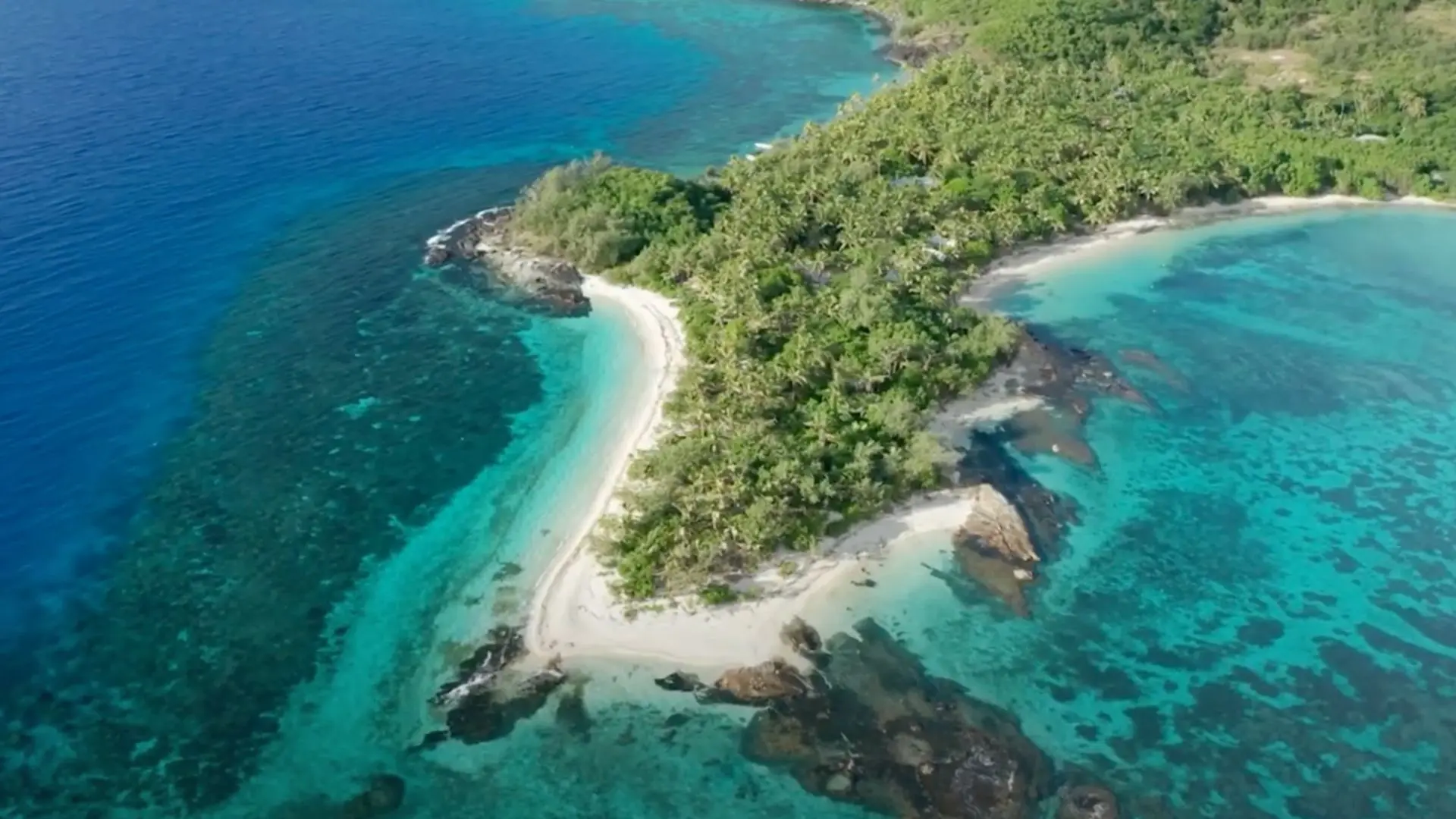
A Natural Sanctuary
Long Beach stretches for nearly three kilometers along Kadavu's northern coast, where dense primary rainforest meets golden sands and turquoise waters. Unlike many tropical beaches, Long Beach's unique golden hue comes from its volcanic origins, providing a stunning contrast to the vibrant blues of the surrounding ocean.
This undeveloped coastline sits at the edge of the Great Astrolabe Reef—Fiji's largest barrier reef system and a global biodiversity hotspot. The beach's position creates a natural protected lagoon with exceptional water clarity and gentle conditions perfect for swimming, snorkeling, and paddling adventures year-round.
Wildlife Sanctuary
Long Beach and its surrounding forests are vital habitat for the critically endangered Kadavu Musk Parrot (Prosopeia splendens), found nowhere else on Earth. Community-led conservation initiatives have established a 2,000-hectare protected area surrounding the beach, resulting in a 30% increase in this iconic bird's population since monitoring began in 2009.
Indigenous Stewardship
Long Beach remains under the traditional ownership and protection of three neighboring villages whose ancestors have sustainably managed these resources for centuries. These communities maintain customary fishing grounds (qoliqoli) extending from the beach to the reef, where traditional ecological knowledge guides sustainable harvesting practices.
Visitors to Long Beach must respect the vanua (land and people) by participating in a traditional sevusevu ceremony when staying in the area. This kava-sharing ritual establishes a relationship of mutual respect between guests and hosts while acknowledging the community's role as guardians of the land and sea.
Traditional Resource Management
Learn about tabu (no-take zones) and seasonal harvesting restrictions that have sustained marine resources for generations.
Cultural Immersion
Participate in daily village activities from mat weaving to traditional food preparation, gaining authentic insights into rural Fijian life. Explore similar experiences at Fijian Village Homestay.
Low-Impact Accommodations
Long Beach's remoteness has naturally limited development, preserving its pristine character. The few accommodations available prioritize environmental responsibility and community integration through locally-owned ecolodges and homestay opportunities that provide authentic connections to place and people.
These establishments operate according to strict sustainability principles negotiated with traditional landowners, ensuring that tourism benefits local communities while maintaining the ecological integrity that makes Long Beach extraordinary. For a similar eco-conscious stay, consider Matava Resort on Kadavu Island.
Locally Built & Managed
Accommodations constructed with sustainable local materials and operated by community members to maximize economic benefits.
Ecological Design
Buildings utilize passive cooling, rainwater harvesting, and solar power to minimize resource use while maximizing comfort.
Cultural Protocols
Accommodations integrate traditional Fijian customs into their operations, honoring local values and practices.
Unique Experiences
The true magic of Long Beach lies in the extraordinary experiences available to visitors willing to venture beyond conventional tourism. The area's biological richness and cultural depth provide opportunities for meaningful encounters found nowhere else in Fiji.
Endemic Birdwatching
Spot four bird species found nowhere else on Earth, including the iconic Kadavu Musk Parrot, with local guides trained in conservation biology.
Great Astrolabe Exploration
Discover world-class dive and snorkel sites along one of the planet's most pristine barrier reef systems, home to over 1,000 marine species. Visit Kadavu Island Diving for more diving adventures.
Traditional Canoe Building
Participate in workshops preserving the ancient art of camakau (outrigger canoe) construction using traditional methods and materials.
Marine Wonders
The waters off Long Beach form part of the Great Astrolabe Reef, one of the world's most spectacular and least explored barrier reef systems. This massive ecological structure creates perfect conditions for extraordinary marine encounters just meters from shore.
Naiqoro Passage
This renowned channel through the Great Astrolabe Reef features dramatic underwater topography and powerful currents that attract large pelagic species, including hammerhead sharks, manta rays, and dolphin pods.
Advanced diving siteLong Beach Lagoon
The protected waters directly off the beach feature coral gardens in just 1-3 meters of water, making them perfect for beginner snorkelers and children. Over 200 species of reef fish can be spotted in these accessible shallows.
Family-friendly snorkelingManta Cleaning Stations
Seasonal congregations of manta rays visit specific coral formations where cleaner wrasse remove parasites. These predictable gatherings allow for respectful observation of these majestic creatures engaged in natural behaviors.
Seasonal wildlife encounterSeagrass Meadows
These vital ecosystems adjacent to Long Beach provide nursery habitat for juvenile fish and feeding grounds for endangered green sea turtles. Guided kayak tours allow visitors to observe these ecosystems without disturbance.
Conservation priority areaTraditional Cuisine
Dining at Long Beach offers a genuine farm-to-table experience featuring ingredients harvested from village gardens and sustainably caught seafood. Meals typically incorporate fresh coconut, root crops like taro and cassava, and seasonal tropical fruits grown in nearby food forests. For a hands-on culinary experience, try a Traditional Fijian Cooking Class.
Communal meals prepared in traditional cooking huts provide insights into Fijian culinary heritage, including specialty dishes unique to Kadavu such as vakasoso (fish steamed in coconut milk with local herbs) and traditional preservation techniques that maintain food security through changing seasons.
Seasonal Patterns
Kadavu's microclimate creates slightly different seasonal patterns than other parts of Fiji. The optimal visiting period spans from late April through October, when reduced rainfall results in excellent visibility for reef exploration and stable conditions for boat transfers.
The November to March wet season brings higher humidity and occasional heavy downpours that nourish the island's exceptional biodiversity. This period coincides with traditional planting seasons in local villages and offers opportunities to participate in seasonal cultural activities rarely witnessed by outsiders.
Visitor Guidelines
- Reserve accommodations 6+ months ahead for the July-August peak period.
- Pack minimal clothing—island life is casual, and less luggage means reduced boat fuel consumption.
- Bring reef shoes for exploring the shoreline during low tide.
- Consider a digital detox—WiFi is available but intentionally limited to encourage disconnection.
- Bring a headlamp or flashlight for night reef walks and evening beach strolls.
- Pack biodegradable toiletries to support the island's eco-friendly waste management system.
Journey to Long Beach
Reaching Long Beach requires commitment that rewards visitors with true remoteness. From Fiji's main island, daily flights connect Nadi International Airport with Kadavu's Vunisea airstrip (approximately 45 minutes). From there, a scenic boat transfer (1.5-2 hours) across Kadavu's northern coastline delivers visitors to Long Beach.
Most accommodations coordinate these connections and include transfers in their packages. The journey itself becomes part of the experience, offering stunning views of Kadavu's mountainous terrain and opportunities to spot seabirds and marine life along the way.
Experience Fiji's Wild Side
Long Beach on Kadavu Island represents Fiji at its most authentic and ecologically significant—a place where ancient traditions, pristine ecosystems, and community conservation create truly transformative experiences. Visitors leave with more than memories of stunning landscapes; they gain deeper understanding of sustainable relationships between people and nature that have sustained these islands for millennia. For travelers seeking genuine connection to place and purpose, Long Beach offers a path less traveled but infinitely more rewarding. For another eco-conscious adventure, explore Nanuku Resort on Fiji's Pacific Harbour coastline.